
Dogs communicate discomfort in subtle ways, and one of the most noticeable behaviors is head shaking. While an occasional shake may be harmless—like after a bath—frequent or intense head shaking can signal an underlying issue. Understanding the reasons behind this behavior helps owners respond appropriately, prevent complications, and ensure their dog’s well-being. From ear infections to foreign objects, several conditions can trigger head shaking, some requiring immediate veterinary attention.
Common Causes of Head Shaking in Dogs
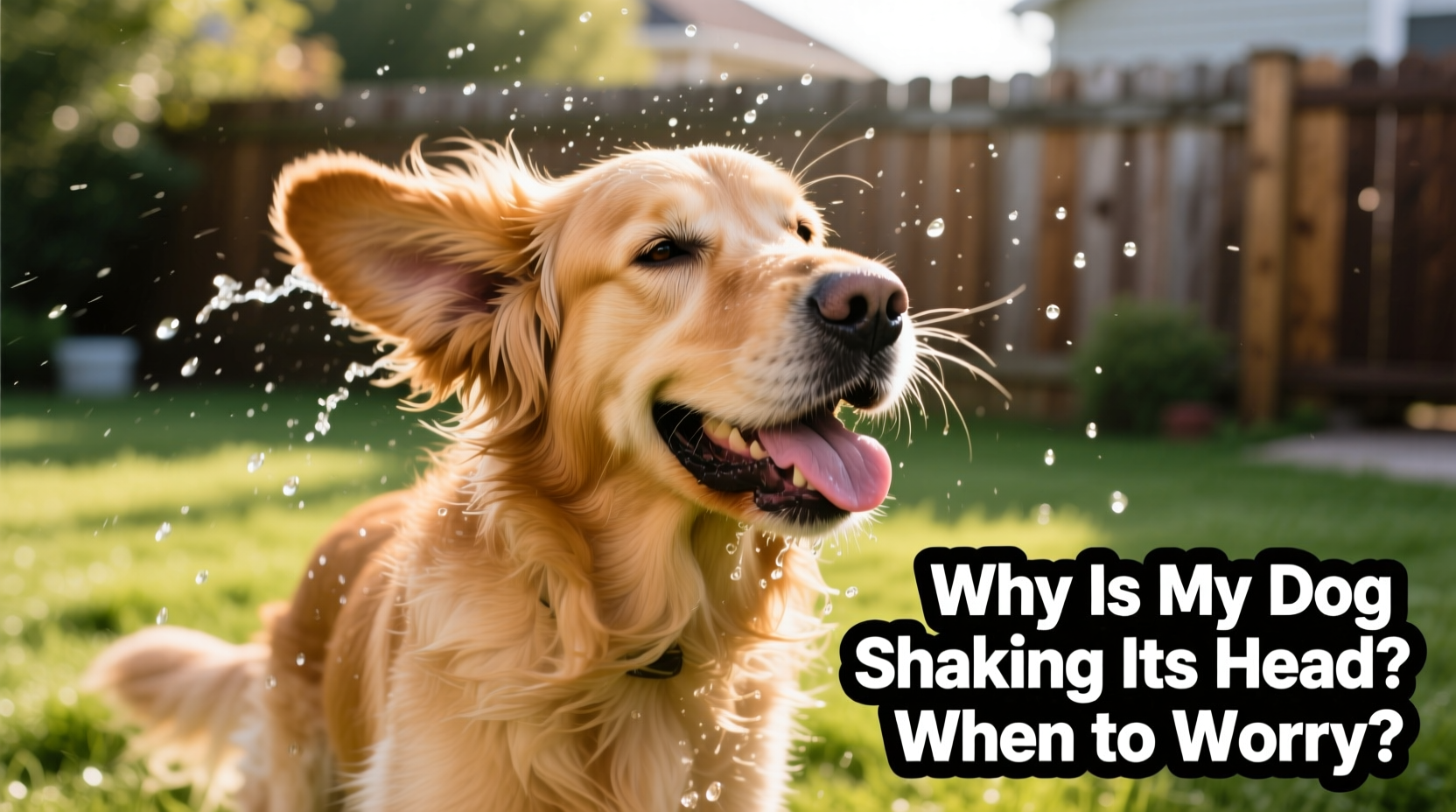
Head shaking is rarely random. It usually stems from irritation, pain, or discomfort in the ears or surrounding areas. The most frequent causes include:
- Ear infections (otitis externa): Bacterial or yeast overgrowth in the ear canal leads to inflammation, itching, and pain.
- Ear mites: Tiny parasites that infest the ear, especially common in puppies and outdoor dogs.
- Foreign bodies: Grass seeds, dirt, or plant awns trapped in the ear canal provoke irritation and violent shaking.
- Allergies: Environmental or food allergies often manifest as ear inflammation and secondary infections.
- Swimmer’s ear: Moisture trapped after swimming creates a breeding ground for bacteria and fungi.
- Aural hematomas: A blood-filled pocket on the ear flap caused by excessive scratching or shaking.
- Polyps or tumors: Less common but possible growths inside the ear canal.
Each of these conditions produces symptoms beyond head shaking, such as redness, odor, discharge, or sensitivity to touch.
Tip: After walks in grassy or wooded areas, gently inspect your dog’s ears for debris or foxtails, especially if they have floppy ears.When to Worry: Red Flags Requiring Immediate Attention
Not all head shaking demands urgent care, but certain signs indicate a serious problem. Watch for:
- Shaking multiple times per hour or persisting for more than 24 hours
- Pawing at the ear frequently
- Foul-smelling discharge (yellow, brown, or bloody)
- Red, swollen, or warm ears
- Lopsided head posture or balance issues
- Loss of hearing or responsiveness to sounds
- Visible swelling on the ear flap
If your dog shows neurological symptoms like circling, vomiting, or disorientation, seek emergency care immediately. These could indicate middle or inner ear infection spreading to critical areas.
“Persistent head shaking is a cry for help. Ignoring it can lead to chronic pain, ruptured eardrums, or surgical intervention.” — Dr. Lena Torres, DVM, Veterinary Otolaryngology Specialist
Step-by-Step Guide: What to Do When Your Dog Shakes Its Head
Follow this practical timeline to assess and address the issue safely:
- Observe frequency and context: Note how often the shaking occurs and whether it follows swimming, grooming, or outdoor activity.
- Inspect the ears visually: Look for redness, swelling, discharge, or visible foreign objects. Do not insert anything into the ear canal.
- Check for odor: A sour, yeasty, or rotten smell often indicates infection.
- Assess pain response: Gently touch the base of the ear. If your dog flinches, whimpers, or pulls away, pain is likely present.
- Review recent activities: Did your dog swim? Roll in tall grass? Eat something new? Allergies and environmental exposure matter.
- Contact your veterinarian: Describe symptoms clearly. They may recommend an exam or prescribe treatment without delay.
- Follow professional guidance: Never use home remedies like vinegar, oil, or hydrogen peroxide without vet approval—they can worsen certain conditions.
Do’s and Don’ts: Managing Ear Health at Home
| Do’s | Don’ts |
|---|---|
| Clean ears with vet-approved solutions during routine care | Insert cotton swabs deep into the ear canal |
| Dry ears thoroughly after swimming or bathing | Use alcohol-based cleaners unless directed by a vet |
| Monitor for early signs of irritation after outdoor play | Delay veterinary visits when symptoms persist beyond a day |
| Manage allergies with diet changes or medication as advised | Allow untreated ear infections to continue hoping they resolve |
| Schedule regular wellness checks including ear exams | Ignore mild shaking if it becomes a recurring habit |
Mini Case Study: Max the Golden Retriever
Max, a 3-year-old golden retriever, began shaking his head violently after a weekend hike. His owner noticed he kept tilting his left ear downward and avoided having it touched. Upon inspection, there was no visible object, but a faint brown discharge appeared at the entrance of the ear canal. Instead of waiting, the owner called the vet, who suspected a grass seed lodged inside. An otoscopic exam confirmed the diagnosis—a foxtail was embedded deep in the ear canal, causing significant inflammation. After safe removal under sedation and a course of antibiotics, Max recovered fully within ten days. This case highlights how prompt action prevents escalation into more invasive procedures.
Prevention Checklist for Healthy Ears
Proactive care reduces the risk of recurrent ear problems. Use this checklist regularly:
- ✅ Clean ears weekly with a vet-recommended solution for high-risk breeds
- ✅ Trim excess hair around ear canals, especially in poodles and spaniels
- ✅ Dry ears after every bath or swim using a soft towel or vet-safe dryer
- ✅ Avoid letting dogs stick their heads out car windows—debris can enter ears
- ✅ Treat allergies promptly to reduce secondary ear inflammation
- ✅ Schedule biannual ear exams, even when no symptoms are present
Frequently Asked Questions
Can I clean my dog’s ears at home?
Yes, but only with a veterinarian-approved ear cleaner. Fill the ear canal, massage the base gently for 20–30 seconds, then let your dog shake. Wipe the outer ear with a cotton ball. Never probe inside the canal.
Is head shaking always related to the ears?
Most often, yes—but occasionally, dental pain, skin allergies behind the ears, or neurological issues can mimic ear-related shaking. A thorough exam is needed to rule out non-ear causes.
Are some breeds more prone to ear problems?
Absolutely. Dogs with floppy ears (Cocker Spaniels, Basset Hounds) or hairy ear canals (Poodles, Schnauzers) are at higher risk due to reduced airflow. Regular maintenance is crucial for these breeds.
Conclusion: Act Early, Prevent Pain
Head shaking is more than just a quirky habit—it’s a potential warning sign of discomfort or illness. By understanding the causes and recognizing when to intervene, dog owners can prevent minor irritations from turning into chronic conditions. Routine ear care, timely veterinary consultations, and awareness of breed-specific risks go a long way in preserving your dog’s comfort and hearing. Don’t wait for symptoms to worsen. If your dog shakes its head repeatedly, investigate, act, and consult a professional. Your dog’s quality of life depends on your vigilance.
💬 Have experience with a dog that shook its head due to an ear issue? Share your story or tips in the comments to help fellow pet owners recognize and respond faster.








