
A swollen paw in dogs is more than just a minor inconvenience—it can signal pain, injury, or an underlying health issue. Left untreated, swelling may lead to lameness, infection, or chronic discomfort. Recognizing the signs early and knowing how to respond can make a significant difference in your dog’s recovery time and overall well-being. This guide explores the most common causes of paw swelling, identifies key symptoms, and provides actionable steps you can take at home and with veterinary support.
Common Causes of Paw Swelling in Dogs
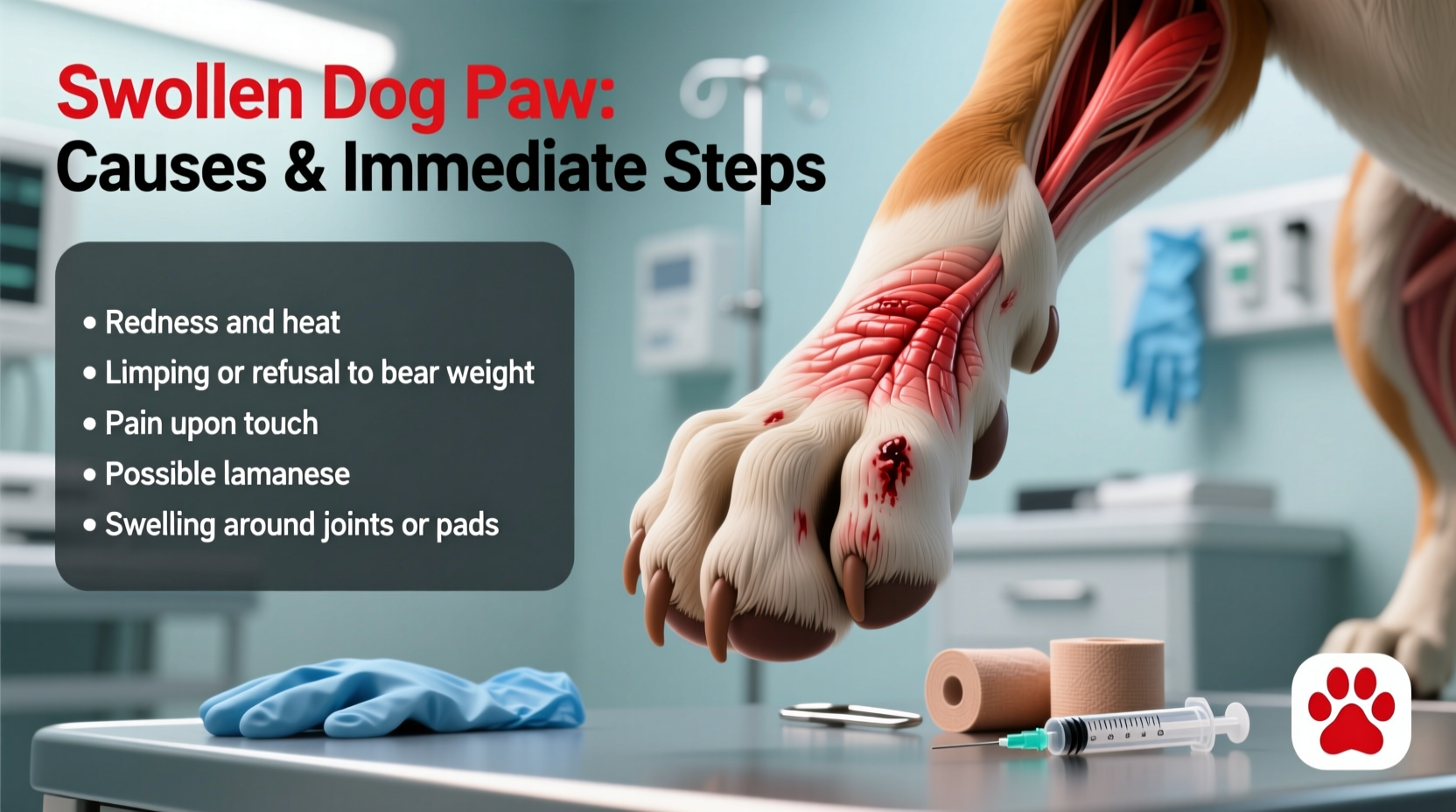
Dog paws endure constant contact with rough terrain, sharp objects, and extreme temperatures. Because of this, they are prone to various injuries and conditions that result in swelling. The root cause determines both the severity and the treatment approach.
- Foreign Objects: Splinters, thorns, grass seeds, or glass fragments can become lodged between the toes or pads, triggering inflammation and infection.
- Cuts and Lacerations: Sharp surfaces or accidents during play can cause open wounds that swell as part of the body’s natural healing response.
- Insect Bites or Stings: Bee stings, spider bites, or ant encounters often lead to sudden swelling, redness, and intense itching.
- Ingrown Nails: Overgrown or broken nails can curl into the paw pad, causing pain and localized swelling.
- Interdigital Cysts: These fluid-filled sacs form between the toes, often due to allergies, infections, or conformation issues in certain breeds.
- Allergic Reactions: Contact with irritants like chemicals, pesticides, or certain plants can cause allergic dermatitis, leading to swollen, itchy paws.
- Arthritis or Joint Inflammation: Older dogs may experience paw swelling due to degenerative joint disease affecting the toe joints.
- Infections: Bacterial or fungal infections—especially in moist environments—can cause redness, odor, and swelling.
- Tumors: Though less common, benign or malignant growths in the paw can present as persistent swelling.
Symptoms That Accompany a Swollen Paw
Swelling is rarely isolated. Pay attention to accompanying behaviors and physical changes that help pinpoint the cause.
| Symptom | Possible Cause | Urgency Level |
|---|---|---|
| Limping or reluctance to bear weight | Injury, fracture, abscess | High – requires vet visit |
| Redness, warmth, pus | Infection or inflammation | Moderate to high |
| Chewing or licking one paw excessively | Allergy, foreign object, cyst | Moderate – monitor closely |
| Foul odor from the paw | Bacterial or yeast infection | Moderate – needs cleaning and possible meds |
| Swelling with no obvious injury | Systemic issue, tumor, autoimmune condition | High – consult vet promptly |
“Persistent paw swelling without trauma should never be ignored. It could indicate deeper pathology such as immune-mediated disease or neoplasia.” — Dr. Laura Simmons, DVM, Small Animal Specialist
What You Should Do: A Step-by-Step Guide
When you notice a swollen paw, timely action can prevent complications. Follow these steps carefully:
- Inspect the Paw Gently: Hold your dog securely and examine each toe, pad, and nail. Look for cuts, embedded objects, cracked nails, or signs of infection.
- Check for Foreign Bodies: Use tweezers (if safe) to remove visible splinters or thorns. Avoid digging deeply if the object is lodged.
- Clean the Area: Rinse with lukewarm water. Use a mild antiseptic solution like diluted chlorhexidine (0.05%) to disinfect. Avoid hydrogen peroxide, which can damage tissue.
- Apply Cold Compress: Wrap an ice pack in a cloth and apply for 10–15 minutes to reduce swelling and pain.
- Limit Activity: Confine your dog to prevent further strain. Avoid long walks or jumping until evaluated.
- Monitor for Changes: Track any increase in swelling, discharge, or behavioral shifts like lethargy or loss of appetite.
- Contact Your Veterinarian: If swelling persists beyond 24 hours, worsens, or is accompanied by pain or fever, schedule an appointment immediately.
Mini Case Study: Bella the Beagle
Bella, a 4-year-old Beagle, began limping after a weekend hike. Her owner noticed her right front paw was noticeably swollen and warm to the touch. Initially assuming it was a minor sprain, he applied a cold compress and restricted activity. After two days with no improvement—and increased licking of the paw—he brought her to the vet. Upon examination, a small foxtail grass seed was found embedded deep between her toes, causing an abscess. The vet removed the foreign body, prescribed antibiotics, and advised anti-inflammatory medication. Within a week, Bella was walking normally again. This case highlights how seemingly minor swelling can conceal serious issues requiring professional intervention.
Do’s and Don’ts When Dealing With a Swollen Paw
| Do’s | Don’ts |
|---|---|
| Inspect the paw thoroughly | Ignore persistent swelling |
| Clean with a gentle antiseptic | Use alcohol or harsh cleaners |
| Apply a cold compress for acute swelling | Let your dog chew or lick the area unchecked |
| Restrict movement to avoid aggravation | Delay veterinary care if symptoms worsen |
| Seek professional help for uncertain cases | Pop cysts or abscesses at home |
When to See a Veterinarian
While some minor swelling resolves with home care, certain situations require prompt veterinary attention:
- Swelling that doesn’t improve within 24–48 hours
- Signs of infection: pus, foul smell, increasing redness
- Limping that worsens or spreads to other limbs
- Vocalization when the paw is touched
- Fever, lethargy, or reduced appetite
- Visible wounds that are deep or won’t stop bleeding
- Suspected fractures or dislocations
Your veterinarian may perform diagnostic tests such as X-rays, cytology, or blood work to determine the underlying cause. Treatment options range from antibiotics and anti-inflammatories to surgical removal of foreign bodies or cysts.
Preventive Measures for Healthy Paws
Proactive care reduces the risk of future paw problems:
- Trim nails regularly to prevent splitting or ingrowth.
- Wipe paws after walks, especially in winter (salt, ice melt) or summer (hot pavement).
- Keep paw hair trimmed to minimize debris trapping.
- Use protective booties on rough or hazardous terrain.
- Address allergies with diet changes or medications if recurrent paw licking occurs.
- Inspect paws weekly as part of routine grooming.
FAQ
Can I give my dog human painkillers for a swollen paw?
No. Medications like ibuprofen or acetaminophen are toxic to dogs and can cause severe organ damage. Always consult your vet before administering any medication.
Is a swollen paw always a sign of infection?
Not always. Swelling can result from trauma, allergies, or arthritis. However, if redness, heat, or discharge develops, infection is likely and veterinary care is needed.
How long does it take for a dog’s swollen paw to heal?
Mild cases may resolve in 2–3 days with proper care. More serious injuries or infections can take 7–14 days or longer, depending on treatment and compliance.
Conclusion: Act Early, Care Consistently
A swollen paw in your dog shouldn’t be dismissed as a temporary annoyance. Whether caused by a tiny thorn or a deeper medical issue, timely observation and appropriate response are crucial. By understanding the potential causes, recognizing warning signs, and knowing when to seek help, you empower yourself to protect your dog’s mobility and comfort. Never underestimate the value of preventive care and regular paw checks—they’re simple habits that can prevent pain and costly treatments down the line.
💬 Have you dealt with a swollen paw in your dog? Share your experience or questions below—your story might help another pet owner act faster.








