When your dog refuses to eat, it’s natural to feel concerned. Dogs are creatures of habit, and a sudden change in eating behavior can signal anything from mild discomfort to serious illness. While skipping a meal occasionally is normal, prolonged loss of appetite requires attention. Understanding the underlying causes—and knowing when and how to respond—can make all the difference in your pet’s health and recovery.
Common Reasons Your Dog May Not Be Eating
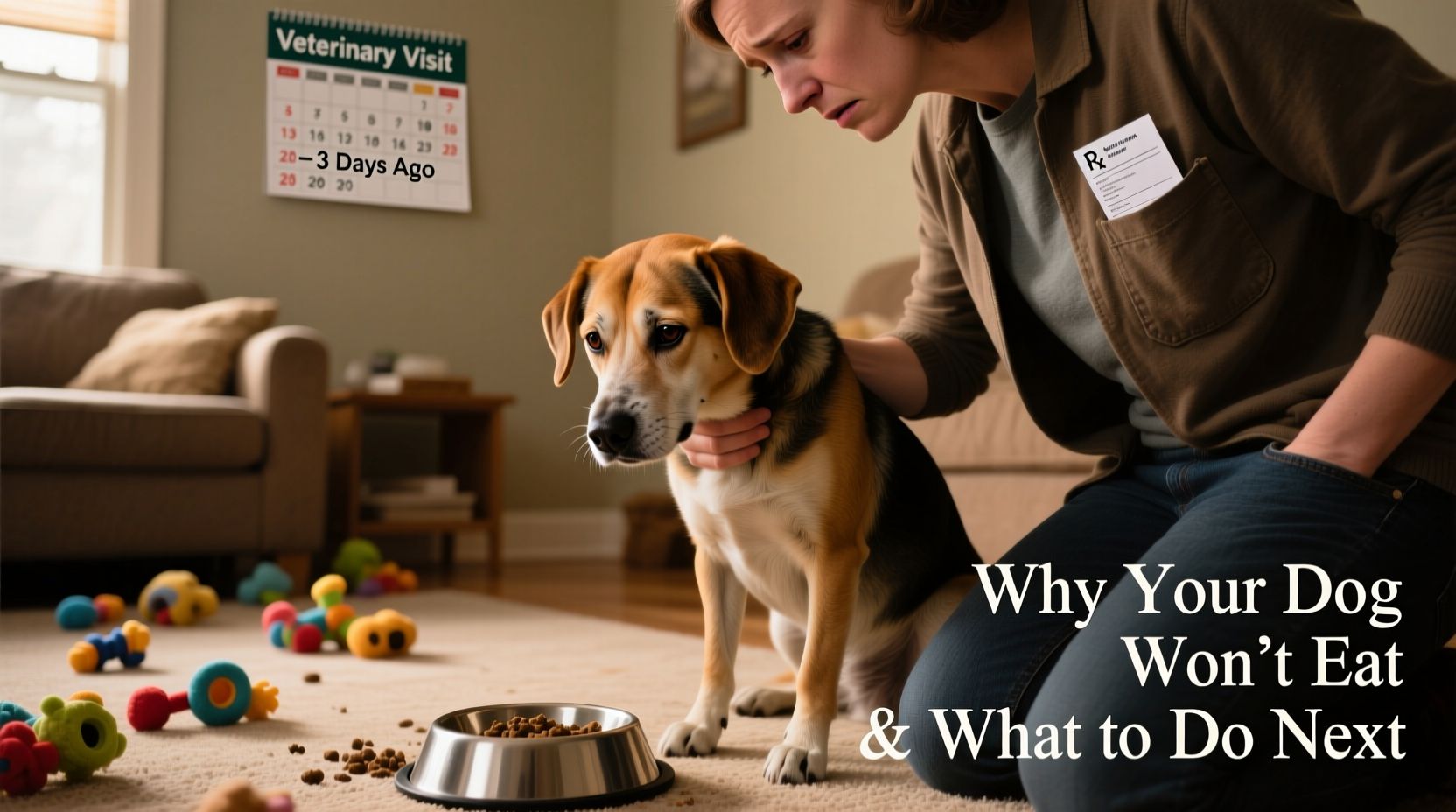
Dogs stop eating for a wide range of reasons, some minor and others more urgent. Identifying potential triggers helps determine whether home care is sufficient or veterinary intervention is needed.
- Dental pain or oral disease: Broken teeth, gum infections, or mouth sores can make chewing painful.
- Gastrointestinal issues: Nausea, stomach upset, or intestinal blockages often lead to appetite loss.
- Infections or systemic illness: Conditions like kidney disease, liver problems, or pancreatitis reduce hunger.
- Medication side effects: Some drugs alter taste or cause nausea, suppressing appetite.
- Environmental stress: Moving homes, new pets, loud noises, or routine changes can trigger anxiety-related fasting.
- Picky eating habits: Especially in certain breeds, dogs may refuse food if it doesn’t meet their preferences.
- Aging: Older dogs often experience decreased metabolism and sense of smell, reducing interest in food.
When to Worry: Red Flags That Require Immediate Attention
Not every skipped meal demands an emergency vet visit, but certain symptoms should never be ignored. The longer a dog goes without eating—especially when combined with other warning signs—the greater the risk of complications such as hepatic lipidosis (fatty liver disease), particularly in overweight dogs.
“Anorexia in dogs lasting over 24 hours, especially with vomiting or lethargy, warrants prompt veterinary evaluation.” — Dr. Lena Torres, DVM, Small Animal Internal Medicine Specialist
Seek immediate care if your dog shows any of the following:
- Vomiting or diarrhea lasting more than 12 hours
- Visible abdominal pain or bloating
- Lethargy or weakness
- Excessive drooling or difficulty swallowing
- Weight loss over consecutive days
- Signs of dehydration (dry gums, sunken eyes, skin that tents when pinched)
Step-by-Step Guide: What to Do If Your Dog Won’t Eat
If your dog skips a meal, stay calm and follow this structured approach to assess and respond appropriately.
- Observe closely for 12–24 hours. Note behavior, energy levels, bathroom habits, and any attempts to eat treats despite refusing meals.
- Check the food and feeding environment. Is the kibble stale? Has the brand recently changed? Ensure the bowl is clean and the area quiet and stress-free.
- Offer a bland diet. Try boiled chicken and white rice in small portions. This is gentle on the stomach and often more appealing.
- Warm the food slightly. Heating enhances aroma, which can stimulate appetite, especially in older dogs with diminished smell.
- Introduce high-value toppers. Add low-sodium broth, canned pumpkin (not pie filling), or a spoonful of plain yogurt to make meals more enticing.
- Contact your veterinarian. If there's no improvement after 24 hours or if symptoms develop, schedule an exam.
Do’s and Don’ts When Your Dog Loses Appetite
| Do’s | Don’ts |
|---|---|
| Monitor hydration and offer fresh water frequently | Force-feed without understanding the cause |
| Try warming food to enhance smell | Give human medications like ibuprofen or acetaminophen |
| Offer small, frequent meals instead of large portions | Ignore persistent refusal lasting beyond 48 hours |
| Use vet-approved appetite stimulants if recommended | Switch foods abruptly during illness |
| Keep a symptom journal (vomiting, stool changes, activity level) | Panic or assume the worst immediately—some causes are temporary |
Real Example: Max, the Poodle Who Stopped Eating After a Move
Max, a 5-year-old standard poodle, refused food for two days after his family relocated across states. His owners initially assumed he was being picky. But when he began hiding under furniture and avoiding walks, they grew concerned. A vet visit revealed elevated stress markers but no physical illness. The veterinarian suggested maintaining a consistent feeding schedule, using food puzzles to create positive associations, and introducing calming supplements with L-theanine. Within three days of implementing these changes—and returning to a familiar brand of food—Max resumed eating normally. This case highlights how environmental stress alone can disrupt appetite, even in otherwise healthy dogs.
Tip: Food puzzles and slow-feed bowls can reignite interest in eating by turning meals into engaging activities.Home Remedies and Appetite Boosters That Work
Before resorting to medication, several safe, vet-approved strategies can encourage eating:
- Canned dog food: Higher moisture and stronger scent often appeal to reluctant eaters.
- Rotisserie chicken (no seasoning): A common favorite that’s easy to digest.
- Broth toppers: Low-sodium bone or chicken broth poured over kibble adds flavor and encourages hydration.
- Probiotics: Supplements like FortiFlora can support gut health and improve digestion, indirectly boosting appetite.
- Appetite stimulants: Medications like mirtazapine, prescribed by a vet, are highly effective for short-term use.
Always introduce new foods gradually, especially if gastrointestinal upset is suspected.
Frequently Asked Questions
How long can a dog go without eating?
Healthy adult dogs can survive up to five days without food, provided they stay hydrated. However, going more than 48 hours without eating is medically concerning and should prompt a vet visit. Puppies, seniors, and dogs with chronic conditions should never skip meals for more than 24 hours.
Why is my dog eating treats but not meals?
This often indicates mild nausea, dental discomfort, or food fatigue. Treats are typically more aromatic and softer, making them easier to consume. It may also reflect behavioral preference. However, if this pattern persists beyond a day or two, consult your vet to rule out underlying issues.
Can anxiety really make a dog stop eating?
Yes. Dogs are sensitive to changes in routine, household dynamics, or environment. Separation anxiety, fear of loud noises (like thunderstorms or fireworks), or the arrival of a new pet can suppress appetite. Creating a calm feeding space and using pheromone diffusers (like Adaptil) may help restore normal eating patterns.
Action Plan Checklist
Use this checklist to systematically address your dog’s loss of appetite:
- ☐ Observe for 12–24 hours for additional symptoms
- ☐ Check food freshness and feeding environment
- ☐ Offer warmed bland food (e.g., boiled chicken and rice)
- ☐ Try adding low-sodium broth or canned food to kibble
- ☐ Monitor water intake and bathroom habits
- ☐ Contact your veterinarian if no improvement in 24–48 hours
- ☐ Keep a written log of symptoms and behaviors for the vet
Conclusion
A dog not eating is a signal—not just a behavior. Whether due to illness, stress, or simple pickiness, the response should be thoughtful and timely. Most cases resolve with minor adjustments, but delaying care in serious situations can lead to rapid decline. By staying observant, acting proactively, and partnering with your veterinarian when needed, you can ensure your dog returns to healthy eating habits safely.
💬 Has your dog ever stopped eating unexpectedly? Share your experience and what worked—your story could help another pet owner navigate a tough moment.








