
For owners of small dog breeds, the choice between a harness and a collar isn’t just about style or convenience—it can be a matter of health and safety. Breeds like Chihuahuas, Pomeranians, Yorkshire Terriers, and Maltese are genetically predisposed to tracheal weakness, a condition that makes their windpipes vulnerable to collapse under pressure. When a leash is attached to a traditional neck collar, even a brief tug or excited pull can compress the delicate trachea, leading to long-term damage or life-threatening episodes. Understanding the risks and making informed decisions about walking gear is one of the most important things you can do to protect your small dog’s respiratory health.
The Anatomy of Tracheal Vulnerability in Small Dogs
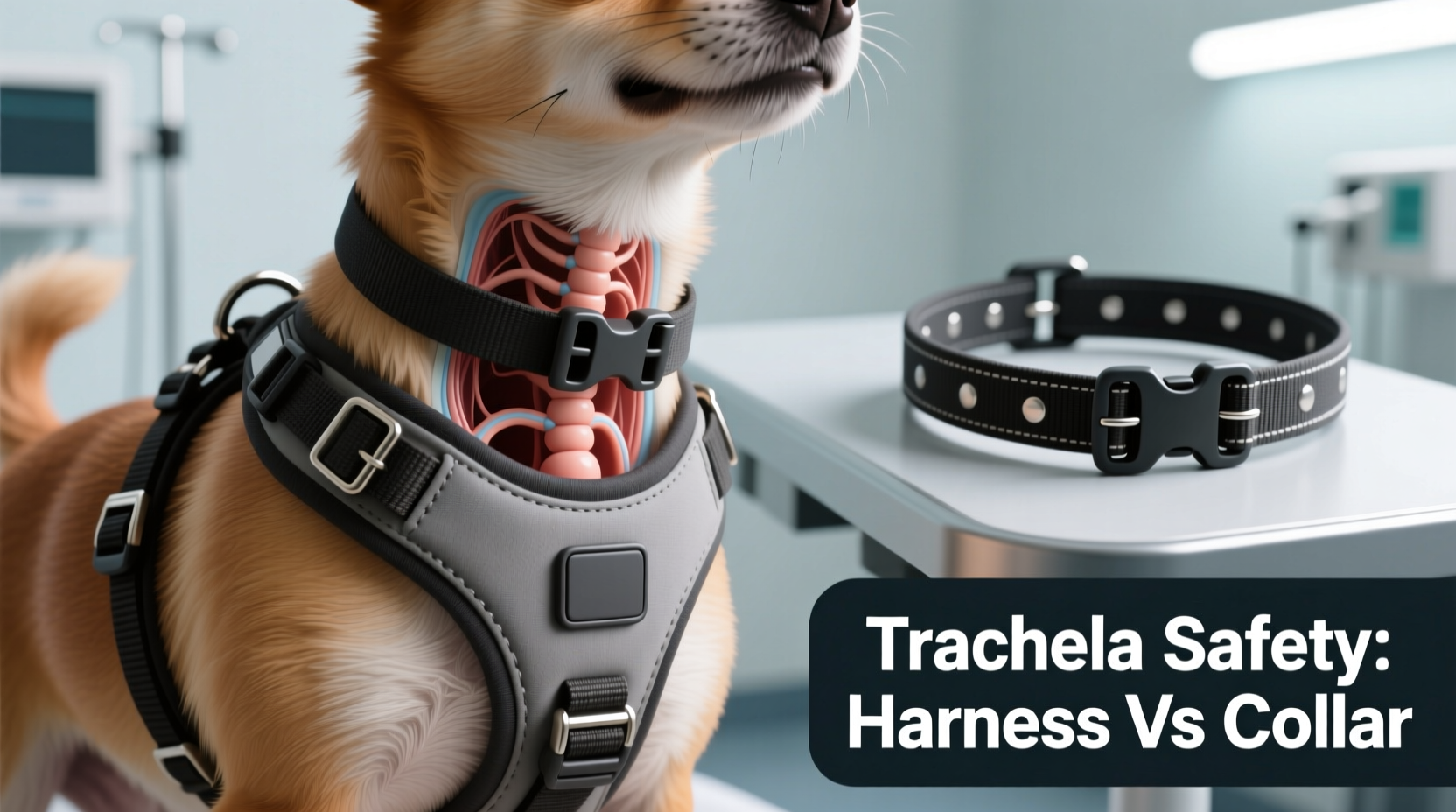
The trachea, or windpipe, is a tube made of cartilage rings and soft tissue that carries air from the throat to the lungs. In many toy and small breeds, these cartilage rings are naturally weaker or malformed—a condition known as tracheal collapse. This structural fragility means that external pressure on the neck, such as from a collar during pulling or sudden jerks, can flatten or partially close the airway. Symptoms include honking coughs, labored breathing, gagging, and in severe cases, cyanosis (blue gums) due to oxygen deprivation.
Tracheal collapse is progressive. Repeated trauma from collar use accelerates deterioration, turning occasional coughing into chronic respiratory distress. Veterinarians consistently warn against applying direct pressure to the necks of at-risk breeds. According to Dr. Linda Osborne, a board-certified veterinary internal medicine specialist:
“Using a neck collar on a small breed dog with any degree of tracheal weakness is like asking for trouble. The forces generated during normal walks—especially if the dog gets excited—can exceed what the trachea can safely withstand.” — Dr. Linda Osborne, DACVIM
Harness vs Collar: A Direct Comparison for Tracheal Safety
The fundamental difference between a harness and a collar lies in where force is applied during walks. A collar rests around the neck, concentrating tension directly over the trachea and cervical spine. A well-designed harness distributes pressure across the chest and shoulders—areas better equipped to handle physical stress without compromising vital organs.
To illustrate the contrast, consider the following comparison:
| Feature | Neck Collar | Dog Harness |
|---|---|---|
| Pressure Location | Concentrated on neck and trachea | Distributed across chest and shoulders |
| Risk of Tracheal Compression | High—especially during pulling | Minimal when properly fitted |
| Suitability for Small Breeds | Poor—discouraged by vets | Excellent—recommended standard |
| Control During Walks | Limited; encourages pulling | Better; discourages forward strain |
| Identification Attachment | Direct (tags on collar) | Requires secondary solution (tag line or ID on harness) |
This table underscores why modern veterinary guidelines favor harnesses for small dogs. While collars may seem simpler, they pose significant physiological risks that far outweigh convenience.
Tip: Always attach the leash to the harness’s dorsal (back) ring, not the front chest clip, unless using a no-pull training model. Back-clip harnesses reduce twisting and provide smoother control.Choosing the Right Harness for Tracheal Protection
Not all harnesses are created equal. Some designs still allow excessive pressure on the throat or restrict natural movement. To maximize tracheal safety, select a harness based on three key criteria: fit, material, and design.
- Fit: The harness should be snug but not tight—two fingers should fit comfortably between the straps and your dog’s body. Loose harnesses can slip and create friction; overly tight ones restrict breathing and shoulder motion.
- Material: Opt for padded, breathable fabrics like neoprene or mesh. Avoid rough nylon that can chafe sensitive skin, especially behind the legs and under the armpits.
- Design: Look for Y-shaped or H-style harnesses that route straps around the chest rather than across the neck. Avoid “half-harness” styles that combine a collar with a single strap—these still apply neck pressure.
Popular vet-recommended brands include the PetSafe Easy Walk, Rabbitgoo Soft Mesh Harness, and Kurgo Tru-Fit. These models feature adjustable straps, reflective stitching for visibility, and secure buckles that won’t loosen during activity.
Real-World Example: Bella the Pomeranian
Bella, a 5-year-old Pomeranian from Portland, began coughing after routine walks. Her owner initially dismissed it as a seasonal allergy. But when Bella collapsed after lunging at a squirrel—her gums turning blue—she was rushed to an emergency clinic. Diagnostics revealed moderate tracheal collapse, likely worsened by years of walking with a collar. Her vet immediately prescribed a switch to a front-clip harness, weight management, and anti-inflammatory medication.
Within six weeks of consistent harness use and reduced leash tension, Bella’s coughing decreased by 80%. Her follow-up X-ray showed stabilized cartilage rings. “I had no idea something as simple as a collar could cause this,” her owner said. “Now I tell every small dog owner I meet: skip the collar, go straight to a harness.”
When Is a Collar Acceptable? Practical Exceptions
While harnesses are superior for walks, collars still serve limited but important roles:
- ID Tags: Even harness users should have a lightweight, breakaway collar with up-to-date tags. In emergencies, rescuers expect to find identification on the neck.
- Medical Alerts: If your dog has a condition like tracheal collapse, a medical ID tag on the collar can inform strangers or first responders.
- Grooming or Vet Visits: Some clinics prefer collars for quick handling. Use only during short durations and avoid attaching leashes to them.
The key is separation of function: collars for identification, harnesses for walking. Never use a collar as the primary attachment point for a leash if your dog is prone to respiratory issues.
Step-by-Step Guide: Transitioning from Collar to Harness
If your small dog has always worn a collar, switching to a harness may require patience. Follow these steps to ensure a smooth transition:
- Day 1–2: Introduce Off-Leash – Let your dog wear the harness indoors with treats and praise. No leash attached. Goal: associate harness with positive experiences.
- Day 3–4: Add Leash Indoors – Attach the leash and walk around the house. Gently guide, but don’t pull. Reward calm behavior.
- Day 5–6: Short Yard Sessions – Move to a fenced yard. Practice commands like “come” and “stop” using the harness.
- Day 7: First Outdoor Walk – Choose a quiet time and location. Keep walks short (5–10 minutes). Watch for signs of discomfort or restricted breathing.
- Ongoing: Monitor Fit and Behavior – Check for rubbing or chafing weekly. Adjust straps as needed. Replace the harness if stitching weakens or padding compresses.
Most dogs adapt within a week. For anxious pets, pair each stage with high-value treats like freeze-dried liver or peanut butter (xylitol-free).
Frequently Asked Questions
Can tracheal collapse be reversed?
No, tracheal collapse is irreversible. However, its progression can be slowed or stabilized through lifestyle changes—including switching to a harness, maintaining a healthy weight, avoiding smoke or allergens, and managing excitement during walks.
Is a no-pull harness better than a standard harness?
For dogs that lunge or pull aggressively, yes. Front-clip no-pull harnesses gently steer the dog sideways when they pull, discouraging forward momentum without choking. However, some dogs may need time to adjust to the steering effect. Start with a back-clip model if your dog is sensitive.
Should I use a harness even if my dog doesn’t show symptoms?
Absolutely. Many small breeds develop tracheal issues later in life. Preventative use of a harness reduces cumulative stress on the trachea. Think of it as insurance for your dog’s respiratory health.
Checklist: Choosing a Trachea-Safe Walking System
- ✅ Replace neck-only leash attachment with a chest-and-shoulder harness
- ✅ Select a harness with wide, padded straps to distribute pressure
- ✅ Ensure the harness does not ride up over the neck or press on the throat
- ✅ Use a lightweight collar solely for ID tags (breakaway style preferred)
- ✅ Avoid retractable leashes—they encourage pulling and sudden yanks
- ✅ Schedule annual vet checks to monitor tracheal health, especially after age 4
Conclusion: Prioritize Long-Term Health Over Habit
The shift from collar to harness is more than a trend—it’s a necessary evolution in small dog care. With growing awareness of breed-specific vulnerabilities, responsible ownership means re-evaluating traditions that once seemed harmless. Every time your dog pulls on a collar, microscopic damage accumulates in their trachea. Over months or years, that adds up to real suffering.
You don’t need to wait for symptoms to act. By choosing a well-fitted harness today, you’re investing in your dog’s ability to breathe easily tomorrow. Make the switch, spread the word, and help normalize trachea-safe walking practices across the small dog community.
💬 Your dog’s health matters—share this knowledge. Forward this article to a fellow small dog owner or leave a comment with your harness recommendations and experiences.








