
Dog eye swelling is a common concern among pet owners and can range from mild irritation to a serious medical emergency. Swelling may affect one or both eyes and can involve the eyelids, surrounding tissues, or the eyeball itself. While some cases resolve with basic home care, others require immediate veterinary attention. Understanding the underlying causes, recognizing warning signs, and knowing the appropriate response can make a critical difference in your dog’s comfort and long-term eye health.
Common Causes of Dog Eye Swelling
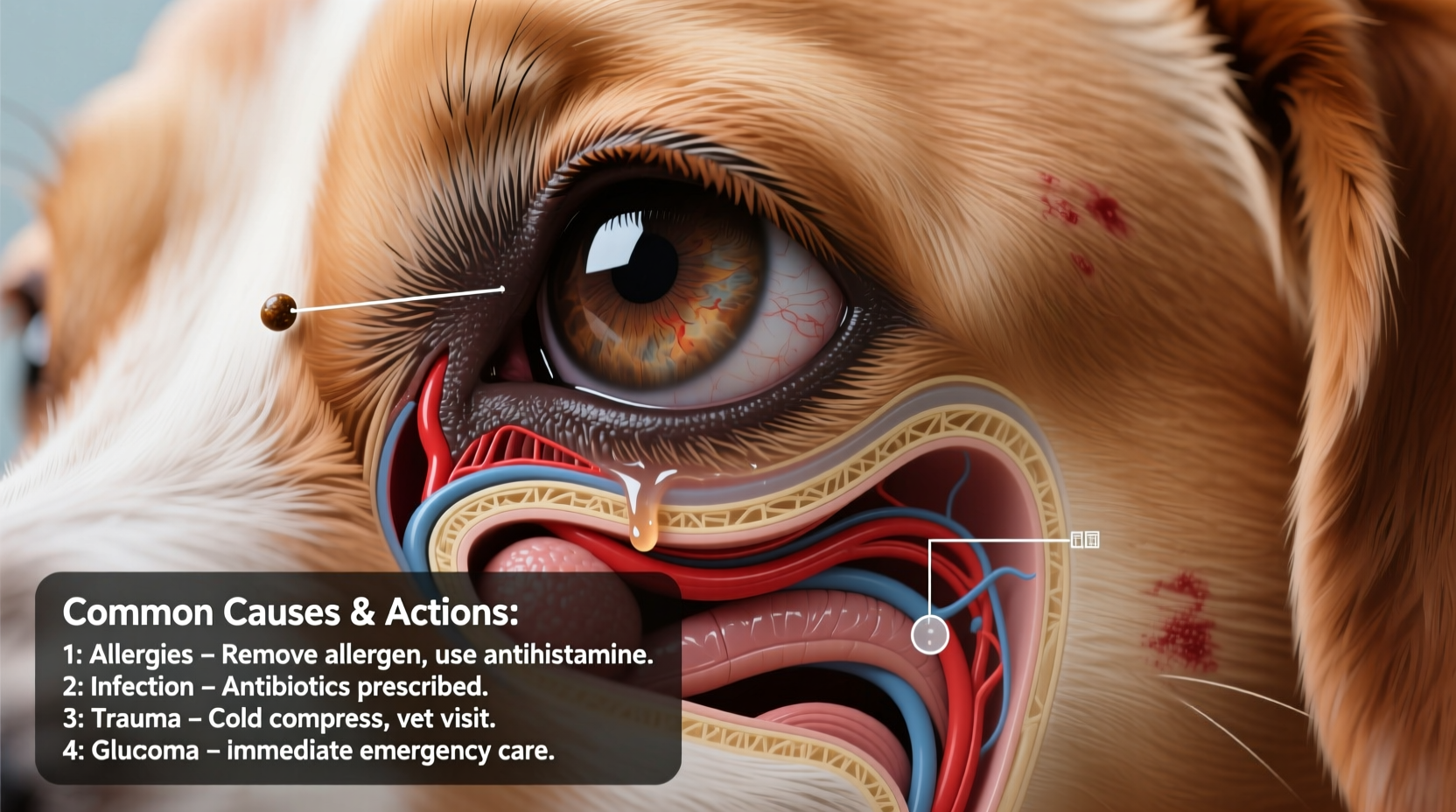
Eye swelling in dogs can stem from a variety of sources, including infections, trauma, allergies, and systemic diseases. Identifying the root cause is essential for proper treatment.
- Allergies: Environmental allergens like pollen, dust, or mold, as well as food sensitivities, can trigger inflammation around the eyes.
- Conjunctivitis: Also known as \"pink eye,\" this infection or inflammation of the conjunctiva often results in redness, discharge, and swollen eyelids.
- Corneal Ulcers: Scratches or abrasions on the surface of the eye can lead to pain, squinting, and noticeable swelling.
- Glaucoma: Increased pressure within the eye causes bulging, cloudiness, and significant swelling—this is a medical emergency.
- Orbital Abscess or Infection: Bacterial infections behind the eye can cause severe swelling and protrusion of the eyeball.
- Trauma: Blunt force, fights with other animals, or foreign objects (like grass seeds) can damage eye tissue and provoke swelling.
- Entropion: A genetic condition where the eyelid rolls inward, causing irritation and chronic swelling.
- Insect Bites or Stings: A bee sting near the eye can cause rapid, localized swelling due to an allergic reaction.
When to Seek Veterinary Care
Not all eye swelling requires urgent vet intervention, but certain symptoms should never be ignored. Delaying treatment for conditions like glaucoma or corneal ulcers can result in permanent vision loss.
“Any sudden change in eye appearance, especially with pain or vision impairment, warrants immediate veterinary evaluation.” — Dr. Laura Simmons, DVM, Veterinary Ophthalmologist
Seek prompt veterinary attention if your dog shows any of the following:
- Sudden or severe swelling
- Bulging of the eye (proptosis)
- Cloudiness or change in eye color
- Pawing at the eye or keeping it tightly closed
- Discharge that is yellow, green, or bloody
- Lack of responsiveness to light
- Behavioral changes such as lethargy or aggression due to pain
Step-by-Step Guide: What to Do at Home Before the Vet Visit
If your dog develops eye swelling, follow these steps to minimize discomfort and prevent worsening before professional care:
- Stay Calm and Restrain Gently: Prevent your dog from pawing at the eye by using an Elizabethan collar (cone) if available.
- Avoid Touching the Eye: Do not attempt to remove foreign objects or apply ointments unless instructed by a vet.
- Rinse with Saline Solution: If there’s visible debris, flush the eye gently with sterile saline solution (available at pharmacies).
- Apply a Cold Compress: Use a clean cloth soaked in cool water to reduce swelling. Apply for 5–10 minutes at a time.
- Document Symptoms: Take notes or photos of the swelling, discharge, and behavior to share with the vet.
- Transport Safely: Bring your dog to the clinic calmly—avoid bright lights and keep the environment quiet.
Diagnosis and Veterinary Treatment Options
Veterinarians use a combination of physical examination and diagnostic tools to determine the cause of eye swelling. Common procedures include:
- Fluorescein Stain Test: Detects corneal ulcers by highlighting scratches with a fluorescent dye.
- Tear Production Test (Schirmer Tear Test): Measures tear output to rule out dry eye.
- Intraocular Pressure Measurement: Checks for glaucoma using a tonopen.
- Ultrasound or CT Scan: Used if an orbital abscess or tumor is suspected.
Treatment depends on the diagnosis:
| Condition | Treatment Approach | Prognosis |
|---|---|---|
| Conjunctivitis | Antibiotic or antiviral eye drops | Excellent with early treatment |
| Corneal Ulcer | Topical antibiotics, pain relief, protective collar | Good if treated promptly; deep ulcers may require surgery |
| Glaucoma | Pressure-lowering medications, possible surgery | Poor if advanced; early detection improves outcome |
| Orbital Abscess | Drainage, antibiotics, sometimes surgery | Good with timely intervention |
| Allergic Reaction | Antihistamines, steroids, allergen avoidance | Excellent once triggers are managed |
Prevention Tips and Long-Term Care
While not all causes of eye swelling can be prevented, proactive care significantly reduces risks.
Tip: Regularly check your dog’s eyes during grooming sessions—early detection leads to faster recovery.Follow this checklist to maintain your dog’s eye health:
- Trim hair around the eyes in long-haired breeds to prevent irritation.
- Clean eye corners gently with a damp cotton ball if discharge accumulates.
- Avoid exposing your dog to smoke, strong perfumes, or dusty environments.
- Use dog-safe shampoo and rinse thoroughly during baths to prevent eye exposure.
- Schedule annual wellness exams, including ocular checks.
- Address chronic conditions like dry eye or entropion early with veterinary guidance.
Mini Case Study: Max, the Golden Retriever
Max, a 4-year-old Golden Retriever, woke up with a severely swollen left eye after a hike. His owner noticed he was squinting and avoiding light. Initially assuming it was a bug bite, she applied a cold compress. When swelling worsened by afternoon, she took him to the vet. Diagnosis: a corneal ulcer caused by a grass awn. After fluorescein staining confirmed the injury, Max received antibiotic ointment and a cone. Within five days, healing was evident. This case highlights the importance of not dismissing eye swelling—even seemingly minor incidents can mask serious issues.
Frequently Asked Questions
Can I use human eye drops for my dog?
No. Human eye drops may contain ingredients toxic to dogs or inappropriate for their condition. Always consult your vet before administering any medication.
Is dog eye swelling contagious?
It can be—if caused by infectious conjunctivitis. Viral or bacterial forms may spread between dogs through direct contact. Isolate affected pets and practice good hygiene.
How long does it take for dog eye swelling to go down?
Mild allergic swelling may improve within 24 hours with treatment. Infections or injuries may take several days to a week. Persistent swelling beyond 48 hours requires veterinary evaluation.
Conclusion: Act Early, Protect Your Dog’s Vision
Dog eye swelling is more than just a cosmetic issue—it can signal pain, infection, or vision-threatening conditions. While home care can provide temporary relief, professional diagnosis is crucial for effective treatment. By staying alert to changes in your dog’s eyes and acting quickly, you protect not only their comfort but also their long-term quality of life. Routine monitoring, preventive care, and prompt veterinary visits form the foundation of healthy canine eyesight.
💬 Have you dealt with dog eye swelling? Share your experience or questions below—your story could help another pet owner act in time.








