
Dogs do many things that puzzle their owners—chasing their tails, tilting their heads at odd sounds, and yes, eating grass. If your dog regularly grazes on lawn like a cow, you're not alone. In fact, studies suggest that over 70% of dogs consume grass at least occasionally, with many doing so on a near-daily basis. While this behavior often triggers concern among pet owners, the truth is that in most cases, grass-eating is completely normal. However, there are situations where it may signal an underlying issue. Understanding the reasons behind this habit—and knowing when to act—is essential for responsible pet care.
Why Do Dogs Eat Grass?
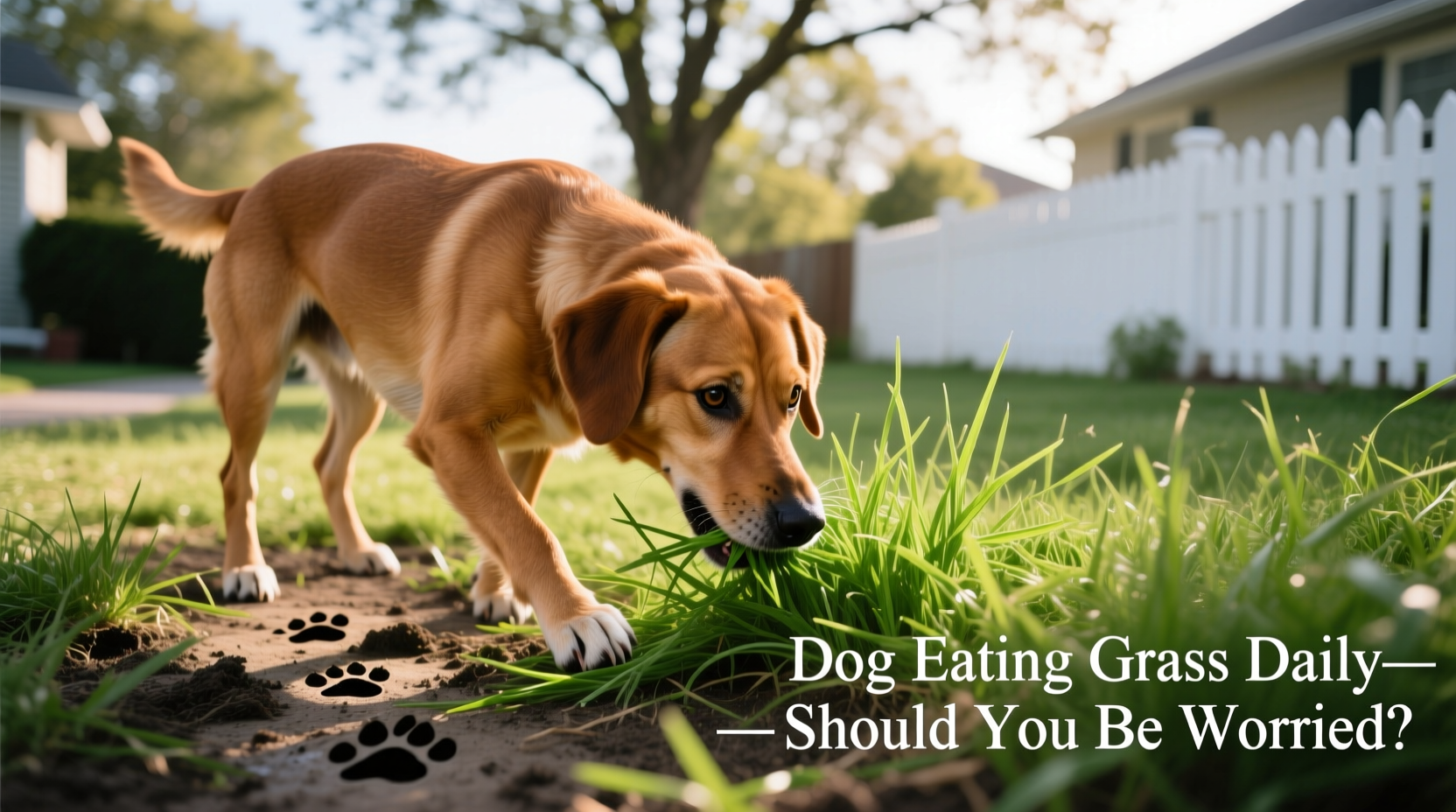
The exact reason dogs eat grass remains a topic of discussion among veterinarians and animal behaviorists, but several well-supported theories explain the behavior. Most experts agree that it's rarely a sign of serious illness and more often a natural instinct or mild dietary supplement.
One of the most widely accepted explanations is that dogs eat grass as part of their ancestral heritage. Wild canines, such as wolves and coyotes, often consume plant material found in the stomachs of their prey. Over time, this exposure may have led domesticated dogs to develop a natural inclination toward vegetation. Even without hunting, modern dogs retain some of these instincts, leading them to nibble on grass during walks or in the backyard.
Another theory suggests that dogs use grass as a digestive aid. Some dogs appear to eat grass when they have an upset stomach, possibly to induce vomiting if they feel unwell. However, research shows that only about 25% of dogs actually vomit after eating grass, and even fewer show signs of illness beforehand. This indicates that while self-medication might occur in isolated cases, it’s not the primary motivation for most dogs.
Nutritional needs may also play a role. Though commercial dog foods are formulated to meet all dietary requirements, some dogs may seek out fiber or micronutrients not fully satisfied by kibble. Grass provides a source of roughage, which can support healthy digestion and bowel movements. In this context, grass consumption functions similarly to how humans might crave certain foods when feeling deficient in specific nutrients—even if the craving isn't directly linked to actual deficiency.
Tip: Observe your dog’s behavior before and after grass consumption. If they seem relaxed and show no signs of distress, it's likely a harmless habit.When Grass-Eating Becomes a Concern
While occasional or daily grass eating is typically benign, certain patterns warrant closer attention. The key is not the act itself, but the context in which it occurs. Behavioral changes, physical symptoms, or obsessive habits can indicate something more than simple curiosity.
One red flag is frequent vomiting shortly after consuming grass. While an isolated incident may be coincidental, repeated episodes could point to gastrointestinal irritation, food intolerance, or chronic conditions like inflammatory bowel disease (IBD). Similarly, if your dog appears lethargic, refuses food, has diarrhea, or shows signs of abdominal pain, grass eating might be a symptom rather than a standalone behavior.
Obsessive grass consumption—where a dog seems fixated on finding and eating grass, even to the point of ignoring commands or becoming aggressive around lawn areas—can indicate anxiety, boredom, or compulsive disorder. Like pacing or licking paws excessively, this may require behavioral intervention or environmental enrichment.
Another major concern involves exposure to toxic substances. Lawns treated with pesticides, herbicides, or fertilizers can make grass dangerous for dogs. These chemicals can cause poisoning, leading to symptoms such as drooling, tremors, difficulty breathing, or seizures. Additionally, grass in public parks or along roadsides may be contaminated with urine from other animals, feces, or pollutants, increasing the risk of parasitic infections like hookworms or giardia.
“Grass eating in dogs is usually normal, but we become concerned when it’s excessive, accompanied by vomiting, or occurs in environments with chemical exposure.” — Dr. Laura Chen, DVM, Board-Certified Veterinary Behaviorist
Safe vs. Unsafe Grass: What You Need to Know
Not all grass is created equal. The safety of grass consumption depends largely on what’s been applied to it and where it grows. Below is a comparison of safe and unsafe conditions for canine grass eating.
| Condition | Safe for Dogs? | Risks |
|---|---|---|
| Untreated organic lawn (no chemicals) | ✅ Yes | Minimal; ensure free of animal waste |
| Grass treated with weed killer or fertilizer | ❌ No | Chemical toxicity, GI upset, organ damage |
| Park grass with unknown maintenance | ⚠️ Use caution | Pesticides, parasites, bacteria |
| Grass near busy roads | ❌ No | Pollution, heavy metals, vehicle fluids |
| Homegrown wheatgrass or oat grass (pet-safe) | ✅ Yes | None if grown cleanly |
If you want to allow your dog to eat grass safely, consider growing a small patch of pet-friendly grass indoors or in a designated yard area. Wheatgrass, barley grass, or oat grass are non-toxic options that provide a controlled, clean alternative. These can be grown in pots using organic soil and watered without chemical additives.
Step-by-Step Guide to Managing Daily Grass Consumption
If your dog eats grass every day and you're unsure whether it's safe or appropriate, follow this practical timeline to assess and manage the behavior:
- Observe the Pattern (Days 1–3): Note when, where, and how much grass your dog consumes. Is it during walks? After meals? Does it happen more on certain days?
- Monitor for Symptoms (Ongoing): Watch for vomiting, diarrhea, coughing, lethargy, or changes in appetite. Keep a log if symptoms arise.
- Inspect the Environment (Day 4): Check your yard and common walk routes for signs of chemical treatment. Ask neighbors or local authorities about pesticide use in public spaces.
- Evaluate Diet (Day 5): Review your dog’s current food. Is it high in fiber? Does it contain fillers or artificial ingredients? Consult your vet about potential nutritional gaps.
- Introduce Alternatives (Day 6): Offer safe greens like steamed broccoli, spinach, or a small amount of pure pumpkin. Consider adding a fiber supplement approved by your vet.
- Schedule a Vet Visit (Day 7–10): If the behavior is obsessive or paired with health issues, schedule a check-up. Blood work, stool tests, or dietary adjustments may be recommended.
Mini Case Study: Bella, the Labrador Who Loved Grass
Bella, a three-year-old yellow Labrador, began eating grass daily during her morning walks. Her owner, Sarah, noticed she would bend down and graze for several minutes, sometimes returning for seconds. Initially unconcerned, Sarah became worried when Bella started vomiting once a week. She recorded videos of the behavior and brought them to her veterinarian.
After reviewing Bella’s diet and environment, the vet discovered that the neighborhood park where they walked was routinely sprayed with a broad-spectrum herbicide. Though invisible to the eye, residue remained on the grass. The vet advised switching to untreated trails and introduced a high-fiber dog food to reduce Bella’s urge to seek roughage elsewhere.
Within two weeks, Bella’s grass consumption decreased by half, and the vomiting stopped entirely. The case highlighted how environmental factors—not instinct alone—can influence seemingly harmless behaviors.
Checklist: Is Your Dog’s Grass-Eating Safe?
- ☐ Grass is free of pesticides, fertilizers, and herbicides
- ☐ Dog does not vomit regularly after eating grass
- ☐ No signs of diarrhea, weight loss, or lethargy
- ☐ Behavior is casual, not obsessive or frantic
- ☐ Yard and walking areas are cleaned of animal waste
- ☐ Diet includes adequate fiber and balanced nutrition
- ☐ Dog has had recent veterinary check-up
Frequently Asked Questions
Can eating grass make my dog sick?
Grass itself is not toxic, but if it’s treated with chemicals or contaminated with parasites, it can lead to illness. Always ensure your dog consumes grass from clean, safe sources. If your dog vomits frequently after eating grass or shows other signs of sickness, consult your vet.
Should I stop my dog from eating grass?
Not necessarily. If your dog eats grass casually and shows no adverse effects, there’s no need to intervene. However, if the behavior becomes compulsive or occurs in unsafe environments, redirection or dietary adjustment may help.
Are there safe alternatives to outdoor grass?
Yes. Growing pet-safe indoor grass like wheatgrass or barley grass gives dogs a clean, controlled option. These can be purchased as kits and grown in small containers on a windowsill. Just avoid letting your dog confuse them with houseplants, many of which are toxic.
Conclusion: Balancing Instinct and Safety
Dogs eating grass daily is generally a normal, harmless behavior rooted in instinct, digestion, or mild nutritional seeking. For most pets, it requires no intervention beyond ensuring the grass is safe and free from contaminants. However, vigilance matters. Sudden changes in frequency, accompanying illness, or exposure to toxins shift the situation from routine to concerning.
By observing your dog’s habits, managing their environment, and maintaining open communication with your veterinarian, you can confidently distinguish between quirky canine behavior and genuine health signals. Responsible pet ownership doesn’t mean eliminating every odd habit—it means understanding them.
💬 Have questions about your dog’s grass-eating habits? Share your experience or ask for advice in the comments below—your story might help another pet owner find clarity.








