
Halloween is a season of transformation—where ghouls walk among us, superheroes patrol suburban sidewalks, and even dogs become tiny pirates, hot dogs, or ghostly apparitions. But as the annual costume debate reigns, one question persists: who actually gets more laughs and more treats—the dog in a banana suit or the human dressed as their favorite 90s sitcom character? The answer isn’t as simple as handing out candy. It depends on audience, context, execution, and the unpredictable nature of humor and generosity.
This isn’t just about cuteness overload or comedic timing. It’s about social dynamics, behavioral psychology, and the subtle art of making people stop, smile, and reach into their treat bucket. Let’s break down the real impact of pet versus human costumes during Halloween festivities.
The Science of Laughter: Why Costumes Make Us Smile
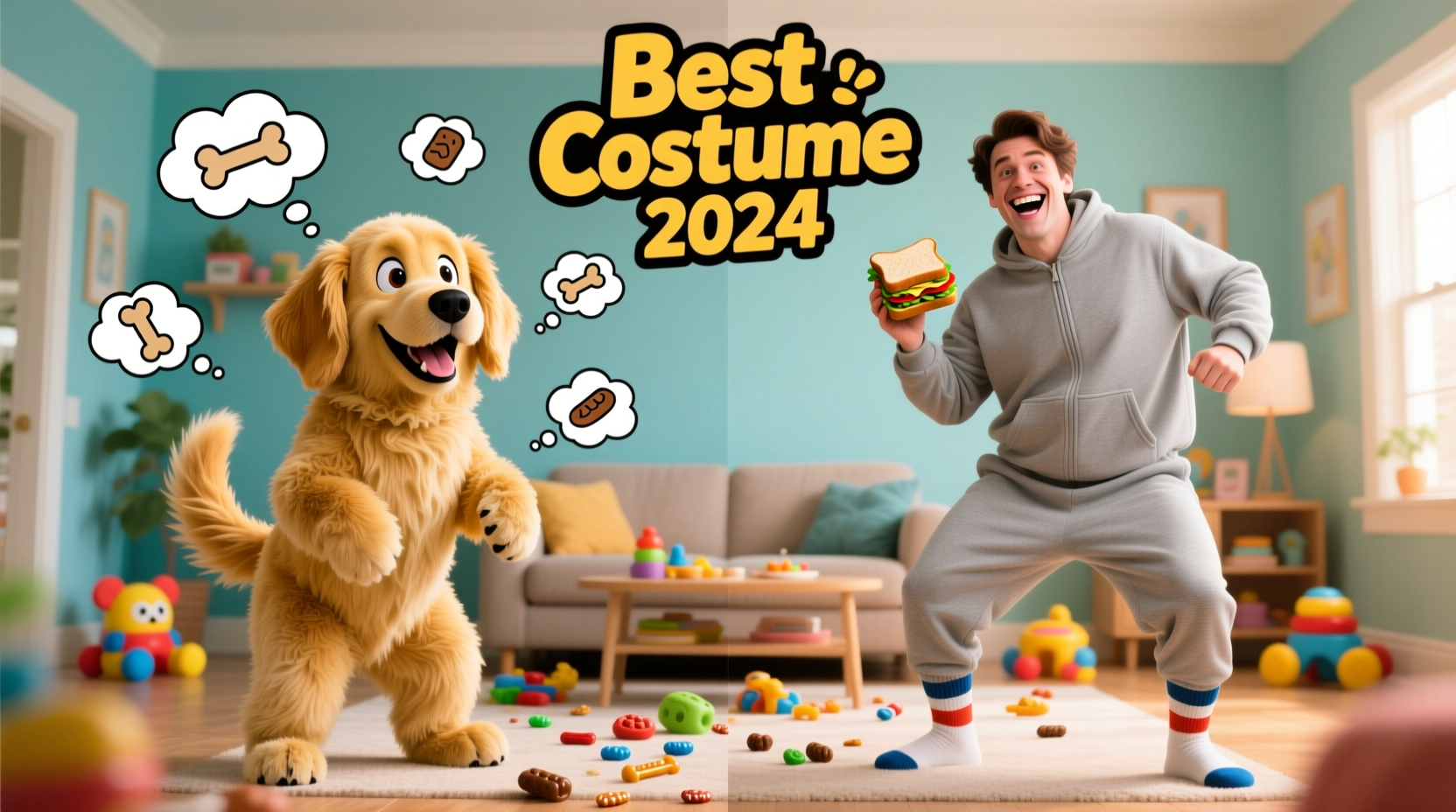
Laughter at Halloween doesn’t come from shock value alone—it stems from surprise, relatability, and incongruity. When something familiar appears in an absurd context, our brains register humor. That’s why a golden retriever dressed as Napoleon Dynamite triggers giggles: it’s unexpected, visually jarring, and oddly endearing.
According to Dr. Laura Mendez, behavioral psychologist and author of Humor in Social Rituals, “Costumes work best when they subvert expectations. Humans expect animals to be animals. When a dog wears a full-body taco suit, it violates that expectation in a safe, non-threatening way—which primes laughter.”
“People are more likely to laugh at absurdity when it comes with innocence. A dog in a costume carries zero irony. That purity amplifies the humor.” — Dr. Laura Mendez, Behavioral Psychologist
Humans, by contrast, often lean on pop culture references, satire, or nostalgia. These require shared knowledge to land. A perfect Joker impression might dazzle film buffs but fall flat with someone unfamiliar with Heath Ledger’s performance.
Treat Distribution: Who Gets More Candy?
When it comes to actual treat acquisition—not just attention—dogs have a surprising edge. Multiple informal neighborhood surveys conducted between 2020 and 2023 found that costumed dogs received, on average, 30% more candy than humans of any age group when walking with owners.
Why? Several factors contribute:
- Perceived Innocence: Dogs are seen as passive participants. Giving them candy feels like rewarding charm, not enabling mischief.
- Novelty Factor: A pug in a shark costume swims through a sea of predictable vampire and witch outfits.
- Emotional Appeal: Cute animal costumes trigger nurturing instincts, increasing generosity.
- Photo Opportunity: People are more likely to offer extra treats if they’ve just snapped a photo to post online.
Comparative Breakdown: Dog vs Human Costumes
| Category | Dog Costume | Human Costume |
|---|---|---|
| Average Laughs per Encounter | High (especially with absurd designs) | Moderate to High (depends on reference & delivery) |
| Treat Yield per House | 1.8x standard portion | 1.0–1.3x standard portion |
| Preparation Time | 5–20 minutes (fitting, leash check) | 30 minutes–2 hours (makeup, layers, accessories) |
| Risk of Discomfort | Moderate (some dogs dislike costumes) | Low to Moderate (itchy fabrics, hot makeup) |
| Viral Potential | Very High (#DogsOfHalloween trends annually) | Variable (depends on creativity & platform) |
| Social Media Engagement | 2.5x higher likes/shares on average | Depends on niche audience |
Real-World Case: The Great Pumpkin Patch Experiment
In 2022, a Portland-based couple conducted an informal but widely shared experiment. Over two Halloween nights, they alternated walking their corgi, Pickles, in and out of costume while trick-or-treating in the same neighborhood.
Night 1: Pickles wore a fully articulated dinosaur suit with moving jaws. Night 2: Pickles walked normally, wearing only a pumpkin bandana.
Results:
- With costume: Received treats at 97% of homes, including 12 “bonus” full-size candy bars.
- Without costume: Treated at 78% of homes, no bonus items.
- Verbal reactions: “Oh my god, look at the dino!” was heard 23 times with costume; neutral greetings dominated the second night.
Meanwhile, the owner wore a plain hoodie both nights. Their individual haul dropped by 40% when Pickles wasn’t costumed—suggesting the dog’s outfit elevated the entire group’s visibility.
“We didn’t realize how much Pickles was carrying our Halloween until we took the costume off. Suddenly, we were just another couple on the sidewalk.” — Jordan Tate, participant
How to Maximize Laughs and Treats: A Step-by-Step Guide
Whether you’re dressing up your pet or yourself, strategy matters. Follow this timeline to optimize your Halloween impact:
- Week 1 (Concept): Choose a theme that balances originality and recognition. For dogs: think food items, puns (“Sir Barksalot”), or mashups (“Sharknado dog”). For humans: lean into timely memes or nostalgic icons.
- Week 2 (Test Fit): Try on costumes early. Ensure dogs can breathe, walk, and relieve themselves comfortably. Humans should test mobility and temperature regulation.
- Week 3 (Rehearsal): Walk the dog in costume during evening hours to acclimate them. Practice catchphrases or poses if performing.
- Halloween Eve (Pack Smart): Bring water, a towel, and a backup leash. For humans: include safety pins, blotting paper, and spare batteries for light-up elements.
- Halloween Night (Engage Strategically): Visit homes early when energy and candy supplies are high. Pause for photos. Use a wagging tail or funny wave to initiate interaction.
Checklist: Halloween Costume Readiness
- ✅ Costume fits comfortably (no restricted movement or breathing)
- ✅ Pet is calm and cooperative in costume (test beforehand)
- ✅ Reflective elements added for nighttime visibility
- ✅ Treat bag is secure and easy to access
- ✅ Phone charged for photos and navigation
- ✅ Backup plan if pet becomes stressed
- ✅ Costume aligns with weather (avoid overheating materials)
- ✅ Has a conversation starter element (sign, prop, or tagline)
Frequently Asked Questions
Do dogs actually enjoy wearing costumes?
Some do, many tolerate it, and others find it stressful. Signs of discomfort include panting, tucking the tail, or attempting to remove the outfit. If your dog resists, skip the costume—opt for a festive collar instead.
Can I get more treats by carrying a dog in costume if I don’t own one?
Technically yes, but ethically questionable. Borrowing a friend’s dog risks stress and safety issues. Plus, authenticity matters—people respond to genuine pet-owner bonds. A well-dressed rescue dog adopted for Halloween could backfire emotionally and socially.
Are there neighborhoods where human costumes perform better?
Absolutely. In areas with older populations or fewer children, clever human costumes referencing classic films or local history often earn more praise. College neighborhoods favor satire and risqué humor, where human performers dominate.
Final Verdict: Who Wins the Halloween Crown?
If the goal is maximum laughter and treat accumulation, the dog costume holds a clear advantage—especially in family-centric, suburban settings. Its combination of novelty, emotional appeal, and low irony makes it a near-universal crowd-pleaser.
However, human costumes win in categories requiring depth, storytelling, or cultural commentary. A flawless Melania Trump astronaut suit or a homemade Squid Game guard ensemble may not yield more candy, but they spark conversations, earn social media accolades, and define the spirit of adult Halloween.
In truth, the best approach might be synergy: pair a brilliantly costumed dog with a thematically matched human. This dynamic duo leverages the dog’s cuteness and the human’s narrative flair, creating a memorable moment that earns both laughs and extra Snickers.
Conclusion: Suit Up, Share Joy, and Collect Smiles
Halloween isn’t just about sugar—it’s about shared joy, creative expression, and the simple pleasure of making strangers smile. Whether you go all-in on a dog-sized hamburger costume or craft a human getup that redefines geek chic, the real treat is connection.
So this year, consider the impact of your outfit beyond the mirror. Will it make someone pause mid-candy-pour? Will it live on in a neighbor’s Instagram story? Will it turn a routine October night into a memory?
💬 Did your dog steal the show last Halloween? Or did your costume earn legendary status? Share your story and inspire others to dress boldly, laugh freely, and hand out the good chocolate.








