When selecting a dog collar, one of the most overlooked yet critical components is the buckle or fastener. While many pet owners focus on material, width, or aesthetic design, the clasp system—whether metal or plastic—plays a pivotal role in both safety and longevity. A failure at this single point can lead to escape, injury, or even tragedy. So, are metal buckles truly safer than plastic clips? The answer isn’t as simple as “metal is stronger.” It depends on usage, dog behavior, design quality, and environmental factors.
Durability and Long-Term Wear
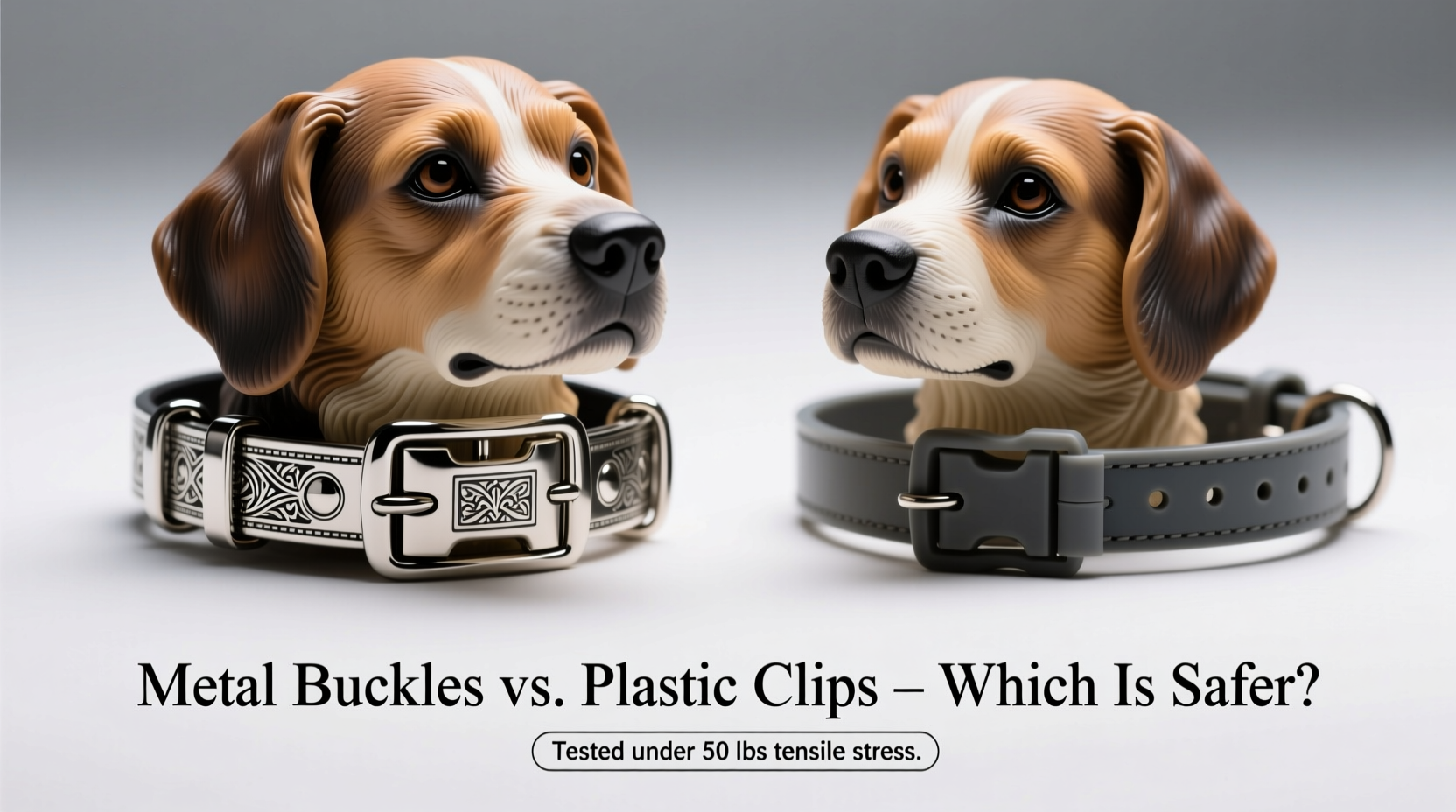
The durability of a collar’s closure mechanism directly impacts its lifespan and reliability. Metal buckles, typically made from nickel-plated steel, brass, or aluminum alloys, resist cracking, warping, and UV degradation far better than plastic counterparts. Over time, plastic clips—especially those exposed to sunlight, moisture, or frequent use—can become brittle and prone to sudden fracture.
In contrast, high-quality metal buckles maintain structural integrity for years under regular use. They also handle repeated opening and closing without wearing down the latch mechanism. However, not all metals are created equal. Cheaply plated metals may corrode when exposed to rain or saltwater, potentially weakening the joint over time.
Tip: Look for marine-grade stainless steel or anodized aluminum buckles if your dog spends time near water or in humid climates.Safety Under Stress: Real-World Performance
A collar must remain secure during moments of high stress—such as sudden lunging, entanglement, or pulling against a leash. In these scenarios, the strength of the buckle becomes paramount.
Plastic clips often rely on small internal ridges or snap-fit designs that can degrade with friction. Some lower-end models have been documented to fail under loads exceeding 30 pounds of force—well within the range generated by medium to large dogs during excitement or fear-based reactions.
Metal buckles, particularly side-release types with dual-prong engagement, distribute pressure more evenly and generally withstand forces exceeding 150 pounds before deformation. This makes them inherently more reliable in preventing accidental release.
“From a biomechanical standpoint, metal buckles offer superior resistance to shear and tensile stress. For dogs with strong prey drives or reactive tendencies, they’re the safer default choice.” — Dr. Lena Torres, Veterinary Biomechanics Researcher, UC Davis School of Veterinary Medicine
Weight, Comfort, and Suitability by Dog Type
While safety is crucial, comfort matters too. Metal buckles are heavier than plastic ones, which may be a concern for small breeds or dogs with delicate neck structures. A Yorkshire Terrier or Chihuahua, for instance, might find a heavy metal clasp cumbersome or irritating, especially if it swings or rubs during movement.
Plastic clips are lightweight and often smoother against fur and skin, reducing chafing risk. High-density polymers used in premium collars (like those from brands such as Ruffwear or Kurgo) are engineered for impact resistance and flexibility, making them surprisingly resilient—even if not quite matching metal in ultimate strength.
For toy breeds or dogs primarily walking on-leash in controlled environments, a well-designed plastic clip may provide adequate safety with enhanced comfort. But for powerful breeds like Huskies, Boxers, or Pit Bulls, metal remains the preferred standard.
Comparative Overview: Metal vs. Plastic Buckles
| Feature | Metal Buckle | Plastic Clip |
|---|---|---|
| Tensile Strength | High (100–200+ lbs) | Moderate (30–80 lbs) |
| UV Resistance | Excellent (non-corrosive alloys) | Fair to Poor (may yellow/brittle) |
| Weight | Heavier | Lightweight |
| Corrosion Risk | Possible with low-grade metals | None |
| Lifespan | 5+ years (with care) | 1–3 years (varies by quality) |
| Best For | Large, strong, or active dogs | Small, calm, indoor dogs |
Real Example: When a Plastic Clip Failed
In suburban Colorado, a Border Collie named Scout slipped out of his collar during a hike after the plastic side-release clip cracked mid-walk. The owner reported no prior signs of wear, but the collar had been used daily for nearly two years and exposed to snowmelt, mud, and direct sun. The dog was recovered unharmed after three hours, but the incident prompted a switch to a collar with a marine-grade metal buckle.
Veterinary clinics and animal shelters report similar cases annually—often involving dogs who pull hard or engage in outdoor activities. While not every plastic clip fails prematurely, the margin for error is narrower than many assume.
How to Choose the Right Closure for Your Dog
Selecting between metal and plastic isn’t just about preference—it’s about matching the hardware to your dog’s lifestyle. Follow this step-by-step guide to make an informed decision:
- Assess your dog’s activity level: Does your dog run off-leash, pull aggressively, or swim regularly? These behaviors increase stress on the buckle.
- Check breed size and strength: Dogs over 30 pounds benefit significantly from metal’s added security.
- Evaluate environmental exposure: Frequent rain, dirt, or saltwater demands corrosion-resistant materials.
- Inspect current wear: If your dog’s current plastic clip shows cracks, cloudiness, or stiffness, replace it immediately.
- Test the mechanism: Open and close the buckle 10–15 times. It should click firmly each time without looseness.
Tips for Maintaining Any Collar Fastener
Tip: Rinse collars with fresh water after beach or lake outings. Dry thoroughly before storage to prevent hidden corrosion or mold buildup.- Clean metal buckles monthly with a soft cloth and mild soap to remove grime and prevent grit-induced abrasion.
- Avoid using harsh solvents on plastic clips—they can accelerate polymer breakdown.
- Rotate between two collars to reduce continuous strain on a single fastener.
- Replace any collar showing frayed stitching near the buckle, regardless of clasp type.
Frequently Asked Questions
Can plastic buckles be safe for large dogs?
Some high-end plastic clips, especially those made with reinforced polymers like nylon-composite, can handle larger dogs under moderate conditions. However, for dogs that pull, lunge, or show high energy, metal is still the recommended option due to its proven track record under stress.
Do metal buckles rust?
Lower-quality metal buckles can corrode, especially if exposed to moisture or salt. Opt for stainless steel or anodized aluminum models, which resist rust and maintain function longer. Regular rinsing and drying after wet use extends their life.
Are quick-release plastic clips outdated?
No—but they require more vigilance. Modern engineering has improved plastic clip resilience, but they remain more vulnerable to long-term fatigue than metal. Use them wisely: ideal for casual walks with well-behaved, small-to-medium dogs, not for high-risk situations.
Final Recommendations
For most pet owners, especially those with active, strong, or outdoor-loving dogs, metal buckles offer a measurable increase in safety and durability. They are not inherently “better” in every context, but they are objectively more resistant to mechanical failure. Plastic clips have their place—particularly in lightweight, comfortable designs for small or elderly dogs—but should be inspected frequently and replaced proactively.
The safest collar is not just defined by its clasp, but by how well it fits, how often it’s checked, and whether it matches the dog’s actual lifestyle. No buckle, regardless of material, lasts forever. Inspect yours every few months. Listen to feedback from your dog—if they scratch at the collar or seem irritated, reassess fit and hardware.
💬 Your dog’s safety starts with small details. Examine your pet’s collar tonight. Is the buckle secure? Free of cracks or corrosion? Share your experience or ask questions in the comments—your insight could help another pet parent avoid a dangerous mishap.








