Choosing the right feeding setup for your dog isn’t just about convenience—it can impact hydration, digestion, and even behavior. The debate between using a dual-compartment dog bowl combo versus two separate bowls has sparked conversation among pet owners and veterinarians alike. While some see combo bowls as a space-saving innovation, others argue they may compromise a dog’s health and comfort. This article examines the real differences, backed by expert insight and behavioral science, to help you make an informed decision.
The Rise of the Combo Bowl: Convenience or Compromise?
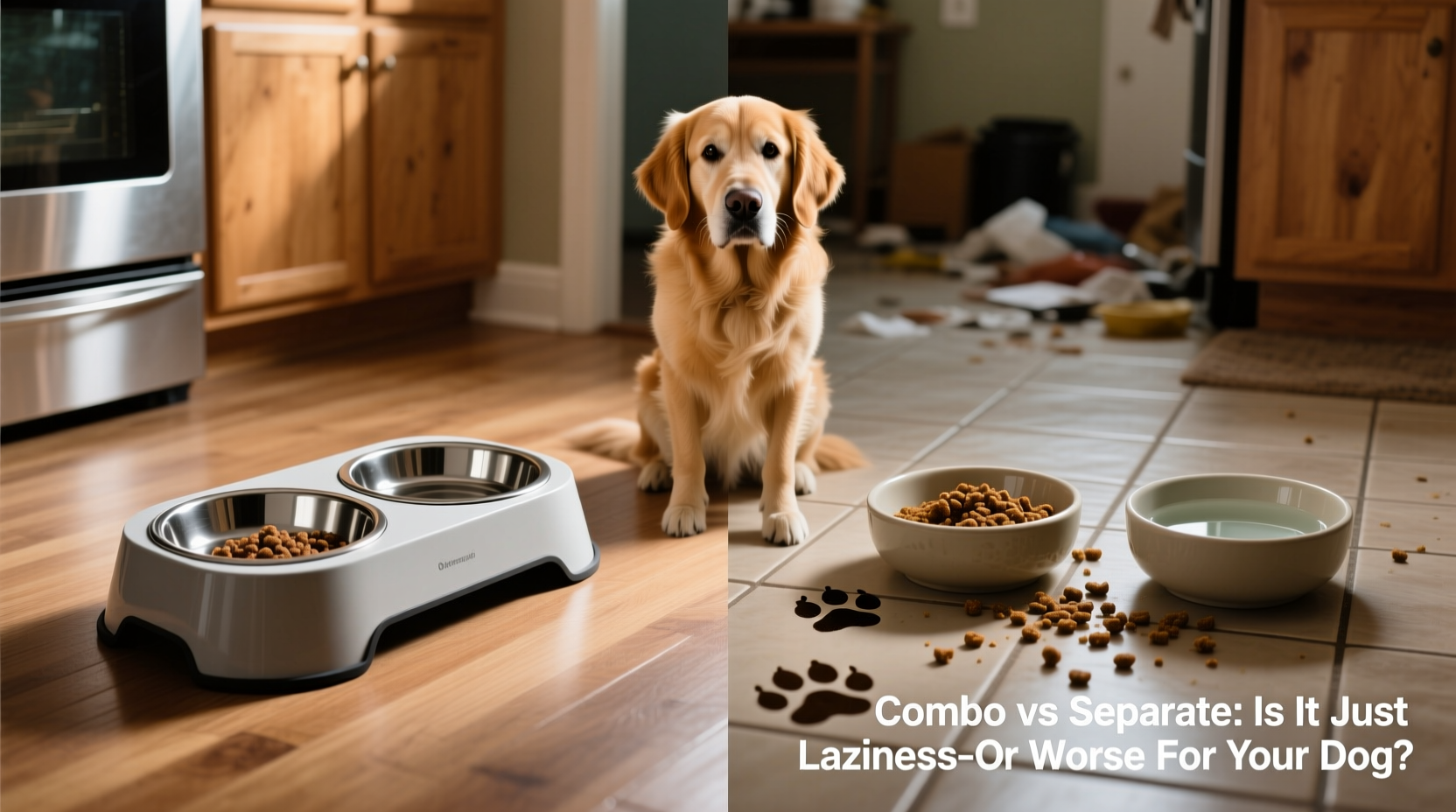
Dual-chambered dog bowls—commonly known as “combo bowls”—combine food and water in a single unit, typically side-by-side or stacked. They’re popular for their compact design, reduced clutter, and ease of cleaning. For apartment dwellers or those with limited counter space, these bowls seem like a smart solution. But does convenience come at a cost?
While manufacturers promote combo bowls as ergonomic and efficient, veterinary behaviorists caution that one-size-fits-all solutions rarely account for individual canine needs. Dogs have distinct preferences when it comes to eating and drinking, and forcing both activities into close proximity may interfere with natural behaviors.
Tip: Observe your dog’s posture and behavior during meals. If they turn their head sharply or avoid drinking after eating, the bowl setup may be contributing to discomfort.Why Separation Matters: Instinct, Hygiene, and Health
In the wild, dogs don’t eat and drink from the same location. Canines naturally prefer to consume food first, then move to a separate area to hydrate. This instinctual separation helps prevent contamination and supports proper digestion. When food particles fall into water—or when a dog dips a messy muzzle into their drink—the water becomes unappetizing, leading to reduced intake.
Studies in canine behavior suggest that clean, uncontaminated water encourages better hydration. A 2021 survey by the American Kennel Club found that 68% of dogs drank more consistently when water was offered in a standalone bowl, away from food debris.
“Dogs are more sensitive to water quality than we often assume. Even minor contamination can deter them from drinking enough.” — Dr. Lena Torres, DVM, Veterinary Behavior Specialist
Additionally, combo bowls can create cross-contamination. Wet kibble expands and may seep into the water compartment, altering taste and promoting bacterial growth. Stainless steel separate bowls eliminate this risk and are easier to sanitize thoroughly.
Comparing Combo vs Separate Bowls: A Practical Breakdown
| Feature | Combo Bowl | Separate Bowls |
|---|---|---|
| Space Efficiency | High – takes up less surface area | Low – requires more room |
| Hygiene | Lower – prone to cross-contamination | Higher – easy to keep water clean |
| Durability | Mixed – plastic models degrade faster | High – especially with stainless steel |
| Dog Preference | Varies – many dogs avoid drinking post-meal | Generally preferred – aligns with natural habits |
| Cleaning Ease | Moderate – crevices trap residue | High – simple, open designs |
Real-World Example: How One Owner Fixed Her Dog’s Dehydration
Sarah, a Boston Terrier owner from Portland, noticed her dog Max was lethargic and urinating less frequently. After ruling out medical causes, her vet asked about his feeding routine. Max used a colorful plastic combo bowl gifted at a pet expo. Upon inspection, Sarah realized the water side often contained floating bits of kibble and had a faint odor by midday.
She switched to two stainless steel bowls placed three feet apart. Within two days, Max’s water consumption increased visibly. He began drinking immediately after meals instead of walking away. His energy improved within a week. “I thought I was being clever with the combo bowl,” Sarah said. “Turns out, I was making it harder for him to stay hydrated.”
When Combo Bowls Might Be Acceptable
Not all situations demand separate bowls. Some dogs adapt well to combo units, especially if the design includes high dividers and spill-resistant compartments. Temporary use—such as during travel or outdoor events—can also justify a combo bowl’s portability.
However, certain dogs should never use combo bowls:
- Brachycephalic breeds (e.g., Bulldogs, Pugs): Their short muzzles make it hard to drink without submerging food-covered noses.
- Dogs with dental issues: May drool excessively, contaminating water quickly.
- Puppies and seniors: More vulnerable to dehydration; need consistent access to clean water.
Step-by-Step Guide to Optimizing Your Dog’s Feeding Setup
- Assess your dog’s breed and needs: Consider muzzle shape, age, and eating speed.
- Choose materials wisely: Stainless steel or ceramic bowls resist bacteria better than plastic.
- Position bowls strategically: Place food and water 3–5 feet apart to mimic natural separation.
- Monitor water intake: Refill with fresh water multiple times per day, especially in warm weather.
- Observe behavior: Note if your dog avoids drinking after meals or shows signs of neck strain.
- Adjust as needed: Switch setups if you notice reluctance, spills, or hygiene issues.
Frequently Asked Questions
Can combo bowls cause bloat?
There’s no direct evidence linking combo bowls to gastric dilatation-volvulus (bloat), but poor hydration and rapid eating—both potentially worsened by contaminated water—can be contributing factors. Deep-chested breeds should always have unrestricted access to clean water separate from food.
Are elevated feeders better with combo bowls?
Elevated feeders can help large or senior dogs eat more comfortably, but combining elevation with a dual bowl increases the risk of water contamination. Use elevated separate bowls instead for optimal ergonomics and hygiene.
How often should I clean my dog’s bowls?
Food bowls should be washed daily. Water bowls benefit from daily rinsing and thorough scrubbing every other day. Stainless steel bowls can be dishwasher-safe, reducing bacterial buildup.
Expert Recommendations and Final Thoughts
Veterinarians and animal behaviorists overwhelmingly recommend separate bowls for everyday home use. “It’s not about laziness,” says Dr. Torres. “It’s about respecting species-specific behaviors. Just because we can combine things doesn’t mean we should.”
The choice between combo and separate bowls reflects more than personal preference—it impacts your dog’s physical comfort and long-term health. While combo bowls aren’t inherently dangerous, they introduce avoidable risks that separate, properly maintained bowls eliminate.
“The simplest changes often yield the biggest improvements in pet wellness. Giving your dog clean, accessible water in its own space is one of them.” — Dr. Alan Pierce, Small Animal Nutritionist
Take Action for Your Dog’s Wellbeing
If you’re currently using a combo bowl, consider a trial period with two separate bowls. Monitor your dog’s drinking habits, energy levels, and overall mealtime behavior. You might be surprised by the difference a small change can make. Share your experience with other pet owners—your observation could help someone else avoid preventable dehydration or discomfort. Your dog’s health starts with thoughtful choices, one bowl at a time.
💬 Have you switched from a combo to separate bowls? What changes did you notice? Join the conversation and help fellow dog lovers make smarter feeding decisions.








