Bad breath in pets—often dismissed as a normal quirk—is actually a red flag. While many pet owners assume it’s just part of having a dog or cat, persistent halitosis is rarely harmless. It usually signals underlying dental issues that can escalate into serious health problems if ignored. One of the most frequently recommended solutions is brushing your pet’s teeth. But does this simple act truly make a difference? The answer isn’t just yes—it’s essential. Brushing teeth plays a critical role in preventing bad breath in pets, but its effectiveness depends on consistency, technique, and understanding the root causes of oral odor.
The Link Between Oral Hygiene and Bad Breath in Pets
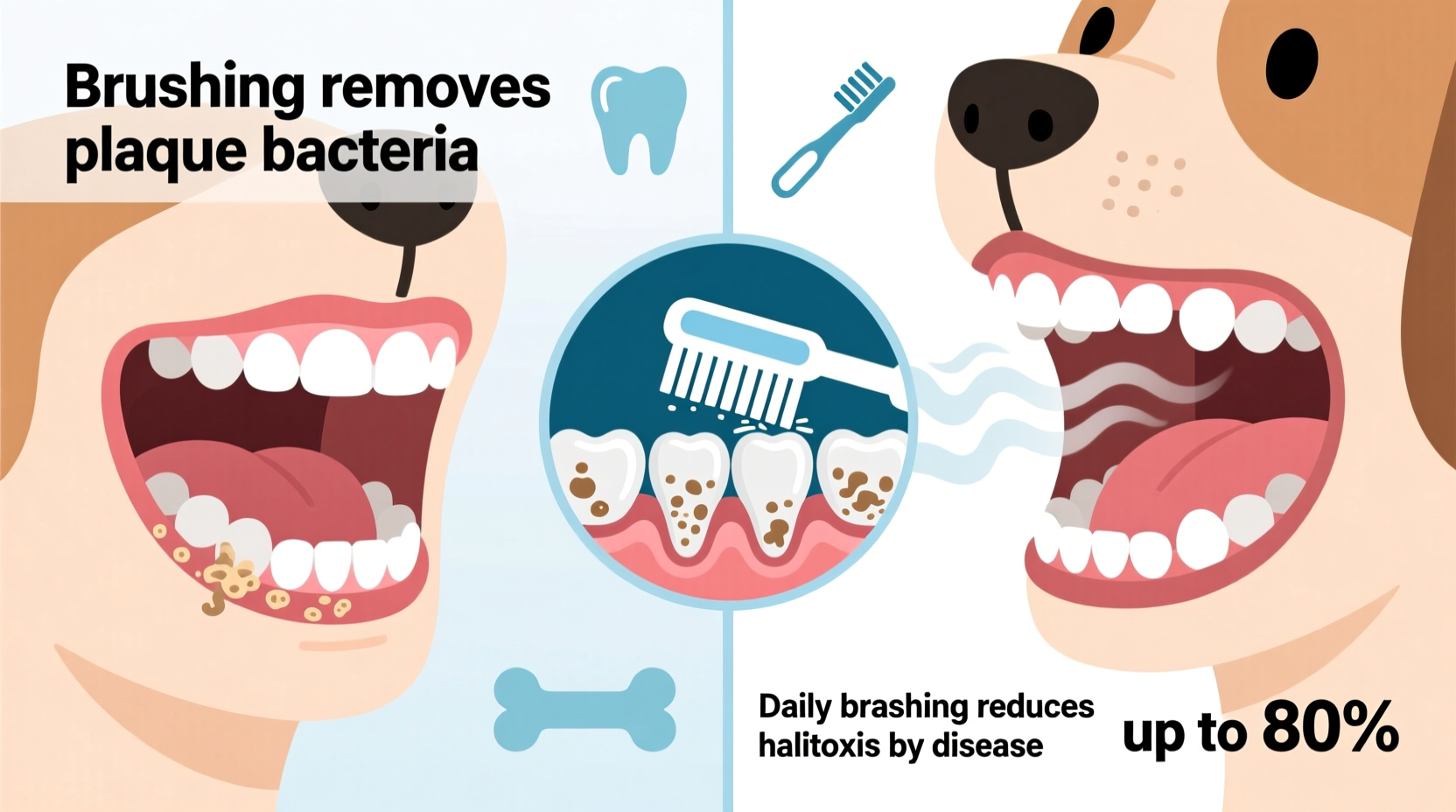
Just like in humans, bad breath in pets—known scientifically as halitosis—typically stems from bacterial buildup in the mouth. When food particles remain trapped between teeth and along the gumline, bacteria multiply and break down these remnants, producing foul-smelling sulfur compounds. Over time, plaque forms, hardens into tartar, and leads to gingivitis, periodontal disease, and even tooth loss. These conditions not only cause unpleasant odors but also contribute to systemic issues such as heart, liver, and kidney disease due to bacteria entering the bloodstream through inflamed gums.
According to the American Veterinary Dental College, more than 80% of dogs and 70% of cats show signs of oral disease by age three. This widespread prevalence underscores how crucial preventive care is. While diet, treats, and water additives play supporting roles, mechanical removal of plaque via toothbrushing remains the gold standard for daily oral hygiene.
Tip: Start introducing toothbrushing when your pet is young to build comfort and routine early.How Effective Is Toothbrushing at Preventing Bad Breath?
Brushing a pet’s teeth is one of the most effective ways to combat bad breath—if done correctly and consistently. Studies have shown that daily brushing can reduce plaque accumulation by up to 50%, significantly lowering the risk of gingivitis and associated odor. Unlike passive methods such as dental chews or water additives, brushing physically disrupts biofilm formation, reaching areas where bacteria thrive.
However, effectiveness hinges on frequency. Occasional brushing—once or twice a week—is insufficient to make a meaningful impact. Plaque begins to mineralize within 24 to 72 hours, turning into tartar that cannot be removed without professional cleaning. Therefore, brushing every day is ideal. A study published in the *Journal of Veterinary Dentistry* found that dogs brushed daily had significantly lower levels of volatile sulfur compounds (the primary cause of bad breath) compared to those brushed less frequently or not at all.
“Daily toothbrushing is the single most effective home care method to control plaque and prevent periodontal disease in pets.” — Dr. Jan Bellows, DVM, Diplomate AVDC (American Veterinary Dental College)
Step-by-Step Guide to Brushing Your Pet’s Teeth
Many pet owners avoid brushing because they believe their animal won’t tolerate it. With patience and proper training, most pets can adapt. Follow this gradual timeline to establish a successful routine:
- Day 1–3: Introduce the Tools
Let your pet sniff the toothbrush and pet-safe toothpaste. Use a finger brush or soft pediatric toothbrush. Never use human toothpaste—it contains ingredients like fluoride and xylitol, which are toxic to animals. - Day 4–7: Touch Acclimation
Gently lift your pet’s lips and touch their teeth and gums with your finger or a damp cloth. Reward with praise or a treat after each brief session. - Day 8��14: Apply Toothpaste
Put a small amount of pet toothpaste on your finger and let them lick it. Then dab it on the gums and front teeth, focusing on the outer surfaces where plaque builds fastest. - Day 15+: Begin Brushing
Use gentle circular motions at a 45-degree angle to the gumline. Focus on the canine and premolar teeth—common plaque hotspots. Aim for 30 seconds per side initially. - Week 6 and Beyond: Daily Routine
Incorporate brushing into your daily schedule—ideally at the same time each day, such as after evening walks or before bedtime.
Consistency matters more than duration. Even one minute of daily brushing yields better results than a ten-minute weekly effort.
Complementary Strategies for Fresh Breath
While brushing is the cornerstone of oral hygiene, combining it with other vet-approved methods enhances results and helps manage breath odor between brushings.
| Method | Effectiveness | Best Used For | Limitations |
|---|---|---|---|
| Dental Diets | High | Reducing plaque mechanically | Not a substitute for brushing; requires full-time feeding |
| Chew Toys & Treats | Moderate | Supporting plaque control | Variable quality; some are high in calories |
| Water Additives | Low to Moderate | Freshening breath temporarily | Does not remove plaque; effect fades quickly |
| Oral Gels/Wipes | Low | Pets resistant to brushing | Limited contact time; less effective than brushing |
It’s important to view these tools as supplements—not replacements—for brushing. For example, VOHC (Veterinary Oral Health Council)-approved dental chews can help clean molars, but they don’t reach the gumline effectively. Similarly, water additives may freshen breath but do little to stop plaque progression.
Real-World Example: Max the Golden Retriever
Max, a five-year-old Golden Retriever, came to his veterinarian with severe halitosis and reluctance to chew toys. His owner assumed it was “just dog breath” until Max started dropping food while eating. An examination revealed stage two periodontal disease with significant tartar buildup and gum recession.
After a professional dental cleaning under anesthesia, Max’s vet prescribed a strict home care plan: daily brushing using CET enzymatic toothpaste, a VOHC-approved dental diet, and monthly dental chews. Within six weeks, Max’s breath improved dramatically, and follow-up exams showed reduced inflammation and no new tartar formation.
This case illustrates that while brushing alone isn’t always enough initially—especially in advanced cases—it becomes highly effective as part of a long-term maintenance strategy. Early intervention could have prevented Max’s discomfort altogether.
Common Mistakes That Undermine Brushing Success
Even well-intentioned pet owners often sabotage their efforts unknowingly. Avoid these pitfalls:
- Using human toothpaste: Toxic to pets and may cause vomiting or poisoning.
- Brushing too aggressively: Can damage delicate gum tissue, leading to bleeding and resistance.
- Skipping the acclimation phase: Forces create fear and make future sessions difficult.
- Only brushing the front teeth: Most plaque accumulates on the back molars and premolars.
- Inconsistent timing: Irregular brushing allows plaque to re-establish rapidly.
When Bad Breath Isn’t Just About Teeth
Although poor oral hygiene is the leading cause of bad breath, it’s not the only one. Persistent halitosis despite good dental care may indicate systemic conditions such as:
- Diabetes: Breath may smell sweet or fruity due to ketones.
- Kidney disease: Often produces an ammonia-like odor.
- Gastrointestinal disorders: Chronic vomiting or reflux can lead to sour breath.
- Oral tumors or infections: May emit a decaying or metallic smell.
If your pet’s breath doesn’t improve after consistent brushing and a dental checkup, consult your veterinarian for further diagnostics. Blood work, urinalysis, or imaging may be necessary to rule out internal disease.
FAQ: Common Questions About Pet Dental Care
Can I use a regular toothbrush on my pet?
You can use a soft-bristled human toothbrush, but pet-specific brushes—such as double-headed or finger brushes—are often easier to maneuver in small mouths. The key is soft bristles and gentle pressure.
My cat hates toothbrushing. Are there alternatives?
Cats are especially challenging, but some respond to dental wipes, gels, or sprays applied to the gums. However, these are less effective than brushing. Consider scheduling a veterinary dental exam first to rule out painful conditions that make handling uncomfortable.
How often should my pet have a professional dental cleaning?
Most pets benefit from a veterinary dental cleaning every 1–2 years, depending on breed, age, and home care. Small breeds and brachycephalic dogs (like Pugs or Shih Tzus) often need more frequent cleanings due to crowded teeth.
Dental Care Checklist for Pet Owners
Stay proactive with this actionable checklist:
- ☐ Purchase pet-safe toothpaste and a suitable toothbrush
- ☐ Begin desensitization training with your pet
- ☐ Establish a daily brushing routine (aim for 30–60 seconds)
- ☐ Schedule an annual veterinary dental exam
- ☐ Feed a VOHC-approved dental diet or provide approved chews
- ☐ Monitor breath and gum health monthly (look for redness, swelling, or bleeding)
- ☐ Book professional cleaning if tartar is visible above the gumline
Conclusion: Fresh Breath Starts at Home—But Requires Commitment
Brushing your pet’s teeth absolutely prevents bad breath—but only when done consistently and correctly. It’s not a quick fix, but a long-term investment in your pet’s overall health and longevity. Bad breath isn’t something to accept; it’s a symptom begging for attention. By incorporating daily brushing into your routine, supported by professional care and smart dietary choices, you can eliminate offensive odors and, more importantly, protect your pet from painful and costly dental diseases.
💬 Ready to transform your pet’s oral health? Start tonight with a five-minute session—your pet’s fresher breath and healthier smile begin with one brush stroke.








