
Cats are naturally curious and active animals that thrive on stimulation. Without proper toys, they may resort to scratching furniture or knocking items off shelves just to entertain themselves. While store-bought cat toys are widely available, many are made from synthetic materials, fall apart quickly, or pose choking hazards. A better alternative? Craft your own rope ball cat toy at home using durable, non-toxic materials you likely already have.
A handmade rope ball offers more than just play—it satisfies your cat’s instinct to pounce, bite, and bat objects around. When constructed properly, it can withstand aggressive chewing and rough play while remaining safe for your pet. This guide walks through the entire process of creating a long-lasting, engaging rope ball from natural cotton rope, complete with tips, safety considerations, and real-world insights.
Why Make a Rope Ball Cat Toy?
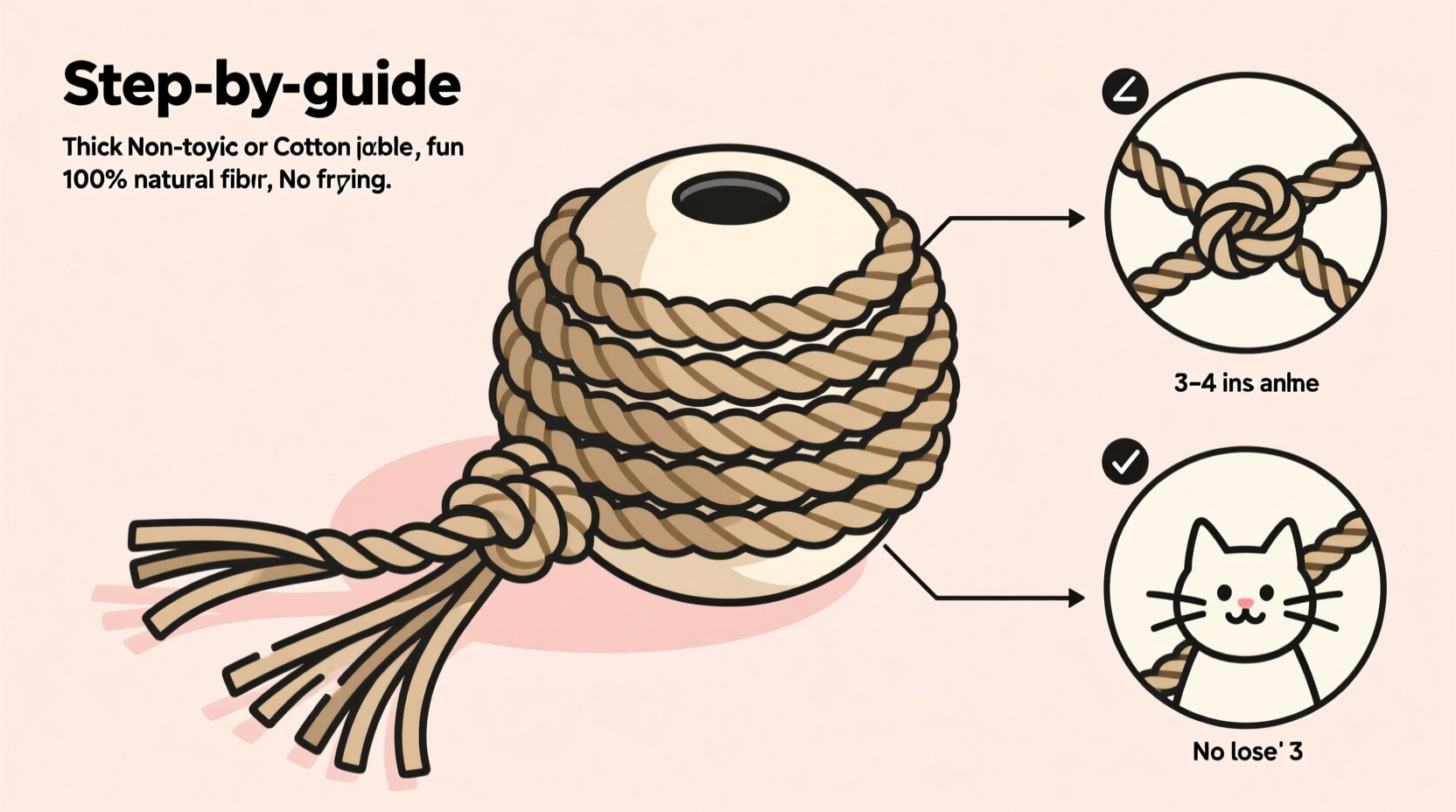
Commercial cat toys often prioritize aesthetics over durability. Many are filled with loose parts, use plastic components, or unravel after minimal use. Homemade rope balls eliminate these concerns by allowing full control over materials and construction. Cotton rope is biodegradable, soft on teeth, and strong enough to endure repeated tossing and tugging.
Beyond safety and sustainability, crafting your own toys strengthens the bond between pet and owner. Watching your cat interact with something you built adds a personal touch to their daily routine. Plus, the cost is minimal—often less than $2 for enough rope to make multiple toys.
“Cats benefit most from interactive and textural play. A well-made rope toy provides tactile feedback, resistance, and movement that mimic prey-like behavior.” — Dr. Lena Patel, Feline Behavior Specialist
Materials You’ll Need
Before beginning, gather the following supplies. All should be readily available at hardware stores, craft shops, or online retailers.
- Natural cotton rope (3/8 inch diameter, 50 feet minimum)
- Scissors (sharp, for clean cuts)
- Lighter or matches (to seal rope ends)
- Ruler or measuring tape
- Optional: Catnip or silvervine (for added attraction)
Step-by-Step Construction Guide
Follow this proven method to create a tightly wound, secure rope ball that resists unraveling even during intense play.
- Cut the rope: Measure and cut ten 5-foot lengths of cotton rope. Consistent length ensures even tension during winding.
- Bundle the strands: Align all ten pieces side by side and tie a tight overhand knot at one end, leaving a 3-inch tail.
- Begin coiling: Hold the knotted end firmly and start wrapping the bundle tightly around itself, forming a compact core. Keep each wrap snug against the last.
- Maintain tension: As you wind, pull firmly to eliminate gaps. After every few wraps, pause to adjust alignment and prevent lopsided shaping.
- Add bulk gradually: Once the initial coil reaches marble size, switch to looping the rope around the growing sphere in multiple directions—horizontal, vertical, diagonal—to build a balanced ball.
- Secure final layers: When the ball reaches golf-ball to tennis-ball size (depending on preference), finish with several tight wraps around opposing axes to lock everything in place.
- Knot and trim: Tie a double overhand knot at the end, tuck the tail into the weave, then carefully trim excess with scissors.
- Seal the ends: Lightly singe the cut tips with a lighter to prevent fraying. Do not melt synthetic fibers—this step is only for natural cotton.
The finished product should feel firm to the touch, with no loose loops or weak spots. Gently shake it—if you hear internal movement, re-wrap more tightly next time.
Safety Considerations and Best Practices
While rope toys are excellent for play, improper design or supervision can lead to risks. Follow these guidelines to ensure your cat stays safe.
| Do | Don't |
|---|---|
| Use 100% natural cotton or hemp rope | Use treated, dyed, or synthetic rope |
| Inspect weekly for fraying or loosening | Leave unattended for days without checking |
| Supervise initial play sessions | Allow unsupervised access to kittens under 6 months |
| Replace when strands become thin or detached | Wait until large pieces break off |
| Store in a clean, dry area when not in use | Leave outdoors or in damp environments |
Real-Life Example: How One Owner Reduced Destructive Behavior
Sarah, a cat owner from Portland, noticed her two-year-old tabby, Milo, was excessively scratching her sofa legs and attacking curtain cords. She tried commercial toys, but he chewed through them within hours. After researching alternatives, she crafted a rope ball using organic cotton clothesline rope from a local hardware store.
She incorporated a small pinch of silvervine inside the core before final wrapping. Within minutes of introducing the toy, Milo batted it across the floor, bit down with satisfaction, and spent nearly 20 minutes playing independently. Over the next three weeks, Sarah observed a 70% reduction in destructive behaviors. The rope ball lasted six weeks with regular inspection and light maintenance—far longer than any store-bought option she had tried.
“It’s not just about saving money,” Sarah said. “It’s knowing exactly what my cat is putting in his mouth—and seeing him actually enjoy it.”
Frequently Asked Questions
Can I wash the rope ball?
Yes, but sparingly. Hand-wash in cool water with mild soap if visibly dirty. Rinse thoroughly and air-dry completely before returning to your cat. Frequent washing may weaken fibers over time.
Is it safe if my cat eats part of the rope?
Small amounts of natural cotton are generally non-toxic, but ingestion of string-like materials can cause intestinal blockages—a condition known as linear foreign body obstruction. Always supervise play and replace the toy if significant pieces break off.
How long should a homemade rope ball last?
With moderate use and proper care, expect 4–8 weeks of daily play. Heavy chewers may require replacement sooner. Inspect the toy weekly for signs of wear such as thinning strands, loose knots, or protruding fibers.
Customization Ideas for Extra Engagement
Once you’ve mastered the basic design, consider enhancing the toy’s appeal:
- Add scent: Insert a teaspoon of dried catnip or silvervine into the center during winding.
- Vary texture: Combine different rope thicknesses (e.g., 1/4” and 3/8”) for varied chewing resistance.
- Create variety: Make multiple sizes—small for batting, larger for wrestling.
- Incorporate sound: Wrap a jingle bell securely in cloth and embed it in the core (ensure no exposed metal).
Final Checklist Before Giving to Your Cat
📋 DIY Rope Ball Safety & Quality Checklist- ✅ Made with 100% natural fiber rope (cotton or hemp)
- ✅ No loose ends or frayed sections
- ✅ Ends sealed with flame (if cotton) or tucked securely
- ✅ Firm structure with no internal shifting
- ✅ Free of dyes, chemicals, or sharp elements
- ✅ Supervised during first use
- ✅ Stored safely when not in use
Conclusion: Simple Craft, Lasting Impact
Creating a durable and fun rope ball cat toy at home is more than a weekend project—it’s an investment in your cat’s mental health, physical activity, and overall well-being. With minimal cost and effort, you can produce a safer, longer-lasting alternative to mass-produced options. By choosing natural materials and building with care, you give your cat a stimulating outlet that aligns with their instincts.
Start today with a single ball. Observe how your cat interacts with it. Adjust size, texture, or scent in future versions based on their preferences. Each iteration brings you closer to the perfect homemade toy—one that delights your pet and gives you peace of mind.
💬 Have you made a rope toy for your cat? Share your experience, modifications, or questions in the comments—your insight could help fellow cat lovers create better, safer playtime!








