San Francisco is more than just golden bridges and steep hills—it’s a city defined by its food culture, and few dishes capture its soul like a steaming bowl of clam chowder. Served in sourdough bread bowls that are as iconic as the Golden Gate itself, this creamy, briny delight is a staple of the city’s waterfront. But not all chowders are created equal. From family-run piers to Michelin-recognized kitchens, the Bay Area offers a spectrum of interpretations on this New England classic, each with its own twist on richness, texture, and flavor.
For locals and visitors alike, finding the best version isn’t just about taste—it’s about tradition, technique, and authenticity. This guide dives deep into what makes San Francisco’s clam chowder stand out, highlights the top spots to try it, and reveals how to identify a truly exceptional bowl when you see (and smell) one.
The Signature Style: What Makes SF Clam Chowder Unique
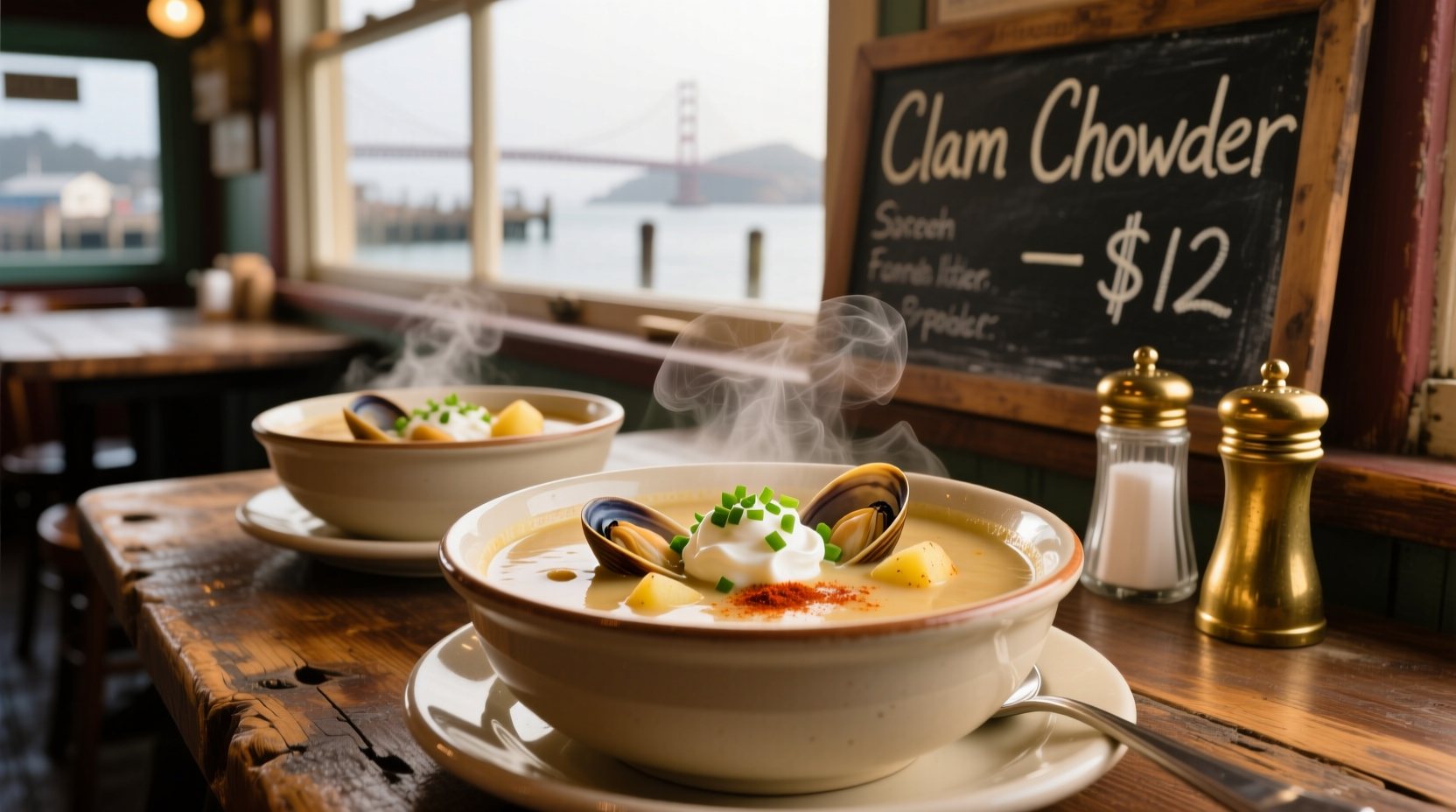
While clam chowder originated in the Northeast, San Francisco has made it its own. The defining feature? A rich, velvety base built on butter, cream, and roux, simmered slowly with tender clams, diced potatoes, onions, and a touch of celery. Unlike Manhattan-style chowder, which uses tomatoes, the West Coast version sticks to the creamy New England foundation—but with a local twist.
The real magic lies in the pairing: the chowder is almost always served in a hollowed-out round of sourdough bread. This isn’t just presentation; the tangy crust soaks up the broth while maintaining enough structure to hold the thick soup. The contrast between the warm, buttery soup and the crisp, chewy bread elevates the dish from comfort food to culinary icon.
“San Francisco’s chowder is a love letter to the sea and the city’s baking heritage. It’s not just soup—it’s an edible postcard.” — Chef Marissa Chen, Culinary Historian & Bay Area Food Guide Author
Top 5 Spots for the Best Clam Chowder in San Francisco
With dozens of vendors along Fisherman’s Wharf and beyond, choosing where to eat can be overwhelming. These five establishments consistently earn praise for their depth of flavor, consistency, and adherence to quality ingredients.
| Restaurant | Location | Key Features | Price Range (Bread Bowl) |
|---|---|---|---|
| Boudin Bakery & Café | Fisherman’s Wharf | Invented the sourdough bread bowl; house-baked bread; family recipe since 1849 | $12–$15 |
| Anchor Oyster Bar | North Beach | Homemade clam stock; fresh littleneck clams; garlic toast alternative | $14–$16 |
| Swan Oyster Depot | Polk Street | Counter-only service; ultra-fresh seafood; minimalist preparation | $13 |
| Alioto’s Restaurant | Pier 43 | Generous clam portions; slight wine finish; historic family operation | $13–$15 |
| Chowder Factory | Pier 39 | Gluten-free bread bowl option; kid-friendly; quick service | $11–$13 |
How to Spot a Great Bowl: A Chowder Quality Checklist
You don’t need a culinary degree to tell if a clam chowder is worth your time. Use this checklist to evaluate any bowl you encounter:
- Creaminess without heaviness: The soup should coat the spoon but not feel greasy or overly thick.
- Visible clam pieces: Real minced or chopped clams—not just a hint of flavor—should be present in every bite.
- Balanced seasoning: Salt and pepper should enhance, not overpower. A subtle brininess is ideal.
- Freshly baked bread bowl: The sourdough should have a crisp crust and soft interior, not soggy or stale.
- Heat retention: The soup should remain hot throughout the meal, indicating proper serving temperature.
- No floury aftertaste: Overuse of roux can leave a raw starch flavor—well-cooked chowder avoids this.
A Real Taste Test: One Food Lover’s Chowder Crawl
Jessica Tran, a freelance food writer and self-proclaimed “chowder enthusiast,” spent a weekend touring five chowder spots across the city. Her goal? To find her personal favorite—and understand what sets each apart.
She started at Boudin, drawn by nostalgia and the legendary bread. “The first bite was pure comfort—the sourdough held up well, and the soup had that classic creamy sweetness,” she noted. At Anchor Oyster Bar, she found a lighter version with a clean clam flavor. “You could taste the ocean,” she wrote in her journal. “No masking with too much cream.”
At Swan Oyster Depot, the simplicity stood out. “No frills, no menu board—just a server asking, ‘Chowder?’ and handing me a bowl that tasted like it was made that morning.” Her verdict? While Boudin wins for tradition, Anchor Oyster Bar edged ahead for balance and freshness.
What Goes Into a Perfect Recipe: A Step-by-Step Breakdown
While restaurant secrets are closely guarded, the fundamentals of great clam chowder are accessible. Here’s how top kitchens build flavor from scratch:
- Sauté aromatics: Cook onions and celery in butter until translucent—never browned—to build a sweet base.
- Create the roux: Stir in flour and cook for 2–3 minutes to eliminate raw taste, forming the thickening agent.
- Add liquid gradually: Pour in clam juice slowly, whisking constantly to prevent lumps.
- Incorporate potatoes: Add diced Yukon Golds and simmer until tender but intact—about 15 minutes.
- Finish with cream and clams: Stir in heavy cream and chopped clams, heating gently without boiling to preserve texture.
- Season thoughtfully: Use white pepper, thyme, and a bay leaf during cooking; adjust salt at the end.
- Serve immediately in warm bread: Hollow a fresh sourdough boule, ladle in the chowder, and serve with oyster crackers on the side.
Common Mistakes Even Restaurants Make
Even popular spots can falter. Watch out for these red flags:
- Over-thickened soup: A paste-like consistency often means too much roux or cornstarch.
- Underseasoned or bland broth: Lacking depth suggests pre-made bases instead of fresh clam stock.
- Soggy bread bowls: If the bread collapses within minutes, it wasn’t baked properly or sat too long.
- Missing clam presence: A vague “seafood” flavor without distinct clam pieces is a sign of cost-cutting.
- Served lukewarm: Chowder must be piping hot to carry its aroma and richness.
Frequently Asked Questions
Is San Francisco clam chowder gluten-free?
Traditional versions are not, due to the roux made with wheat flour. However, some restaurants like Chowder Factory offer gluten-free bread bowls and modified recipes—always ask before ordering.
Can I get clam chowder without the bread bowl?
Yes, most places will serve it in a regular bowl upon request. This is ideal if you’re avoiding carbs or want to savor the soup without the bread influencing the flavor.
Why is sourdough used instead of other bread?
San Francisco sourdough has a naturally firm crumb and tangy flavor that complements the creamy chowder. Its durability allows it to hold soup longer without disintegrating—a practical and cultural choice.
Final Thoughts: Savor the Tradition
Discovering the best clam chowder San Francisco serves in thick creamy bowls isn’t just about finding the richest soup—it’s about experiencing a piece of the city’s maritime identity. Whether you’re standing on a pier with seagulls circling overhead or tucked into a cozy North Beach bistro, each spoonful tells a story of craftsmanship, coastline, and community.
The next time you’re in the city, skip the generic tourist traps with long lines and anonymous soups. Seek out places that source fresh clams, bake their bread daily, and treat chowder as an art form. Your taste buds—and your memories—will thank you.
💬 Have a favorite chowder spot we didn’t mention? Share your go-to place and what makes it special—we’d love to hear your recommendations!








