
Dog owners often overlook one of the most essential tools in their pet’s daily routine: the food bowl. While it may seem like a minor detail, the depth and shape of a dog’s bowl can significantly impact their eating habits, digestion, and even long-term health. With increasing attention on canine wellness, many are questioning whether deep bowls pose hidden risks—especially for certain breeds. This article explores the differences between deep and shallow dog bowls, evaluates potential dangers, and provides practical guidance to help you choose the right option for your dog.
Understanding Deep vs Shallow Dog Bowls
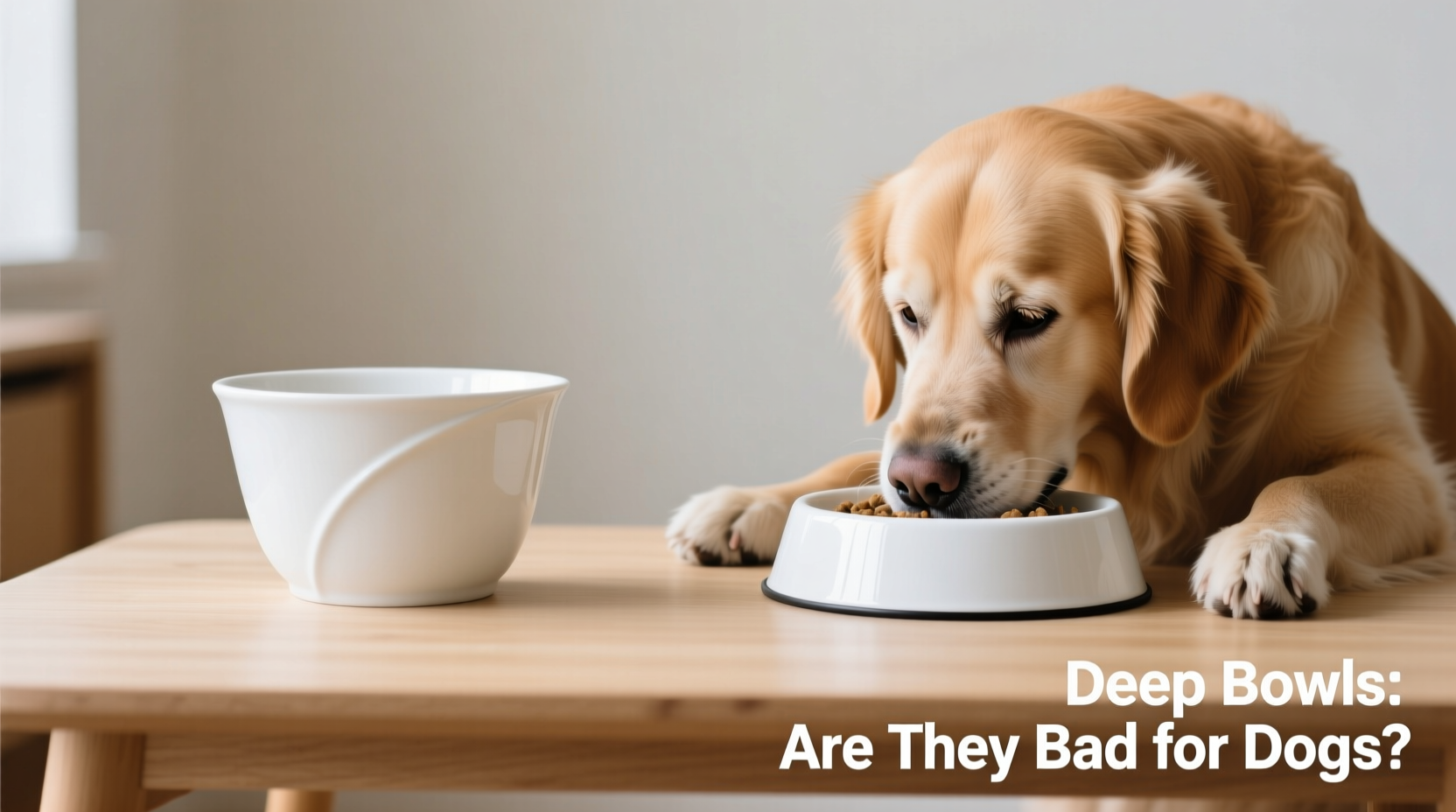
A deep dog bowl typically has vertical sides that extend several inches, often resembling a small bucket or cup. These bowls are common because they hold more food and reduce spills. In contrast, shallow bowls have low sides and a wider surface area, allowing easier access to kibble without requiring the dog to lower their head deeply.
The choice between these two types isn’t just about capacity—it affects posture, eating speed, and even the risk of serious medical conditions. Large and deep-chested breeds such as Great Danes, German Shepherds, and Standard Poodles are especially sensitive to how they eat, making bowl selection a crucial part of preventive care.
Key Differences at a Glance
| Feature | Deep Bowls | Shallow Bowls |
|---|---|---|
| Height | 4+ inches | 1–2 inches |
| Eating Posture | Head lowered, neck bent sharply | Natural head position, minimal strain |
| Suitable For | Small dogs, slow eaters, portion-controlled feeding | Large/giant breeds, fast eaters, brachycephalic dogs |
| Risk of Gulping Air | Higher | Lower |
| Breed Considerations | Potentially risky for deep-chested dogs | Generally safer across breeds |
The Health Risks of Deep Dog Bowls
The primary concern with deep bowls is their association with gastric dilatation-volvulus (GDV), commonly known as bloat. This life-threatening condition occurs when a dog’s stomach fills with gas and twists on itself, cutting off blood flow. It requires emergency surgery and carries a high mortality rate if not treated immediately.
While multiple factors contribute to GDV—including genetics, meal timing, and exercise after eating—feeding from an elevated or deep bowl can influence how much air a dog ingests during meals. Dogs using deep bowls often have to stretch their necks downward, which may encourage rapid eating and excessive air swallowing (aerophagia).
“Elevated and deep feeding bowls were once thought to prevent bloat, but recent studies suggest they may actually increase risk in large-breed dogs by altering natural swallowing mechanics.” — Dr. Rebecca Carter, DVM, Veterinary Internal Medicine SpecialistTip: Observe your dog’s eating posture. If they dip their chest or stretch uncomfortably to reach food, the bowl is likely too deep or improperly positioned.
Breed-Specific Needs and Real-World Impacts
Not all dogs respond the same way to bowl depth. Brachycephalic breeds like Bulldogs and Pugs benefit from shallow or tilted bowls because their short snouts make it difficult to reach into deep containers. Conversely, some owners of tall dogs mistakenly use elevated feeders thinking they promote better digestion, but research shows mixed results—and potential harm.
Mini Case Study: Max, the Great Dane
Max, a 2-year-old male Great Dane, was fed from a raised deep bowl to accommodate his height. His owner believed this reduced strain on his joints. However, Max began eating faster, gulping large amounts of air, and showed signs of abdominal discomfort after meals. After a veterinary consultation, Max was diagnosed with chronic aerophagia and placed on a preventative plan for bloat. His feeder was switched to a wide, shallow bowl placed on the floor. Over six weeks, his eating slowed, bloating episodes ceased, and his overall demeanor improved. This case highlights how seemingly helpful adjustments can backfire without proper understanding.
How to Choose the Right Bowl for Your Dog
Selecting the appropriate bowl involves more than preference—it’s about matching design to physiology and behavior. Follow this step-by-step guide to make an informed decision.
- Assess your dog’s breed and body structure. Deep-chested or giant breeds should avoid deep or elevated bowls unless specifically advised by a vet.
- Observe eating behavior. Does your dog wolf down food? Lunge forward? Choke or cough while eating? These signs suggest poor bowl fit.
- Measure current bowl depth. If it exceeds 3 inches and your dog is medium to large, consider switching.
- Test a shallow alternative. Use a wide ceramic plate or a purpose-designed low-profile bowl for a week.
- Monitor changes. Track eating speed, post-meal activity, and any digestive symptoms.
- Consult your veterinarian. Especially if your dog has a history of GI issues or belongs to a high-risk breed.
Checklist: Signs Your Dog Needs a Shallow Bowl
- Neck or shoulder strain during meals
- Frequent burping or gas after eating
- Gulping food in under 2 minutes
- Swollen abdomen post-meal
- History of bloat or GDV in the breed line
- Facial contact with the bottom of the bowl
Common Myths About Dog Bowl Height Debunked
Misinformation persists about the benefits of elevated feeders and deep bowls. Here are three widely believed myths clarified by veterinary science:
- Myth: Elevated bowls prevent bloat. A landmark study published in the Journal of the American Veterinary Medical Association found that raising food bowls actually increased GDV risk in large and giant breeds.
- Myth: Deep bowls reduce mess. While they contain food better, they often cause dogs to paw at them or shove their heads in aggressively, creating more spillage.
- Myth: All big dogs need raised feeders. Unless a dog has a confirmed orthopedic condition like severe arthritis, floor-level feeding is generally safer and more natural.
FAQ: Common Questions About Dog Bowl Depth
Can deep bowls cause choking?
While not a direct cause, deep bowls can contribute to hurried eating and poor chewing, increasing the risk of choking—especially in puppies or excitable dogs. Shallow bowls promote calmer, more controlled meals.
Are elevated feeders ever recommended?
Yes, but only under veterinary supervision for dogs with specific medical conditions such as megaesophagus, where gravity-assisted swallowing is necessary. For healthy dogs, floor-level feeding remains the standard recommendation.
What material should I choose for a shallow bowl?
Stainless steel is ideal—durable, easy to clean, and resistant to bacteria. Ceramic works well too, provided it’s heavy enough not to tip. Avoid plastic due to odor retention and potential for micro-scratches that harbor germs.
Final Recommendations and Action Steps
The idea that deep bowls are universally bad for dogs is an oversimplification—but the evidence strongly suggests caution, particularly for large, deep-chested breeds. The safest approach is to prioritize ergonomics over convenience. A shallow, wide bowl placed on the floor encourages natural posture, reduces air ingestion, and supports healthier digestion.
If you’re currently using a deep or elevated bowl, don’t panic—transition gradually. Introduce the new bowl alongside the old one, placing familiar food in both to reduce stress. Monitor your dog’s response and adjust as needed.
“The best dog bowl is one that lets your pet eat comfortably, without contorting their body or racing through meals. Simplicity often wins.” — Dr. Lena Patel, Canine Nutritionist
Conclusion
Choosing between deep and shallow dog bowls isn’t just a matter of preference—it’s a decision that impacts your dog’s daily comfort and long-term health. By understanding the risks associated with deep bowls, recognizing your dog’s individual needs, and making informed changes, you can prevent avoidable issues like bloat and indigestion. Reevaluate your dog’s feeding setup today. Your pet’s next meal could be safer, slower, and more comfortable—all thanks to a simple switch in bowl design.
💬 Have you switched from a deep to a shallow bowl? What changes did you notice? Share your experience in the comments to help other dog owners make smarter choices.








