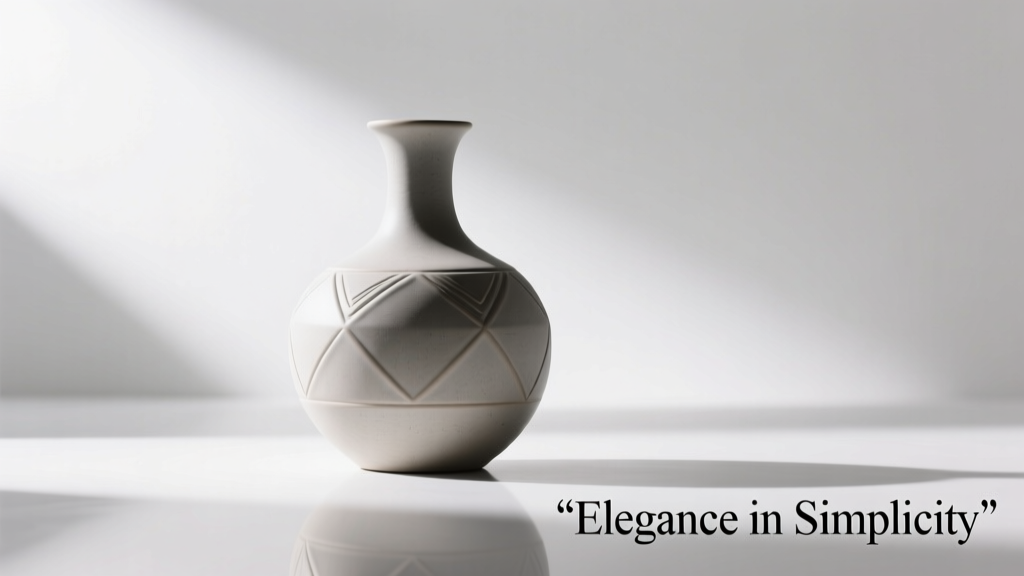
Types of Customizable Reusable Bowls
Custom reusable bowls are versatile serving solutions ideal for catering, events, restaurants, and home use. Available in a range of materials, each type offers unique benefits in terms of durability, aesthetics, customization potential, and suitability for different occasions. Choosing the right bowl depends on your functional needs, design preferences, and the atmosphere you want to create.
Plastic Customizable Reusable Bowls
Made from durable polymers like polypropylene or melamine, these bowls are lightweight, shatterproof, and highly portable—perfect for both indoor and outdoor events.
Advantages
- Extremely lightweight and easy to transport
- Unbreakable and safe for children and outdoor use
- Smooth surface allows for easy customization (paint, vinyl, screen printing)
- Affordable for bulk purchases and large events
- Available in vibrant colors and fun patterns
Limitations
- Less eco-friendly if not properly recycled
- Can scratch or discolor over time with heavy use
- May retain odors from strong foods
- Perceived as less premium than metal or ceramic
Best for: Casual gatherings, picnics, kids' parties, buffet setups, and promotional giveaways
Metal Customizable Reusable Bowls
Crafted from stainless steel or aluminum, these bowls offer a sleek, modern aesthetic with exceptional durability and hygiene.
Advantages
- Highly durable and resistant to dents and wear
- Non-porous surface prevents bacterial growth
- Easily sanitized—ideal for commercial kitchens
- Long lifespan reduces long-term costs
- Can be engraved, etched, or powder-coated for elegant personalization
Limitations
- Higher initial cost compared to plastic
- Limited customization options without specialized tools
- Can be noisy when serving or stacking
- May conduct heat or cold, affecting food temperature
Best for: Upscale catering, restaurants, modern-themed events, and professional food service
Wooden Customizable Reusable Bowls
Handcrafted from sustainable hardwoods like bamboo, acacia, or teak, wooden bowls bring a natural, rustic charm to any setting.
Advantages
- Warm, organic aesthetic enhances earthy and bohemian themes
- Biodegradable and environmentally friendly
- Naturally antimicrobial properties in certain woods
- Unique grain patterns make each bowl one-of-a-kind
- Can be stained, branded, or hand-painted for personalization
Limitations
- Requires regular oiling to prevent drying and cracking
- Not dishwasher safe—must be hand-washed
- Less suitable for very wet or acidic foods
- More expensive and time-intensive to produce
Best for: Rustic weddings, farm-to-table events, artisanal gift sets, and decorative centerpieces
Ceramic and Porcelain Customizable Reusable Bowls
Known for their elegance and timeless appeal, ceramic and porcelain bowls are fired at high temperatures for strength and refined beauty.
Advantages
- Stunning visual appeal with glossy finishes and hand-painted designs
- Excellent for formal dining and artistic presentations
- Glazed surfaces are easy to clean and non-reactive
- Highly customizable with decals, hand-painting, and glaze effects
- Potential to become heirloom pieces or collectible gifts
Limitations
- Fragile—can chip or break if dropped
- Heavier than plastic or metal, making transport less convenient
- Higher cost due to craftsmanship and materials
- Not ideal for outdoor or high-traffic environments
Best for: Formal dinners, art exhibitions, luxury gifting, and boutique restaurants
| Type | Durability | Customization | Aesthetic | Best Use Case |
|---|---|---|---|---|
| Plastic | High (impact-resistant) | Excellent (easy to decorate) | Casual, vibrant | Outdoor events, casual dining, promotions |
| Metal | Very High | Good (engraving, coating) | Modern, sleek | Commercial kitchens, upscale catering |
| Wooden | Medium (with care) | Fair (staining, branding) | Rustic, natural | Themed events, artisanal presentations |
| Ceramic/Porcelain | Medium (fragile) | Excellent (hand-painted, glazed) | Elegant, timeless | Formal dining, luxury gifting |
Expert Tip: When customizing reusable bowls, consider the environment they'll be used in. For outdoor or high-traffic events, prioritize durability with plastic or metal. For intimate or artistic settings, invest in wooden or ceramic pieces that enhance the ambiance and leave a lasting impression.
Design of Customizable Reusable Bowls
The design of personalized, reusable bowls plays a crucial role in determining both their aesthetic appeal and functional performance. Thoughtfully engineered bowls not only enhance the dining experience but also reflect individual style, brand identity, or event themes. With advancements in materials and manufacturing, today’s customizable bowls offer unmatched versatility for home, commercial, and special occasion use.
Key Design Elements of Reusable Bowls
Shape and Size Variations
Custom reusable bowls are available in a variety of shapes—round, square, and oval—each offering distinct advantages based on intended use. Round bowls are the most traditional and universally compatible with a wide range of foods, from soups to salads, thanks to their smooth, even curvature that facilitates easy scooping and serving.
Square bowls present a modern, contemporary aesthetic and maximize space efficiency, making them ideal for buffet setups, meal prep containers, or compact kitchen storage. Their straight edges allow for tighter packing in refrigerators and cabinets.
Oval bowls, often used for serving platters, emulate classic presentation styles and are particularly well-suited for roasts, whole fish, or large salads. Their elongated form enhances visual appeal during gatherings and complements formal dining arrangements.
Patterns and Artwork
One of the most exciting aspects of customizable bowls is the ability to personalize them with unique patterns and artwork. Whether it’s hand-drawn illustrations, corporate logos, seasonal motifs, or cultural designs, these visual elements transform a simple dish into a statement piece.
Options range from minimalist stamped graphics and geometric patterns to intricate floral arrangements and abstract art. This level of customization is especially valuable for businesses hosting branded events, weddings, or promotional giveaways, where cohesive visual identity enhances guest experience.
Advanced printing and etching techniques ensure durability, so designs remain vibrant even after repeated washing and long-term use. Eco-conscious consumers also appreciate the opportunity to express individuality without contributing to single-use waste.
Functional Elements
Beyond appearance, the functionality of reusable bowls is enhanced through smart design features. Lids are a popular addition, providing airtight seals that preserve food freshness and prevent spills during transport—perfect for meal prepping, picnics, or office lunches.
Stackable designs optimize storage by minimizing footprint, allowing multiple bowls to be neatly nested when not in use. This is particularly beneficial in commercial kitchens or households with limited cabinet space.
Compartmentalized bowls offer another layer of utility, separating different food components to maintain texture and flavor. Ideal for bento-style meals, salads with dressings, or portion-controlled diets, these bowls support healthier eating habits while reducing the need for multiple containers.
Color Schemes
Color selection significantly influences the mood and atmosphere of a dining setting. Custom bowls come in a broad spectrum—from soft pastels and neutral tones to bold, vibrant hues—enabling users to match any decor or branding theme.
Classic shades like white, black, and gray offer timeless elegance and pair well with any table setting, making them versatile choices for everyday use or formal events. In contrast, bright colors such as red, turquoise, or sunflower yellow serve as visual focal points, adding energy and excitement to casual gatherings.
Color psychology plays a subtle yet powerful role: warm tones like orange and red stimulate appetite and foster a welcoming ambiance, while cool colors like blue and green evoke calmness and sophistication. Thoughtful color selection can therefore enhance both the emotional and sensory aspects of dining.
| Design Feature | Best Use Case | Tips for Selection |
|---|---|---|
| Round Shape | Daily meals, soups, cereals | Choose deeper profiles for liquids; opt for wide rims for easy access |
| Square/Oval Shape | Buffets, plating, space-saving storage | Select square for modern kitchens; oval for formal serving |
| Custom Artwork | Events, branding, gifts | Use high-resolution images; ensure food-safe printing methods |
| Lids & Compartments | Meal prep, takeout, portion control | Look for BPA-free, microwave-safe materials |
| Vibrant Color Schemes | Parties, kids’ meals, marketing | Match colors to event themes or brand guidelines |
Design Considerations for Optimal Use
Important: When customizing reusable bowls, always verify that materials and decoration methods meet food safety standards (e.g., FDA compliance). Avoid designs with sharp edges or non-food-safe inks, especially for children’s products. Proper care and cleaning will extend the life of your bowls and preserve their appearance over time.
Materials Used to Make Customizable Reusable Bowls
Custom reusable bowls are crafted from a variety of high-quality materials, each offering distinct advantages in terms of durability, aesthetics, functionality, and customization potential. The choice of material significantly influences the bowl's weight, strength, heat resistance, and suitability for different uses—from everyday dining to special occasions. Understanding these materials helps customers select the perfect bowl that aligns with their lifestyle, design preferences, and environmental values.
Plastic
Plastic is one of the most widely used materials for customizable reusable bowls due to its versatility, affordability, and ease of manufacturing. High-grade, food-safe plastics such as polypropylene or Tritan™ are commonly used to ensure durability and resistance to staining and odors. These bowls are exceptionally lightweight, making them ideal for outdoor events, picnics, and children's use.
Custom plastic bowls can be manufactured in virtually any color and are highly receptive to printing techniques, including full-color graphics, logos, and personalized designs. Their smooth surface allows for easy cleaning, and most are dishwasher-safe, enhancing convenience for busy households. Additionally, custom plastic pet bowls benefit from the material’s resilience and non-porous nature, which prevents bacterial growth.
✔️ Advantages
- Lightweight and portable
- Highly customizable with vibrant prints
- Affordable for bulk or promotional use
- Dishwasher safe and easy to clean
- BPA-free options available for health safety
❌ Limitations
- May scratch or fade over time
- Not suitable for high-heat applications
- Less eco-friendly than natural materials
- Potential for odor retention with strong foods
Best for: Everyday use, casual dining, kids’ meals, promotional giveaways, and pet feeding solutions.
Silicone
Silicone has emerged as a premium material for reusable bowls due to its remarkable flexibility, durability, and temperature resistance. Made from a synthetic rubber compound, food-grade silicone is non-toxic, odorless, and safe for contact with food. One of its standout features is its ability to withstand extreme temperatures—typically from -40°F to 450°F—making it suitable for freezing, baking, microwaving, and serving.
The flexible nature of silicone allows bowls to be collapsible or stackable, saving valuable storage space. This makes them a favorite for travel, camping, and compact kitchens. Silicone bowls are naturally non-stick, which makes food release effortless and cleaning a breeze—often requiring just a rinse or quick wash. They are also available in a wide array of colors and can be customized with embossed logos or surface printing.
✔️ Advantages
- Heat and cold resistant (oven, microwave, freezer safe)
- Foldable and space-saving design options
- Non-stick surface for easy food release
- Highly durable and resistant to cracking
- Available in vibrant, fade-resistant colors
❌ Limitations
- Can absorb strong odors if not cleaned properly
- Less rigid than plastic or metal (may wobble when full)
- Higher initial cost compared to basic plastic
- Requires hand washing for best longevity in some cases
Best for: Baking, meal prep, travel, baby feeding, and eco-conscious consumers seeking long-term reusable options.
Stainless Steel
Stainless steel bowls offer a sleek, modern aesthetic combined with exceptional durability and hygiene. Made from food-grade 18/8 or 18/10 stainless steel, these bowls are rust-resistant, non-porous, and do not leach chemicals into food. They are ideal for health-conscious individuals and commercial kitchens due to their antimicrobial properties and resistance to corrosion and staining.
While customization options are more limited compared to plastic or silicone, stainless steel bowls can still be personalized through laser engraving, embossing, or custom etching—perfect for monograms, logos, or meaningful messages. Their polished finish adds a professional or upscale touch, making them suitable for both home and restaurant use. These bowls are also excellent conductors of heat, useful for tasks like whipping egg whites or chilling ingredients.
✔️ Advantages
- Extremely durable and long-lasting
- Resistant to rust, stains, and odors
- Hygienic and non-reactive with food
- BPA-free and eco-friendly
- Can be engraved for personalization
❌ Limitations
- Heavier than plastic or silicone
- Limited color and print customization
- Can dent if dropped on hard surfaces
- Conducts heat—may be too hot or cold to handle directly
Best for: Professional kitchens, outdoor dining, camping, and users seeking a minimalist, hygienic, and sustainable option.
Wood
Wooden bowls bring a timeless, organic elegance to any table setting. Crafted from sustainably sourced hardwoods like bamboo, acacia, or walnut, these bowls are not only beautiful but also naturally antibacterial due to the wood’s tannins. Each piece has a unique grain pattern, making every bowl a one-of-a-kind work of art.
Customization is typically achieved through hand-carving, staining, or laser engraving, allowing for personalized designs, names, or intricate patterns. While wooden bowls are strong and long-lasting, they require more care than other materials—hand washing and occasional oiling help preserve their finish and prevent drying or cracking. When properly maintained, a wooden bowl can become a cherished family heirloom passed down through generations.
✔️ Advantages
- Beautiful, natural aesthetic with unique grain
- Eco-friendly and biodegradable
- Naturally antimicrobial properties
- Durable with proper care
- Can be hand-carved or engraved for artistry
❌ Limitations
- Not dishwasher safe—requires hand washing
- Needs periodic oiling to maintain luster
- Can crack or warp if exposed to excess moisture
- More expensive due to craftsmanship involved
Best for: Serving salads, bread, fruit, or as decorative centerpieces; ideal for rustic, farmhouse, or artisanal settings.
Ceramic
Ceramic bowls combine functionality with artistic expression, making them a favorite for both daily use and special occasions. Made from kiln-fired clay and finished with food-safe glazes, ceramic bowls are sturdy, non-porous, and capable of retaining heat—perfect for soups, stews, and warm dishes. Their smooth, glossy surface allows for intricate hand-painted designs, custom decals, or personalized messages, offering nearly limitless creative possibilities.
Available in a wide range of styles—from minimalist matte finishes to vibrant, hand-glazed patterns—ceramic bowls elevate the dining experience. They are microwave and oven safe (depending on glaze), making them versatile in the kitchen. However, they are more fragile than other materials and can chip or break if dropped. Despite this, their durability under normal use and timeless appeal make them a popular choice for gift-giving and home collections.
✔️ Advantages
- Highly customizable with artistic designs
- Microwave, oven, and dishwasher safe (glaze-dependent)
- Excellent heat retention
- Non-toxic and eco-friendly
- Adds elegance to any table setting
❌ Limitations
- Heavy and fragile—can break if dropped
- Limited impact resistance
- Some glazes may contain lead (ensure food-safe certification)
- Higher cost due to craftsmanship and firing process
Best for: Formal dining, gift sets, artisanal home décor, and customers seeking a blend of beauty and utility.
Expert Recommendation: When helping customers choose a customizable reusable bowl, consider their primary use case. For active families and outdoor use, silicone or plastic offers practicality and resilience. For elegant dining and gift-giving, ceramic or wood provides unmatched aesthetic appeal. Health-focused users may prefer stainless steel for its hygiene and longevity. Always highlight care requirements and customization options to ensure customer satisfaction and long-term enjoyment of their chosen bowl.
| Material | Durability | Customization Options | Heat Resistance | Best Use Case |
|---|---|---|---|---|
| Plastic | Moderate | High (full-color printing, logos) | Limited (not oven-safe) | Everyday use, kids, pets |
| Silicone | High | Medium (color, embossing, printing) | Excellent (-40°F to 450°F) | Baking, travel, storage |
| Stainless Steel | Very High | Low-Medium (engraving, etching) | Good (oven-safe with care) | Outdoor, commercial, hygienic use |
| Wood | High (with maintenance) | Medium (carving, staining, engraving) | Poor (not heat-safe) | Decorative, rustic, heirloom |
| Ceramic | Medium (fragile but strong) | Very High (painting, glazing, decals) | Excellent (oven & microwave safe) | Serving, gifting, dining |
Additional Considerations for Custom Bowls
- Environmental Impact: Opt for recyclable, biodegradable, or sustainably sourced materials like bamboo, certified wood, or BPA-free plastics to support eco-conscious consumers.
- Food Safety: Ensure all materials are FDA-compliant and free from harmful substances like lead, phthalates, or BPA.
- Weight & Portability: Lightweight materials like silicone and plastic are ideal for travel, while heavier ceramic or steel bowls suit stationary use.
- Care & Maintenance: Clearly communicate cleaning instructions—some materials require hand washing or oiling to maintain longevity.
- Brand Alignment: For corporate gifts or promotions, choose materials that reflect brand values—durability, sustainability, or luxury.
Maintenance of Customizable Reusable Bowls
Customizable reusable bowls are not only eco-friendly and stylish but also a long-term investment in sustainable living. To maximize their lifespan and preserve their appearance, proper care and maintenance are essential. The cleaning and storage needs vary significantly based on the material—plastic, metal, wood, ceramic, or porcelain. This comprehensive guide provides detailed, material-specific maintenance tips to help you prevent damage, retain functionality, and keep your bowls looking beautiful for years to come.
Important Note: Always follow manufacturer guidelines for care, especially for customized or decorated bowls. Hand washing is often recommended for longevity, even if the item is labeled dishwasher-safe.
Material-Specific Care Guide
- Plastic Bowls
Custom plastic bowls are among the most affordable and low-maintenance options available. Most are dishwasher-safe, but to protect against scratches and warping, use a gentle cycle and avoid high-temperature drying. For optimal care, hand wash with mild dish soap and a soft sponge or cloth. Avoid steel wool or abrasive scrubbers, as they can create micro-scratches that harbor bacteria and degrade appearance.
When storing plastic bowls, stack them carefully and avoid placing them near heat sources such as ovens, stovetops, or direct sunlight. Prolonged exposure to high temperatures can cause warping or discoloration. Regularly inspect for cracks, cloudiness, or odors, which may indicate material degradation. If any of these signs appear, consider replacing the bowl to maintain hygiene and safety.
- Metal Bowls (Stainless Steel & Aluminum)
Metal bowls, typically made from stainless steel or aluminum, are highly durable and resistant to rust and corrosion. They are generally dishwasher-safe, making them convenient for everyday use. However, avoid using bleach or chlorine-based cleaners, as these can damage the finish and lead to pitting over time. Similarly, steer clear of abrasive pads or harsh scouring powders that may scratch the surface.
After washing—whether by hand or in the dishwasher—dry metal bowls immediately with a soft towel to prevent water spots and mineral deposits. While metal is strong, it can dent if dropped or stored improperly. For protection, store in padded containers or use soft liners between stacked bowls. This is especially important for decorative or engraved models where surface integrity affects visual appeal.
- Wooden Bowls (Including Mahogany and Other Hardwoods)
Wooden bowls add a natural, artisanal touch to any kitchen but require special care. Never place wooden bowls in the dishwasher or soak them in water, as prolonged moisture exposure can cause swelling, cracking, or splitting. Instead, hand wash with a damp cloth and mild soap, then dry immediately with a soft towel.
To preserve the wood’s luster and prevent drying, apply food-grade mineral oil every 4–6 weeks, or more frequently if used daily. Simply rub a small amount of oil into the surface with a lint-free cloth, let it absorb for 15–30 minutes, then wipe off any excess. Store wooden bowls in a cool, dry place away from direct sunlight and heating vents to prevent warping and fading. With consistent care, high-quality wooden bowls—especially those made from dense hardwoods like mahogany—can last for decades.
- Ceramic and Porcelain Bowls
Ceramic and porcelain bowls are elegant and versatile, often used for both serving and storage. Most are dishwasher-safe, but to reduce the risk of chipping, place them on the top rack where water pressure is gentler and they’re less likely to knock against other items. Avoid using them in the microwave if they have metallic paint or trim, as this can cause sparking.
Handle these bowls with care—ceramic and porcelain are brittle and can crack or chip if dropped or knocked against hard surfaces. Always inspect for hairline cracks or chips, as these can harbor bacteria and weaken the structure. For storage, avoid stacking without protection. Use felt pads, cloth liners, or paper towels between bowls to prevent scratching and impact damage. If possible, store them upright in a cabinet with dividers for maximum safety.
| Material | Dishwasher Safe? | Cleaning Method | Storage Tips | Lifespan with Proper Care |
|---|---|---|---|---|
| Plastic | Yes (gentle cycle) | Mild soap, soft sponge | Away from heat and sunlight | 2–5 years |
| Metal (Stainless Steel/Aluminum) | Yes | Non-abrasive cleaners, dry immediately | Use soft liners; avoid stacking tightly | 5–10+ years |
| Wood | No | Hand wash only; apply mineral oil | Cool, dry place; avoid stacking | 10–30+ years |
| Ceramic & Porcelain | Yes (top rack recommended) | Gentle detergent; inspect for damage | Use padding between stacked bowls | 5–15+ years |
Expert Tip: Rotate your reusable bowls regularly to ensure even wear and prevent prolonged exposure to elements like sunlight or moisture. This simple habit can significantly extend the life and appearance of your collection.
General Maintenance Best Practices
- Inspect Regularly: Check for cracks, chips, warping, or discoloration at least once a month.
- Avoid Extreme Temperatures: Do not expose bowls to sudden temperature changes (e.g., moving from freezer to oven), which can cause thermal shock, especially in ceramic and glass items.
- Use Appropriate Cleaners: Stick to pH-neutral, non-abrasive cleaning products to preserve finishes and prevent chemical damage.
- Label for Organization: If you have multiple bowls for meal prep or storage, label them discreetly to avoid confusion and reduce unnecessary handling.
- Replace When Necessary: Damaged bowls can compromise food safety—replace any with deep cracks, persistent odors, or loose decorative elements.
By following these tailored maintenance guidelines, you can protect your investment in customizable reusable bowls while supporting a more sustainable lifestyle. Proper care not only enhances durability but also ensures that your bowls remain safe, hygienic, and visually appealing for daily use. Whether you're using plastic for convenience, metal for durability, wood for elegance, or ceramic for style, a little attention goes a long way in preserving their quality and function.
Frequently Asked Questions About Customizable Reusable Bowls
Q1: Can wooden bowls be used for wet foods?Yes, wooden bowls are generally safe for serving wet foods such as salads, fruits, and cold dishes. High-quality wooden bowls are treated with food-safe oils or sealants (like mineral oil or beeswax) that create a protective barrier, preventing moisture absorption and preserving the wood’s integrity.
- Natural Texture: The slightly grainy surface provides a good grip, making it easier to scoop food with utensils.
- Moisture Resistance: Properly maintained wooden bowls resist warping and cracking, even with occasional contact with liquids.
- Not for Long-Term Soaking: Avoid soaking wooden bowls in water or storing wet ingredients in them for extended periods, as this can lead to swelling, mold, or degradation over time.
For best results, hand wash with a damp cloth, dry immediately, and re-oil periodically to maintain luster and durability.
Q2: Are customizable reusable bowls safe for hot foods?Yes, many reusable bowls—especially those made from food-grade silicone—are designed to handle hot foods safely. Silicone is a highly heat-resistant material, typically capable of withstanding temperatures from -40°F to over 400°F (-40°C to 230°C), making it ideal for microwave use, steaming, or serving hot meals.
- Thermal Stability: Silicone does not warp, melt, or release harmful chemicals when exposed to high heat.
- Versatility: These bowls are excellent for meal prep, reheating leftovers, and even baking in some cases.
- Care Tip: Always verify the manufacturer’s temperature rating before using in the microwave or oven.
Other materials like stainless steel are also heat-safe, while plastic and ceramic options may have limitations depending on their construction.
Q3: How should reusable plastic bowls be cleaned?Reusable plastic bowls are easy to maintain and can be cleaned effectively with simple household items:
- Hand Washing: Use mild dish soap and a soft sponge or cloth to avoid scratching the surface. Rinse thoroughly with warm water.
- Dishwasher Safe: Most high-quality plastic bowls are dishwasher-safe and should be placed on the top rack to prevent warping from excessive heat.
- Stain Prevention: To avoid staining from colorful foods (like tomato sauce or turmeric), wash promptly after use.
- Avoid Abrasives: Steel wool or harsh scrubbers can damage the finish and create grooves where bacteria can accumulate.
Regular cleaning helps maintain hygiene and extends the lifespan of your bowls. Check for cracks or cloudiness over time, which may indicate it's time for replacement.
Q4: What is the lifespan of a customizable silicone bowl?A well-maintained silicone bowl can last up to 10 years or more, making it one of the most durable options among reusable containers. Its longevity is due to several key properties:
- Durability: Resistant to tearing, cracking, and fading, even with frequent use.
- Temperature Resistance: Performs consistently in freezers, microwaves, and dishwashers without degrading.
- Chemical Inertness: Does not react with food, oils, or cleaning agents, preserving its integrity over time.
- Storage Tips: Store in a cool, dry place away from direct sunlight to prevent discoloration and maintain flexibility.
Silicone bowls are an eco-friendly investment, reducing single-use waste and offering long-term value for home kitchens, meal prep, and on-the-go dining.
Q5: Do ceramic bowls chip easily?Yes, ceramic bowls are prone to chipping or cracking if dropped or subjected to sudden temperature changes (thermal shock). While they offer an elegant appearance and are excellent for serving, they require careful handling:
- Impact Sensitivity: A hard fall onto a tile or concrete floor can cause chips, cracks, or complete breakage.
- Thermal Shock: Avoid transferring a cold ceramic bowl directly into a hot oven or pouring boiling liquid into a chilled bowl.
- Durability Comparison: In contrast, metal (especially stainless steel) and silicone bowls are far more impact-resistant and better suited for active households, travel, or outdoor use.
Despite their fragility, ceramic bowls remain popular for their aesthetic appeal and non-porous, easy-to-clean surface. For customizable options, consider adding protective silicone sleeves or opting for tempered ceramic for added strength.
| Bowl Material | Heat Resistance | Durability | Lifespan | Best Use Case |
|---|---|---|---|---|
| Wood | Moderate (not for high heat) | High (with maintenance) | 5–8 years | Serving salads, bread, snacks |
| Silicone | Very High (microwave & oven safe) | Very High | 8–10+ years | Meal prep, storage, travel |
| Plastic | Low to Moderate | Moderate | 3–5 years | Daily use, kids’ meals |
| Ceramic | High (if oven-safe) | Low (chips easily) | 5–10 years (with care) | Serving, baking, decor |
| Stainless Steel | Very High | Very High | 10+ years | Outdoor, travel, durable storage |









