Small dogs bring outsized joy, and dressing them in handmade outfits adds a personal touch to their charm. While store-bought dog clothes are widely available, they often fail to fit well—especially for puppies or unique breeds. Crafting your own baby dog garments ensures a perfect fit, allows for creative expression, and uses soft, safe fabrics tailored to your pet’s comfort. This guide walks you through the entire process—from measuring your pup to stitching a cozy, custom-fitted outfit—with precision, care, and a dash of whimsy.
Why Handmade Baby Dog Clothes Are Worth It
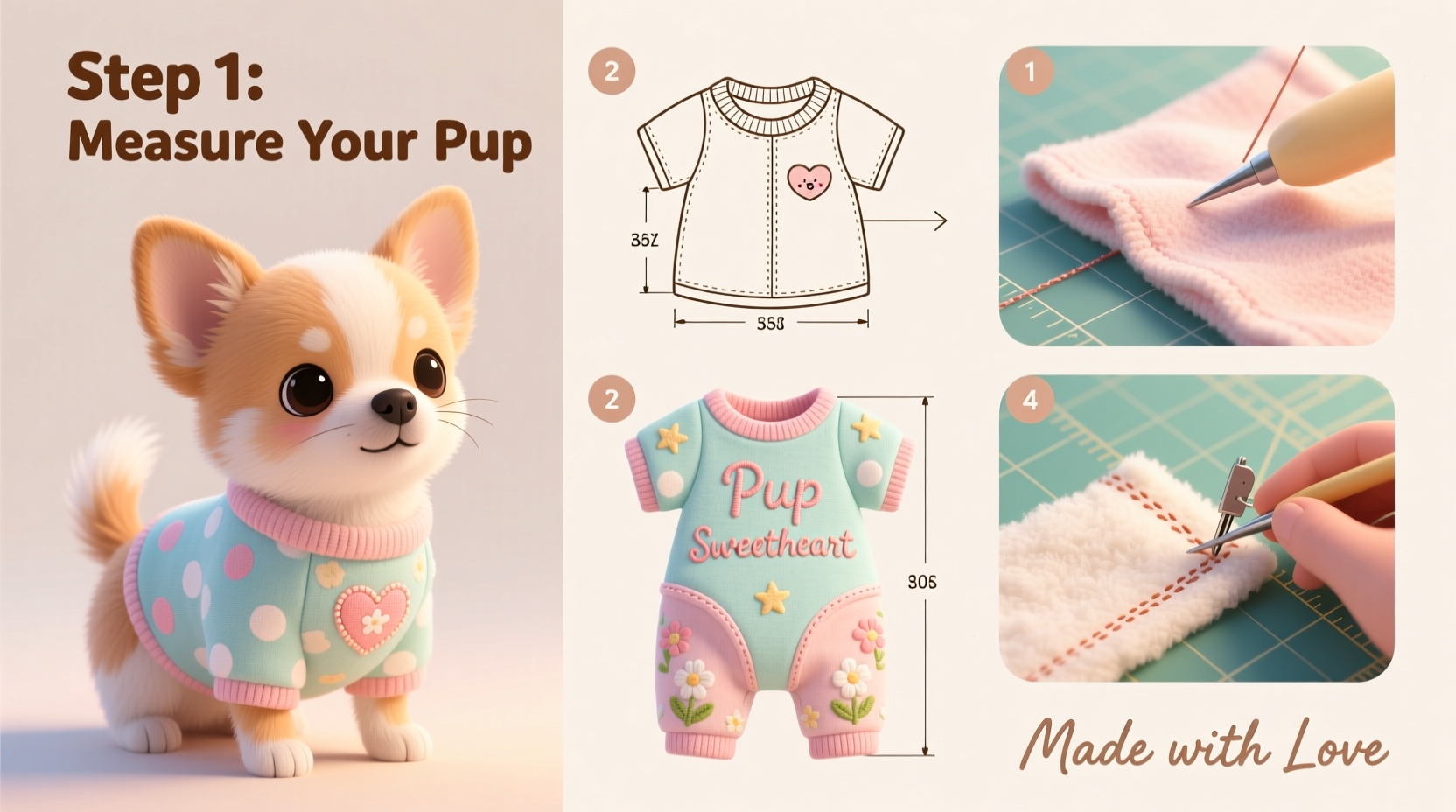
Pet fashion isn’t just about style—it’s about protection and comfort. Tiny breeds like Chihuahuas, Pomeranians, and toy poodles lose body heat quickly and benefit from lightweight sweaters in cooler weather. Off-the-rack clothing rarely accounts for individual proportions: a long back, short legs, or a narrow chest can render most patterns useless. By designing your own clothes, you control every detail: fabric choice, seam placement, stretch, and closures.
Handmade garments also eliminate unnecessary tags, rough seams, and synthetic linings that might irritate sensitive skin. Plus, there’s pride in seeing your pup prance proudly in something you made with love—and no two creations need to be alike.
“Tailored clothing improves mobility and reduces stress in small dogs. A proper fit means freedom of movement without chafing.” — Dr. Lena Torres, Veterinary Behavior Specialist
Step-by-Step Guide to Measuring and Designing the Perfect Fit
The foundation of any well-fitting garment is accurate measurement. Unlike humans, dogs have different body shapes depending on breed, age, and posture. Take these measurements while your dog stands naturally on all fours, not sitting or lying down.
- Neck Circumference: Measure around the base of the neck where the collar sits. Add ½ inch for ease.
- Chest Girth: Wrap the tape around the widest part of the chest, just behind the front legs. This is usually the largest measurement—add 1 inch for breathing room.
- Back Length: From the base of the neck (where the shoulders meet the spine) to the start of the tail. This determines the garment’s length.
- Leg Span: Measure from one front leg opening to the other across the chest. Helps determine armhole size.
- Neck-to-Waist: From the neck base to just before the hind legs. Useful for waist-seamed designs.
Choosing the Right Pattern Type
Start simple. For beginners, a pullover sweater or t-shirt pattern works best because it avoids complex closures. Later, you can experiment with button-down vests or hooded jackets. The classic “doggy T-shirt” template consists of two symmetrical panels connected at shoulders and sides, with openings for head and legs.
Selecting Fabrics and Materials
Baby dogs have delicate skin and high sensitivity to texture and temperature. Avoid stiff, non-breathable, or heavily dyed fabrics. Prioritize softness, stretch, and washability.
| Fabric Type | Best For | Avoid If… |
|---|---|---|
| Jersey Knit (Cotton) | Sweaters, T-shirts, liners | Dogs who chew clothing |
| Fleece | Winter wear, outer layers | Hot climates or double-coated breeds |
| Interlock Knit | Durable everyday wear | You need rigid structure |
| Organic Cotton Flannel | Soft pajamas, loungewear | Heavy outdoor use |
Always pre-wash fabric to prevent shrinkage after sewing. Cut with a ½-inch seam allowance unless otherwise noted. Use ballpoint needles for knits to avoid snags.
Tip: Repurpose old baby clothes or soft T-shirts—they’re already sized for small bodies and made from safe materials.Constructing Your First Baby Dog Outfit
This section walks through creating a basic pullover sweater using jersey knit fabric. Estimated time: 1.5–2 hours.
Materials Needed:
- ½ yard of cotton jersey knit (pre-washed)
- Matching polyester thread
- Ballpoint sewing needle (size 75/11)
- Scissors, pins, chalk marker
- Tape measure
- Pattern paper or butcher paper
Steps:
- Create a Template: On paper, draw a rectangle using your dog’s back length and chest girth (divided by 2). For example, if the back is 10 inches and chest girth is 16 inches, draw a 10\" x 8\" rectangle. Add a curved neckline (about 2\" deep from top center) and two side armholes (3\" wide, 2\" deep from top edge).
- Cut Two Panels: Trace the template onto fabric, aligning with the grain. Cut two identical pieces.
- Pin and Sew Shoulders: Place right sides together. Sew both shoulder seams with a narrow zigzag or stretch stitch.
- Join Sides: Fold the garment along the bottom edge and sew side seams from armpit to tail opening using the same stretch stitch.
- Finish Edges: Fold and hem neck, leg openings, and bottom edge with a twin needle for a professional, flexible finish.
- Try It On: Gently place over the dog’s head and adjust fit. The garment should allow full leg movement without riding up or restricting breathing.
If needed, add decorative touches like pom-poms, embroidery, or appliqués—but ensure they’re securely attached and non-toxic.
Real-Life Example: Luna the Pom-Chi’s Winter Sweater
Luna, a 4-pound Pomeranian-Chihuahua mix, struggled with shivering during winter walks. Her owner, Maria, tried three store-bought sweaters—each too tight under the arms or too short to cover her belly. Using this guide, Maria measured Luna carefully and drafted a pattern based on an old baby onesie. She used brushed cotton jersey and added a tiny kangaroo pocket for charm. The final fit allowed full range of motion, stayed in place during play, and became Luna’s favorite cold-weather companion. Neighbors started asking where they could buy one—unaware it was homemade.
Common Mistakes and How to Avoid Them
Even experienced sewers make errors when scaling down for pets. Here’s what to watch for:
- Over-tight armholes: Restrict shoulder movement. Always test mobility before finalizing seams.
- Ignores growth: Puppies grow fast. For pups under six months, add ½ inch to chest and length, and plan for frequent replacements.
- Wrong closure type: Buttons or zippers may be uncomfortable. Stick to pullovers for young dogs; snaps or Velcro can work for older pets if placed away from pressure points.
- Long loose threads: Can be chewed or tangled. Always secure ends inside seams.
“Dogs don’t tolerate discomfort silently. If a garment causes hesitation or scratching, it’s either too tight or textured wrong.” — Rachel Kim, Pet Apparel Designer
Frequently Asked Questions
How do I know if the clothes fit correctly?
The garment should slide on easily without stretching excessively. Once on, your dog should walk, sit, and lift legs normally. You should be able to fit two fingers comfortably around the neck and chest openings.
Can I machine wash handmade dog clothes?
Yes, but always use cold water and gentle cycle. Turn garments inside out and air dry to preserve elasticity and color. Avoid fabric softeners, which can degrade fibers over time.
What if my dog tries to chew the clothes?
Never force a dog to wear clothing they resist. Introduce it gradually with treats and praise. If chewing persists, limit wear time or switch to sturdier fabrics like interlock cotton. Never leave a dog unattended in clothing.
Final Checklist Before Wearing
- Double-checked all measurements against current size
- Used soft, non-irritating fabric
- Tested range of motion (walking, sitting, lifting legs)
- Secured all seams and trims
- Washed and dried the garment before first use
- Observed dog’s reaction during initial wear
Conclusion: Stitch Love Into Every Seam
Creating adorable, perfectly fitting clothes for your baby dog blends craftsmanship with compassion. Each stitch reflects attention to your pet’s comfort, personality, and needs. Whether you're making a cozy sweater for chilly nights or a festive holiday outfit, the result is more than fashion—it's functional love.
💬 Start today: Sketch a simple design, grab some soft fabric, and make your pup’s next outfit with care. Share your creations online and inspire others to sew with purpose!








