
Repurposing an old or unused aquarium into a thriving terrarium is more than just recycling—it’s an opportunity to craft a living piece of art. With the right balance of design, plant selection, and environmental control, you can turn glass walls once filled with fish into a lush, self-contained ecosystem bursting with greenery and texture. Whether you're drawn to mossy forest floors, arid succulent displays, or tropical humidity domes, this guide walks through every step to ensure your terrarium not only looks beautiful but flourishes over time.
Why Convert an Aquarium Into a Terrarium?
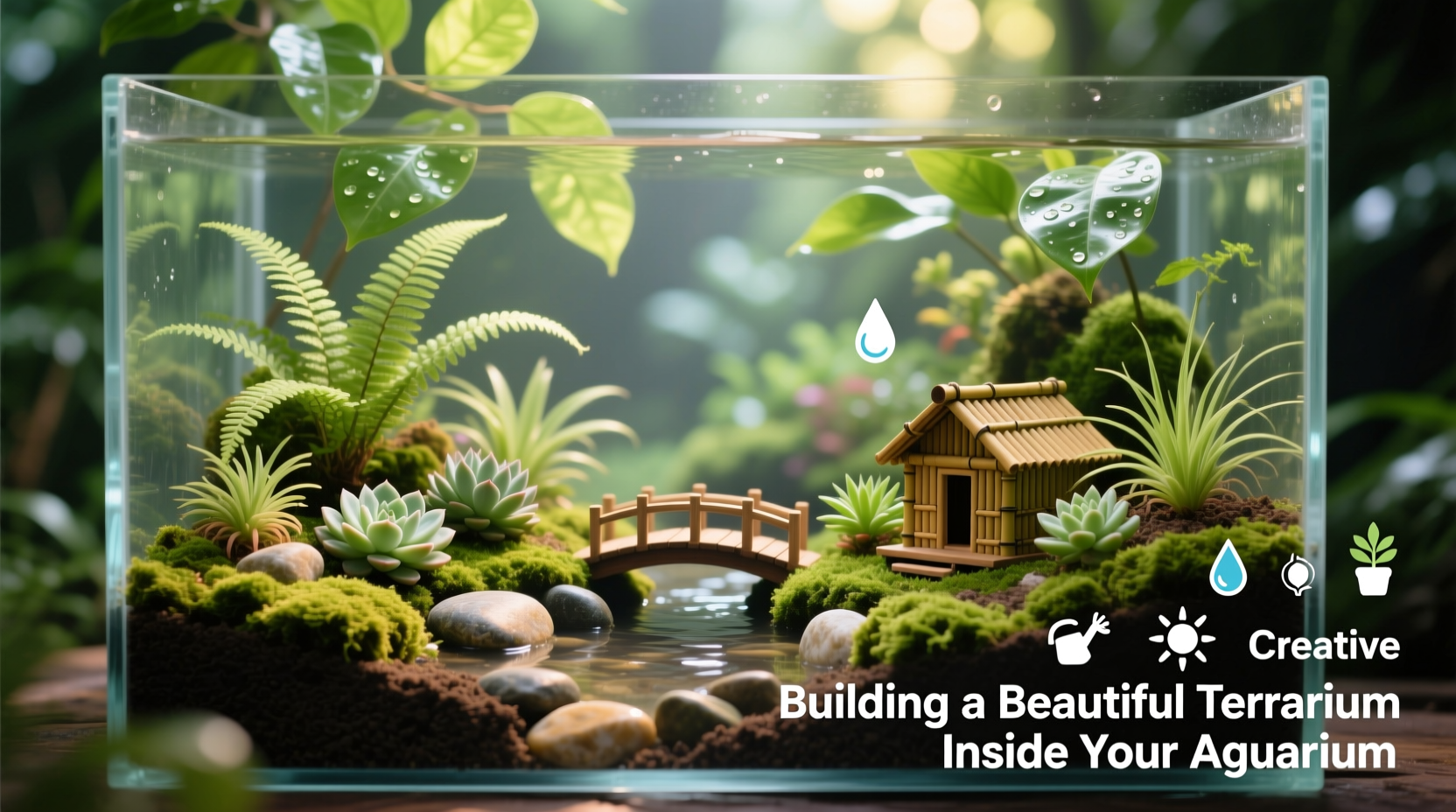
Aquariums are ideal candidates for terrarium conversion. Their sturdy glass construction, wide footprint, and built-in lid (in many models) create a controlled microclimate perfect for plants that thrive in consistent moisture or humidity. Unlike open containers, aquariums allow for better heat and moisture retention, making them especially effective for closed terrariums where evaporation is minimized.
Beyond practicality, there's aesthetic appeal. The clarity of glass offers unobstructed views from all angles, turning your creation into a centerpiece. Plus, using an existing aquarium reduces waste and gives new life to equipment that might otherwise sit unused.
Tip: Clean your aquarium thoroughly with vinegar and water before starting—avoid soap, which leaves residues harmful to plants.Selecting the Right Plants for Your Environment
The success of your terrarium hinges on choosing plants suited to the environment you intend to create. There are two primary types: closed (humid, low-airflow) and open (drier, ventilated). Matching plants to these conditions prevents rot, mold, and stunted growth.
Closed terrariums mimic rainforest understories. Ideal plants include:
- Ferns (e.g., maidenhair, button fern)
- Mosses (sheet moss, cushion moss)
- Pilea glauca
- Fittonia (nerve plant)
- Peperomia species
Open terrariums, better for succulents and cacti, require less humidity and more airflow:
- Echeveria
- Haworthia
- Sedum morganianum (donkey tail)
- Gasteria
“Choosing slow-growing, compact plants ensures longevity and minimizes maintenance.” — Dr. Lena Torres, Botanical Designer & Urban Horticulturist
Step-by-Step Guide to Building Your Terrarium
Follow this sequence to build a healthy, visually balanced terrarium inside your aquarium:
- Clean and prep the aquarium: Remove any residue, algae, or old silicone. Rinse with white vinegar and water, then dry completely.
- Add drainage layers: Start with 1–2 inches of small stones or LECA balls to prevent root saturation.
- Install a moisture barrier: Place a thin layer of activated charcoal above the stones to filter impurities and reduce odors.
- Add substrate: Use 2–3 inches of potting mix tailored to your plants—moisture-retentive soil for tropicals, sandy mix for succulents.
- Plant strategically: Begin with larger specimens, then fill gaps with smaller plants. Use tweezers or long spoons for precision.
- Incorporate hardscape elements: Add driftwood, rocks, or miniature décor to create depth and visual interest.
- Mist lightly: For closed terrariums, mist with distilled water. Open terrariums should be watered sparingly at the base.
- Seal and position: Cover if creating a closed system. Place in bright, indirect light—never direct sun, which can overheat the glass.
Design Principles for Visual Appeal
A beautiful terrarium balances form, texture, color, and scale. Consider these principles when arranging your layout:
- Rule of thirds: Position focal points off-center for natural composition.
- Vary height and texture: Combine tall, upright plants with trailing or ground-cover varieties.
- Use contrast: Pair broad leaves with fine moss or spiky succulents for dynamic interest.
- Incorporate negative space: Avoid overcrowding; let the hardscape breathe.
For example, a terrarium featuring a twisted piece of driftwood as a central anchor, surrounded by emerald sheet moss and accented with a single Fittonia in pink, creates both drama and harmony. Small decorative stones or sand patterns can enhance the theme—think desert dunes or woodland paths.
Terrarium Maintenance Checklist
To keep your terrarium vibrant, follow this monthly care routine:
- ✅ Wipe down glass interior to prevent algae buildup
- ✅ Prune yellowing or overgrown foliage
- ✅ Rotate the tank occasionally for even light exposure
- ✅ Check for condensation patterns (excess = too much water; none = needs misting)
- ✅ Remove dead plant matter promptly
- ✅ Fertilize sparingly—once every 6 months with diluted liquid houseplant food
Common Mistakes and How to Avoid Them
| Mistake | Consequence | Solution |
|---|---|---|
| Overwatering | Root rot, mold, foul odor | Water only when top layer feels dry; use spray bottles for precision |
| Using garden soil | Compaction, poor drainage, pests | Use sterile, well-draining potting mix or specialized terrarium soil |
| Placing in direct sunlight | Internal temperature spikes, plant burn | Choose north-facing windows or filtered artificial light |
| Mixing incompatible plants | Some thrive while others decline | Group plants by humidity, light, and water needs |
Real Example: From Fish Tank to Mini Forest
Sophie Chen, a graphic designer in Portland, transformed her 20-gallon aquarium into a closed terrarium after her betta fish passed. She layered lava rock, charcoal, and coco coir, then planted a mix of selaginella, mini ferns, and creeping fig. A piece of reclaimed cedar formed a natural bridge across the terrain. Within six weeks, moss spread across the soil, and condensation cycled naturally on the glass. “It feels like I have a piece of the Pacific Northwest rainforest on my desk,” she says. “I water it once a month—and it’s become a calming focus during work calls.”
Lighting and Environmental Control
Natural light is ideal, but inconsistent. North- or east-facing windows provide soft, indirect illumination. South- and west-facing exposures often require sheer curtains to diffuse intensity.
For darker spaces, LED grow lights offer reliable support. Choose full-spectrum bulbs (5000–6500K) and run them 8–10 hours daily. Timers help maintain consistency, mimicking natural daylight cycles.
Monitor internal conditions: Closed terrariums should show light morning condensation that clears by midday. Persistent fogging means excess moisture—open the lid for a few hours. No condensation? Mist lightly with distilled water.
FAQ
Can I use my old freshwater aquarium setup for a terrarium?
Yes, provided it’s clean and free of chemical residues. Remove any pumps or filters. The glass tank itself is perfectly suitable—just ensure the lid allows some airflow unless you’re creating a fully sealed environment.
How do I prevent mold in a closed terrarium?
Mold typically arises from excess moisture or decaying matter. Prevent it by using activated charcoal in your layering, avoiding overwatering, removing dead leaves quickly, and opening the lid briefly once a week to refresh air.
Do terrariums need fertilizer?
Minimal feeding is best. Most terrarium plants grow slowly and can survive on nutrients in the soil for months. If needed, apply a quarter-strength liquid fertilizer every 4–6 months during active growing seasons (spring/summer).
Conclusion: Bring Nature Indoors with Purpose
Building a terrarium inside an aquarium blends sustainability with creativity, turning forgotten glass into a living canvas. By understanding plant needs, mastering layering techniques, and maintaining balance, you create more than decoration—you cultivate a miniature world that evolves and breathes over time. These ecosystems invite mindfulness, teach patience, and reconnect us with nature in unexpected ways.
🚀 Ready to start your own terrarium transformation? Gather your materials, choose your plants, and begin today. Share your progress online—your journey might inspire someone else to see beauty in what they thought was obsolete.








