
For cats who love fresh air but still crave comfort and safety, an outdoor cat tree house offers the perfect balance. More than just a shelter, it becomes a personal retreat where your cat can nap in filtered sunlight, observe birds from a secure perch, or escape the hustle of indoor life. Building one doesn’t require advanced carpentry—just thoughtful planning, weather-resistant materials, and an understanding of your cat’s instincts. This guide walks you through designing and constructing a structure that is both functional and inviting, ensuring years of enjoyment for your feline companion.
Understanding Your Cat’s Outdoor Needs
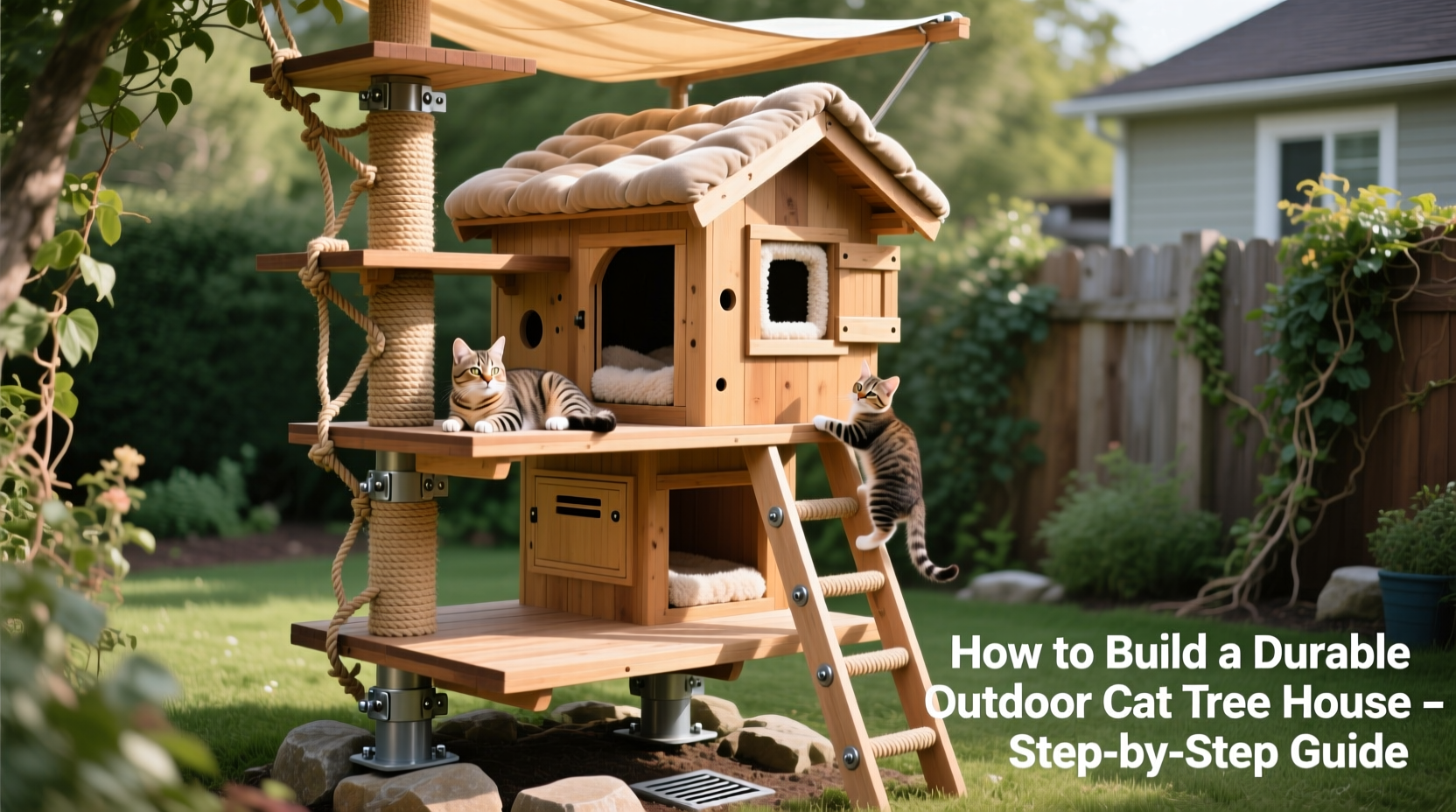
Cats are naturally curious and territorial. An outdoor space should satisfy their desire to explore while offering protection from predators, weather extremes, and sudden disturbances. A well-designed cat tree house provides vertical territory, which cats instinctively favor for surveillance and security. It should include elevated platforms, hiding spots, and resting areas with unobstructed views of the surroundings.
Consider your cat’s behavior: Does she enjoy climbing? Is she timid around loud noises? These insights shape the design. For example, a skittish cat benefits from enclosed cubbies with multiple exit points, while an adventurous climber might appreciate ramps and rope ladders leading to upper decks.
“Cats thrive in environments where they can control their exposure to stimuli. A layered outdoor structure gives them choices—sun, shade, height, or seclusion.” — Dr. Lena Reyes, Feline Behavior Specialist
Design Principles for Durability and Comfort
The success of an outdoor cat tree house hinges on two core principles: durability against the elements and comfort for daily use. The structure must withstand rain, UV exposure, temperature swings, and occasional rough play. At the same time, it should feel warm, stable, and familiar to your cat.
Choose a location that receives morning sun but has afternoon shade. Avoid placing it directly under trees where falling branches or excessive leaf litter could become issues. Ensure the ground is level and well-drained to prevent moisture buildup beneath the foundation.
Tip: Elevate the base of the structure at least 4 inches off the ground using concrete pavers or treated wood posts to prevent water absorption and deter pests.Material Selection Guide
| Component | Recommended Material | Avoid |
|---|---|---|
| Framing | Pressure-treated pine or cedar | Untreated softwoods |
| Exterior Walls | Marine-grade plywood or composite decking | Standard plywood |
| Roofting | Asphalt shingles or corrugated metal | PVC sheets (can overheat) |
| Interior Surfaces | Sanded cedar or non-toxic painted MDF | Particleboard, varnished finishes |
| Fasteners | Stainless steel or galvanized screws | Regular nails or zinc-coated hardware |
Insulation is essential if you live in a climate with cold winters. Use closed-cell foam board between wall panels to retain heat without absorbing moisture. Line interior resting areas with removable, washable fleece pads secured by Velcro—this allows for easy cleaning and seasonal adjustments.
Step-by-Step Construction Process
Follow this sequence to assemble a stable, multi-level outdoor cat tree house suitable for most backyard settings.
- Sketch the Design: Draw a simple blueprint with dimensions. Include at least one enclosed cabin (18” x 18” x 18”), a mid-level platform (24” x 24”), and a top perch (16” diameter). Add a ramp or stairs connecting levels.
- Prepare the Base Frame: Cut four 2x4s into 24-inch lengths for the foundation frame. Secure them into a square using exterior-grade wood glue and stainless screws. Attach 2x2 legs at each corner, extending 4 inches below the frame.
- Build the Cabin: Construct walls from marine-grade plywood, cutting entry holes 7–8 inches in diameter. Assemble into a box, leaving the bottom open. Attach to the base frame using angle brackets.
- Add Platforms and Supports: Install horizontal supports between legs for platform attachment. Use ¾-inch decking boards to create sturdy platforms. Reinforce joints with triangular wooden gussets.
- Install the Roof: Build a simple A-frame roof from two plywood triangles covered with shingles. Overhang edges by 2–3 inches to shed water away from walls. Hinge one side for access to clean the interior.
- Incorporate Climbing Elements: Wrap sisal rope tightly around vertical posts for scratching zones. Attach wooden steps or carpeted planks as ramps. Ensure all climbing paths have secure handholds (for cats).
- Seal and Finish: Apply exterior-grade, pet-safe sealant to all wood surfaces. Allow 48 hours to cure before introducing your cat.
Real Example: The Willowbrook Backyard Cat Tower
In Portland, Oregon, Sarah Lin built a three-tiered outdoor cat tree house for her two rescue cats, Milo and Juno. Concerned about dampness due to frequent rain, she used cedar framing and coated all seams with waterproof silicone. She added a sloped metal roof and installed a small awning over the main entrance. Inside the cabin, she placed a heated pad (thermostat-controlled) for winter use, covered with a machine-washable sheepskin liner.
Milo, an older cat, prefers the lower platform near the garden path, while Juno climbs to the rooftop observatory every morning. Sarah reports that both cats use the structure daily, even during drizzle, thanks to the overhangs and dry interior. After two years, only minor resealing was needed—proof that smart material choices pay off.
Essential Features Checklist
- ☑ Elevated base to prevent moisture damage
- ☑ Weatherproof roofing with overhangs
- ☑ Ventilation gaps near the roofline (small drilled holes)
- ☑ Insulated cabin for temperature regulation
- ☑ Non-slip surfaces on all platforms
- ☑ Sisal-wrapped posts for scratching
- ☑ Removable interior padding for cleaning
- ☑ Secure anchoring to resist wind
- ☑ Multiple access points for confidence and escape routes
- ☑ Shade cover or adjustable canopy for summer
Frequently Asked Questions
Can I leave the cat tree house outside all year?
Yes, provided it’s built with weather-resistant materials and properly sealed. Inspect it seasonally for wear, especially after heavy storms. Remove cushions during prolonged wet periods if not fully waterproof.
How do I encourage my cat to use it?
Place familiar-smelling bedding inside, sprinkle catnip on the platforms, and spend time nearby to create positive associations. Gradually move feeding or treat sessions closer to the structure until your cat feels confident exploring it independently.
Is it safe from predators like raccoons or hawks?
Elevating the structure and limiting entry hole size (no larger than 8 inches) helps deter most predators. Avoid placing food inside overnight, and consider installing motion-sensor lights nearby for added security.
Final Thoughts and Next Steps
A thoughtfully built outdoor cat tree house enhances your cat’s quality of life by merging adventure with sanctuary. It encourages natural behaviors—climbing, perching, hunting with the eyes—while keeping them protected from environmental hazards. Beyond function, it becomes a cherished part of your garden, reflecting care and creativity.
You don’t need perfection on the first try. Start with a simple two-level design and expand as you learn your cat’s preferences. Document what works: maybe they love sunbathing on the roof, or perhaps they prefer a hidden nook behind a false wall. Each adjustment makes the space more personalized and effective.
💬 Ready to build your cat’s dream retreat? Gather your tools this weekend, sketch a plan, and take the first cut. Share your progress online—your project might inspire another cat parent to create something equally special.








