Cats are naturally curious and predatory animals. Their instincts drive them to stalk, pounce, and bat at moving objects—especially those that mimic the erratic motion of prey. While commercial cat toys are widely available, nothing beats the charm and effectiveness of a handmade toy made from simple household materials. String, in particular, is an ideal medium: lightweight, flexible, and easy to manipulate into dynamic shapes that capture a cat’s attention. When used responsibly, string-based toys can provide hours of mental stimulation and physical exercise. The key is creativity, safety, and understanding your cat’s play style.
Why String Works So Well for Cat Play
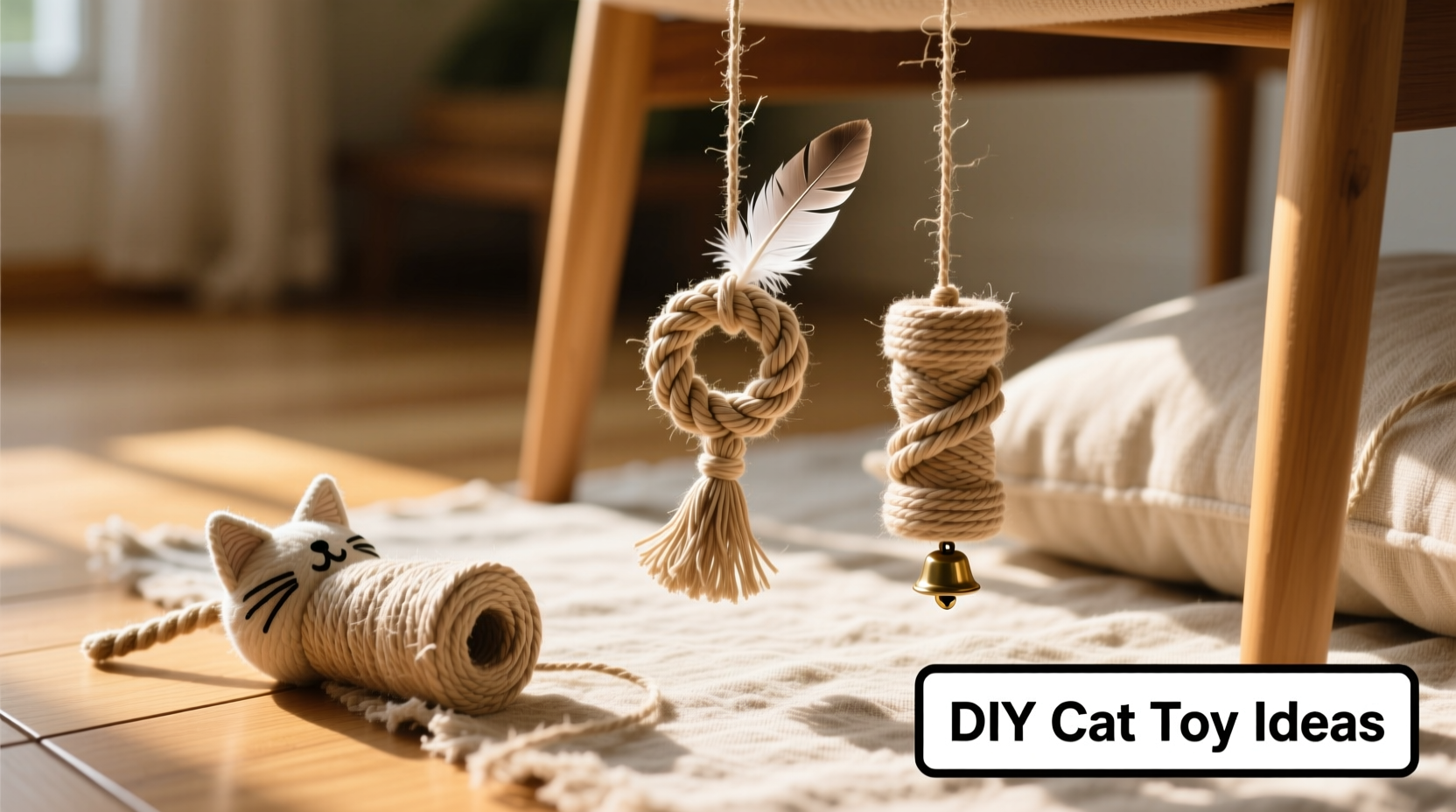
String appeals to cats on multiple levels. Its thin, elongated shape resembles worms, snakes, or insect trails—common targets in a cat’s natural hunting repertoire. When dangled or dragged across the floor, string creates unpredictable movement patterns that trigger a cat’s chase reflex. Unlike rigid toys, string can twist, flutter, and bounce in ways that keep feline minds engaged.
Moreover, string is accessible and sustainable. Most households have spare yarn, twine, or even old shoelaces that can be repurposed. With minimal effort, these scraps transform into stimulating playthings that cost almost nothing. The tactile feedback from batting at string also satisfies a cat’s need to claw and grip, helping redirect scratching behavior away from furniture.
“Simple toys made from string tap directly into a cat’s innate hunting behaviors. They’re not just entertaining—they’re mentally enriching.” — Dr. Lena Reyes, Feline Behavior Specialist
Safe Practices When Using String Toys
While string offers excellent play value, it carries risks if misused. Loose fibers can be ingested, leading to intestinal blockages—a serious medical emergency. Always supervise play sessions involving string. Never leave a cat unattended with a string toy, and never tie string around a cat’s neck or attach it to their collar.
After play, store string toys out of reach. Avoid using synthetic strings that fray easily or contain small detachable parts. Natural cotton or wool yarns are preferable because they break under pressure, reducing the risk of entanglement or internal harm if accidentally swallowed.
Tip: Always end string play with a tangible “catch,” like a plush mouse or treat, so your cat doesn’t fixate on intangible strings as real prey.5 Creative String-Based Cat Toys You Can Make in Minutes
No crafting experience is needed. These DIY toys use basic knots, loops, and attachments to create engaging motion and texture.
1. The Wiggle Worm
Cut a 2-foot length of soft yarn. Tie several overhand knots along its length, spacing them 3–4 inches apart. The knots create bumpy segments that resemble a crawling worm. Drag it slowly across the floor or wiggle it under a blanket to simulate underground movement.
2. Loop Lure
Form a circle by tying the ends of a 12-inch string together. Attach one end of the loop to a stick, ruler, or chopstick using a secure knot. Dangle the loop just above the ground and move it in zigzags or circles. Cats love swatting at the floating ring.
3. Tassel Teaser
Bunch 5–6 strands of yarn (each about 10 inches long) and tie them tightly at one end. Fan out the free ends to form a tassel. Tape the knotted end to the edge of a table so the tassel hangs within pawing distance. The dangling fibers invite batting and grabbing.
4. String Sushi
Tie a small bundle of feathers or felt cut into fish shapes onto one end of a string. Hold the other end and drag it in quick bursts across the floor. The feathered “bait” mimics fleeing prey, triggering high-energy chases.
5. Puzzle Pull
Weave a long string through cardboard tubes or empty toilet paper rolls stacked loosely on the floor. Gently pull the string to make the tubes shift and collapse. This combines visual intrigue with interactive cause-and-effect learning.
Step-by-Step Guide: Making a Woven Wand Toy
A wand-style toy gives you control over movement while keeping hands safely away from claws. Here’s how to assemble one using only string and common items:
- Gather supplies: 3 feet of medium-thickness cotton string, a wooden dowel or sturdy stick (8–10 inches), and optional feathers or felt scraps.
- Tie one end of the string securely around the middle of the dowel.
- Weave the string in a zigzag pattern across the dowel, creating a loose web.
- At the far end, tie on a few feathers or a knotted scrap of fabric.
- Double-knot the string back to the dowel to secure the lure.
- Test the toy by dragging it slowly—ensure no parts loosen under gentle tugging.
This toy encourages jumping, stretching, and precision swiping. Change the lure weekly to maintain novelty.
| Toys | Best For | Safety Notes |
|---|---|---|
| Wiggle Worm | Kittens & indoor hunters | Use only under supervision; remove if frayed |
| Loop Lure | Cats who love chasing | Avoid synthetic plastic strings |
| Tassel Teaser | Shy or older cats | Mount out of reach when not in use |
| String Sushi | High-energy play | Feathers should be firmly attached |
| Puzzle Pull | Mental stimulation | Use non-toxic tape on cardboard |
Real Example: How Mia Revived Her Cat’s Interest in Play
Mia, a pet owner from Portland, noticed her 7-year-old tabby, Jasper, had become lethargic and disinterested in his usual toys. After consulting her vet, she learned Jasper needed more daily enrichment. Remembering an old shoelace in her junk drawer, she tied a few knots in it and dragged it across the rug. To her surprise, Jasper sprang into action, leaping and pouncing like a kitten. Over the next week, she rotated different string toys—each slightly varied in texture and movement. Within ten days, Jasper was more alert, playful, and even initiated games by bringing the string to her. “It was amazing what a $0 toy could do,” Mia said. “He acts five years younger.”
Checklist: Creating Safe and Fun String Toys
- ✅ Use only natural-fiber string (cotton, wool, jute)
- ✅ Supervise all play sessions
- ✅ Avoid strings shorter than 6 inches (choking hazard)
- ✅ Knot ends securely to prevent unraveling
- ✅ Rotate toys weekly to prevent boredom
- ✅ Store toys out of reach when not in use
- ✅ End each session with a solid toy or treat
- ❌ Never leave string toys in cages or alone time
Frequently Asked Questions
Can I use dental floss or fishing line for cat toys?
No. These materials are too thin, strong, and slippery. If ingested, they can cause severe internal damage known as linear foreign body obstruction. Stick to soft, breakable fibers like cotton yarn.
How often should I replace homemade string toys?
Inspect toys before each use. Replace them immediately if they show fraying, loose knots, or worn attachments. As a rule, refresh string toys every 2–3 weeks, even if they appear intact.
My cat bites the string during play. Is that dangerous?
Biting is normal, but swallowing any piece is risky. If your cat tends to mouth toys aggressively, limit string play to 5–10 minutes and always retrieve the toy before they can chew it apart. Consider switching to wand toys with fixed lures.
Final Thoughts: Simple Tools, Big Impact
You don’t need fancy gadgets or expensive kits to keep your cat mentally sharp and physically active. A humble piece of string, thoughtfully used, can spark joy, improve agility, and strengthen your bond. The best toys aren’t bought—they’re shared moments of movement, surprise, and interaction. By combining creativity with caution, you turn everyday materials into powerful tools for feline well-being.
💬 Have a favorite DIY string toy idea? Share your innovation in the comments and inspire fellow cat lovers to play smarter!








