
Cats are naturally curious and expressive animals, and many owners enjoy celebrating their unique personalities through small fashion statements—like bandanas. When done thoughtfully, adding a bandana can be a fun, low-impact way to personalize your feline’s look for photos, special occasions, or even seasonal themes. However, unlike dogs, cats are more sensitive to new textures, restraints, and changes in their environment. The key to successful accessory use lies in prioritizing comfort, safety, and patience. This guide explores how to introduce bandanas in a way that enhances bonding rather than causing anxiety.
Why Accessorizing Should Be Stress-Free
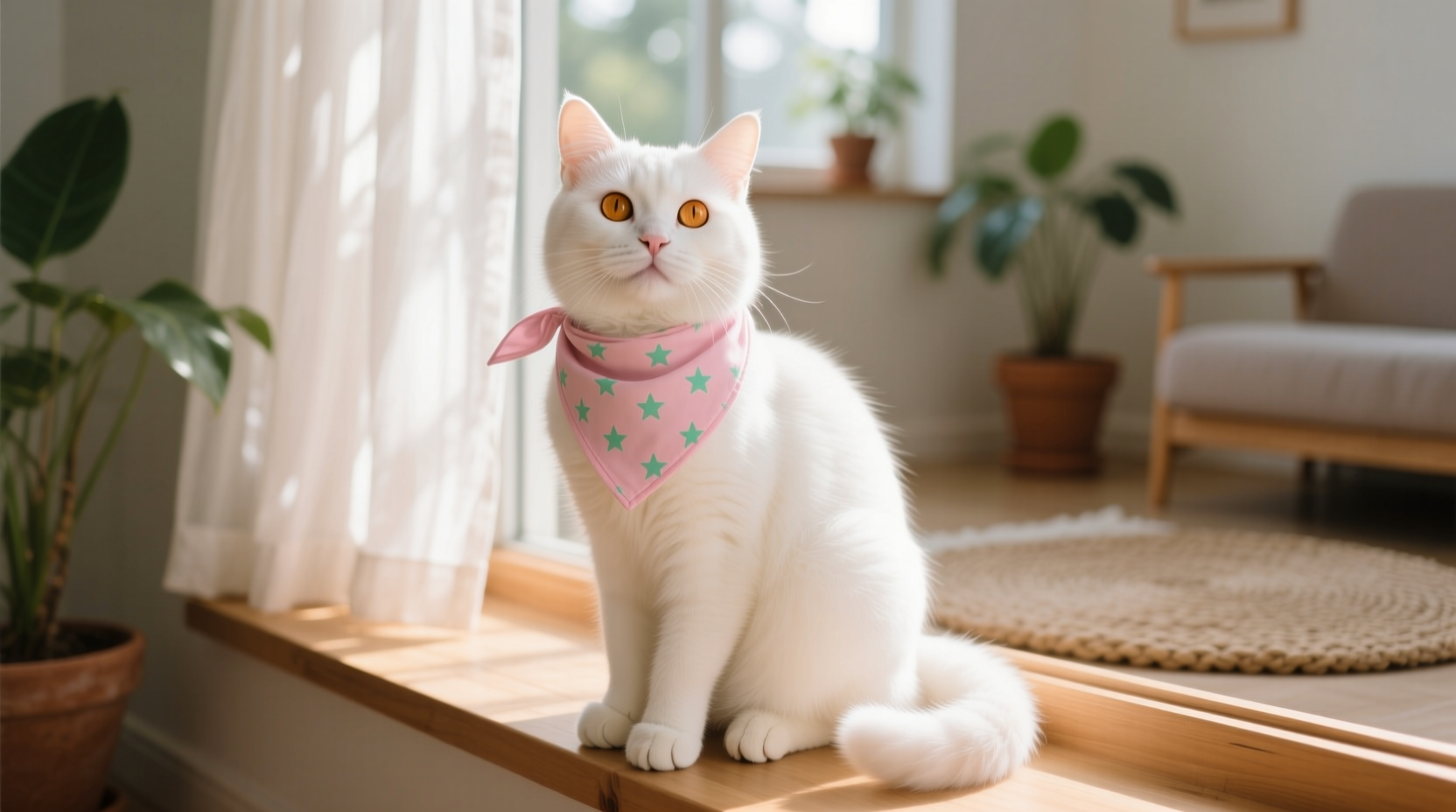
Cats rely heavily on routine and body awareness. Any unfamiliar object around the neck can trigger instinctive resistance, especially if it restricts movement or feels constricting. A poorly fitted or forced accessory may lead to scratching, chewing, escape attempts, or long-term aversion to handling. According to Dr. Lena Torres, a feline behavior specialist at the Urban Cat Wellness Center:
“Cats interpret discomfort as a threat. If an accessory causes even mild irritation, it can erode trust. The goal should never be compliance through persistence, but cooperation through positive association.” — Dr. Lena Torres, Feline Behavior Specialist
This means that the process must begin well before the bandana is tied. It starts with observation, preparation, and respect for your cat’s individual temperament.
Choosing the Right Bandana: Materials and Design
Not all fabrics are suitable for cats. The ideal bandana should be lightweight, breathable, and soft to the touch. Avoid stiff materials like denim or synthetic blends that retain heat. Instead, opt for natural fibers such as cotton or bamboo viscose, which are gentle on the skin and less likely to cause overheating.
Shape matters too. While triangular bandanas are traditional, pre-made rectangular or collar-style bandanas with snap buttons often provide better fit and security without tying knots near sensitive areas.
Tip: Test fabric softness by rubbing it against your inner wrist—if it feels rough there, it’s too harsh for your cat’s neck.Safe Fabric Options Compared
| Fabric Type | Pros | Cons |
|---|---|---|
| 100% Cotton | Breathable, washable, soft | May wrinkle or stretch when wet |
| Bamboo Blend | Natural antibacterial, silky texture | Slightly more expensive |
| Polyester-Cotton Mix | Durable, colorfast | Less breathable, may trap heat |
| Flannel (lightweight) | Warm in winter, cozy feel | Too warm for summer; avoid in hot climates |
Step-by-Step: Introducing the Bandana Gradually
Rushing the process is the most common reason cats reject accessories. Follow this timeline to build familiarity over several days:
- Day 1–2: Let Them Investigate – Place the unfolded bandana near your cat’s favorite resting spot. Sprinkle it with catnip or sprinkle a bit of treats nearby to create a positive association.
- Day 3: Touch & Treat – Gently drape the bandana over your cat’s back for 5–10 seconds while offering a treat. Remove immediately and praise. Repeat 2–3 times per day.
- Day 4: Brief Neck Placement – Loosely place the bandana around the neck without tying. Hold it in place for 5 seconds while petting and rewarding. Never force it.
- Day 5–6: Short-Term Wear – Secure loosely with a single knot or clip. Allow wear for no more than 2 minutes initially. Monitor closely for signs of distress.
- Day 7+: Increase Duration Gradually – Only extend wear time if your cat shows no avoidance behaviors (e.g., pawing, hiding, excessive grooming).
If your cat walks away or shakes their head vigorously, end the session and try again later. Patience is non-negotiable.
Design Ideas That Prioritize Comfort
Accessorizing doesn’t have to mean traditional knots. Get creative while keeping safety first:
- The Collar Clip Bandana: Use a snap-on triangle piece attached to an existing breakaway collar. No extra tying, easy to remove.
- Themed Corners: Fold one corner into a festive shape (like a heart for Valentine’s Day) and secure with a tiny stitch—never glue or sharp embellishments.
- Seasonal Swaps: Rotate lightweight pastel prints in spring and cozy plaid in winter, always matching ambient temperature.
- Photo-Only Accessories: Reserve bandanas strictly for short photo sessions. This keeps them novel and low-pressure.
Real Example: Introducing Luna to Her First Bandana
Luna, a 3-year-old domestic shorthair adopted from a shelter, was initially wary of handling. Her owner, Mark, wanted to dress her up for a holiday card but knew she startled easily. He began by placing a soft blue cotton bandana on the couch next to her nightly treat. After two days, he gently brushed it against her shoulder during petting. By day five, he draped it loosely around her neck for a few seconds while feeding her favorite chicken paste. On day seven, he secured it with a loose knot for exactly 90 seconds—long enough to snap three photos. Luna remained calm throughout because each step had been paired with something she loved. Now, she tolerates brief accessory wear once a month, always followed by playtime.
Do’s and Don’ts of Cat Bandana Safety
| Do’s | Don’ts |
|---|---|
| Use breakaway knots or snap attachments | Tie tight or complex knots near the throat |
| Supervise at all times | Leave your cat unattended with a bandana |
| Wash regularly to prevent odor buildup | Use strong detergents or fabric softeners |
| Respect your cat’s limits—even if they never accept it | Force wear for social media or events |
FAQ: Common Concerns About Cat Bandanas
Can a bandana hurt my cat?
Yes, if improperly fitted. A tight or tangled bandana can restrict breathing or become a choking hazard. Always ensure you can fit two fingers between the fabric and your cat’s neck. Never leave a cat unsupervised while wearing one.
My cat keeps pulling the bandana off. Is this normal?
Completely normal. Most cats will attempt to remove foreign objects from their bodies. If your cat consistently rejects the bandana after multiple patient attempts, it may simply not be right for them—and that’s okay. Their comfort comes first.
How do I clean a cat bandana?
Hand-wash with mild, fragrance-free soap and lukewarm water. Rinse thoroughly and air-dry flat. Avoid dryers, which can shrink delicate fabrics. Wash after every 2–3 uses to prevent bacterial growth.
Essential Checklist Before Trying a Bandana
- ✅ Confirm your cat is healthy and not recovering from illness or surgery
- ✅ Choose a soft, breathable fabric under 4 inches wide
- ✅ Perform a scent test—let your cat sniff the bandana first
- ✅ Have high-value treats ready (e.g., tuna paste, freeze-dried chicken)
- ✅ Set aside distraction-free time for gradual introduction
- ✅ Ensure no strings, ribbons, or loose threads are present
- ✅ Commit to stopping if your cat shows signs of stress
Final Thoughts: Fashion Should Follow Function
Accessorizing your cat can be a joyful expression of companionship—but only when it aligns with their well-being. A successful bandana experience isn’t measured by how cute the photo turns out, but by whether your cat remains relaxed, curious, or indifferent. Some cats will eventually lean into the attention; others will never tolerate anything beyond a collar charm. Both responses are valid.
The most stylish accessory a cat can wear is confidence. When introduced with empathy and care, a simple bandana can become part of a trusting relationship—not a source of struggle. Start slow, stay observant, and let your cat lead the way.
💬 Have a tip for stress-free cat fashion? Share your story or favorite bandana design in the comments below—we’d love to hear how you make it work for your feline friend!








