Maintaining a clean and balanced aquarium begins from the bottom up. Bottom feeder fish play a crucial role in small tank ecosystems by consuming leftover food, algae, and organic debris that settle on the substrate. In compact environments—especially tanks under 20 gallons—selecting the right species is vital. The wrong choice can lead to overcrowding, stress, or even tank imbalance. This guide explores top-performing bottom dwellers suited for small tanks, their care requirements, compatibility considerations, and practical maintenance strategies to ensure long-term success.
Why Bottom Feeders Matter in Small Tanks
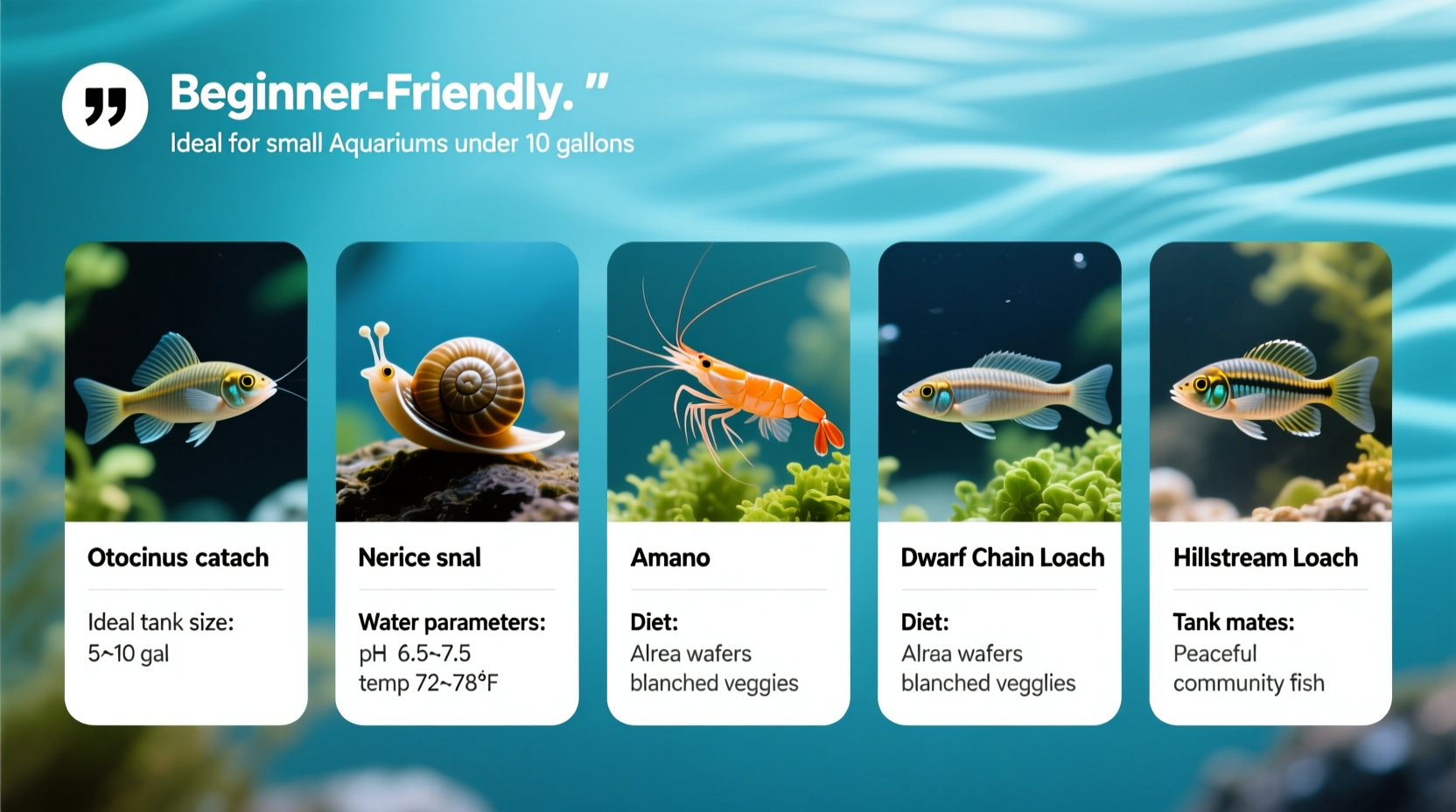
In confined spaces, waste accumulates faster than in larger systems. Uneaten food and decaying plant matter break down into ammonia, which threatens water quality. Bottom feeders help mitigate this by scavenging detritus before it decomposes fully. Beyond cleanliness, they add behavioral diversity and visual interest to your aquarium’s lower levels.
However, not all bottom feeders are suitable for limited space. Some grow too large, require high oxygen levels, or exhibit territorial behavior incompatible with community setups. The ideal candidates are small, peaceful, low-waste producers with moderate environmental needs.
Tip: Avoid over-relying on bottom feeders for tank cleaning—they supplement maintenance but don’t replace regular water changes and gravel vacuuming.Top 5 Bottom Feeder Fish for Small Tanks
The following species are proven performers in nano and small aquariums (5–20 gallons), combining functionality with aesthetic appeal.
- Otocinclus Catfish – These tiny algae eaters (1.5–2 inches) are gentle, efficient grazers. Ideal for planted tanks, they thrive in groups of four or more but require established biofilms and supplemental feeding like blanched zucchini or algae wafers.
- Corydoras Pygmaeus (Pygmy Cory) – Reaching only 1 inch, these active shoaling fish sift through sand gently. They prefer soft substrates and benefit from companionship; keep at least six together.
- Chili Rasbora (Boraras brigittae) – While not traditional bottom feeders, they frequently forage near the substrate and occupy lower zones. Their vibrant red color enhances visual depth.
- Dwarf Sucker Loach (Yasuhikotakia sidthimunki) – Grows to about 2.5 inches and excels at cleaning glass and decorations. Best kept in pairs or trios but requires stable parameters and excellent water quality.
- Amano Shrimp (Caridina multidentata) – Technically not a fish, but an exceptional detritivore. Highly effective against hair algae and safe with most tank mates. Sensitive to copper-based medications.
Species Comparison Table
| Species | Max Size | Tank Size Min. | Diet | Temperament | Notes |
|---|---|---|---|---|---|
| Otocinclus Catfish | 2 inches | 10 gal (group) | Algae, biofilm, veggies | Peaceful | Sensitive to poor water; needs mature tank |
| Pygmy Cory | 1 inch | 10 gal | Micro-pellets, frozen foods | Social, non-aggressive | Shoaling species; avoid sharp substrates |
| Chili Rasbora | 0.75 inch | 5 gal (nano) | Fine flakes, infusoria | Calm | Excellent for nano tanks; prefers dim lighting |
| Dwarf Sucker Loach | 2.5 inches | 20 gal | Algae, sinking pellets | Peaceful | Sensitive to nitrates; needs hiding spots |
| Amano Shrimp | 2 inches | 5 gal | Algae, detritus, blanched veg | Non-territorial | Doesn't breed in freshwater; escapes easily |
Essential Care Tips for Success
Even the hardiest species need proper conditions to thrive. Small tanks are more vulnerable to parameter swings, making stability a top priority.
- Substrate Choice: Use fine sand or smooth gravel to protect delicate barbels and bellies, especially for corydoras and otos.
- Water Quality: Perform weekly 20–25% water changes. Monitor ammonia, nitrite, and nitrate levels closely.
- Feeding: Most bottom feeders don’t get enough nutrition from scraps alone. Offer sinking pellets, algae wafers, or vegetable matter every other day.
- Hiding Places: Include driftwood, caves, or dense plants to reduce stress and support natural behaviors.
- Temperature & pH: Maintain 72–79°F and pH between 6.5–7.5 unless species-specific needs differ.
“Many beginners assume algae eaters will survive on tank scraps alone. In reality, malnutrition is a leading cause of early mortality in otocinclus and pygmy corys.” — Dr. Lena Reyes, Aquatic Veterinarian
Step-by-Step Guide: Introducing a Bottom Feeder to a Small Tank
- Assess Tank Readiness: Ensure your aquarium has cycled for at least 4–6 weeks and maintains stable parameters.
- Select Compatible Species: Match temperament and water needs with existing inhabitants.
- Quarantine New Arrivals: Observe for illness for 7–10 days before introduction.
- Acclimate Slowly: Float the bag or use drip acclimation over 60 minutes to adjust temperature and pH.
- Feed Immediately: Offer a small amount of appropriate food after release to encourage feeding and reduce stress.
- Monitor Behavior: Watch for signs of aggression, lethargy, or refusal to eat during the first 48 hours.
Real Example: Reviving a Problem Tank
Sarah, a hobbyist in Portland, struggled with persistent brown algae and cloudy water in her 10-gallon planted tank. Despite weekly maintenance, diatoms returned rapidly. After testing revealed elevated phosphate levels, she researched cleanup crews. She introduced a group of six otocinclus and a trio of Amano shrimp. Within three weeks, glass clarity improved significantly, and biofilm buildup decreased. By pairing them with targeted water changes and reduced feeding, Sarah restored balance. “I didn’t realize how much I was overfeeding until the otos showed me,” she said. “They’re like little janitors with personalities.”
Common Mistakes to Avoid
- Overstocking: Even small bottom feeders contribute to bioload. Follow the one-inch-per-gallon rule cautiously—small tanks need extra buffer.
- Ignoring Social Needs: Many species, like pygmy corys, suffer when kept singly. Always research group requirements.
- Using Copper-Based Medications: Shrimp and sensitive catfish can die from trace copper. Opt for copper-free treatments when possible.
- Skipping Acclimation: Rapid changes in pH or temperature can shock small-bodied fish, leading to fatal stress.
- Assuming Algae Control Is Guaranteed: If algae blooms due to light or nutrient imbalance, no number of bottom feeders will fix the root issue.
Frequently Asked Questions
Can I keep multiple types of bottom feeders together?
Yes, if tank size and compatibility allow. For example, otocinclus and Amano shrimp coexist well. Avoid mixing aggressive or similarly sized competitors like loaches with small corys unless space permits.
How many bottom feeders should I add to a 10-gallon tank?
Start with one functional group: either 6 pygmy corys, 4–5 otocinclus, or 3–4 Amano shrimp. Add more only if filtration and maintenance routines can handle increased bioload.
Do bottom feeders eat live plants?
Most do not. Otocinclus may graze on soft leaves like java moss if starving, but they primarily target biofilm. Healthy, well-fed bottom dwellers pose minimal risk to established plants.
Final Checklist Before Buying
- ✅ Confirm your tank is fully cycled and stable.
- ✅ Research adult size and lifespan of the species.
- ✅ Ensure compatibility with current fish and invertebrates.
- ✅ Prepare appropriate food sources beyond flakes.
- ✅ Install hiding places and soft substrate if needed.
- ✅ Plan quarantine procedures for new arrivals.
Conclusion: Build a Balanced, Thriving Ecosystem
Choosing the right bottom feeder isn’t just about cleanliness—it’s about creating harmony in a miniature world. The best candidates enhance both function and beauty while adapting gracefully to life in smaller confines. With thoughtful selection, proper feeding, and consistent care, your bottom dwellers can become reliable, fascinating members of your aquatic community. Start small, observe closely, and let nature do part of the work. Your tank will thank you with clearer water, healthier plants, and dynamic underwater activity from floor to surface.
💬 Have a favorite small-tank bottom feeder? Share your experience or ask questions in the comments—your insight could help fellow aquarists make better choices!








