Cats are masters of subtlety—especially when it comes to health. By the time symptoms appear, chronic conditions like kidney disease may already be advanced. One of the most common recommendations from veterinarians for senior cats is increased hydration. This has led many owners to switch from traditional water bowls to cat water fountains. But does that upgrade actually reduce the risk of kidney problems—or is it just a marketing trend? The truth lies somewhere in between: while no device can “stop” kidney disease outright, consistent hydration through a fountain can play a meaningful role in long-term kidney health.
Why Hydration Matters for Feline Kidney Function
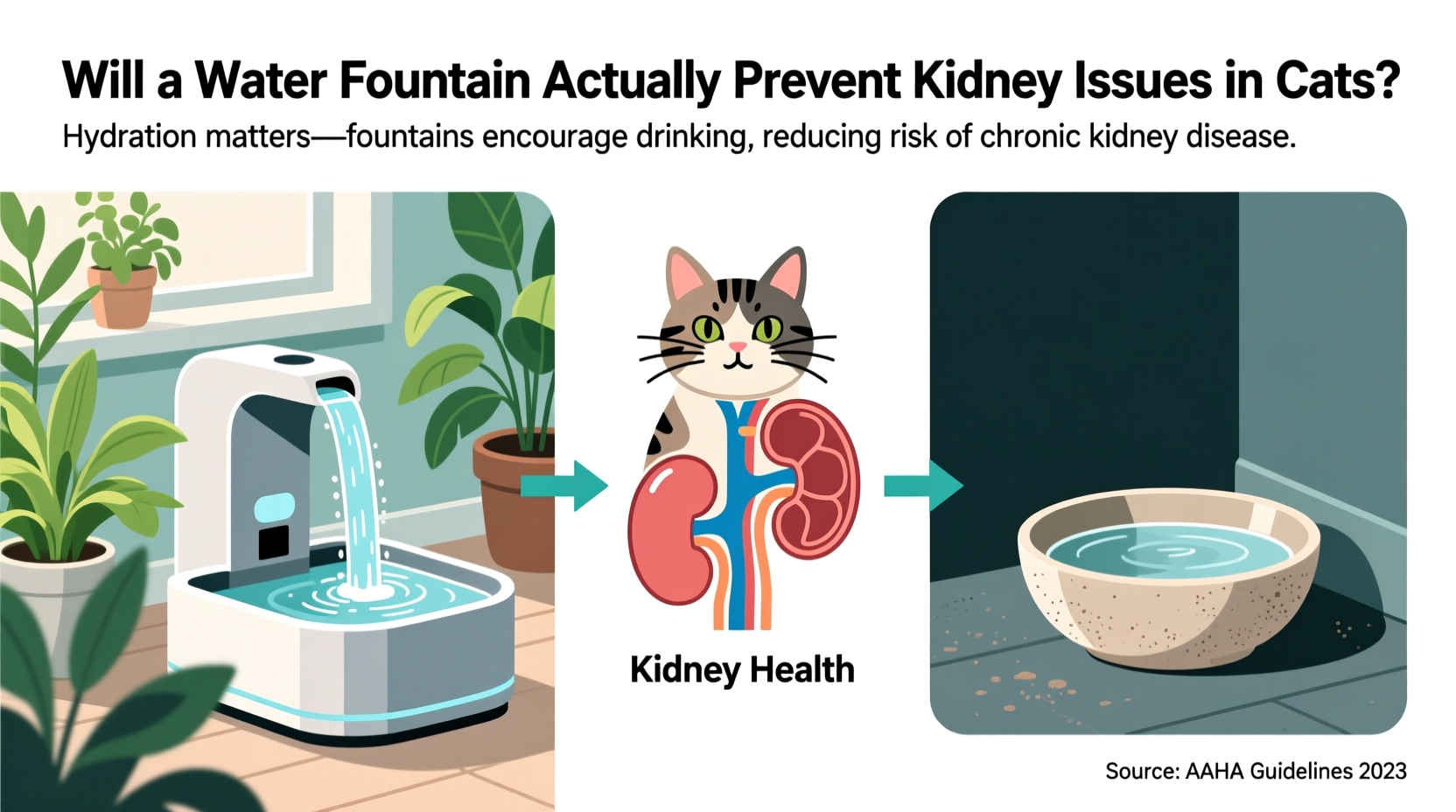
The feline kidney is designed to concentrate urine efficiently—a trait inherited from desert-dwelling ancestors. While this allows cats to survive on minimal water intake, it also means their kidneys work harder over time. Chronic dehydration, even mild and prolonged, increases strain on renal tissue. Over years, this can accelerate the development of chronic kidney disease (CKD), one of the leading causes of death in older cats.
Veterinary studies show that cats consuming primarily dry food—which contains only 5–10% moisture—are at higher risk for urinary crystals, bladder inflammation, and early-onset kidney dysfunction compared to those eating wet or raw diets. Even small improvements in daily water intake can reduce crystal formation and support glomerular filtration rates, which measure how well the kidneys filter waste.
“Hydration isn’t a cure, but it’s one of the most effective preventive tools we have. Cats don’t naturally drink enough, so anything that encourages more fluid consumption helps.” — Dr. Lena Reyes, DVM, Internal Medicine Specialist
Fountain vs Bowl: How Water Delivery Affects Drinking Behavior
At first glance, a water bowl seems sufficient. But behaviorally, cats are drawn to moving water. In the wild, flowing streams signal freshness and safety; stagnant pools suggest contamination. This instinct remains strong, even in indoor pets. That’s where cat water fountains come in—they mimic natural running water using a quiet pump, often with filters to remove odors and particles.
Multiple observational studies have found that cats drink more when offered flowing water. A 2019 study published in the *Journal of Feline Medicine and Surgery* reported an average 20–50% increase in daily water intake among cats using fountains versus still bowls. For a cat consuming dry food, that extra hydration could mean the difference between concentrated, irritating urine and a healthier dilution level.
Key Differences Between Fountains and Bowls
| Feature | Water Fountain | Traditional Bowl |
|---|---|---|
| Water Movement | Continuous flow, mimics stream | Stagnant, still surface |
| Odor & Freshness | Filtered, aerated, less bacterial growth | Can develop film or algae quickly |
| Cat Attraction | High—movement triggers interest | Low—easily ignored, especially if near food |
| Maintenance | Weekly cleaning, filter replacement | Daily rinsing recommended |
| Hydration Impact | Consistently higher intake observed | Varies; often inadequate |
Can a Fountain Prevent Kidney Disease?
The short answer: no single device can prevent kidney disease. CKD results from a combination of genetics, age, diet, environment, and underlying conditions like hypertension or dental disease. However, consistent hydration—supported by tools like fountains—can delay onset and slow progression.
Kidneys function by filtering blood through tiny structures called nephrons. Each nephron has a limited lifespan. When damaged by concentrated toxins or inflammation, they aren’t replaced. Over time, as more nephrons fail, the remaining ones compensate until a critical threshold is crossed—usually at around 30% functional capacity—when clinical signs emerge.
Better hydration reduces the concentration of waste products in the bloodstream, lowering oxidative stress on nephrons. It also decreases the likelihood of calcium oxalate or struvite crystal formation, which can obstruct urinary flow and damage kidney tissue over time. While a fountain won't eliminate genetic predispositions or repair aging cells, it supports a key modifiable factor: daily fluid balance.
Real Example: Milo the Indoor Cat
Milo, a 7-year-old domestic shorthair, was diagnosed with stage 1 kidney insufficiency during a routine blood panel. His owner, Sarah, fed him exclusively dry food and had one ceramic bowl near his food station. After consultation with her vet, she introduced a stainless steel fountain with a charcoal filter, placed in a quiet corner away from the kitchen.
Within two weeks, Milo began visiting the fountain multiple times per day. Urine specific gravity (a measure of concentration) dropped from 1.055 to 1.030 over three months—indicating better hydration. Though Milo still required dietary changes and monitoring, his condition stabilized without progressing to stage 2 for over 18 months. His vet credited the improved hydration as a key factor in slowing decline.
“In Milo’s case, the fountain wasn’t a miracle cure—but it was the missing piece in a prevention strategy.” — Dr. Anika Patel, DVM
Maximizing Kidney Health: A Practical Checklist
A water fountain alone isn’t enough. To truly support kidney function, combine hydration strategies with broader wellness practices. Use this checklist to build a comprehensive plan:
- ✅ Replace still water bowls with a filtered fountain (preferably stainless steel or ceramic)
- ✅ Clean the fountain weekly—biofilm builds up fast in plastic models
- ✅ Offer wet food daily (aim for at least 50% of diet)
- ✅ Provide multiple fresh water stations throughout the home
- ✅ Monitor urine output and litter box habits monthly
- ✅ Schedule annual bloodwork and urinalysis for cats over age 7
- ✅ Avoid scented cleaners near water sources—cats are sensitive to chemical smells
- ✅ Rotate fountain locations occasionally to maintain novelty and interest
Step-by-Step Guide to Transitioning to a Water Fountain
Not all cats adapt immediately to fountains. Here’s a proven method to encourage acceptance:
- Choose the right model: Opt for a quiet pump, BPA-free materials, and easy disassembly. Ceramic or stainless steel bases resist bacteria better than plastic.
- Introduce gradually: Place the fountain beside the existing bowl and run it for 24 hours before removing the old option.
- Add appeal: Drop an ice cube or a few drops of tuna juice (unsalted) into the fountain to spark curiosity.
- Monitor usage: Watch for paw dipping or sniffing—these are signs of interest, even if drinking hasn’t started.
- Reinforce positively: Praise or offer a treat when your cat approaches or drinks from the fountain.
- Maintain consistency: Clean the unit every 5–7 days and replace filters as recommended to keep water fresh.
If your cat avoids the fountain after two weeks, try a different flow setting (some prefer gentle bubbling over a strong stream) or location. Patience is key—behavioral shifts take time.
Common Misconceptions About Fountains and Kidney Health
Despite growing popularity, several myths persist:
- Myth: Fountains purify water like a reverse osmosis system.
Reality: Most use basic carbon or foam filters that reduce chlorine and odor—not heavy metals or microbes. - Myth: Any increase in drinking automatically prevents disease.
Reality: Hydration helps, but doesn’t override poor diet, lack of vet care, or genetic risks. - Myth: Plastic fountains are just as safe as metal or ceramic.
Reality: Plastic scratches easily, harboring biofilm. Stainless steel or glazed ceramic are superior for hygiene.
Frequently Asked Questions
Do cats really drink more from fountains?
Yes, multiple behavioral studies confirm that cats tend to drink 20–50% more when given access to flowing water. The movement stimulates their hunting instincts and signals freshness.
Can a water fountain cure kidney disease?
No. Once kidney damage occurs, it’s irreversible. However, improved hydration can slow progression and improve quality of life in affected cats.
How often should I clean my cat’s water fountain?
Disassemble and scrub all parts weekly. Replace filters every 2–4 weeks depending on usage and manufacturer guidelines. Algae or slime buildup indicates insufficient cleaning.
Conclusion: Hydration as Part of a Holistic Strategy
A cat water fountain won’t magically stop kidney issues—but it can be a powerful tool in a proactive health plan. By encouraging more frequent drinking, reducing urine concentration, and supporting overall metabolic balance, fountains address a critical gap in modern feline care. When combined with wet food, regular veterinary screening, and clean living environments, they contribute meaningfully to long-term kidney resilience.
The goal isn’t perfection—it’s consistency. Small, sustainable changes in how your cat accesses water today can have outsized effects on their health a decade from now. Don’t wait for lab results to act. Start observing your cat’s drinking habits, experiment with fountain options, and prioritize hydration as seriously as diet or vaccinations.
💬 Have you switched to a cat water fountain? What changed in your pet’s behavior? Share your story below—your experience could help another cat live healthier and longer.








