
Rabbits are herbivores with sensitive digestive systems that require a carefully balanced diet. While leafy greens form an essential part of their nutrition, not all greens are equally safe. Spinach—often praised for its nutrient density in human diets—raises important questions when it comes to rabbit care. Although it contains beneficial vitamins and minerals, spinach also carries potential health risks due to its high oxalate content. Understanding how and when to feed spinach can prevent long-term complications such as bladder stones or kidney damage. For rabbit owners seeking to provide variety without compromising health, evaluating the role of spinach is critical.
Definition & Overview
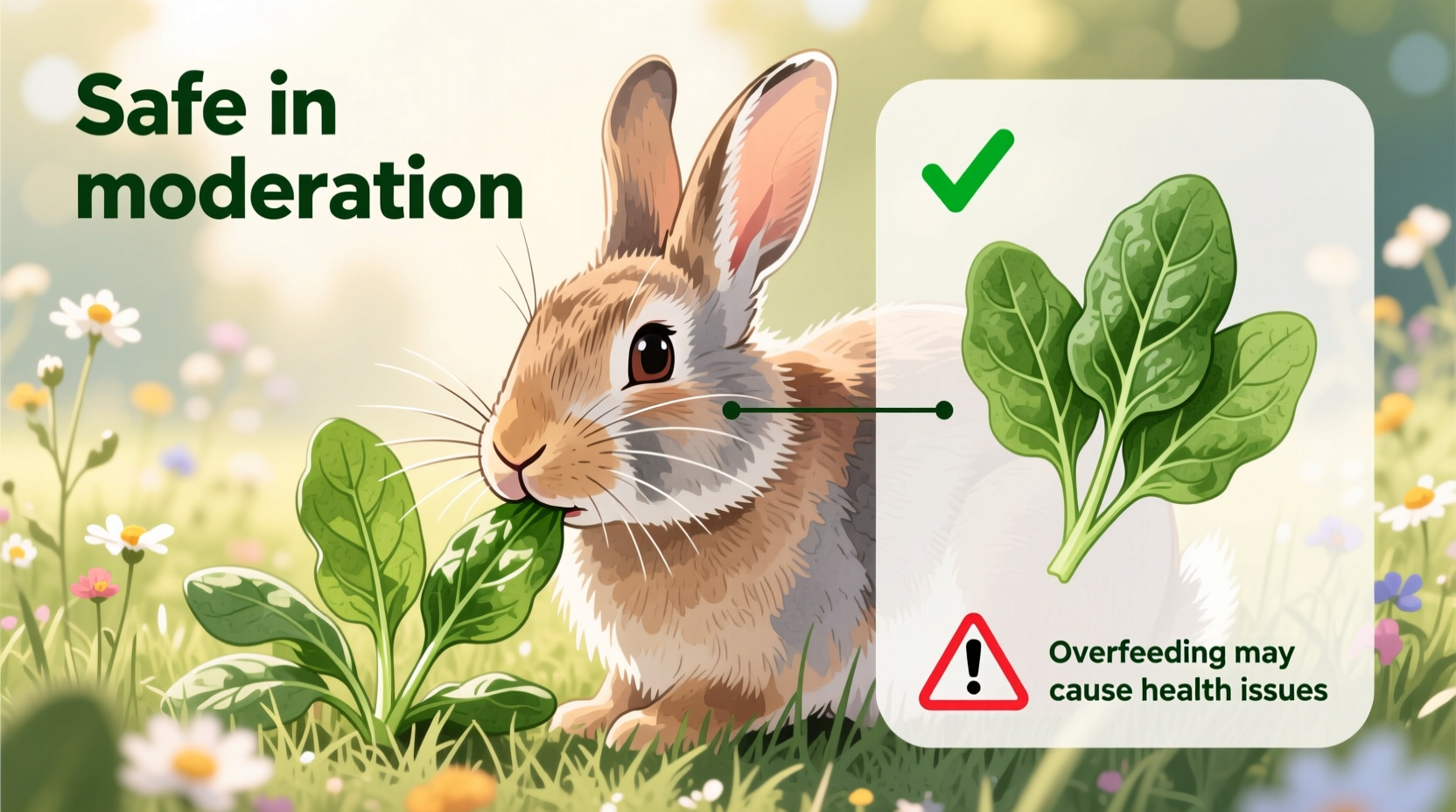
Spinach (Spinacia oleracea) is a dark green leafy vegetable belonging to the Amaranthaceae family, which includes beets and chard. Native to Central and Western Asia, spinach has been cultivated for centuries and is now widely grown around the world. It’s commonly consumed raw in salads or cooked in sautés, soups, and casseroles. The plant features broad, tender leaves that range from deep green to slightly crinkled varieties like Savoy spinach.
In human nutrition, spinach is celebrated for being rich in iron, vitamin K, folate, antioxidants, and dietary fiber. However, these same qualities must be evaluated through the lens of rabbit physiology. Unlike humans, rabbits have a cecum-based digestive system designed to ferment fibrous plant material efficiently. Their dietary needs center on high-fiber, low-sugar, and low-starch foods, primarily hay, supplemented by limited fresh vegetables and clean water.
When considering spinach for rabbits, the focus shifts from general nutritional value to specific compounds that may interfere with mineral absorption or urinary tract health. Chief among these is oxalic acid (or oxalate), a naturally occurring substance in many plants that binds calcium and can contribute to urolithiasis—stone formation in the urinary tract.
Key Characteristics of Spinach
| Characteristic | Description |
|---|---|
| Flavor Profile | Mildly earthy and slightly bitter, especially when mature; younger leaves are more tender and less astringent. |
| Aroma | Subtle, fresh, green scent; minimal when raw, more pronounced when cooked. |
| Color & Form | Deep green leaves; available in flat-leaf, Savoy (crinkled), and semi-Savoy types. |
| Nutritional Highlights | High in vitamin A (as beta-carotene), vitamin K, vitamin C, folate, manganese, and moderate amounts of iron and calcium. |
| Oxalate Content | Very high—raw spinach contains approximately 750–970 mg of oxalates per 100g, one of the highest among common vegetables. |
| Culinary Function | Used as a base green in salads, side dish, or ingredient in cooked preparations; wilts easily with heat. |
| Shelf Life (Fresh) | 3–7 days when refrigerated in a sealed container with paper towels to absorb moisture. |
Practical Usage: Can Rabbits Eat Spinach?
The short answer is yes—but only sparingly and under strict conditions. Spinach should never be a staple or regular component of a rabbit’s daily vegetable intake. When offered at all, it should be treated as an occasional treat, not a dietary foundation.
Rabbits require about 1 cup of mixed leafy greens per 2 pounds of body weight daily. This assortment should emphasize low-oxalate, high-fiber options such as romaine lettuce, cilantro, parsley, dandelion greens, and escarole. Within this mix, spinach can constitute no more than 1–2 small leaves once or twice per week for an average-sized adult rabbit (5–6 lbs). Even this minimal amount should be monitored closely for adverse reactions.
For example, a 5-pound rabbit could receive:
- ½ teaspoon of finely chopped raw spinach leaf (about the size of a quarter)
- No stems or thick ribs, which are higher in oxalates
- Only if the rabbit shows no signs of urinary issues (e.g., straining to urinate, blood in urine, frequent litter box visits)
Introduce spinach gradually. Offer a tiny portion and wait 24 hours to observe stool consistency, hydration levels, and behavior. If diarrhea, lethargy, or changes in urination occur, discontinue use immediately.
TIP: Rotate greens weekly to ensure dietary diversity while minimizing exposure to any single compound. Use spinach rotationally—once every few weeks—not weekly. Prioritize safety over novelty.
Variants & Types of Spinach
Different types of spinach vary slightly in texture and flavor but share similar nutritional profiles and oxalate levels. None are considered safe for regular rabbit consumption, though some may be marginally preferable due to tenderness or lower fiber toughness.
- Flat-Leaf (Smooth) Spinach: Easy to wash and chop; commonly found in supermarkets. Slightly milder than Savoy but still high in oxalates.
- Savoy Spinach: Crinkly, curly leaves with a robust texture. Often used in cooking. Higher surface area may trap dirt, requiring thorough rinsing.
- Baby Spinach: Harvested young, with smaller, sweeter leaves. While gentler in taste, baby spinach still contains significant oxalates and should not be assumed safer.
- Wild Spinach (Chenopodium album): Also known as lamb’s quarters, sometimes mistaken for true spinach. Not recommended due to variable alkaloid content and lack of research on rabbit safety.
All forms—fresh, frozen, or cooked—retain oxalates unless significantly leached through boiling and discarding water, a process impractical and nutritionally degrading for pet feeding purposes.
Comparison with Similar Leafy Greens
Many leafy vegetables resemble spinach in appearance or culinary use but differ significantly in suitability for rabbits. Below is a comparison highlighting key differences:
| Green | Oxalate Level | Safe for Rabbits? | Notes |
|---|---|---|---|
| Spinach | Very High | Limited/occasional only | High risk of urinary crystals; avoid regular feeding. |
| Kale | Moderate to High | Occasional only | Richer in calcium but also contains goitrogens; limit frequency. |
| Swiss Chard | Very High | Avoid | Close relative of spinach; even higher oxalate content. |
| Romaine Lettuce | Low | Yes, daily | Excellent base green; hydrating and fibrous. |
| Dandelion Greens | Low to Moderate | Yes, frequently | Naturally detoxifying; supports liver and digestion. |
| Parsley (curly or flat-leaf) | Moderate | Yes, in moderation | Rich in vitamin C; do not exceed 1–2 sprigs daily. |
| Cilantro | Low | Yes, regularly | Well-tolerated; many rabbits enjoy the flavor. |
This comparison underscores that visual similarity does not imply dietary equivalence. Just because a green looks like spinach doesn’t mean it poses the same risks—or benefits.
Practical Tips & FAQs
Q: Why is oxalic acid dangerous for rabbits?
A: Oxalic acid binds with calcium in the bloodstream to form calcium oxalate crystals. These insoluble particles can accumulate in the kidneys and bladder, leading to painful uroliths (stones). Rabbits are particularly prone to urinary tract disorders due to their efficient calcium metabolism, making them vulnerable to excess dietary oxalates.
Q: Are there any rabbits that should never eat spinach?
A: Yes. Rabbits with a history of urinary problems—including sludge, stones, or recurrent bladder infections—should avoid spinach entirely. Older rabbits, males, and certain breeds (like dwarfs and lops) are at increased risk and warrant extra caution.
Q: Can cooking spinach reduce its oxalate content?
A: Boiling spinach can reduce soluble oxalates by up to 30–50%, but this requires discarding the cooking water—something impractical for fresh feeding. Moreover, cooking diminishes vitamin content and alters texture, potentially reducing palatability or causing digestive upset. Raw spinach retains full oxalate load.
Q: How much calcium do rabbits need—and what’s too much?
A healthy adult rabbit absorbs calcium efficiently from hay, particularly timothy and other grass hays. Unlike humans, they don’t regulate intestinal calcium absorption based on need, so excess intake leads directly to elevated blood calcium. When combined with high oxalates, this increases stone risk. Leafy greens should complement—not supplement—the primary calcium source: hay.
Q: What are the signs of bladder stones in rabbits?
Watch for: difficulty urinating, frequent small dribbles, blood in urine, vocalizing during urination, staining around the genital area, reduced appetite, or lethargy. Any of these warrant immediate veterinary evaluation.
Q: Is frozen spinach safer than fresh?
No. Freezing does not degrade oxalates. In fact, frozen spinach often contains concentrated portions and may include additives or salt, both harmful to rabbits. Stick to fresh, organic produce when offering any greens.
Q: Can baby bunnies eat spinach?
No. Juvenile rabbits (under 6 months) should consume only mother's milk, then alfalfa hay and pellets until their digestive systems mature. Introducing leafy greens begins slowly after 12 weeks, starting with low-risk options like romaine or cilantro. Spinach is inappropriate at this stage.
Expert Insight: \"We see far too many cases of preventable urolithiasis linked to well-meaning owners feeding 'healthy' greens like spinach and kale daily,\" says Dr. Lena Torres, DVM, Exotic Animal Specialist. \"The key isn't eliminating nutritious foods—it's understanding species-specific physiology. For rabbits, less is often more when it comes to dense greens.\"
Safer Alternatives to Spinach
Instead of risking health complications with spinach, prioritize greens proven safe and beneficial for rabbits:
- Romaine Lettuce: Crunchy, hydrating, and low in oxalates. Forms an excellent base for daily salads.
- Dandelion Greens: Naturally bitter, promoting healthy digestion and liver function. Ensure they’re pesticide-free.
- Cilantro: Mild flavor, popular with most rabbits, and rich in antioxidants.
- Endive and Escarole: Slightly bitter, high-fiber lettuces ideal for rotational feeding.
- Arugula (Rocket): Peppery taste; acceptable in small amounts 2–3 times per week.
- Radish Tops: Leafy greens from radishes; nutritious and generally well-tolerated.
Always wash greens thoroughly to remove pesticides and contaminants. Introduce new items one at a time, waiting three days between introductions to monitor for soft stools or gas.
Summary & Key Takeaways
Spinach contains valuable nutrients but poses significant risks to rabbits due to its exceptionally high oxalate content. Regular or excessive consumption can lead to calcium oxalate crystal formation, resulting in bladder sludge or stones—a painful and potentially life-threatening condition.
Rabbit owners should consider spinach an infrequent treat, if offered at all. A safer approach is to exclude it entirely and rely on consistently low-oxalate greens such as romaine, cilantro, dandelion, and escarole. Dietary variety is important, but not at the expense of long-term urinary health.
Key points to remember:
- Spinach is **not safe** for daily or even weekly feeding.
- Limit to **1–2 small leaves per month** for an average rabbit, only if no urinary issues exist.
- Never feed spinach to rabbits with a history of bladder or kidney problems.
- Choose alternative greens that offer similar nutrition without the risks.
- Monitor your rabbit closely after introducing any new food.
Your rabbit’s health depends on informed choices. When in doubt, consult a veterinarian experienced with exotic pets before adding new foods to the diet. Prioritize safety, balance, and species-appropriate nutrition above trends or assumptions.









