
Blueberries are often praised as a superfood for humans, but what about our canine companions? Many pet owners wonder whether it's safe to share these juicy little berries with their dogs. The good news: yes, dogs can eat blueberries—and in moderation, they offer several health benefits. However, like any treat, there are important guidelines to follow to ensure safety and avoid digestive upset or choking hazards.
This comprehensive guide provides a vet-approved breakdown of how and when to feed blueberries to your dog, the science-backed benefits, potential risks, and practical serving tips. Whether you're considering blueberries as an occasional snack or a training reward, understanding best practices helps keep your pup healthy and happy.
Nutritional Benefits of Blueberries for Dogs
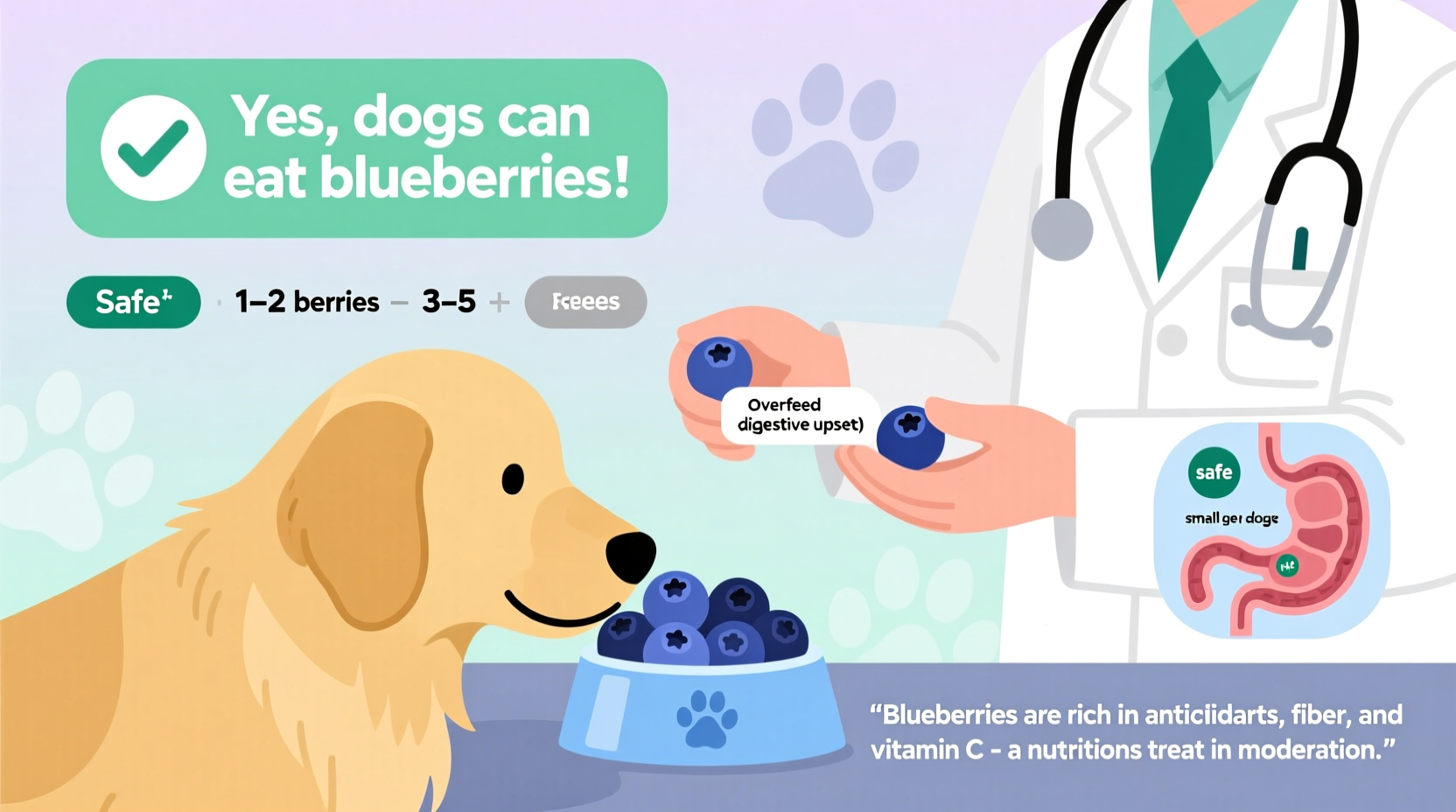
Blueberries are packed with nutrients that support overall wellness in both humans and animals. While dogs don’t require fruits in their diet the way humans do, certain fruits—like blueberries—can be a healthy supplement when given appropriately.
These small berries are rich in antioxidants, particularly anthocyanins, which give them their deep blue-purple color. Antioxidants help neutralize free radicals in the body, reducing oxidative stress and potentially lowering the risk of chronic diseases such as cancer and heart disease.
In addition to antioxidants, blueberries contain:
- Vitamin C: Supports immune function and skin health.
- Vitamin K: Important for blood clotting and bone metabolism.
- Fiber: Aids digestion and promotes gut health.
- Manganese: Plays a role in enzyme function and nutrient metabolism.
- Low in calories and fat: Ideal for dogs watching their weight.
A study published in the *Journal of Animal Physiology and Animal Nutrition* found that dogs fed antioxidant-rich diets showed improved cognitive function, especially in senior dogs. This makes blueberries a promising addition to the diets of aging pets who may benefit from neuroprotective support.
“Blueberries are one of the safest and most beneficial fruits you can offer your dog in moderation. Their high antioxidant content supports cellular health and may slow age-related decline.” — Dr. Laura Bennett, DVM, Canine Nutrition Specialist
Are Blueberries Safe for All Dogs?
Generally, blueberries are safe for most dogs. Unlike grapes and raisins—which are highly toxic—blueberries do not pose a known risk of kidney failure or acute toxicity. However, individual sensitivities exist, and some dogs may experience mild gastrointestinal upset after eating them.
Puppies, senior dogs, and dogs with pre-existing health conditions such as diabetes should consume blueberries cautiously. Because blueberries contain natural sugars, excessive intake could affect blood glucose levels in diabetic dogs. Always consult your veterinarian before introducing new foods if your dog has a medical condition.
Another consideration is size. Small-breed dogs or those prone to gulping food without chewing may be at risk of choking on whole blueberries. Freezing blueberries can make them firmer and more difficult to chew, increasing this risk. For toy breeds or cautious eaters, consider mashing or chopping blueberries before serving.
Tip: Introduce blueberries slowly—start with 1–2 berries and monitor for signs of allergies or digestive issues over the next 24 hours.How Many Blueberries Can a Dog Eat?
The appropriate amount depends on your dog’s size, diet, and activity level. As a rule of thumb, treats—including fruits—should make up no more than 10% of your dog’s daily caloric intake. Exceeding this can lead to weight gain and nutritional imbalances.
The following table provides a general guideline based on body weight:
| Dog Weight | Recommended Serving Size | Frequency |
|---|---|---|
| Under 10 lbs (e.g., Chihuahua, Yorkie) | 1–3 blueberries | 2–3 times per week |
| 10–30 lbs (e.g., Beagle, Cocker Spaniel) | 4–8 blueberries | 3–4 times per week |
| 30–50 lbs (e.g., Border Collie, Bulldog) | 8–12 blueberries | 4–5 times per week |
| Over 50 lbs (e.g., Labrador, German Shepherd) | 12–15 blueberries | Daily (within treat limit) |
Always serve blueberries fresh or thawed if frozen. Avoid canned blueberries or those in syrup, as added sugars and preservatives can be harmful. Organic blueberries are preferable to reduce pesticide exposure, though thoroughly washing conventional berries also helps remove residues.
Step-by-Step Guide to Feeding Blueberries Safely
Introducing any new food into your dog’s diet requires care and observation. Follow this step-by-step process to safely incorporate blueberries into your dog’s routine:
- Wash the berries thoroughly. Rinse under cool running water to remove dirt, pesticides, or wax coatings. Do not use soap or produce cleaners unless specifically labeled safe for edible use.
- Choose fresh or frozen (unsweetened) berries. Avoid flavored, sugared, or dried versions, which may contain xylitol or other artificial sweeteners—deadly to dogs.
- Start with one or two berries. Offer them by hand or mix into a small portion of food to gauge interest and tolerance.
- Monitor for 24 hours. Watch for vomiting, diarrhea, gas, or allergic reactions such as itching or swelling.
- Gradually increase portion size. If no adverse effects occur, slowly build up to the recommended serving based on your dog’s weight.
- Incorporate into meals or use as training rewards. Blueberries work well as low-calorie treats during training sessions or as a topping on kibble or plain yogurt.
For creative feeding ideas, try freezing blueberries in ice cube trays with water or low-sodium broth for a cooling summer treat. You can also blend them (in moderation) into homemade dog-friendly smoothies using banana and plain Greek yogurt—just skip the honey and sugar.
Common Mistakes to Avoid When Feeding Blueberries
Even safe foods can become problematic when misused. Here are common errors pet owners make when giving blueberries to dogs:
- Overfeeding: Too many blueberries can cause diarrhea or stomach upset due to fiber and sugar content.
- Serving frozen berries whole: Hard, frozen blueberries can be a choking hazard, especially for small dogs.
- Using processed blueberry products: Muffins, jams, or juices often contain xylitol, chocolate, or excessive sugar—all dangerous for dogs.
- Ignoring dental hygiene: Sticky fruit residue can contribute to plaque buildup if oral care is neglected.
- Replacing balanced meals with fruit: Blueberries should never substitute for nutritionally complete dog food.
“Just because a food is healthy doesn’t mean it’s harmless in excess. Moderation is key—even with superfoods like blueberries.” — Dr. Raj Patel, Veterinary Internal Medicine Consultant
Real-Life Example: Managing Treats for an Overweight Labrador
Max, a 5-year-old yellow Labrador Retriever, was diagnosed with mild obesity during his annual check-up. His owner, Sarah, loved rewarding him with treats but hadn’t realized how quickly calories added up. Traditional biscuits and jerky made up nearly 20% of Max’s daily intake—well above the recommended limit.
After consulting her vet, Sarah replaced high-calorie treats with chopped blueberries and green beans. She started with eight blueberries per day, split between training sessions and evening enrichment toys. Within six weeks, Max lost two pounds and became more energetic. Bloodwork showed improved insulin sensitivity, likely due to reduced sugar intake and increased antioxidant consumption.
“I was surprised how much Max liked blueberries,” Sarah said. “He gets excited when he sees the container now. It’s been an easy switch that made a real difference.”
This case highlights how simple dietary swaps—when guided by veterinary advice—can support long-term health without sacrificing bonding moments centered around treats.
Frequently Asked Questions
Can puppies eat blueberries?
Yes, but only in very small amounts and after weaning. Start with half a berry mashed into puppy food and watch for any digestive issues. Due to their size, whole blueberries can be a choking hazard for young pups.
Are frozen blueberries safe for dogs?
Yes, frozen blueberries are safe and can be a refreshing treat in hot weather. However, always thaw them slightly or chop them for small dogs to prevent choking. Never give frozen berries straight from the freezer to aggressive chewers or gulping eaters.
What should I do if my dog eats too many blueberries?
If your dog consumes a large quantity (e.g., an entire carton), monitor closely for vomiting, diarrhea, or lethargy. Most cases resolve with supportive care like fasting for 12 hours and offering bland food (boiled chicken and rice). Contact your vet if symptoms persist beyond 24 hours or if your dog has diabetes or another underlying condition.
Checklist: Preparing Blueberries for Your Dog
Use this quick checklist every time you prepare blueberries for your dog:
- ☐ Buy fresh or unsweetened frozen blueberries
- ☐ Wash berries thoroughly under running water
- ☐ Check expiration date and discard moldy or mushy berries
- ☐ Portion according to your dog’s weight (refer to table above)
- ☐ Chop or mash for small dogs or puppies
- ☐ Serve at room temperature or slightly thawed if frozen
- ☐ Monitor your dog after first few servings
- ☐ Store unused berries in the refrigerator for up to 10 days
Final Thoughts: Treat Smart, Feed Well
Blueberries are a safe, nutritious, and enjoyable treat for most dogs when served responsibly. They provide valuable antioxidants, support immune and digestive health, and offer a low-calorie alternative to processed snacks. With proper portion control and attention to your dog’s individual needs, blueberries can become a trusted part of your pet’s treat rotation.
Remember: every dog is different. What works for one may not suit another. Stay observant, prioritize balance, and consult your veterinarian when unsure. By making informed choices today, you’re investing in your dog’s vitality and longevity—one tiny blueberry at a time.
💬 Have you tried feeding blueberries to your dog? Share your experience, recipes, or questions in the comments below—we’d love to hear how your pup enjoys this healthy treat!








