
Every dog owner knows the routine: leash, walk, and cleanup. But behind that simple act lies a growing dilemma—what kind of poop bag should you use? Traditional plastic bags are cheap and widely available, but they can take centuries to break down. Biodegradable options promise a greener alternative, yet their real-world performance is often questioned. Are these eco-friendly bags truly better for the planet, or are they just another example of greenwashing? The answer isn’t as straightforward as marketing would have you believe.
The Environmental Cost of Disposable Plastic Poop Bags
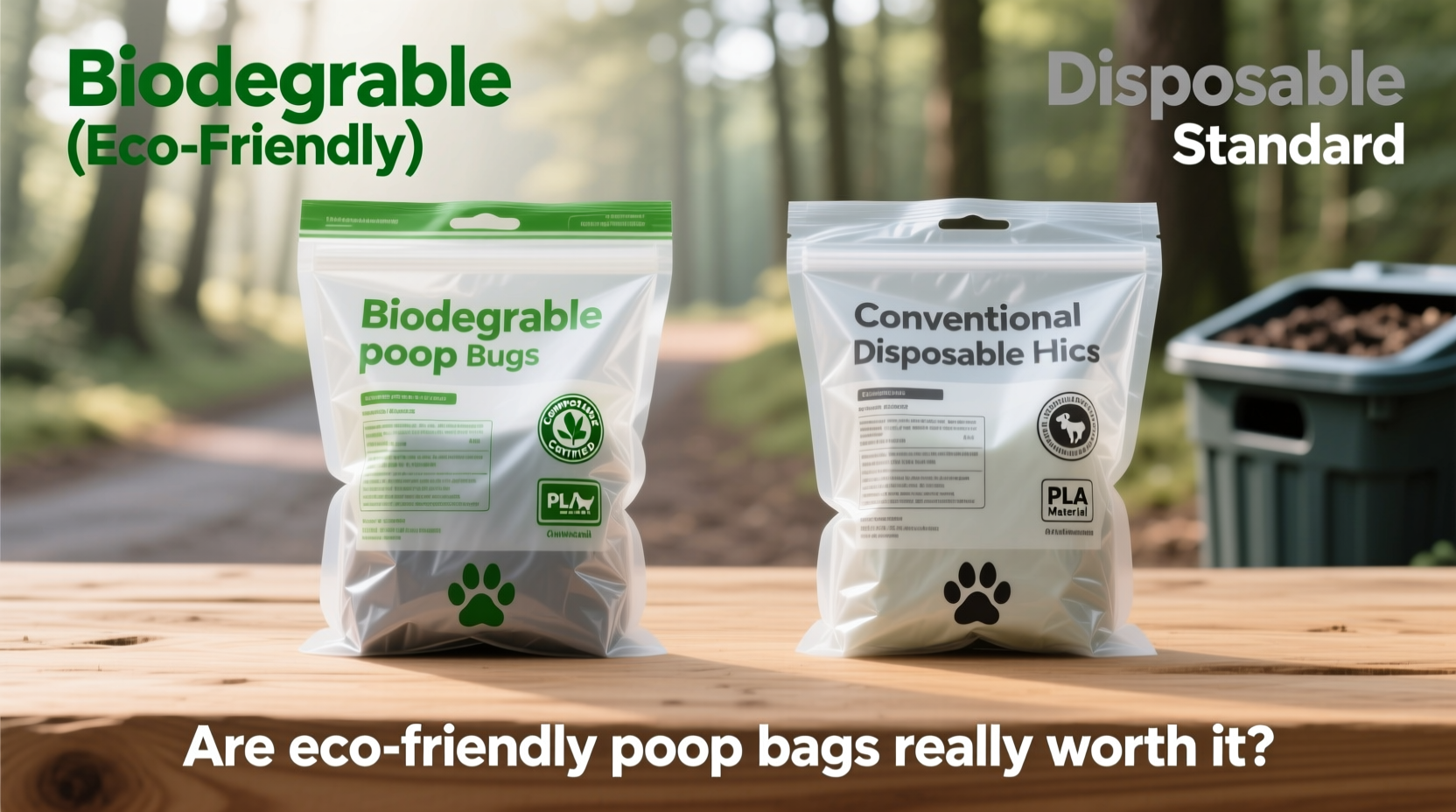
Standard plastic poop bags are typically made from polyethylene, a petroleum-based material derived from non-renewable resources. These bags do not biodegrade; instead, they photodegrade—breaking into smaller microplastics over decades, which then contaminate soil and waterways. A single plastic bag can persist in the environment for up to 1,000 years. With millions of dog owners worldwide using multiple bags per day, the cumulative impact is staggering.
In landfills, where most used poop bags end up, conditions are anaerobic—meaning there’s little oxygen. This prevents even so-called \"degradable\" plastics from breaking down efficiently. In fact, studies show that plastic bags buried in landfills can remain intact for decades, leaching chemicals and contributing to long-term pollution.
“Plastic waste in urban pet waste systems is an underestimated contributor to microplastic contamination.” — Dr. Lena Patel, Environmental Scientist at Green Cities Institute
What Makes a Bag “Biodegradable”?
The term “biodegradable” sounds promising, but its meaning varies widely. A biodegradable bag is designed to break down into natural elements through microbial action under specific conditions. However, not all biodegradable bags are created equal:
- Oxo-biodegradable: These contain additives that cause fragmentation when exposed to UV light. However, they often only break into microplastics without full mineralization and are banned in several countries.
- Compostable: Certified compostable bags (e.g., meeting ASTM D6400 or EN 13432 standards) are made from plant-based materials like cornstarch and break down into water, carbon dioxide, and biomass in industrial composting facilities.
- Home-compostable: These degrade in backyard compost piles but may take longer and require ideal temperature and moisture levels.
The key issue? Most biodegradable bags won’t decompose in a landfill or on a city sidewalk. They need heat, moisture, and microbial activity—conditions rarely met outside controlled composting environments.
Tip: Look for certifications like BPI (Biodegradable Products Institute) or TÜV Austria OK Compost INDUSTRIAL to ensure your bag meets true compostability standards.Comparing Performance: Biodegradable vs. Disposable
| Feature | Disposable Plastic Bags | Biodegradable/Compostable Bags |
|---|---|---|
| Material Source | Petroleum-based plastic | Plant-based (e.g., PLA, PBAT) |
| Decomposition Time | Up to 1,000 years | 3–6 months in industrial compost |
| Breakdown in Landfill | No significant degradation | Limited to none (anaerobic conditions) |
| Carbon Footprint | High (fossil fuels, energy-intensive) | Lower (renewable feedstocks) |
| Cost per Roll | $2–$5 | $6–$12 |
| Rip/Tear Resistance | High | Moderate (varies by brand) |
| End-of-Life Options | Landfill only | Industrial compost (ideal), landfill (less effective) |
While biodegradable bags score higher on sustainability metrics, their real-world effectiveness depends heavily on disposal methods. If tossed into a regular trash bin destined for landfill—which is the case for most users—the environmental advantage diminishes significantly.
Real-World Example: A City’s Attempt at Change
In 2021, Portland, Oregon launched a pilot program encouraging residents to switch to certified compostable pet waste bags. The city provided free rolls and partnered with a local composting facility capable of processing animal waste at high temperatures. Over six months, participation grew, and waste audits showed a 27% reduction in plastic bag litter in parks.
However, challenges emerged. Many residents didn’t understand that compostable bags needed to go in special bins—not regular trash. Others reported the bags were less durable, tearing during use. By the end of the trial, only 40% of participants continued using compostable bags consistently.
The takeaway? Infrastructure and education are as important as the product itself. Without proper disposal systems, even the best eco-friendly bags fall short.
Are Eco-Friendly Bags Worth It? A Step-by-Step Guide to Making the Right Choice
Deciding whether biodegradable poop bags are worth the investment requires evaluating your habits, local waste systems, and priorities. Follow this timeline to make an informed decision:
- Assess Your Disposal Method: Do you have access to curbside compost pickup or a municipal composting program that accepts pet waste? If yes, compostable bags are a strong choice.
- Check Local Regulations: Some cities ban certain types of degradable plastics. Verify what’s allowed and encouraged in your area.
- Test Durability: Try a small roll of a reputable biodegradable brand. Evaluate strength, ease of dispensing, and odor control.
- Calculate Long-Term Cost: If you walk your dog twice daily, you’ll use about 730 bags per year. At $10 per 300-bag roll, that’s roughly $24 annually—compared to $10 for conventional plastic.
- Consider Alternatives: Reusable cloth bags (for carrying waste, not direct scooping) or flushable waste systems (where plumbing allows) may offer even greater sustainability.
Action Checklist: Choosing Sustainable Poop Bags
- ✅ Look for BPI or OK Compost certification
- ✅ Avoid “oxo-degradable” or “eco-friendly” labels without proof
- ✅ Use compostable bags only if you can compost them properly
- ✅ Store bags away from sunlight and moisture to prevent premature degradation
- ✅ Support brands that offset carbon or use recycled packaging
Frequently Asked Questions
Can I compost dog waste at home?
Yes, but with caution. Dog feces contain pathogens like E. coli and parasites that require high-temperature composting (above 131°F for several days) to neutralize. Home compost piles rarely reach these temperatures, so experts recommend using dedicated pet waste composters or avoiding home compost unless properly managed.
Do biodegradable bags really break down in nature?
Not reliably. While some brands claim marine biodegradability, independent tests show most compostable bags remain intact after months in soil or water. They are not a license to litter. Always dispose of pet waste responsibly, regardless of bag type.
Are there truly zero-waste alternatives?
Emerging options include flushable paper bags (where septic-safe) and biodegradable potty pads made from bamboo. For maximum sustainability, consider installing a pet waste digester in your yard—a buried unit that breaks down waste using enzymes and microbes.
Final Verdict: Yes, But With Conditions
Biodegradable poop bags are worth it—if you’re committed to proper disposal. Their environmental benefits shine in communities with composting infrastructure and educated users. For everyone else, the premium cost and uncertain breakdown may not justify the switch—at least not yet.
That said, choosing certified compostable bags supports innovation in sustainable packaging and signals demand for greener products. As cities expand composting programs and manufacturers improve durability, the gap between promise and performance will narrow.
The most eco-conscious approach isn’t just about the bag—it’s about the system. Pair your choice with responsible disposal, advocate for better municipal composting, and reduce overall consumption. Every small step counts.
💬 Have you switched to biodegradable poop bags? What worked—or didn’t work—for you? Share your experience and help others make smarter, more sustainable choices for their pets and the planet.








