Rabbits are highly sensitive to heat. Unlike humans, they can’t sweat or pant effectively to regulate body temperature, making them vulnerable to heatstroke when temperatures rise above 75°F (24°C). During summer heatwaves, even a few hours of exposure to high temperatures can be life-threatening. As a responsible rabbit owner, understanding how to keep your pet cool isn’t just about comfort—it’s a matter of survival. This guide outlines proven, practical strategies backed by veterinary science and real-world experience to protect your rabbit from overheating.
Understanding Rabbit Thermoregulation
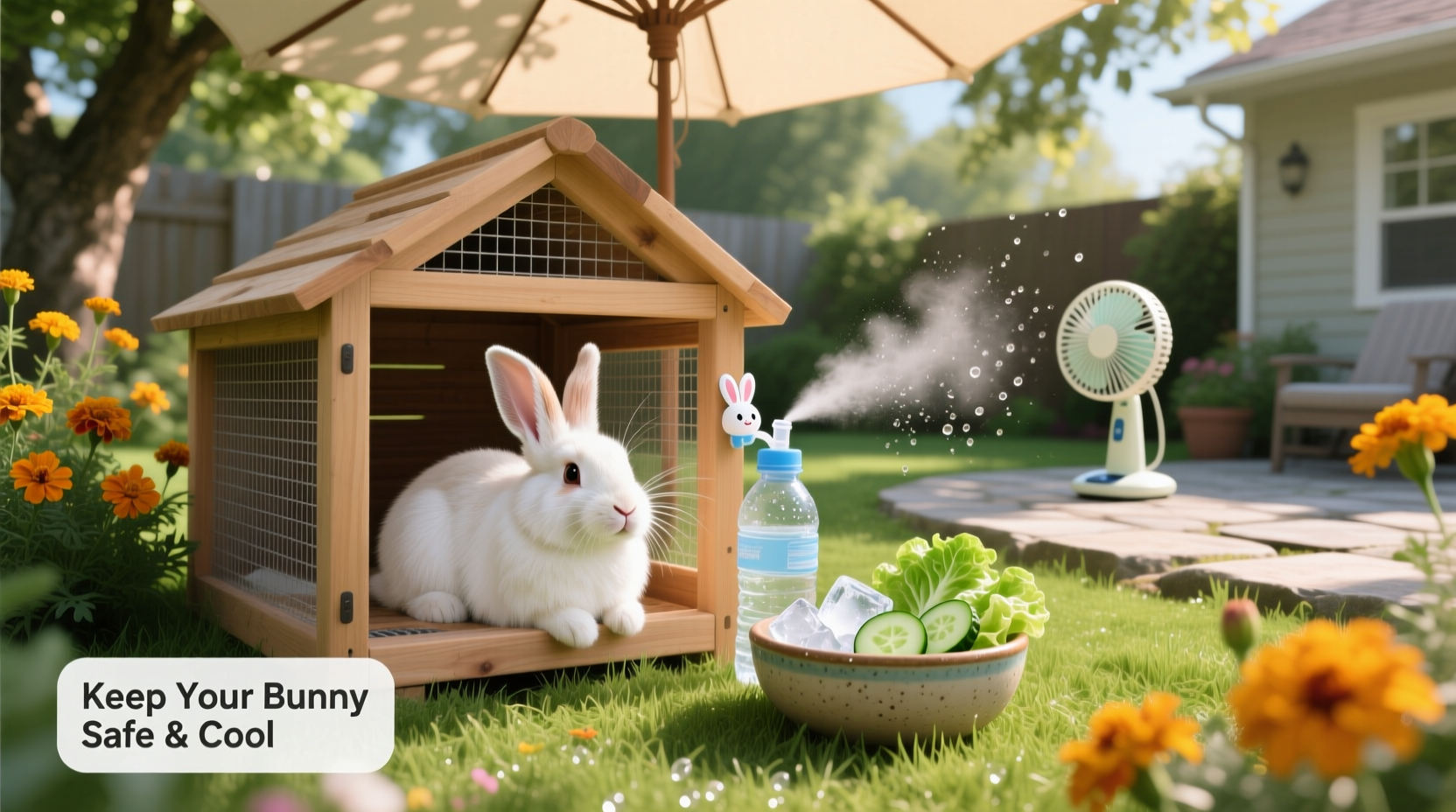
Rabbits rely primarily on their ears to dissipate heat. Blood flows through the large network of vessels in their ears, releasing warmth into the air. However, this system becomes ineffective when ambient temperatures exceed their thermal neutral zone (60–70°F or 15–21°C). Once temperatures climb above 80°F (27°C), rabbits begin to overheat. Signs of heat stress include rapid breathing, lethargy, drooling, hot ears, and reluctance to move. If left unaddressed, heat stress can progress to heatstroke—a medical emergency with a high fatality rate.
Prevention is critical because treatment options are limited once symptoms appear. Immediate cooling and urgent veterinary care are required, but outcomes are often poor if intervention is delayed.
Tip: Monitor your rabbit closely on hot days. Check their ears frequently—if they feel hot to the touch, take immediate cooling measures.Optimal Housing Adjustments for Summer
The environment where your rabbit lives plays the biggest role in their ability to stay cool. Whether housed indoors or outdoors, strategic modifications can dramatically reduce heat exposure.
Indoor Housing Tips
- Relocate to cooler rooms: Move hutches or enclosures to basements, tiled floors, or north-facing rooms that receive minimal sunlight.
- Avoid direct sun: Even indirect sunlight through windows can raise enclosure temperatures significantly.
- Use fans wisely: Circulating air helps, but never point a fan directly at your rabbit. Instead, aim it across the room to improve airflow without causing stress.
- Install window shades or blackout curtains: These reduce solar gain and lower indoor temperatures by up to 20 degrees.
Outdoor Housing Tips
- Provide full shade: Ensure the entire hutch is under permanent cover. Use tarps, umbrellas, or natural tree cover.
- Elevate the hutch: Raising it off the ground improves airflow and reduces radiant heat from hot surfaces like concrete or asphalt.
- Double-roof insulation: Build an outer roof with a small gap above the main hutch roof to create a buffer against heat absorption.
- Add reflective materials: Cover the top with aluminum foil or white paint to reflect sunlight rather than absorb it.
“Rabbits don’t acclimate to heat like some animals. Their physiology makes them prone to rapid overheating, especially in humid conditions.” — Dr. Laura Brown, DVM, Exotic Animal Specialist
Cooling Tools and Accessories
Supplemental cooling tools can make a significant difference when used correctly. Not all products are equally effective or safe, so choose wisely.
| Tool | How It Works | Effectiveness | Safety Notes |
|---|---|---|---|
| Ceramic tiles | Placed in enclosure; rabbit lies on cool surface | Moderate | Safe, reusable, non-toxic |
| Frozen water bottles | Wrapped in cloth; rabbit leans against for cooling | High | Never allow direct contact—wrap well to avoid frostbite |
| Cooling mats | Gel-based pads activated by pressure | Low to moderate | Some rabbits chew them—supervise use |
| Damp towels | Laid over part of hutch or placed nearby | Short-term | Must be changed frequently; not a standalone solution |
| Chilled bricks or stones | Cooled in fridge and placed in enclosure | Moderate | Ensure no condensation buildup; monitor for chewing |
One of the most effective methods is placing frozen water bottles wrapped in thin fleece inside the enclosure. Rabbits naturally press against them, drawing heat away from their bodies. Replace every 2–3 hours as they thaw.
Tip: Freeze half-full water bottles—this prevents cracking and allows better surface contact.Hydration and Diet Strategies
Proper hydration supports thermoregulation. Dehydrated rabbits are far more susceptible to heat stress. While rabbits get some moisture from food, water intake must increase during hot weather.
Water Access Best Practices
- Offer both a water bowl and bottle. Bowls allow faster drinking, which is crucial during heat stress.
- Refresh water at least twice daily—warmer water discourages drinking.
- Place water containers away from direct sunlight to prevent warming.
- Consider adding ice cubes (made from clean water) to bowls in extreme heat.
Diet Adjustments
- Increase leafy greens: High-moisture vegetables like romaine lettuce, cucumber, and celery help maintain hydration.
- Limit pellets: Digesting dry food generates internal heat. Reduce pellet portions slightly in peak summer.
- Avoid sudden diet changes: Introduce new foods gradually to prevent gastrointestinal upset.
Monitor droppings closely. Small, dry fecal pellets indicate dehydration. If observed, offer wet greens and check water availability immediately.
Step-by-Step: Emergency Cooling Procedure
If you suspect your rabbit is overheating, act immediately. Follow these steps while preparing to visit a veterinarian:
- Move to a cool area: Transfer the rabbit indoors or to the shadiest, coolest location available.
- Wet the ears: Using a damp cloth or spray bottle, gently moisten the inner surface of the ears. This targets the primary heat-dissipation pathway.
- Apply cool (not cold) packs: Wrap a refrigerated water bottle in a towel and place it near the rabbit’s body, not touching the skin.
- Offer water: Dip a finger in water and let the rabbit lick it, or use a syringe (without needle) to administer small amounts slowly.
- Monitor breathing: Normal respiration is 30–60 breaths per minute. Over 100 indicates severe distress.
- Transport to vet: Even if symptoms improve, seek veterinary care. Internal damage may not be visible.
Note: Never submerge a rabbit in cold water. Sudden temperature drops can cause shock.
Real-World Example: How One Owner Prevented Heatstroke
Sarah, a rabbit owner in Phoenix, Arizona, noticed her two rabbits, Thistle and Clover, becoming unusually still one afternoon when outdoor temperatures hit 108°F (42°C). The hutch was in partial shade, but the metal frame had absorbed intense heat. She checked their ears—they were hot and dry.
Acting quickly, Sarah moved the rabbits indoors to a tile-floored bathroom. She placed frozen water bottles wrapped in cotton towels in their carrier and dampened their ears with lukewarm water. Within 20 minutes, their breathing slowed from rapid gasps to normal. She offered chilled cucumber slices and fresh water. Though she didn’t need to go to the vet that day, she later installed a reflective tarp over the hutch and added a ceramic tile platform inside.
Her proactive response—based on knowledge from a local rabbit rescue workshop—likely prevented a fatal outcome.
Summer Care Checklist
Use this checklist daily during heatwaves to ensure your rabbit remains safe and comfortable:
- ✅ Confirm full shade coverage over hutch or run
- ✅ Check water supply—clean, cool, and accessible
- ✅ Feel rabbit’s ears for excessive warmth
- ✅ Provide at least one cooling aid (e.g., frozen bottle, tile)
- ✅ Limit handling during peak heat (10 AM – 6 PM)
- ✅ Offer extra leafy greens with high water content
- ✅ Watch for signs of distress: panting, slobbering, weakness
- ✅ Keep emergency vet number saved and accessible
Frequently Asked Questions
Can I give my rabbit ice cubes to chew?
No. While ice can cool water, allowing rabbits to chew ice increases the risk of tooth fracture or oral injury. Instead, add ice to their water bowl so it chills the liquid without being directly consumed.
Is misting my rabbit with water safe?
Lightly misting the ears with a fine spray can help cool them, but avoid soaking the fur or body. Wet fur traps heat and can lead to respiratory issues or fungal infections. Always use lukewarm water, never cold.
Do rabbits need air conditioning?
While not always necessary, air conditioning is the most reliable way to maintain a safe indoor environment during extreme heat. If unavailable, use fans with evaporative cooling (e.g., placing a bowl of ice in front of the fan) and prioritize basement or ground-floor rooms.
Final Thoughts and Action Steps
Keeping rabbits cool during summer heatwaves requires vigilance, preparation, and quick action when needed. Unlike many pets, rabbits cannot adapt to high temperatures, and their margin for error is slim. Simple preventive measures—like providing shade, using frozen bottles, and monitoring behavior—can mean the difference between life and death.
Start now, even before temperatures soar. Install shading, test cooling tools, and educate everyone in your household on the signs of heat stress. Share this information with fellow rabbit owners—many aren’t aware of how quickly danger can arise.
💬 Your rabbit’s safety starts with awareness. Review your setup today, prepare your emergency plan, and help spread the word. Have a tip that worked for your bunny? Leave a comment and support the community.








