Puppies are bundles of joy, curiosity, and boundless energy. Their enthusiasm during playtime is natural—and often contagious. But when excitement crosses into overstimulation, it can lead to nipping, jumping, barking, or even accidental injuries. Many owners instinctively resort to scolding or punishment, but these methods damage trust and do little to teach self-regulation. The better path? Teaching your puppy how to calm down using gentle, consistent, and reward-based strategies. This guide explores humane, effective techniques backed by animal behavior science to help you manage overexcitement while strengthening your bond.
Understanding Puppy Overexcitement
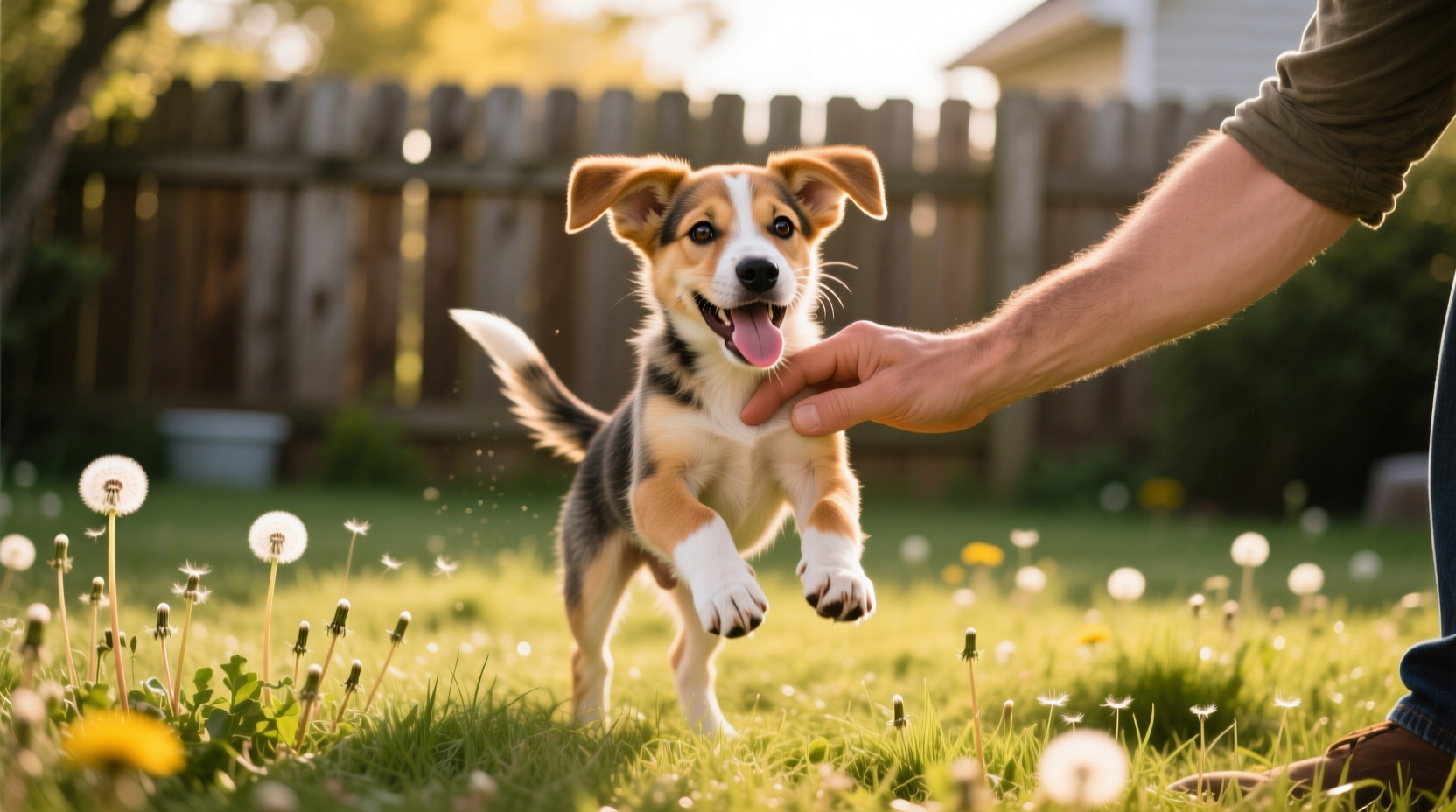
Overexcitement in puppies isn't misbehavior—it's a developmental stage. A young dog’s brain is still maturing, particularly the prefrontal cortex responsible for impulse control. When a puppy becomes overly stimulated, their body floods with adrenaline and cortisol, making it difficult to respond to cues or disengage from play.
Signs of overexcitement include:
- Frantic zooming or spinning
- Excessive barking or growling during play
- Nipping at hands, feet, or clothing
- Inability to sit or focus when asked
- Ignoring recall or basic commands
Recognizing these signals early allows you to intervene before the puppy spirals into full arousal mode. The goal isn’t to suppress play but to teach balance—how to engage enthusiastically and then transition calmly when needed.
Tip: Watch for subtle signs like rapid panting, stiff posture, or intense staring—they often precede full-blown excitement.Use Time-Outs as a Teaching Tool, Not Punishment
A common mistake is using time-outs punitively. When done correctly, a time-out removes the puppy from stimulation—not as a punishment, but as a reset. It teaches cause and effect: “When I get too wild, fun stops.”
- Act early: Interrupt play just before the puppy reaches peak excitement.
- Stay neutral: Avoid yelling or grabbing. Say “Oops!” or “Too bad,” then gently lead or carry the puppy to a quiet space.
- Keep it short: 30–60 seconds is enough for a young puppy to decompress.
- Re-engage positively: After the break, invite the puppy back to play calmly or practice a simple command like “sit” before resuming.
This method reinforces self-awareness. Over time, puppies learn that calm behavior keeps the fun going.
Teach Calmness Through Redirection and Engagement
Redirecting a puppy’s energy toward structured activities gives them an outlet while building impulse control. Instead of telling them what not to do, show them what they *can* do.
Use Interactive Toys to Channel Energy
Toys that require problem-solving—like treat-dispensing puzzles or chew-safe tug ropes—encourage mental focus. Introduce these after brief bursts of physical play to create natural rhythm shifts.
Incorporate Training Breaks Into Play
Pause play every few minutes and ask for a known command such as “sit,” “touch,” or “lie down.” Reward compliance with a treat or a return to play. This builds the habit of checking in with you, even when excited.
Tip: Use high-value treats (like small bits of chicken or cheese) during high-arousal moments to boost motivation for listening.Practice Name Recognition Games
Call your puppy’s name in a cheerful tone during play. When they look at you, mark the behavior with a “yes!” or clicker and reward. This strengthens attention on cue and lays the foundation for reliable recall later.
Build Impulse Control with Structured Exercises
Impulse control doesn’t come naturally to puppies—but it can be taught through short, repetitive exercises. These should feel like games, not drills.
The “Leave It” Game
This foundational skill helps puppies pause before reacting impulsively.
- Place a treat in your closed hand and let the puppy sniff.
- Wait until they stop pawing or licking and back away—even slightly.
- Say “leave it,” then immediately reward with a different treat from your other hand.
- Repeat daily in short sessions (3–5 minutes).
Gradually increase difficulty by placing treats on the floor or using more tempting items.
The “Settle” Cue
Pair a verbal cue like “settle” or “calm” with a relaxed state.
- Wait for a moment when your puppy naturally lies down or slows movement.
- Quietly say “settle” and toss a treat a few inches away—this encourages them to stay low rather than jump up.
- Repeat consistently so the word becomes associated with relaxation.
Eventually, use the cue during rising excitement to prompt a pause.
“Puppies don’t fail at self-control—they haven’t been taught it yet. Our job is to make calm behavior rewarding.” — Dr. Sarah Wilson, Certified Applied Animal Behaviorist
Real-Life Example: Managing Max the Terrier Mix
Max, a 14-week-old Jack Russell terrier mix, loved playing with his owner’s children but often escalated to biting and chasing when overstimulated. Scolding only made him more frantic. His family shifted to a new approach:
- They limited play sessions to 5 minutes, followed by a 2-minute “sit and settle” break.
- When Max started nipping, they stopped moving, said “Oops!”, and placed him in a quiet pen with a stuffed Kong for 45 seconds.
- After release, they asked for a “sit” before resuming play.
Within three weeks, Max began pausing on his own when he sensed things were getting too loud. He learned that calmness meant faster returns to fun. His biting decreased by over 80%, and family interactions became joyful again.
Do’s and Don’ts During Overexcited Play
| Do | Don't |
|---|---|
| Pause play before the puppy peaks in excitement | Wait until the puppy is out of control to intervene |
| Use a neutral phrase like “Oops!” to signal a reset | Yell, grab, or physically punish the puppy |
| Redirect to a puzzle toy or training game | Let the puppy continue playing if they’re losing control |
| Reward calm behaviors with treats or affection | Ignore calm moments or only reward high-energy actions |
| Keep training sessions short and frequent | Try to correct behavior for long periods when the puppy is aroused |
Step-by-Step Guide: Calming an Overexcited Puppy in Real Time
When your puppy starts spiraling, follow this sequence to regain balance without conflict:
- Pause Movement: Freeze in place. Avoid waving arms or running, which can trigger chase instincts.
- Use a Neutral Marker: Say “Uh-uh” or “Oops” in a calm, firm tone. This signals a rule change without aggression.
- Remove Stimulation: Gently lead the puppy to a quiet area—use a leash if needed. No talking or eye contact during transit.
- Allow Reset Time: Wait 30–60 seconds in the calm space. Offer a chew toy if appropriate.
- Re-engage Positively: Call the puppy back, ask for a simple command, and reward compliance before resuming play.
Repeat this process consistently. Over time, your puppy will begin to anticipate the pattern and may self-calm to avoid the break.
Frequently Asked Questions
How long does it take to teach a puppy to calm down during play?
Most puppies show improvement within 2–4 weeks of consistent practice. Full self-regulation typically develops between 6–12 months as their nervous system matures. Patience and repetition are key.
Is it okay to use water sprays or noise makers to stop overexcitement?
No. While startling tools may interrupt behavior, they increase anxiety and erode trust. They also fail to teach alternative behaviors. Positive redirection is more effective and humane.
Should I let my puppy play with other dogs if they get too excited?
Yes, but supervise closely and intervene early. Group play can be overwhelming. Limit sessions to 5–10 minutes initially and end on a calm note. Choose calm, well-matched playmates to model balanced behavior.
Checklist: Daily Practices to Reduce Overexcitement
Integrate these habits into your routine to support long-term calmness:
- ✅ Schedule 3–5 short play sessions per day instead of one long, chaotic one
- ✅ End each session with a calm activity (e.g., chewing, settling on a mat)
- ✅ Practice “sit” or “look” cues during low-distraction times to strengthen focus
- ✅ Rotate toys to maintain novelty and reduce obsessive attachment
- ✅ Provide daily mental stimulation (e.g., scent games, puzzle feeders)
- ✅ Monitor body language and intervene before overarousal occurs
- ✅ Reward quiet behaviors with treats or affection, even when not asked for
Conclusion: Building a Calm Companion Through Trust
Calming an overexcited puppy isn’t about dominance or discipline—it’s about guidance. Puppies thrive when they understand boundaries through consistency, not fear. By replacing scolding with clear signals, redirection, and positive reinforcement, you teach your dog how to regulate their emotions in a safe, supportive environment. These lessons go beyond playtime; they form the foundation of a well-mannered, confident adult dog.
💬 Start today: Pick one technique—like the 30-second time-out or the “settle” cue—and practice it consistently for a week. Share your progress in the comments and inspire others to raise calmer, happier puppies!








