
Raising rabbits in a backyard or garden setting brings joy, companionship, and sometimes even fresh produce like manure for composting. However, ensuring their safety and comfort requires more than just a cozy enclosure. Predators such as foxes, raccoons, hawks, and even domestic dogs pose real threats. At the same time, extreme temperatures, rain, snow, and high winds can compromise a rabbit’s health if not properly managed. The right hutch does more than house your pet—it acts as a fortress and climate-controlled shelter rolled into one. This guide explores top-rated rabbit hutches engineered for maximum protection, along with essential design criteria and practical setup strategies.
Key Features of a Predator-Resistant and Weatherproof Rabbit Hutch
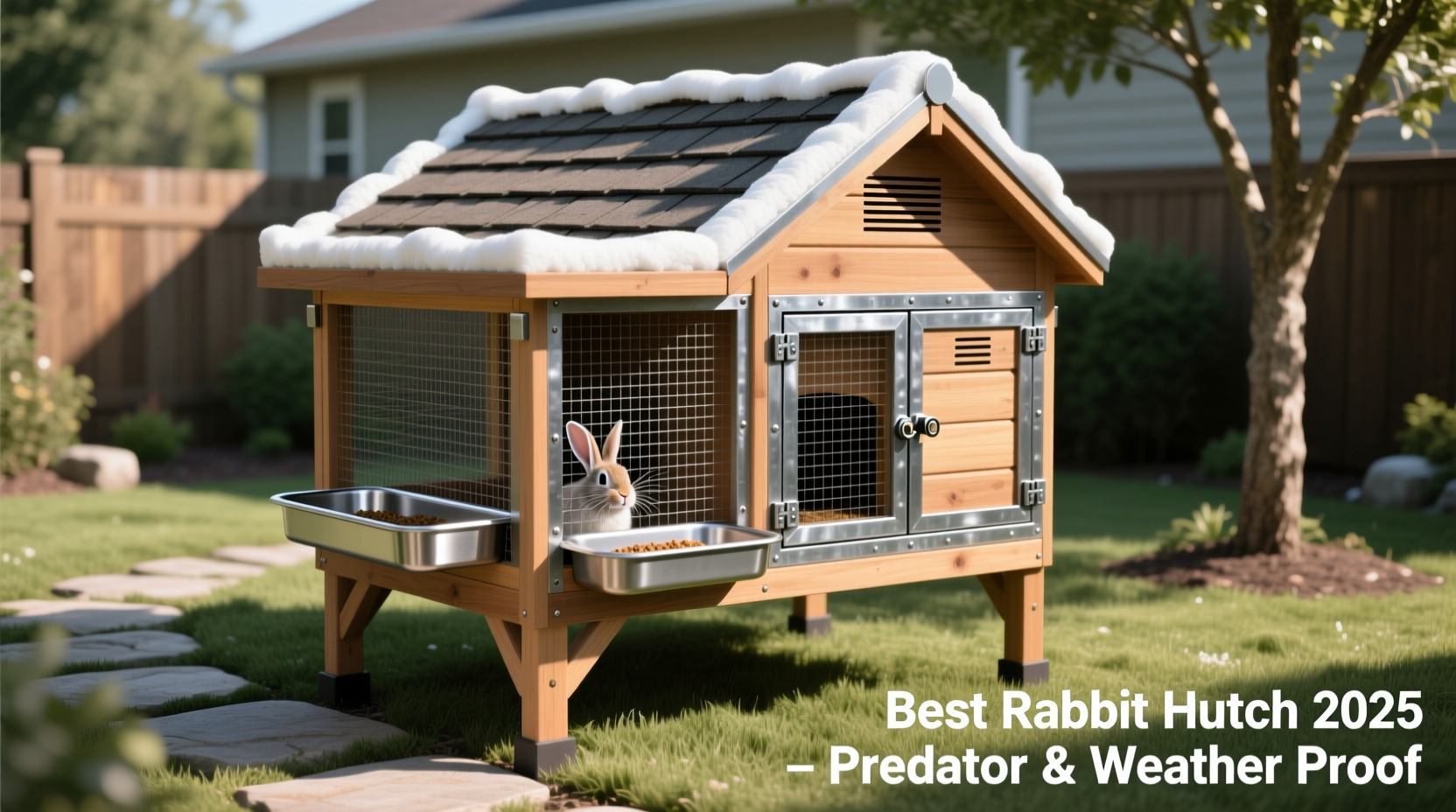
A well-designed rabbit hutch must balance ventilation, insulation, security, and accessibility. Not all hutches on the market meet these demands equally. To identify the best options, consider the following critical features:
- Sturdy Construction Materials: Opt for hutches made from pressure-treated wood, galvanized steel, or heavy-duty plastic composites. These materials resist rot, chewing, and warping over time.
- Secure Locking Mechanisms: Simple latches are easily opened by raccoons and other intelligent predators. Look for hutches with twist-lock pins, padlock-compatible clamps, or recessed closures.
- Fine Mesh Wire Flooring and Sides: 1/2-inch welded wire mesh is ideal—small enough to prevent predator paws from reaching through but large enough for waste to fall through.
- Elevated Design: Raising the hutch off the ground prevents flooding during heavy rains and deters burrowing animals like weasels or rats.
- Overhanging Roof with Drip Edge: A roof extending at least 4 inches beyond walls shields against sideways rain and snow accumulation.
- Insulated or Double-Walled Panels: For colder climates, insulated walls help maintain internal temperature and reduce wind chill.
- Removable Trays for Easy Cleaning: Hygiene plays a role in disease prevention, especially when damp bedding accumulates.
Top 5 Rabbit Hutches for Maximum Protection
After evaluating durability, user feedback, expert reviews, and performance under adverse conditions, these five hutches stand out for offering exceptional defense against both wildlife threats and environmental extremes.
| Hutch Model | Material | Predator Resistance | Weather Protection | Capacity | Price Range |
|---|---|---|---|---|---|
| X-Large Wooden Rabbit Hutch by PawHut | Wood + Galvanized Steel Mesh | High (reinforced base, lockable doors) | Excellent (sloped roof, elevated floor) | 2–3 medium rabbits | $180–$220 |
| Living World Deluxe Habitat | Plastic base + Metal frame | Moderate (lightweight, best indoors/outdoor shelter) | Good (water-resistant base) | 1–2 small rabbits | $130–$160 |
| Best in Show Pet Products Large Run-In Hutch | Cedar wood + Powder-coated wire | Very High (double-door entry, predator-proof latches) | Excellent (insulated walls, shingle-style roof) | 2–4 rabbits | $280–$320 |
| VivoHome Double Decker Outdoor Hutch | Solid fir wood + Zinc-coated mesh | High (elevated design, secure locks) | Very Good (overhang roof, slatted floor) | 2–3 rabbits | $200–$240 |
| Petmate Rabbit Hutch with Run | Steel frame + PVC-coated wire | Moderate-High (portable, but needs anchoring) | Good (includes weather flap cover) | 1–2 rabbits + exercise run | $170–$200 |
The Best in Show Pet Products model earns top marks for its integrated insulation and reinforced locking system, making it ideal for regions with cold winters and active nocturnal predators. Meanwhile, the PawHut and VivoHome models offer excellent value with strong weather resistance and durable builds suitable for most temperate zones.
“Many owners underestimate how clever raccoons are—they can open simple hooks and even lift flimsy lids. If your hutch isn’t secured with a metal pin or padlock, it’s not truly predator-proof.” — Dr. Lena Torres, Small Mammal Veterinarian & Wildlife Safety Consultant
Step-by-Step Guide to Securing Your Rabbit Hutch
Purchasing a high-quality hutch is only the first step. Proper installation and ongoing maintenance determine long-term safety. Follow this timeline to ensure optimal protection:
- Choose the Right Location (Day 1): Place the hutch on level ground, ideally on gravel, concrete, or wooden decking. Avoid grassy areas where moisture collects and diggers thrive.
- Anchor the Hutch (Day 1): Use U-shaped ground stakes through the bottom frame or bolt it to a platform. This prevents tipping and discourages underneath digging.
- Reinforce Weak Points (Day 2): Cover lower sections of wire with 1/4-inch hardware cloth. Overlap seams by at least 2 inches and secure with galvanized staples.
- Add a Run Cover (Day 3): If using an attached run, cover the top with the same mesh material to deter birds of prey. Secure edges tightly.
- Install Weather Barriers (Ongoing): In winter, add a removable wooden panel or clear acrylic sheet to block north winds. In summer, use breathable shade cloths overhead.
- Check Daily (Daily Routine): Inspect locks, flooring integrity, bedding dryness, and signs of animal activity nearby.
Real-World Example: Protecting Rabbits in Rural Pennsylvania
Sarah M., a homesteader in central Pennsylvania, lost two rabbits to a fox attack before upgrading her housing setup. Her original hutch was a basic wooden box with chicken wire siding, placed directly on soil. Though it looked charming, it offered little resistance.
After consulting with a local extension agent, she replaced it with the Best in Show Pet Products hutch, mounted it on a raised cedar platform, and surrounded the entire structure with a buried 2-foot-deep hardware cloth skirt. She also installed motion-sensor lighting around the perimeter.
Over the next two years, despite frequent coyote and fox sightings, her rabbits remained unharmed. “The difference wasn’t just the hutch,” she noted. “It was combining a solid build with smart placement and extra layers of defense.”
This case illustrates that no single solution guarantees safety—layered protection does.
Essential Checklist Before Buying a Rabbit Hutch
Use this checklist to evaluate any potential purchase. Skip any item at your peril:
- ✅ Is the wire mesh smaller than 1/2 inch? (Smaller is better near the base.)
- ✅ Are all access doors equipped with tamper-proof locks?
- ✅ Is the floor elevated at least 6 inches above ground?
- ✅ Does the roof extend beyond walls to prevent rain ingress?
- ✅ Can the hutch be anchored or weighed down securely?
- ✅ Is ventilation balanced with draft protection?
- ✅ Is the interior easy to clean and resistant to moisture buildup?
- ✅ Does it allow space for nesting, resting, and movement? (Minimum: 12 sq ft per 2 rabbits)
Common Myths About Rabbit Hutch Safety
Misinformation leads many well-meaning owners to make dangerous assumptions. Here are three myths debunked:
- Myth 1: Chicken wire is sufficient. False. Chicken wire is easily torn by claws and teeth. Use welded wire or hardware cloth instead.
- Myth 2: Indoor hutches don’t need weather protection. Even covered patios expose hutches to humidity and temperature drops. Condensation can lead to respiratory issues.
- Myth 3: A heavy hutch doesn’t need anchoring. Strong winds or determined animals can shift or tip even bulky units.
Frequently Asked Questions
Can I leave my rabbit outside year-round?
Yes, provided the hutch is well-insulated, windproof, and monitored regularly. Breeds like Flemish Giants and Rex tolerate cold better than smaller breeds. Always provide unfrozen water and extra bedding in winter.
How do I stop raccoons from getting in?
Eliminate simple latches and replace them with carabiner-style clips or padlocks. Also, avoid leaving food overnight, as scent attracts them. Consider installing a wireless camera to monitor nighttime activity.
Is wood better than plastic for outdoor hutches?
Wood offers better insulation and aesthetics, but only if treated and maintained. Untreated pine rots quickly. Plastic resists moisture but conducts heat and cold, making temperature regulation harder. Many experts recommend wood exteriors with plastic trays for hygiene.
Final Recommendations and Long-Term Care
The best rabbit hutches combine thoughtful engineering with durable materials. While initial cost may be higher for premium models, the investment pays off in longevity, reduced vet bills, and peace of mind. Remember: a rabbit’s vulnerability lies not in fragility, but in lack of proper defense.
Regular maintenance is non-negotiable. Every season, inspect for rust, loose screws, worn bedding, and signs of pest infestation. Reapply waterproof sealant to wooden parts annually. Rotate cleaning schedules to prevent ammonia buildup, which damages respiratory systems.
Finally, observe your rabbits closely. Signs of stress—such as thumping, hiding, or reduced appetite—may indicate insecurity due to noise, drafts, or perceived threats. Adjust positioning or add visual barriers (like burlap curtains on one side) to create a calmer environment.
“A safe hutch isn’t just about bars and locks—it’s about creating a stable micro-environment where a prey animal feels secure enough to thrive.” — Dr. Alan Prescott, Animal Behavior Specialist
Take Action Today to Protect Your Rabbits
Your rabbits depend on you for survival. Don’t wait until after a storm or a close call to upgrade their living space. Evaluate your current hutch using the checklist provided, research models suited to your climate and predator risks, and install it with care. Whether you choose the rugged Best in Show hutch for northern winters or the versatile VivoHome for moderate zones, prioritize security over style. Share your experiences, ask questions in pet communities, and continue learning—because every improvement you make adds months, even years, to your rabbit’s happy, healthy life.
💬 Have a story about protecting your rabbits or a favorite hutch model? Share your insights in the comments—your experience could help another owner avoid tragedy.








