For cat owners seeking a cleaner, greener alternative to traditional clay or silica litters, pine-based cat litter has emerged as a top contender. Made from renewable softwood sources, pine litter offers natural odor control, biodegradability, and low dust—all without sacrificing performance. As environmental awareness grows and pet parents demand safer products, choosing the right pine litter can make a meaningful difference in both household hygiene and ecological impact.
Pine litter works by leveraging the natural absorbency and aromatic properties of pine wood. When urine hits the litter, it is absorbed and broken down by enzymes in the wood, neutralizing ammonia smells rather than masking them. Unlike chemical-scented clumping litters, pine relies on its inherent freshness to keep odors at bay—making it ideal for sensitive cats and humans alike.
Why Pine Cat Litter Excels in Odor Control
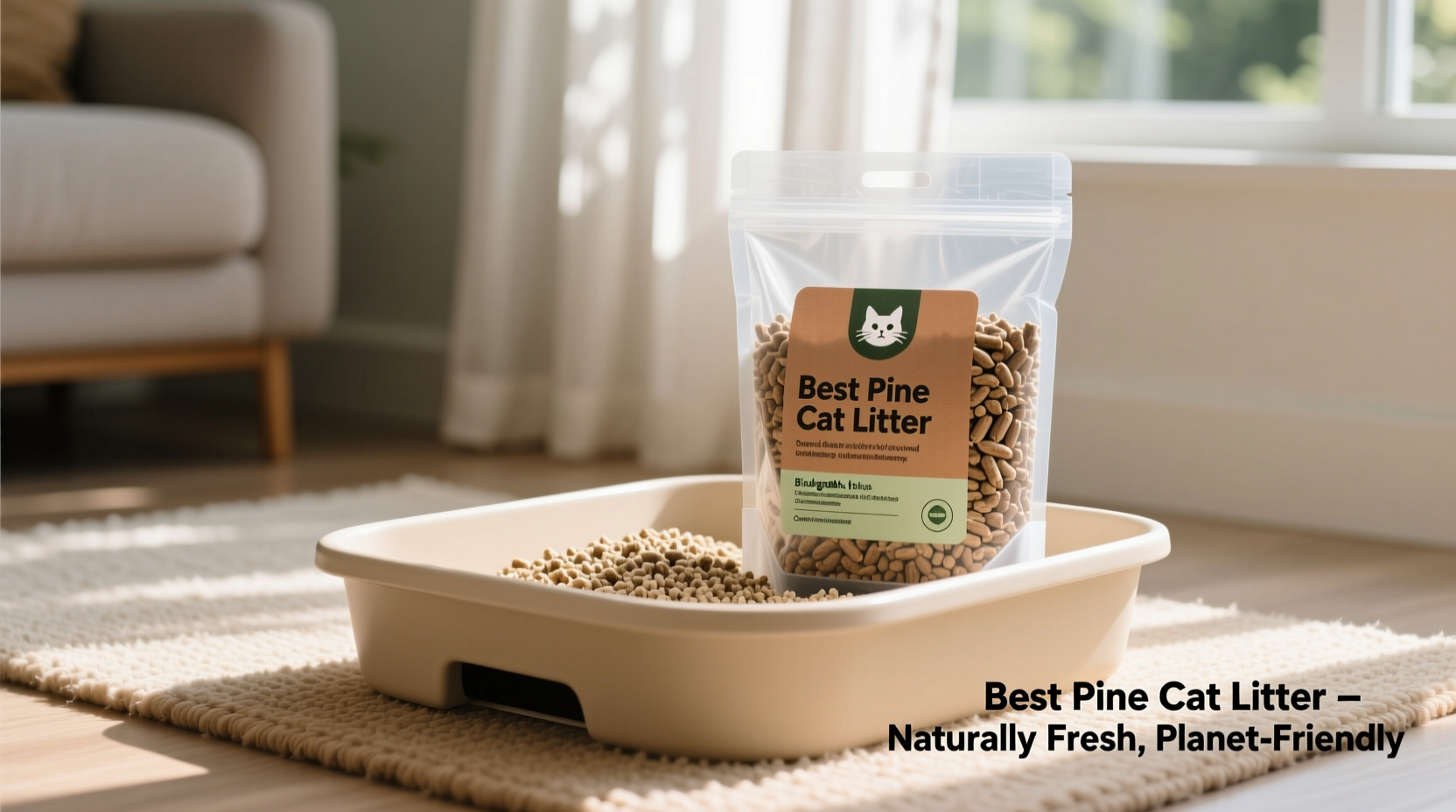
Pine contains natural compounds like pinene and terpenes, which have antimicrobial and deodorizing qualities. These oils help suppress bacterial growth that leads to foul smells, particularly ammonia from cat urine. Because pine pellets or granules are typically kiln-dried, they’re highly absorbent and expand when wet, locking in moisture and isolating odor effectively.
Unlike clay litters that require synthetic fragrances to cover up smells, pine litter uses nature’s own chemistry. The result is a consistently fresh scent—not an overpowering perfume, but a clean, forest-like aroma that dissipates over time rather than building up in enclosed spaces.
Tip: For maximum odor control, change the litter box weekly and remove soaked pellets daily to prevent saturation.The Environmental Edge of Sustainable Pine Litter
Sustainability is a growing concern in pet care. Traditional clay mining is energy-intensive and destructive to ecosystems, while silica gel crystals are derived from non-renewable resources and do not break down in landfills. In contrast, high-quality pine litters are made from sawmill byproducts—waste wood from furniture or construction industries—giving new life to material that would otherwise be discarded.
Most pine litters are 100% biodegradable and safe for composting (excluding feces, which should never be composted indoors). Some brands even use FSC-certified wood sources, ensuring responsible forestry practices. When disposed of properly, pine litter returns to the earth without leaving behind microplastics or toxic residues.
“Switching to plant-based litters like pine reduces a household’s pet-related carbon pawprint significantly.” — Dr. Lena Reyes, Veterinary Environmental Scientist
Top 5 Pine Cat Litters for Performance and Eco-Impact
Not all pine litters deliver equal results. After evaluating ingredient sourcing, customer feedback, dust levels, and odor management, these five stand out for balancing effectiveness with sustainability.
| Brand | Odor Control | Clumping Type | Biodegradable | Price Range (per 20 lb) |
|---|---|---|---|---|
| Pine Pellets by Ökocat | Excellent | Pellet (non-clumping) | Yes | $18–$22 |
| Natural Pine Litter by TruScents | Very Good | Fine Granules | Yes | $16–$20 |
| Pine & Paper Blend – Cats Pride | Good | Clumping | Limited (blended) | $14–$17 |
| EcoClean Pine Formula | Excellent | Pellets | Yes | $20–$24 |
| Pine-Sol Natural Cat Litter (no relation to cleaner) | Good | Granular | Yes | $15–$19 |
Ökocat and EcoClean lead in sustainability, using only reclaimed pine and minimal processing. TruScents earns praise for its fine texture, which some cats prefer over larger pellets. Cats Pride offers a budget-friendly hybrid option, though its paper content may reduce overall biodegradability.
How to Transition Your Cat to Pine Litter
Cats are creatures of habit, and sudden changes in litter texture or scent can lead to avoidance. A smooth transition ensures your cat adapts without stress or accidents.
- Mix gradually: Start with 75% old litter and 25% pine. Over 7–10 days, increase the pine ratio incrementally.
- Monitor behavior: Watch for hesitation, digging changes, or elimination outside the box.
- Use the same box type: Maintain familiar surroundings; only change the litter.
- Double-box method: Place a second litter box with pure pine nearby. Let your cat choose.
- Reward positive use: Offer treats or praise when your cat uses the new litter.
Real-World Example: A Multi-Cat Home Success Story
Sarah, a pet owner in Portland, Oregon, struggled with persistent ammonia odors in her basement laundry room where three cats shared a single box. She used a scented clay litter but found the fumes overwhelming, especially with poor ventilation.
After researching eco-friendly alternatives, she switched to Ökocat Pine Pellets. Within two weeks, the air quality improved dramatically. “I was skeptical at first because the pellets looked so different,” she said. “But my cats adapted quickly, and now I barely notice any smell—even after a full week between changes.”
She also began composting the used litter (without feces) in her backyard tumbler, reducing her household waste. “It feels good knowing I’m not sending pounds of clay to the landfill every month.”
Common Pitfalls to Avoid with Pine Litter
- Using in automatic litter boxes: Most pellet-style pine litters don’t work well with mechanical rakes due to size and shape.
- Overfilling the box: 2–3 inches is sufficient. Too much litter can trap moisture and create damp pockets.
- Flushing indiscriminately: While some pine litters claim flushability, they can swell and clog pipes. Composting or trash disposal is safer.
- Ignoring tracking: Larger pellets may scatter less than fine dust, but textured paws can still carry pieces. Use a mat under the box.
Checklist: Choosing the Best Sustainable Pine Litter
- ✅ Made from 100% reclaimed or sustainably harvested pine
- ✅ Free from synthetic fragrances, dyes, and silica dust
- ✅ Low tracking and dust-free or low-dust formula
- ✅ Proven odor-neutralizing capability (look for enzyme-enhanced options)
- ✅ Packaging is recyclable or compostable
- ✅ Positive reviews regarding cat acceptance
- ✅ Safe for septic systems if you plan to dispose via toilet (check brand guidelines)
Frequently Asked Questions
Is pine cat litter safe for kittens?
Yes, pine litter is generally safe for kittens over eight weeks old. However, avoid fine granules that could be ingested during grooming. Larger pellets are less likely to stick to tiny paws and fur. Always supervise initial use and ensure hydration, as strong pine scents may temporarily deter drinking.
Can I compost pine cat litter?
You can compost the urine-soaked litter, but never compost feces due to harmful pathogens like Toxoplasma gondii. Use only in outdoor compost piles intended for yard waste, not vegetable gardens. Follow local regulations and maintain high heat (140°F+) to break down organic matter safely.
Does pine litter track less than clay?
Generally, yes. Pine pellets are larger and heavier than fine clay or silica particles, reducing what sticks to paws. However, individual cat habits and box placement affect tracking. Placing a rubber mat or washable rug beneath the box captures most debris.
Final Thoughts: Making a Smarter, Greener Choice
Selecting the best pine cat litter isn’t just about convenience—it’s a commitment to better health for your cat and a lighter footprint on the planet. With superior odor control rooted in natural chemistry and sustainability built into its sourcing, pine litter proves that eco-conscious choices don’t require sacrificing performance.
The right product balances efficacy, safety, and environmental responsibility. Whether you're switching from clay, looking to reduce plastic waste, or simply tired of overpowering perfumes, pine-based litters offer a refreshingly simple solution.
🚀 Ready to make the switch? Try a sample size of a top-rated pine litter today—your nose, your cat, and the planet will thank you.








