Setting up an aquarium is more than just filling a glass box with water and adding colorful fish. The long-term success of your tank depends on choosing species that are compatible, hardy, and suited to your setup and experience level. Whether you're starting your first 10-gallon tank or expanding a larger community aquarium, selecting the right fish makes all the difference in maintaining a balanced, thriving aquatic environment.
This guide explores some of the most popular and reliable fish species for home aquariums, their care requirements, compatibility considerations, and tips for ensuring they flourish. From peaceful community dwellers to striking centerpiece fish, these recommendations are backed by years of aquarist experience and biological suitability.
Top 10 Beginner-Friendly Fish for Your Aquarium
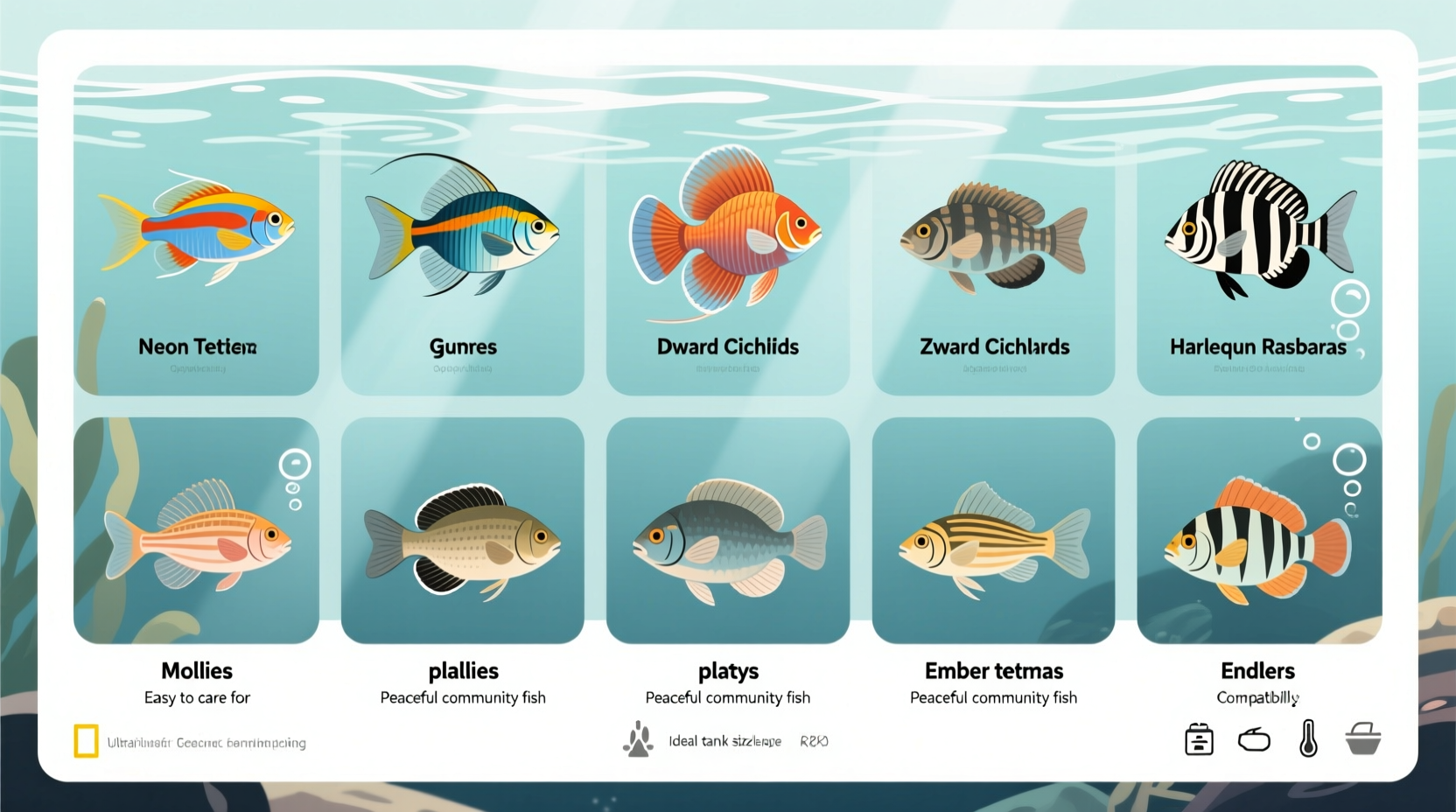
For new aquarists, starting with resilient and low-maintenance species increases the chances of long-term success. These fish tolerate minor fluctuations in water conditions and are generally peaceful, making them ideal for community tanks.
- Neon Tetra – Known for their vibrant blue and red stripes, neon tetras are schooling fish that thrive in groups of six or more. They prefer soft, slightly acidic water and do well in planted tanks.
- Guppy – Brightly colored and highly adaptable, guppies are prolific breeders and active swimmers. Males display elaborate fins and patterns, while females are larger and more subdued.
- Platy – Peaceful and easy to care for, platies come in a variety of colors and fin types. They adapt well to different water parameters and coexist nicely with other non-aggressive species.
- Swordtail – Similar to platies but with a distinctive sword-like tail extension on males, swordtails are active mid-level swimmers that appreciate open swimming space.
- Zebrafish (Zebra Danio) – Extremely hardy and energetic, zebra danios are excellent for cycling new tanks. Their striped pattern and fast movement add dynamic energy to any aquarium.
- Corydoras Catfish – Bottom-dwellers that help clean up leftover food, cory cats are social and spend their time sifting through substrate. Keep them in groups of at least five.
- Otto Catfish (Otocinclus) – Small algae eaters perfect for controlling biofilm and green spot algae. They require established tanks with existing algae growth and supplemental feeding.
- Harlequin Rasbora – With their coppery body and black triangular patch, these peaceful schooling fish add elegance to mid-sized tanks.
- Betta (Siamese Fighting Fish) – While males must be kept alone due to aggression, bettas are stunning and can live in smaller tanks (5+ gallons) with proper heating and filtration.
- Dwarf Gourami – Calm and colorful, dwarf gouramis are labyrinth fish that can breathe atmospheric air. Avoid keeping multiple males together.
Fish Compatibility: What Works Together?
Not all fish can coexist peacefully. Aggression, size differences, and environmental preferences determine whether species can share a tank. A harmonious aquarium balances temperament, swimming zone, and water parameter needs.
| Fish Type | Temperament | Swim Zone | Compatible Tankmates | Avoid With |
|---|---|---|---|---|
| Neon Tetra | Peaceful | Middle | Other tetras, rasboras, corys | Cichlids, large barbs |
| Guppy | Peaceful | Top/Mid | Platies, mollies, small tetras | Fin nippers like tiger barbs |
| Corydoras | Peaceful | Bottom | Tetras, rasboras, dwarf cichlids | Aggressive diggers |
| Betta | Aggressive (males) | Top/Mid | Snails, shrimp, corys (cautiously) | Other male bettas, flashy fish |
| Dwarf Gourami | Peaceful to semi-aggressive | Top | Tetras, rasboras, loaches | Other gouramis, aggressive fish |
Creating a Balanced Community Tank
A successful community aquarium mimics natural ecosystems by incorporating fish from different zones—top, middle, and bottom—while maintaining similar water chemistry and behavioral traits.
Start with a base layer of bottom cleaners like corydoras or kuhli loaches. Add a school of mid-water swimmers such as neon tetras or harlequin rasboras. Finish with surface dwellers like hatchetfish or peaceful gouramis. This vertical distribution reduces competition and maximizes space utilization.
Ensure adequate hiding spots using driftwood, rocks, and live plants. Plants like java fern, anubias, and cryptocoryne not only provide shelter but also improve water quality by absorbing nitrates.
“Overstocking is the most common mistake among beginners. Follow the one-inch-per-gallon rule loosely, but prioritize behavior and adult size over linear measurements.” — Dr. Lena Torres, Aquatic Biologist
Step-by-Step Guide to Introducing New Fish
Improper acclimation stresses fish and increases mortality. Follow this timeline to safely introduce new arrivals:
- Float the bag (15–20 min): Place the sealed bag on the tank’s surface to equalize temperature.
- Drip acclimate (45–60 min): Use airline tubing to slowly drip tank water into the bag, doubling its volume gradually.
- Remove old water: Carefully net the fish and transfer it to the tank, discarding the transport water to avoid contamination.
- Observe for 24 hours: Monitor for signs of stress, disease, or aggression. Do not feed on the first night.
- Feed lightly on day two: Offer a small amount of food and continue observing interactions.
Common Mistakes and How to Avoid Them
- Overfeeding: Excess food decays and pollutes water. Feed only what fish consume in 2–3 minutes, once or twice daily.
- Adding too many fish at once: This overwhelms the nitrogen cycle. Stock in stages, waiting 1–2 weeks between additions.
- Ignoring water parameters: Test ammonia, nitrite, nitrate, pH, and temperature weekly. Stable conditions prevent disease.
- Using tap water without dechlorination: Chlorine kills beneficial bacteria and damages fish gills. Always use a water conditioner.
- Skipping quarantine: Even healthy-looking fish can carry parasites. Isolate newcomers to protect your existing population.
Mini Case Study: A Thriving 20-Gallon Community Tank
Jamal, a first-time aquarist, set up a 20-gallon planted tank with moderate lighting and a sponge filter. After cycling for six weeks, he introduced five corydoras, six neon tetras, and three ghost shrimp. He waited two weeks before adding four ember tetras and a single dwarf gourami.
By spacing out introductions and monitoring water quality, Jamal avoided ammonia spikes. He feeds a mix of flake, frozen brine shrimp, and algae wafers, and performs 25% water changes every Sunday. Ten months later, his tank remains stable, with visible plant growth and active, healthy fish. His success stemmed from patience, research, and gradual stocking.
Fish Care Checklist
Use this checklist to maintain a healthy aquarium environment:
- ✅ Cycle the tank for 4–6 weeks before adding fish
- ✅ Test water weekly (ammonia, nitrite, nitrate, pH)
- ✅ Acclimate new fish slowly using the drip method
- ✅ Provide hiding places and varied terrain
- ✅ Feed appropriate diets based on species (herbivore, omnivore, carnivore)
- ✅ Perform regular water changes (10–25% weekly)
- ✅ Quarantine sick or new fish before introduction
- ✅ Observe fish daily for unusual behavior or appearance
Frequently Asked Questions
How many fish can I keep in my tank?
The general rule is one inch of fish per gallon, but this varies by species. Active or wide-bodied fish need more space. Always consider adult size, waste production, and swimming habits when stocking.
Can I keep bettas with other fish?
Yes, but carefully. Female bettas can sometimes be kept in groups (sororities) in larger tanks. Male bettas should be housed alone, but may coexist with peaceful bottom dwellers like corydoras or snails if the tank has hiding spots and visual barriers.
Why are my fish gasping at the surface?
This often indicates poor oxygenation or high ammonia levels. Check water parameters immediately, ensure proper filtration and surface agitation, and perform a partial water change if needed.
Conclusion: Build a Sustainable, Vibrant Aquarium
Choosing the best fish for your tank isn’t just about color or popularity—it’s about creating a sustainable ecosystem where each inhabitant thrives. By selecting compatible, hardy species and following responsible care practices, you can enjoy a beautiful, low-maintenance aquarium that brings calm and fascination to your space.
💬 Ready to start your aquatic journey? Share your favorite fish combo or ask a question in the comments below—let’s build a community of informed, passionate fishkeepers!








