Thunderstorms can be terrifying for dogs. The sudden booms of thunder, flashes of lightning, shifts in barometric pressure, and static electricity can trigger intense fear responses—even in otherwise confident animals. While environmental management and behavioral training are foundational, many pet owners turn to calming treats as a supportive tool. But not all products are created equal. With increasing concern about misleading marketing claims, it's essential to rely on solutions vetted by veterinary behaviorists and grounded in scientific research.
This guide explores the most effective calming treats for dogs during thunderstorms, focusing on ingredients with clinical backing, dosage considerations, and integration into a broader anxiety-management plan. We also include expert insights, real-world examples, and practical checklists to help you make informed decisions that prioritize your dog’s well-being.
Why Dogs React to Thunderstorms
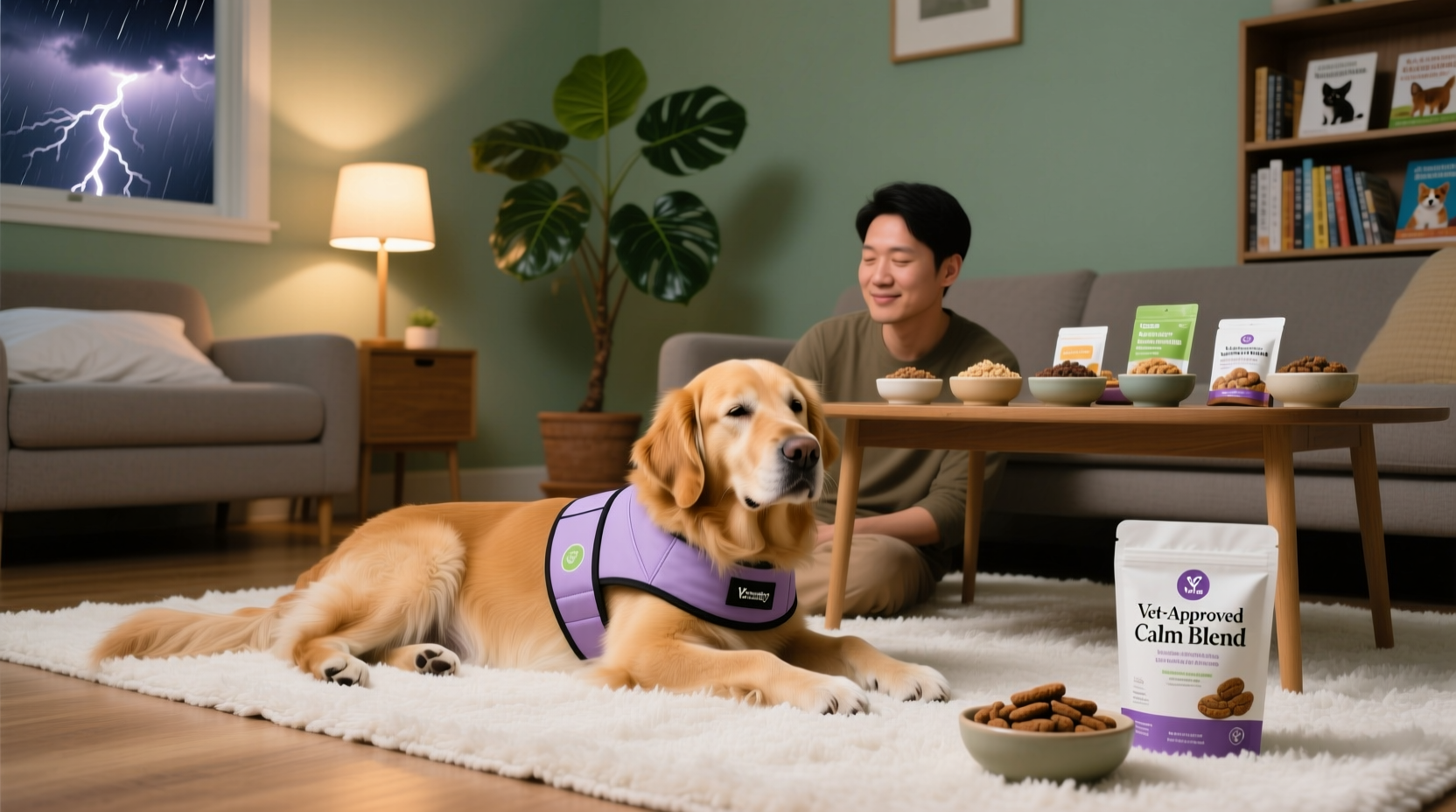
Dogs perceive storms differently than humans. Their acute hearing amplifies the sound of thunder, sometimes detecting it miles before it reaches your location. Additionally, changes in atmospheric pressure and the buildup of static electricity may cause physical discomfort, particularly in long-haired breeds. These factors combine to create a sensory overload that manifests as trembling, pacing, hiding, vocalizing, or destructive behavior.
According to Dr. Karen Overall, a board-certified veterinary behaviorist and researcher, “Noise aversion is one of the most common forms of anxiety in dogs, and thunderstorms are a primary trigger. It’s not just about loud sounds—it’s a multisensory experience that overwhelms their nervous system.”
While behavior modification techniques such as desensitization and counter-conditioning are gold standards, they require time and consistency. In acute situations—like an unexpected storm—calming supplements can serve as a valuable adjunct.
Key Ingredients Backed by Veterinary Science
The efficacy of calming treats depends largely on their active ingredients. Unlike prescription medications, over-the-counter supplements are not regulated by the FDA in the same way, making ingredient transparency and clinical evidence critical. Below are the most studied components recommended by veterinary behaviorists:
- L-Theanine: An amino acid found in green tea, L-theanine promotes relaxation without sedation by increasing levels of GABA, serotonin, and dopamine in the brain. A 2016 study published in Frontiers in Veterinary Science found that dogs given L-theanine showed reduced heart rate and improved calmness during simulated noise stress.
- Alpha-Casozepine: A bioactive peptide derived from milk protein, alpha-casozepine mimics the calming effect of maternal milk. Research indicates it helps reduce signs of stress in puppies and adult dogs exposed to novel or frightening stimuli.
- Melatonin: A naturally occurring hormone involved in sleep-wake cycles, melatonin has mild anxiolytic properties. It’s especially useful for dogs whose anxiety disrupts sleep patterns during storms. Dosing must be weight-appropriate and veterinarian-approved.
- Colostrum Calming Complex (CCP): Emerging research suggests colostrum contains immunoglobulins and proline-rich polypeptides that support neuroimmune balance, potentially modulating stress responses. Though newer to the market, early trials show promise.
- Chamomile & Passionflower: These herbal extracts have mild sedative effects and are often used in combination. While human studies support their use, canine-specific data is limited—but they are generally safe when used appropriately.
“Look for products with standardized concentrations of active ingredients. Just listing ‘chamomile’ isn’t enough—you need to know how much is actually in each treat.” — Dr. Sophia Yin, late pioneer in animal behavior and applied ethologyTip: Always consult your veterinarian before introducing any new supplement, especially if your dog is on medication or has underlying health conditions like liver disease.
Top Calming Treats Recommended by Vet Behaviorists
Based on ingredient profiles, clinical studies, and expert endorsements, the following products stand out for managing thunderstorm anxiety in dogs:
| Product | Key Ingredients | Dosage Timing | Vet Endorsement Level |
|---|---|---|---|
| Zesty Paws Calming Bites | L-Theanine, Colostrum, Chamomile, Melatonin | 30–60 minutes before storm onset | High – commonly recommended by integrative vets |
| VetriScience Composure Chews | Alpha-Casozepine, Thiamine, L-Theanine | Can be given daily or situational | Very High – developed with veterinary input |
| Solid Gold Sitters Calm & Comfort | L-Tryptophan, Chamomile, Passionflower | 1 hour prior to expected stressor | Moderate – good for mild cases |
| NovaCalm by Nutramax | Colostrum Calming Complex, L-Theanine | Twice daily during storm season | Emerging – supported by preliminary studies |
| Greenies Cool Moves Soft Chews | Melatonin, L-Theanine, Ginger Root Extract | 30–45 minutes pre-exposure | Moderate – palatable but lower concentration |
Note: While these treats are widely used, individual responses vary. Some dogs respond better to melatonin-based formulas, while others benefit more from alpha-casozepine or colostrum complexes. Trial and observation—under veterinary guidance—are essential.
How to Use Calming Treats Effectively: A Step-by-Step Approach
Administering calming treats isn't just about giving a pill before a storm. Strategic timing, pairing with positive reinforcement, and monitoring outcomes maximize effectiveness.
- Start Early in the Storm Season: Begin using daily-formula treats (like Composure or NovaCalm) weeks before peak storm activity. This supports baseline nervous system regulation.
- Monitor Weather Forecasts: Use apps like Weather.com or AccuWeather to anticipate storms 24–48 hours in advance. This allows proactive dosing.
- Administer Before Symptoms Appear: Give situational treats at least 30–60 minutes before thunder starts. Once anxiety escalates, biochemical pathways are already activated, reducing supplement efficacy.
- Pair with Positive Environment: Combine treat administration with a calming routine—turn on white noise, close curtains, and offer a favorite chew toy or puzzle feeder in a designated safe space.
- Observe and Record Response: Track your dog’s behavior (e.g., panting, shaking, barking) on a scale of 1–10 before and after treatment. Adjust product or dosage in consultation with your vet.
- Avoid Overuse: Reserve high-dose melatonin treats for acute events. Long-term use without supervision can disrupt natural hormone balance.
Real-World Example: Helping Max Through Storm Season
Max, a 4-year-old German Shepherd in central Florida, began showing severe storm anxiety at age two. His owner, Sarah, noticed he would tremble uncontrollably, hide under the bed, and bark incessantly during thunderstorms—sometimes for hours. After a consultation with a veterinary behaviorist, Sarah implemented a multi-modal approach:
- Introduced VetriScience Composure Chews as a daily supplement starting in May (pre-storm season).
- Added Zesty Paws Calming Bites with melatonin 45 minutes before forecasted storms.
- Created a “storm den” in a windowless interior room with a weighted blanket, calming music, and a LickiMat smeared with peanut butter.
- Used a Thundershirt during high-intensity events.
Within six weeks, Sarah reported a 70% reduction in Max’s panic episodes. By the end of the season, he still reacted to nearby thunder but remained in his den without vocalizing or attempting escape. The behaviorist credited the success to consistent supplementation paired with environmental enrichment and predictability.
Common Mistakes to Avoid
Even well-intentioned owners can undermine the effectiveness of calming treats. Watch out for these pitfalls:
Tip: Never wait until your dog is already panicking to administer a calming treat. Prevention is far more effective than intervention.- Dosing Too Late: Waiting until thunder is overhead means the dog is already in fight-or-flight mode. Supplements work best prophylactically.
- Switching Products Too Quickly: It can take 2–4 weeks for some ingredients (like colostrum complex) to build up in the system. Give each product a fair trial.
- Ignoring Underlying Pain: Older dogs may react to storms due to arthritis flare-ups triggered by barometric changes. Rule out medical causes first.
- Overlooking Diet Interactions: High-fat meals can delay absorption of active ingredients. Administer treats on an empty stomach or with a light snack.
- Relying Solely on Treats: Supplements are not a substitute for behavioral support. Pair them with training, safe spaces, and noise-masking strategies.
Checklist: Preparing Your Dog for Storm Season
Use this checklist every spring or rainy season to ensure your dog is ready:
- 📅 Schedule a vet check-up to rule out medical contributors to anxiety.
- 📦 Purchase a vet-recommended calming treat with proven ingredients.
- 📆 Start daily supplements 4–6 weeks before storm season begins.
- 📱 Set up weather alerts on your phone for early warnings.
- 🏠 Designate a quiet, secure room as a storm-safe zone.
- 🔊 Test white noise machines or calming music playlists (e.g., “Through a Dog’s Ear”).
- 🧸 Stock the safe zone with high-value chews, snuffle mats, and comfort items.
- 📝 Create a log to track storm dates, treat usage, and your dog’s response.
Frequently Asked Questions
Are calming treats safe for puppies during thunderstorms?
Yes, many calming treats are formulated for puppies, but dosage must be adjusted for weight and development. Products containing only L-theanine or alpha-casozepine are preferred for young dogs. Avoid melatonin unless specifically directed by a veterinarian, as it can affect hormonal development.
Can I give my dog a calming treat every day?
Some products, like VetriScience Composure and NovaCalm, are designed for daily use to support overall nervous system balance. However, treats with higher doses of melatonin should be reserved for acute events. Always follow label instructions and consult your vet for long-term use.
Do calming treats work for all dogs?
No single solution works universally. Approximately 60–70% of dogs show improvement with high-quality calming treats, according to clinical observations. Dogs with severe phobias may require prescription medications like trazodone or fluoxetine in addition to supplements. Behavioral therapy remains crucial for lasting change.
Final Thoughts and Next Steps
Calming treats can play a meaningful role in helping dogs cope with thunderstorm anxiety—but they are most effective when part of a comprehensive strategy. Choosing products backed by veterinary behaviorists ensures you’re relying on science, not marketing hype. Ingredients like L-theanine, alpha-casozepine, and colostrum calming complex have demonstrated measurable benefits in reducing stress markers in dogs.
Remember, your dog’s fear is real. Responding with empathy, preparation, and evidence-based tools makes all the difference. Start by consulting your veterinarian, selecting a reputable product, and integrating it into a calm, predictable routine well before the next storm rolls in.
💬 Have a success story with calming treats? Share your experience in the comments below—your insight could help another anxious dog find peace.








