For many pet owners, feeding time is more than just a routine—it’s a moment of connection. The way you interact with your pet during meals can shape trust, reinforce training, and deepen emotional bonds. As automatic pet feeders grow in popularity, a common concern arises: Does relying on technology to feed your pet weaken that special relationship? This question strikes at the heart of what it means to care for an animal companion. While convenience and consistency are undeniable advantages of automation, the emotional dimension of feeding cannot be ignored. This article examines both sides of the debate, evaluates real-world implications, and offers practical guidance for maintaining a strong human-pet bond—regardless of how meals are delivered.
The Emotional Role of Feeding in Pet Relationships
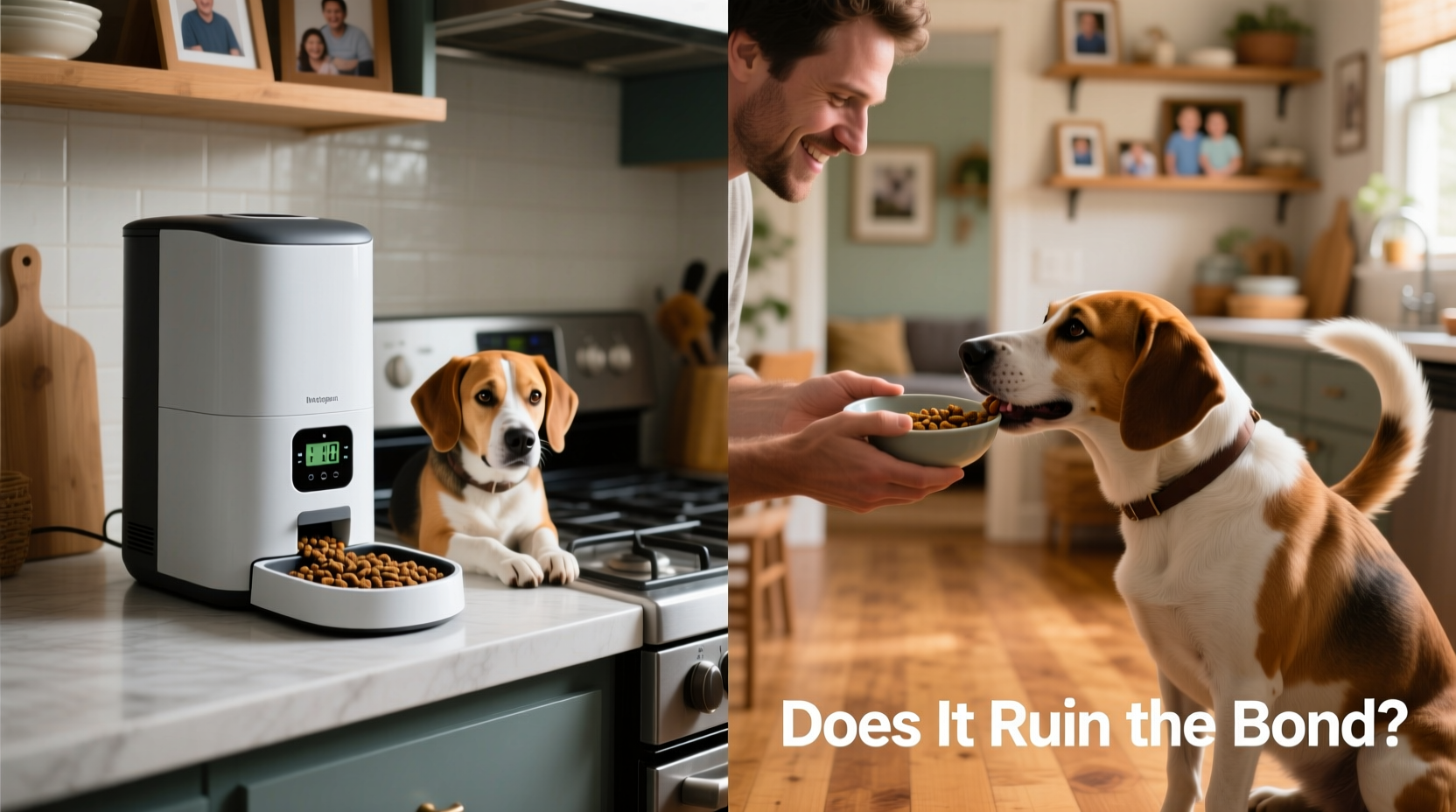
Feeding isn’t just about nutrition; it’s one of the earliest and most consistent forms of interaction between pets and their caregivers. From puppyhood or kittenhood, animals associate food with safety, attention, and affection. When a human hand delivers a meal, pets often interpret this as a gesture of care and dominance within the social hierarchy. Over time, this ritual builds predictability and trust.
Dogs, in particular, are pack-oriented animals. They look to their human as a provider and leader. Hand-feeding or being present during meals reinforces that dynamic. Cats, though more independent, still form strong associative memories with their caregivers around feeding cues—like the sound of a can opener or the rustle of a treat bag.
When technology replaces the human hand in this process, some worry the symbolic act of care is diminished. But is the bond truly at risk, or can emotional connection be preserved through other interactions?
“Feeding is a relational act, not just a functional one. But the bond is built across multiple touchpoints—not just who drops the kibble.” — Dr. Rebecca Alvarez, Veterinary Behavioral Specialist
Benefits and Drawbacks of Automatic Pet Feeders
Automatic feeders offer clear logistical advantages, especially for busy households, frequent travelers, or those managing medical feeding schedules. However, they also come with trade-offs that affect both pet well-being and owner involvement.
| Aspect | Automatic Feeder Pros | Automatic Feeder Cons |
|---|---|---|
| Consistency | Delivers meals at exact times, reducing anxiety from schedule changes | Lacks real-time adjustment based on pet behavior or appetite |
| Convenience | Ideal for early mornings, late nights, or travel | May reduce daily face-to-face interaction if overused |
| Diet Management | Precise portion control helps manage weight and medical conditions | Mechanical failures can lead to missed or double feedings |
| Behavioral Impact | Reduces food guarding by removing competition perception | Pets may associate food with machines rather than humans |
| Bonding Opportunity | Freezes time for play or grooming instead of feeding | Risk of emotional detachment if no alternative bonding occurs |
The data suggests that while automation improves scheduling and portion accuracy, it doesn't inherently support emotional engagement. The key lies in how the technology is integrated into the broader caregiving routine.
Tip: Use the time saved by an automatic feeder to increase quality interaction—play, train, or groom your pet instead of skipping engagement altogether.Real-Life Example: Balancing Tech and Touch
Sarah, a nurse working rotating shifts in Chicago, adopted a rescue dog named Milo. His anxiety was high, especially around mealtimes, due to past neglect. Initially, Sarah tried feeding him manually whenever she could, but her unpredictable schedule led to inconsistent meals, which worsened Milo’s stress.
After consulting her vet, she introduced a smart feeder programmed for two daily meals. She didn’t abandon feeding duties entirely—she remained present when possible, especially during dinner, and used voice features on the feeder to say, “Milo, dinner’s ready!” through the speaker. On days off, she hand-fed treats and incorporated meal portions into training exercises.
Within six weeks, Milo’s anxiety decreased significantly. He ate regularly, gained healthy weight, and responded better to commands. More importantly, Sarah reported feeling *closer* to him because she was less stressed about missing meals. The feeder didn’t replace her role—it enhanced it by providing stability.
This case illustrates that technology, when used intentionally, can support—not sabotage—the human-animal bond.
How to Maintain (or Strengthen) the Bond with an Automatic Feeder
The presence of a machine doesn’t have to mean emotional distance. What matters is how you compensate for the reduced physical interaction during feeding. Consider these strategies to keep the relationship strong:
- Be present when possible. Even if the feeder dispenses food, stand nearby, call your pet’s name, and speak calmly. This maintains association between you and mealtime.
- Incorporate hand-fed elements. Use part of the daily ration for training or enrichment games. This turns feeding into interactive bonding.
- Leverage smart features wisely. Some feeders include cameras and two-way audio. Use them to check in, praise your pet, or soothe anxiety remotely.
- Create new rituals. Replace feeding presence with another consistent routine—like a post-meal walk, cuddle session, or puzzle toy time.
- Monitor appetite closely. Automated systems can’t detect illness-related appetite loss. Check your pet daily and adjust plans if they skip meals.
Checklist: Using an Automatic Feeder Without Losing Connection
- ✅ Program consistent feeding times aligned with your pet’s natural rhythm
- ✅ Stay nearby during at least one meal per day when possible
- ✅ Use 10–25% of daily food for hand-fed training or enrichment
- ✅ Schedule regular check-ins via feeder camera or app
- ✅ Maintain a separate bonding ritual (e.g., post-dinner play)
- ✅ Monitor for mechanical issues and have a backup plan
- ✅ Adjust portions based on activity level and health, not just preset amounts
When Manual Feeding Still Matters Most
There are situations where manual feeding remains essential for both behavioral and emotional reasons:
- Puppies and kittens: Early life is critical for socialization. Hand-feeding small portions teaches trust and responsiveness.
- Rescue or trauma-affected animals: These pets often need repeated positive reinforcement that food comes from humans as a sign of safety.
- Training phases: Positive reinforcement works best when treats are delivered immediately by the handler.
- Medical recovery: Pets recovering from illness may eat better when encouraged by a familiar person offering food by hand.
In these cases, even brief daily manual interactions can make a significant difference. An automatic feeder might assist with supplemental meals, but primary feeding should remain human-led.
“The first bite a scared dog takes from your hand can be the start of healing. That moment can’t be automated.” — Dr. Luis Mendez, Animal Behavior Therapist
Frequently Asked Questions
Will my pet forget I’m their provider if I use an automatic feeder?
Not if you remain involved in other aspects of care. Pets recognize their caregivers through scent, voice, routine, and touch—not just food delivery. As long as you maintain daily interaction, your role as provider and protector remains intact.
Can automatic feeders cause separation anxiety?
Not directly. However, if the feeder becomes the only point of contact during the day, pets may feel neglected. The issue isn’t the device itself, but the lack of broader engagement. Combine automation with scheduled play, walks, and affection to prevent loneliness.
Are there pets that shouldn’t use automatic feeders at all?
Some pets are poor candidates. Those with severe food motivation, chewing tendencies, or anxiety around machines may become stressed or attempt to break the device. Additionally, pets requiring varied textures or fresh food (like raw diets) may not adapt well to stored dry rations. Always assess your pet’s temperament and dietary needs first.
Conclusion: Technology as a Tool, Not a Replacement
The choice between automatic and manual feeding isn’t a moral failing or a betrayal of companionship—it’s a practical decision shaped by lifestyle, health, and individual pet needs. An automatic feeder doesn’t ruin the bond any more than a programmable thermostat ruins family comfort. What matters is intentionality. When used as a tool to support consistency and free up time for higher-quality interaction, automation can enhance pet care. But when it becomes a substitute for presence, affection, and observation, the relationship suffers.
The strongest bonds aren’t built in a single moment, but through accumulated acts of attention, patience, and love. Whether you pour the kibble or press a button, what your pet remembers most is your voice, your touch, and the sense of safety you provide. Use technology wisely, but never let it silence the quiet moments of connection that define true companionship.
🚀 Take action today: If you use an automatic feeder, commit to adding one new bonding ritual this week—hand-feed a portion, play after a meal, or simply sit nearby while your pet eats. Small gestures build lasting trust.








