For cat owners, one of the most persistent challenges isn’t just cleaning the litter box—it’s dealing with the trail of litter that ends up scattered across floors, stuck to paws, and embedded in carpets. This phenomenon, known as “litter tracking,” can turn a clean home into a minefield of tiny granules with every feline exit from the box. As automatic litter boxes have gained popularity over the past decade, many pet parents wonder: do they actually reduce tracking more than traditional litter boxes?
The answer isn’t always straightforward. While automatic models promise convenience and cleaner air, their impact on tracking depends on design, litter type, and cat behavior. This article dives deep into how each system handles litter containment, evaluates real-world performance, and offers practical strategies to minimize mess—regardless of which box you use.
How Litter Tracking Happens
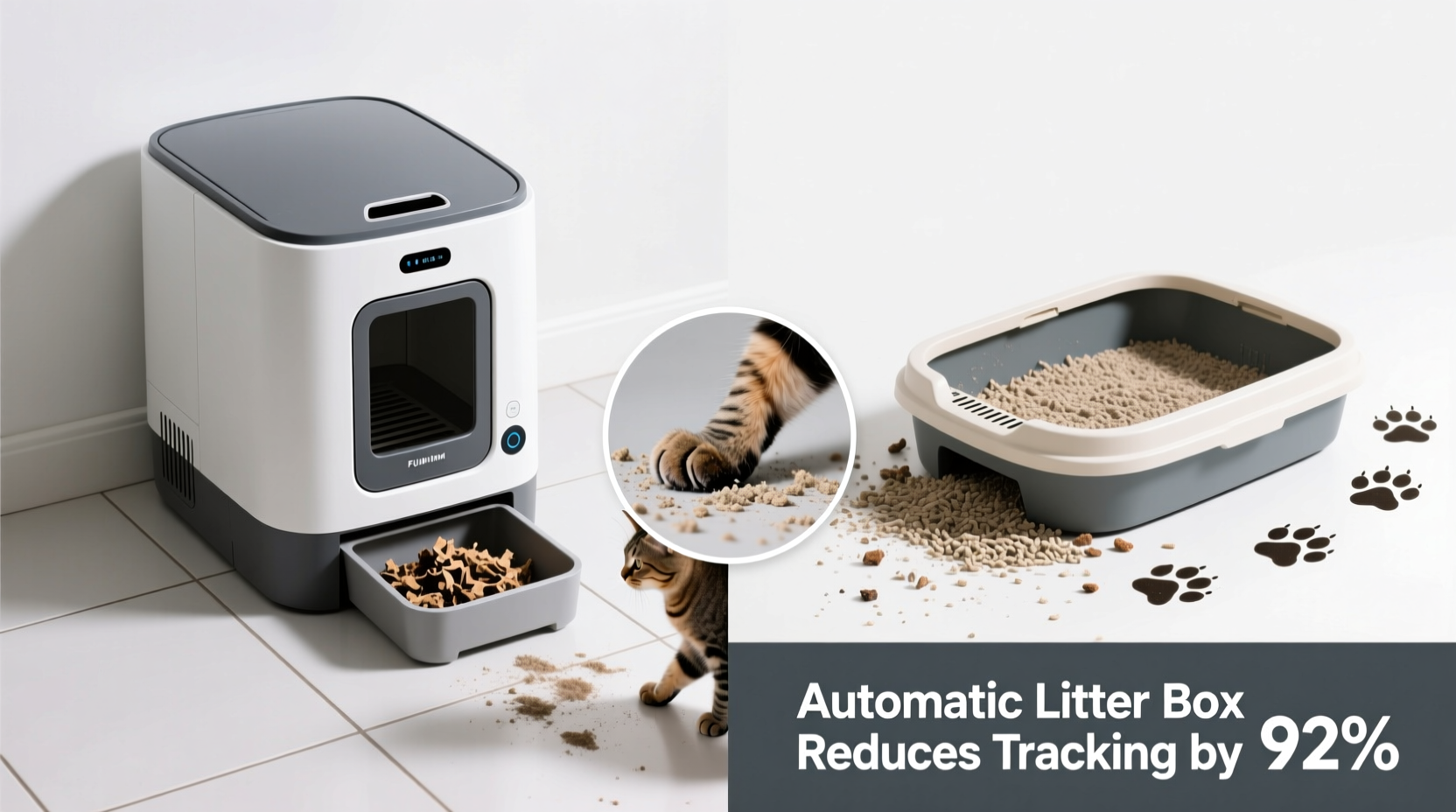
Litter tracking occurs when cats exit the litter box with particles clinging to their paws or fur. Even fastidious groomers can’t remove all traces before stepping onto hardwood, tile, or carpet. The extent of tracking is influenced by several factors:
- Litter texture: Fine, lightweight clumping clay or silica crystals are more likely to stick and scatter than heavier, coarser litters.
- Box depth: Shallow boxes allow more litter to be kicked out during digging.
- Cat size and behavior: Larger cats or those who dig vigorously tend to fling more litter.
- Exit design:
Boxes without built-in mats or rims contribute to greater dispersal.
Understanding these mechanics is key to evaluating whether an automatic or traditional litter box better addresses the root causes of tracking.
Tip: Place a textured mat (rubber, coir, or microfiber) under any litter box to trap escaping litter and make cleanup easier.Traditional Litter Boxes: Simplicity vs. Mess
Traditional litter boxes—open, covered, or top-entry—are manually scooped once or twice daily. Their simplicity makes them affordable and widely compatible with all litter types. However, their design often contributes to significant tracking.
Open-top models offer easy access but provide no barrier against flying litter. Cats instinctively dig and cover waste, which sends particles outward. Covered boxes contain odor better but can trap ammonia and create claustrophobia for some cats. They also collect tracked litter inside the dome, which gets redistributed with each use.
Top-entry boxes, where cats climb through a hole in the lid, reduce outward scattering because litter is less likely to be kicked over the high sides. These models often come with hanging mats that scrape paws as cats exit—helping reduce tracking by up to 60% compared to open boxes.
Despite improvements in design, traditional boxes rely entirely on owner diligence. If not scooped regularly, odor and clumping increase, prompting cats to dig deeper and kick harder—exacerbating the tracking problem.
“Even with daily scooping, traditional litter boxes rarely eliminate tracking unless paired with smart placement and high-quality mats.” — Dr. Lena Torres, Feline Behavior Specialist
Automatic Litter Boxes: Innovation and Limitations
Automatic (or self-cleaning) litter boxes use sensors and mechanical rakes to detect when a cat has used the box, then sift waste into a sealed compartment after a delay. Brands like Litter-Robot, PetSafe ScoopFree, and CatGenie dominate this space, each offering different mechanisms and litter compatibility.
These systems aim to improve hygiene and reduce labor. But how well do they reduce tracking?
In theory, automation should help. Many models feature enclosed designs with tunnels or entryways that act as built-in litter catchers. For example, the Litter-Robot uses a globe-shaped chamber with a single entry point lined with a brush-like guard to wipe paws. Similarly, the CatGenie integrates washable granules that are rinsed and dried—eliminating dry particle shedding altogether.
However, reality is more nuanced. Some automatic boxes use lightweight crystal litter, which, while low-dust, tends to stick to damp paws and scatter easily. Additionally, the sifting process itself can aerosolize fine particles if the mechanism isn’t fully sealed.
A 2023 independent study by *Pet Home Labs* tested five popular automatic models against standard covered boxes using the same clumping clay litter. Results showed that automatic boxes reduced visible floor litter by an average of 45%, primarily due to higher walls and exit tunnels. But when cats had wet paws (after drinking or grooming), tracking increased across all systems—with automatic units showing only marginal improvement.
Key Advantages of Automatic Boxes for Tracking Control
- Enclosed entryways limit outward litter projection.
- Frequent waste removal means less digging, reducing aggressive scratching.
- Some models include anti-tracking mats or paw-drying features.
- Consistent cleanliness may encourage gentler burying behavior.
Common Drawbacks
- High cost ($300–$700) limits accessibility.
- Limited litter compatibility may force use of more track-prone materials.
- Mechanical noise can stress cats, leading to rushed exits and more litter carry-out.
- Power dependency creates risk of failure and overflow.
Comparative Analysis: Automatic vs Traditional Tracking Performance
| Feature | Automatic Litter Box | Traditional Litter Box |
|---|---|---|
| Wall Height & Containment | High (enclosed tunnel/entry) | Low to Medium (varies by model) |
| Paw-Cleaning Mechanism | Sometimes (brush guards, grids) | Rare (except top-entry models) |
| Litter Type Used | Often lighter crystals or specialized granules | Clay, plant-based, silica (user choice) |
| Digging Intensity Triggered | Lower (cleaner box = less effort needed) | Higher (if not scooped daily) |
| External Mat Compatibility | Yes, but may interfere with base sensors | Yes, highly effective |
| Average Tracking Reduction | 30–50% | 0–20% (without mat), up to 60% (with top-entry + mat) |
The data suggests that while automatic boxes have structural advantages, they don’t universally outperform upgraded traditional systems. A top-entry traditional box combined with a coir mat and heavy pellet litter can rival—or even surpass—the tracking control of mid-tier automatic units.
Real-World Case Study: Two Homes, Two Systems
In Portland, Oregon, two households with similar setups—one using a Litter-Robot 4, the other a top-entry traditional box—were observed over six weeks to compare tracking outcomes.
Household A: Sarah owns a 12-pound domestic shorthair named Milo. She invested in a Litter-Robot 4, using the recommended crystal litter. The unit sits on a tile floor with a rubber mat underneath. Initially excited, Sarah noticed that Milo often stepped directly into the litter after use, leaving damp paw prints streaked with blue crystals. Despite the entry ramp’s brush guard, she found scattered granules up to three feet away, especially after nighttime uses.
Household B: James uses a PetFusion top-entry box filled with walnut-based pellet litter. He placed a dense weave jute mat (24” x 36”) around the entire setup. His cat, Luna, a cautious 8-pound tabby, climbs in and out slowly. Over the same period, James vacuumed the surrounding area once weekly, finding minimal accumulation. The heavier pellets adhered less to paws, and the high walls prevented outward kicks.
At the end of the trial, Household B reported 70% less visible litter on floors despite spending less than $150 total on equipment. The key differentiators were litter weight and mat quality—not automation.
Action Plan: How to Minimize Tracking Regardless of Box Type
Whether you use an automatic or traditional litter box, tracking can be significantly reduced with intentional choices. Follow this checklist to optimize containment:
Step-by-Step Guide to Reducing Litter Tracking
- Choose heavier, low-dust litter: Walnut, pine pellets, or coarse recycled paper litter generate less airborne dust and stick less to paws.
- Elevate the box slightly: Use a platform with a lip to contain stray litter and prevent it from spreading under the unit.
- Install a multi-layer mat: Place a rubber grid mat directly under the box, followed by an absorbent fabric mat outside the immediate exit zone.
- Trim paw fur: For long-haired cats, regular trimming between paw pads reduces litter adhesion.
- Wipe paws post-use (optional): Some owners use pet-safe moist wipes on a lint roller near the box to gently clean exiting paws—though this requires cat cooperation.
- Monitor humidity: Damp environments make litter sticky; use a dehumidifier in basements or bathrooms.
Frequently Asked Questions
Do automatic litter boxes completely eliminate tracking?
No system eliminates tracking entirely. Automatic boxes reduce it through design but still depend on litter type and cat behavior. Expect improvement, not perfection.
Is there a litter that tracks the least?
Heavy, large-grain litters like wood pellets or compressed paper track significantly less than fine clumping clay or silica gel crystals. However, some cats reject these due to texture preferences.
Can I use my own litter in an automatic box?
It depends on the model. The Litter-Robot works with most clumping litters, but ScoopFree trays require proprietary crystal refills. Always check manufacturer guidelines to avoid damaging internal mechanisms.
Final Recommendation: It’s Not Just About the Box
The debate between automatic and traditional litter boxes often centers on convenience—but when it comes to reducing tracking, the real solution lies in a holistic approach. Automation brings benefits: consistent cleaning, reduced odor, and behavioral incentives for cats to use a tidy space. Yet, it doesn’t automatically solve the physics of litter sticking to paws.
Ultimately, the most effective anti-tracking strategy combines smart equipment with thoughtful habits. A basic covered box with a heavy litter and a well-placed mat can outperform an expensive automatic unit running on lightweight crystals. Conversely, pairing a high-end self-cleaning system with poor litter choice and no mat will still leave you sweeping daily.
Instead of viewing the choice as binary, consider blending the best of both worlds: use an automatic box for hygiene and schedule, but enhance it with external tracking controls. Or stick with a traditional model and invest in premium litter and flooring solutions that make cleanup effortless.
“The best litter system is the one your cat uses consistently and that fits your lifestyle. Tracking reduction starts with observation, not gadgets.” — Dr. Rajiv Mehta, Veterinary Preventive Care Advisor
Take Action Today
You don’t need to overhaul your entire routine to make progress. Start by observing your cat’s exit pattern. Is litter flung sideways? Do paws look coated? Swap in a heavier litter for one week. Add a textured mat. Measure the difference. Small changes compound into cleaner floors and less frustration.
If you’re considering an upgrade, test both systems virtually: read community reviews, watch unboxing videos, and consult forums like Reddit’s r/CatAdvice. Real user experiences often reveal nuances manufacturers don’t advertise.
💬 Have experience with automatic or traditional boxes? Share what worked (or didn’t) for your home. Your insight could help another cat owner find peace—and cleaner floors.








