Cleaning a cat’s litter box is a non-negotiable part of pet ownership. For years, the standard routine involved daily scooping, weekly dumping, and constant odor control. But with the rise of smart pet tech, automatic litter boxes have entered mainstream homes—promising hands-free cleaning and fresher air. Yet, they come with a trade-off: noise. The whirring motors, clunking mechanisms, and sudden startup sounds can disrupt quiet mornings or disturb light sleepers. So, is the convenience of an automatic litter box truly worth the added noise? This article breaks down the real-world pros and cons, compares models, and helps you make an informed decision based on your lifestyle, household dynamics, and feline preferences.
The Rise of the Self-Cleaning Litter Box
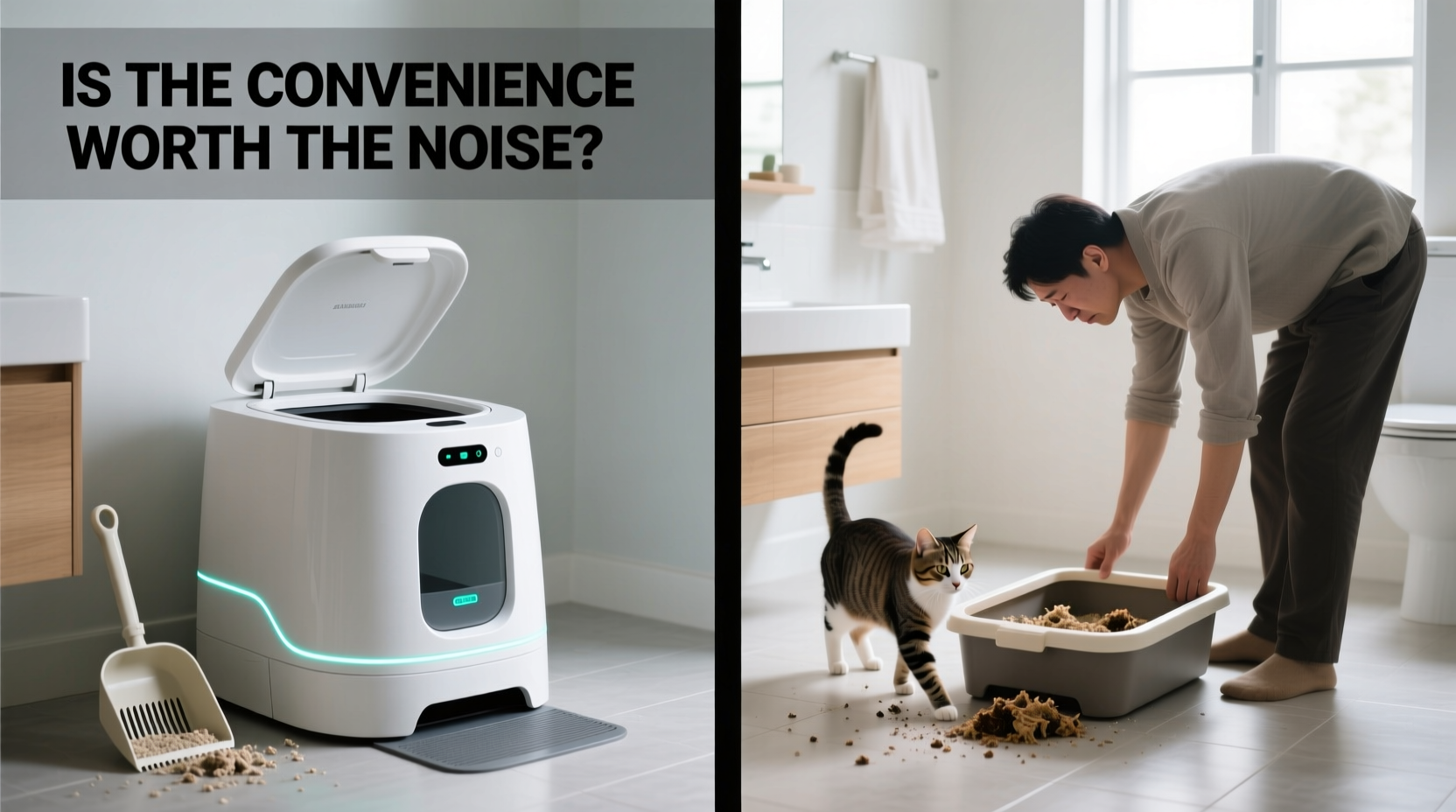
Automatic litter boxes use sensors, rakes, and waste compartments to sift out solid and liquid waste shortly after a cat uses the box. Most high-end models activate within minutes of the cat exiting, separating clumps from clean litter and depositing waste into a sealed drawer or bag. Brands like Litter-Robot, PetSafe ScoopFree, and CatGenie dominate the market, each offering varying levels of automation, connectivity, and filtration.
The appeal is clear: no more daily scooping, reduced odor exposure, and consistent cleanliness that may encourage better litter habits in finicky cats. For people with mobility issues, busy schedules, or multiple cats, these devices can be transformative. However, the mechanical operation introduces sound—a factor often overlooked during purchase but keenly felt in small apartments, shared bedrooms, or homes with noise-sensitive pets or people.
Tip: Place your automatic litter box on a rubber mat to reduce vibration noise and protect flooring.Noise Levels: What to Expect from Popular Models
Not all automatic litter boxes are equally loud. Noise varies by brand, model, cycle phase, and maintenance condition. Most operate between 50–70 decibels—the equivalent of a quiet conversation (50 dB) to a vacuum cleaner (70 dB). To put this in perspective:
| Model | Average Noise Level (dB) | Comparable Sound | Activation Delay |
|---|---|---|---|
| Litter-Robot 4 | 60–65 | Normal conversation | 7 seconds |
| PetSafe ScoopFree Ultra | 55–60 | Refrigerator hum | 20 seconds |
| CatGenie Self-Washing | 65–70 | Vacuum cleaner | Instant + wash cycle |
| Omega Paw Roll’n | 30–40 | Whisper | Manual roll |
The timing of the cycle also affects perceived noise. Units with shorter delays (like the Litter-Robot) start quickly but may catch cats still nearby, triggering surprise or stress. Others, like the ScoopFree Ultra, wait longer, reducing interruptions but potentially allowing odors to linger. The CatGenie includes a full wash-and-rinse cycle, which runs louder and longer—sometimes up to five minutes—and requires plumbing access.
“While automatic litter boxes improve hygiene and owner compliance, their noise can be a significant behavioral disruptor for both cats and humans,” says Dr. Rebecca McPhee, DVM, feline behavior consultant. “We’ve seen cases where cats avoid the box entirely due to fear of the sound.”
Convenience vs. Disruption: A Practical Comparison
Let’s break down the core differences between automatic and traditional scooping across key lifestyle factors.
Maintenance Time
Traditional scooping demands 5–10 minutes daily, plus full litter changes every 1–2 weeks. An automatic box reduces daily interaction to checking waste drawers and refilling litter—typically once a week. Some models even send app alerts when maintenance is needed.
Odor Control
Because waste is removed immediately, automatic boxes generally control odor better than manual ones, especially in multi-cat homes. Sealed waste compartments and carbon filters help contain smells. However, neglected units can develop stronger ammonia buildup due to concentrated waste.
Litter Usage
Most automatic systems require specific clumping litter, often in larger quantities. The Litter-Robot, for example, uses about 15–20 lbs per fill. Over time, this can increase costs compared to budget scoopable litters. Some models, like the CatGenie, use reusable granules, cutting long-term expenses but requiring water and electricity.
Cat Acceptance
This is critical. Cats are creatures of habit. The sudden movement and sound of an automatic rake can scare some animals, leading to avoidance or inappropriate elimination. Success often depends on gradual introduction and positive reinforcement. In contrast, a traditional box offers predictable, silent use.
Tip: Introduce an automatic litter box slowly—let your cat explore it while unplugged, then run cycles manually when they’re not around.Real-World Example: The Martinez Family’s Experience
The Martinez family lives in a two-bedroom apartment with two cats, Luna and Milo. Both parents work full-time, and their 8-year-old son has mild anxiety, particularly sensitive to sudden noises. They purchased a Litter-Robot 3 Connect hoping to save time and reduce chores.
Initially, it worked well. Waste was contained, and litter lasted three weeks. But problems emerged at night. The unit’s 7-second delay meant it often activated as Luna left the box—right outside their bedroom door. The grinding sound startled the child and sometimes caused Milo to bolt.
After two weeks, the son began resisting bedtime, associating the noise with discomfort. The family tried relocating the box to the laundry room, but the cats were hesitant to use it in a new space. Ultimately, they switched back to a covered traditional box with odor-locking litter and committed to twice-daily scooping.
“We loved the idea,” said Maria Martinez, “but the reality didn’t fit our home. The convenience wasn’t worth the stress it caused.”
Choosing What Works: A Step-by-Step Decision Guide
Selecting between automatic and manual litter solutions shouldn’t be based on novelty alone. Follow this timeline to assess compatibility:
- Week 1: Assess Your Environment
Map out where the litter box would go. Is it near a bedroom, nursery, or office? Measure ambient noise levels at different times of day. - Week 2: Evaluate Your Cat’s Behavior
Does your cat startle easily? Are they resistant to change? Observe reactions to household appliances like vacuums or blenders. - Week 3: Research & Shortlist Models
Focus on quieter options (under 60 dB), delayed-start features, and app controls. Consider renting or borrowing a demo unit if possible. - Week 4: Trial Period
Set up the automatic box alongside the current one. Monitor usage, noise impact, and cat behavior for at least seven days. - Week 5: Make a Final Decision
If both cats adapt and noise isn’t disruptive, keep it. If not, return it and optimize your traditional setup with better litter, liners, and scooping tools.
Checklist: Is an Automatic Litter Box Right for You?
- ✅ I have a dedicated, low-traffic area for the box (e.g., laundry room, basement)
- ✅ My household includes people who are not noise-sensitive (infants, elderly, remote workers)
- ✅ I own one to two cats who are adaptable and not easily startled
- ✅ I’m willing to invest $400–$700 upfront and $20–$40 monthly on compatible litter
- ✅ I can commit to weekly cleaning and occasional deep maintenance
- ✅ I value time savings over absolute silence
If most of these apply, an automatic system could enhance your routine. If several don’t, a high-quality traditional box with modern upgrades might serve you better.
Frequently Asked Questions
Do automatic litter boxes really eliminate scooping?
Most eliminate daily scooping, but not all maintenance. You’ll still need to empty the waste drawer every few days, refill litter weekly, and clean the unit monthly. Some models require filter replacements or sensor wiping.
Can the noise hurt my cat’s ears?
While the noise rarely reaches harmful decibel levels, the unpredictability can cause stress. Cats have more sensitive hearing than humans, so sudden mechanical sounds may trigger anxiety, especially in older or rescue cats.
Are there quiet automatic litter boxes?
Yes. The PetSafe ScoopFree Ultra and newer models like the Lovoo Self-Cleaning Box are marketed as quieter options (under 60 dB). Manual-turn designs like the Omega Paw are nearly silent but require physical effort.
Optimizing the Traditional Scooping Experience
If you choose—or return to—traditional scooping, that doesn’t mean settling for inconvenience. Modern improvements can make the process faster, cleaner, and less odorous:
- Use ultra-clumping litter: Brands like Dr. Elsey’s or Tidy Cats Pure Nature form tight clumps, reducing dust and making scooping quicker.
- Invest in a high-quality scoop: Look for wide-head, stainless steel scoops with fine mesh to minimize litter loss.
- Add odor-control layers: Use disposable liners, baking soda base layers, or charcoal filters under the box.
- Scoop twice daily: Morning and evening routines prevent odor buildup and extend litter life.
- Choose a covered box with a top entry: These contain spray and reduce ambient smells without trapping ammonia, provided they’re cleaned regularly.
For many, this balanced approach offers the best of both worlds: control, quiet, and reliability—without sacrificing hygiene.
Final Verdict: Is the Convenience Worth the Noise?
The answer depends entirely on your definition of convenience. If saving 5–10 minutes a day and avoiding contact with waste is a top priority, and your home environment can absorb moderate noise, an automatic litter box is a worthwhile investment. It excels in single-cat homes, spacious layouts, and households where members are away during the day.
But if you live in a small space, share walls with neighbors, have noise-sensitive individuals, or own skittish cats, the trade-off may not be worth it. The psychological cost of disrupted peace can outweigh the time saved. In such cases, refining the traditional scooping method with better tools and routines delivers comparable cleanliness with far less intrusion.
Technology should simplify life, not complicate it. The best litter solution isn’t the most advanced—it’s the one that works consistently for both you and your cat.
🚀 Ready to make a decision? Start by observing your current litter routine for one week. Note pain points, timing, and reactions. Then compare those insights to the realities of automation. Whether you go high-tech or stick with tradition, consistency and care matter most.








