For cat owners, few chores are as universally dreaded as scooping the litter box. The daily ritual of sifting through clumps, dealing with odors, and managing tracking can feel like a never-ending burden. Enter the automatic litter box—a sleek, high-tech solution promising hands-free cleanliness with the push of a button or even on its own schedule. But does the convenience outweigh the potential drawbacks? As more pet owners invest in self-cleaning systems, questions arise about reliability, long-term maintenance, cost, and whether they truly deliver on their promises. This guide dives deep into the reality of automatic versus traditional litter boxes, helping you make an informed decision based on lifestyle, budget, and feline preferences.
The Appeal of the Self-Cleaning Litter Box
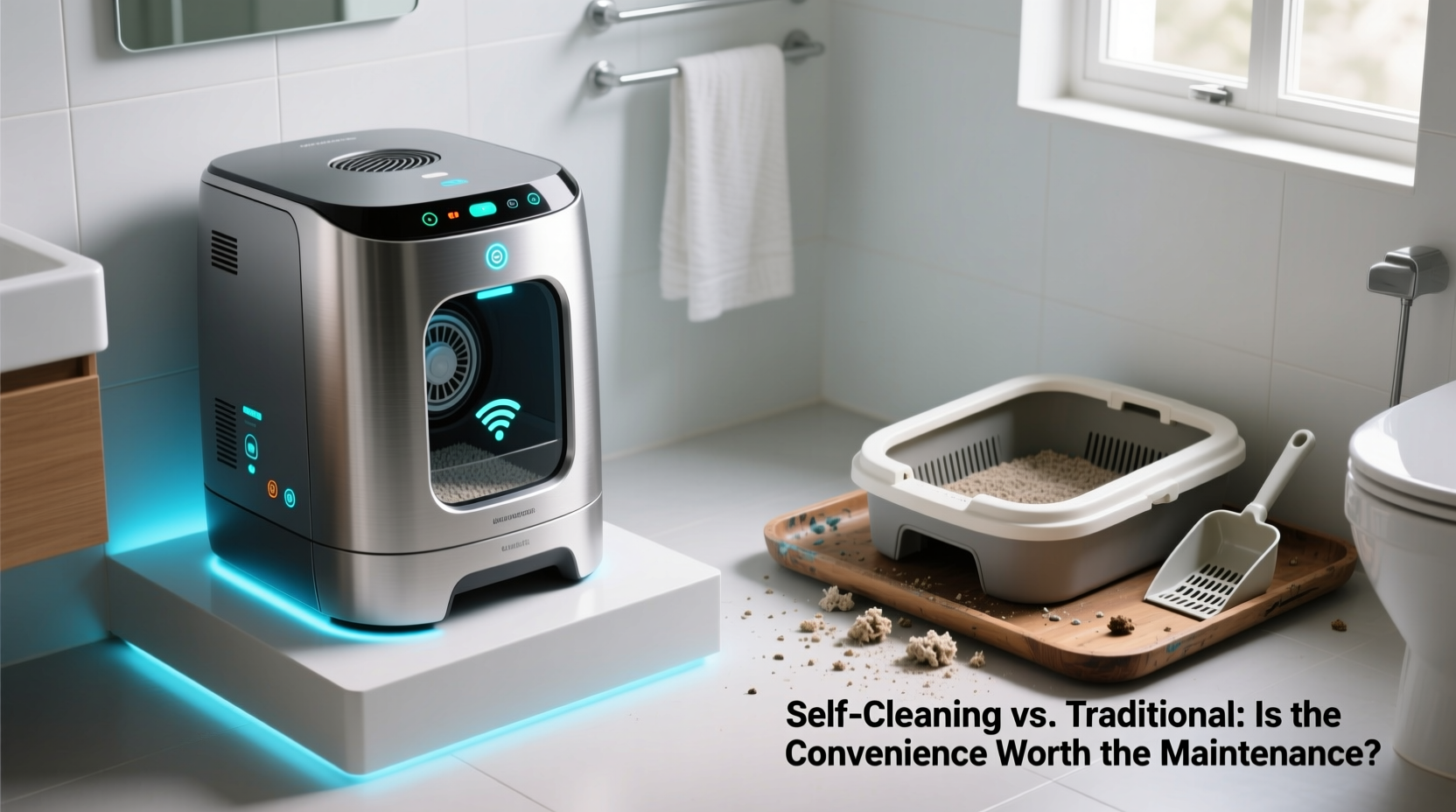
Automatic litter boxes use sensors, rakes, or rotating mechanisms to detect when a cat has used the box and then automatically separate waste from clean litter, depositing it into a sealed compartment. Brands like Litter-Robot, PetSafe ScoopFree, and CatGenie dominate the market, each offering variations on automation, app connectivity, and odor control.
The primary appeal lies in time savings and hygiene. For people with busy schedules, mobility challenges, or strong sensitivities to smell, eliminating daily scooping is a game-changer. Some models even send smartphone alerts when the waste drawer is full or if your cat hasn’t visited the box in an unusual amount of time—adding a layer of health monitoring.
Tip: If you work long hours or travel frequently, an automatic litter box can maintain cleanliness even when you're not around to scoop.Additionally, many automatic systems reduce human contact with waste, lowering exposure to bacteria and allergens. Sealed waste compartments also contain odors more effectively than open trays, especially when lined with carbon filters or scented pods.
How Traditional Scooping Holds Its Ground
Despite technological advances, the traditional litter box remains the most widely used option—and for good reason. A simple plastic tray filled with clumping litter requires no electricity, minimal setup, and offers complete control over every aspect of cleaning. You choose the litter type, how often you scoop, and when to change the entire contents.
Most veterinarians agree that familiarity and consistency matter to cats. Many felines are sensitive to changes in texture, noise, and scent. The abrupt movement of a rake or the loud motor of an automatic unit can startle some cats, leading to avoidance behaviors. In contrast, a quiet, predictable scoop once or twice a day maintains a stable environment.
Traditional boxes are also significantly cheaper. A basic litter box costs under $30, while premium automatic models range from $300 to $700. Ongoing expenses add up too: specialty litter, liners, and replacement parts for automated units increase long-term ownership costs.
“Cats thrive on routine. Any disruption—even a well-intentioned gadget—can impact their bathroom habits and stress levels.” — Dr. Lena Patel, DVM, Feline Behavior Consultant
Comparative Breakdown: Automatic vs Traditional
| Feature | Automatic Litter Box | Traditional Scoopable Box |
|---|---|---|
| Initial Cost | $300–$700 | $15–$40 |
| Daily Maintenance | Minimal (empty waste drawer every few days) | Scooping required 1–2 times daily |
| Litter Type Compatibility | Limited (specific clumping litters only) | Any clumping or non-clumping litter |
| Noise Level | Moderate to loud (motorized operation) | Quiet (manual scooping) |
| Odor Control | Good (sealed waste compartments) | Varies (depends on ventilation and frequency) |
| Reliability | Potential mechanical failures; sensor errors | Highly reliable (no moving parts) |
| Cat Acceptance Rate | ~60–70% adapt successfully | High (familiar design) |
Hidden Maintenance Challenges of Automatic Systems
While marketed as “maintenance-free,” automatic litter boxes come with their own set of ongoing requirements. Mechanical components like rakes, gears, and sensors can jam, especially if low-quality or dusty litter is used. Moisture buildup in waste drawers may lead to mold or bacterial growth if not cleaned regularly. Some users report “false triggers” where the system activates without a cat present, wasting litter and increasing noise.
Moreover, troubleshooting often requires disassembly, access to replacement parts, or customer service support. Unlike a traditional box that can be hosed down and reused immediately, downtime for repairs on an automatic model means finding temporary solutions—often reverting to a manual box anyway.
Another issue is litter compatibility. Most self-cleaning systems require specific types of clumping litter to function properly. Crystal litter, commonly used in some automated trays, doesn't clump like clay but absorbs moisture. However, it doesn’t handle solid waste as cleanly, sometimes requiring manual removal. Clay-based clumping litter works better for waste separation but produces more dust, which can affect indoor air quality and irritate cats with respiratory sensitivities.
Tip: Always use the litter type recommended by your automatic box manufacturer to minimize clogs and sensor errors.Real-World Example: One Owner’s Experience
Sarah, a remote worker living in a small apartment with two cats, invested in a Litter-Robot 4 after years of dreading daily scooping. Initially thrilled with the silence reduction and app notifications, she found her older cat, Milo, refused to use the unit after the first week. The younger cat, Luna, adapted quickly but occasionally triggered false cycles by walking near the sensor.
Within three months, the rake mechanism jammed due to excessive clumping from using a generic litter. After cleaning and replacing a gear, Sarah switched to the brand-recommended litter—but noticed a spike in her monthly pet supply costs. She now empties the waste drawer every other day, cleans the unit weekly, and still manually removes stray clumps that escape the rake.
“It saves me time, but I wouldn’t call it ‘set and forget,’” she says. “I still do maintenance, just different kinds. And I keep a backup traditional box for when the robot breaks down.”
When an Automatic Box Makes Sense
Not all households are the same, and for certain situations, an automatic litter box delivers real value. Consider one if:
- You have physical limitations that make bending or scooping difficult.
- Your schedule prevents consistent daily cleaning.
- You live in a small space where odor containment is critical.
- You own multiple cats and want to reduce labor across several boxes.
- You’re tech-savvy and appreciate data tracking (e.g., usage patterns).
However, success depends heavily on proper introduction and cat temperament. Experts recommend a gradual transition: place the new unit beside the old one, let the cat explore it empty, and reward visits with treats. Never force a cat into an automatic box—it should feel like a safe choice, not a trap.
Step-by-Step Guide to Transitioning to an Automatic Litter Box
- Research and Select: Choose a model suited to your cat’s size, number of pets, and home layout.
- Unbox and Set Up: Assemble according to instructions, plug in a safe location away from water sources.
- Introduce Without Activation: Leave the unit powered off or in “demo mode” so your cat can investigate safely.
- Add Familiar Litter: Use the same litter your cat already prefers to encourage acceptance.
- Allow Exploration: Let your cat enter and exit freely. Offer treats inside to build positive associations.
- Activate Gradually: Turn on automatic functions only after your cat uses it consistently for several days.
- Monitor Closely: Watch for signs of stress, avoidance, or accidents outside the box.
- Maintain Rigorously: Clean sensors, rails, and waste compartments weekly to prevent malfunctions.
Essential Checklist Before Buying an Automatic Litter Box
- ✅ Measure your cat’s weight and height—ensure compatibility
- ✅ Confirm available floor space and power outlet access
- ✅ Research noise levels during operation
- ✅ Check warranty length and availability of spare parts
- ✅ Read reviews focusing on long-term reliability (6+ months)
- ✅ Verify litter type requirements and ongoing cost
- ✅ Assess return policy in case your cat rejects it
Frequently Asked Questions
Can all cats adapt to an automatic litter box?
No. While many cats adjust well, others are frightened by the noise, motion, or enclosed space. Older cats, those with anxiety, or rescue cats with unknown histories may struggle. Success rates vary, but estimates suggest 60–70% of cats accept them with proper training.
Do automatic litter boxes reduce litter tracking?
Some models include top-entry designs or built-in mats that help reduce tracking compared to open trays. However, tracking still occurs, especially if litter sticks to damp paws. Regular mat cleaning is necessary regardless of system type.
Are there health risks if the automatic box fails?
Yes. If a unit jams or stops working unnoticed, cats may avoid using a full or smelly box, leading to inappropriate elimination or urinary issues. Regular checks and having a backup plan are essential.
Final Verdict: Is the Self-Cleaning Feature Worth It?
The answer depends on your priorities. If your main goal is to reduce daily effort and you’re willing to invest in upfront cost and ongoing maintenance, an automatic litter box can be a worthwhile upgrade. It excels in odor control, convenience, and integration into smart homes. However, it is not a foolproof solution. Mechanical complexity introduces new failure points, and cat acceptance is never guaranteed.
Traditional scooping, while labor-intensive, remains the most reliable, affordable, and universally accepted method. It allows full customization and poses no risk of malfunction-related bathroom avoidance. For many owners, a hybrid approach works best: using an automatic box for primary waste management while keeping a manual backup nearby during transitions or breakdowns.
Ultimately, the best litter system is the one your cat will use consistently and comfortably. Technology can assist, but it cannot replace observation, patience, and understanding of your pet’s needs.
💬 Have you tried an automatic litter box? What worked—or didn’t work—for you and your cat? Share your story in the comments to help fellow pet owners make smarter choices.