As the holiday season approaches, many households reach for artificial snow sprays to create a winter wonderland atmosphere indoors. These aerosol-based products promise instant frosty charm on windows, ornaments, and decorations. But behind their festive appeal lies a growing concern: are these sprays truly safe for indoor environments—especially when pets are present?
The short answer is: it depends. Not all artificial snow sprays are created equal. While some modern formulations have moved toward non-toxic, water-based solutions, many still contain volatile organic compounds (VOCs), flammable propellants, and chemical residues that can pose health risks to both humans and animals. Understanding what’s in these sprays—and how to use them responsibly—is essential for maintaining a joyful and safe home during the holidays.
What’s in Artificial Snow Sprays?
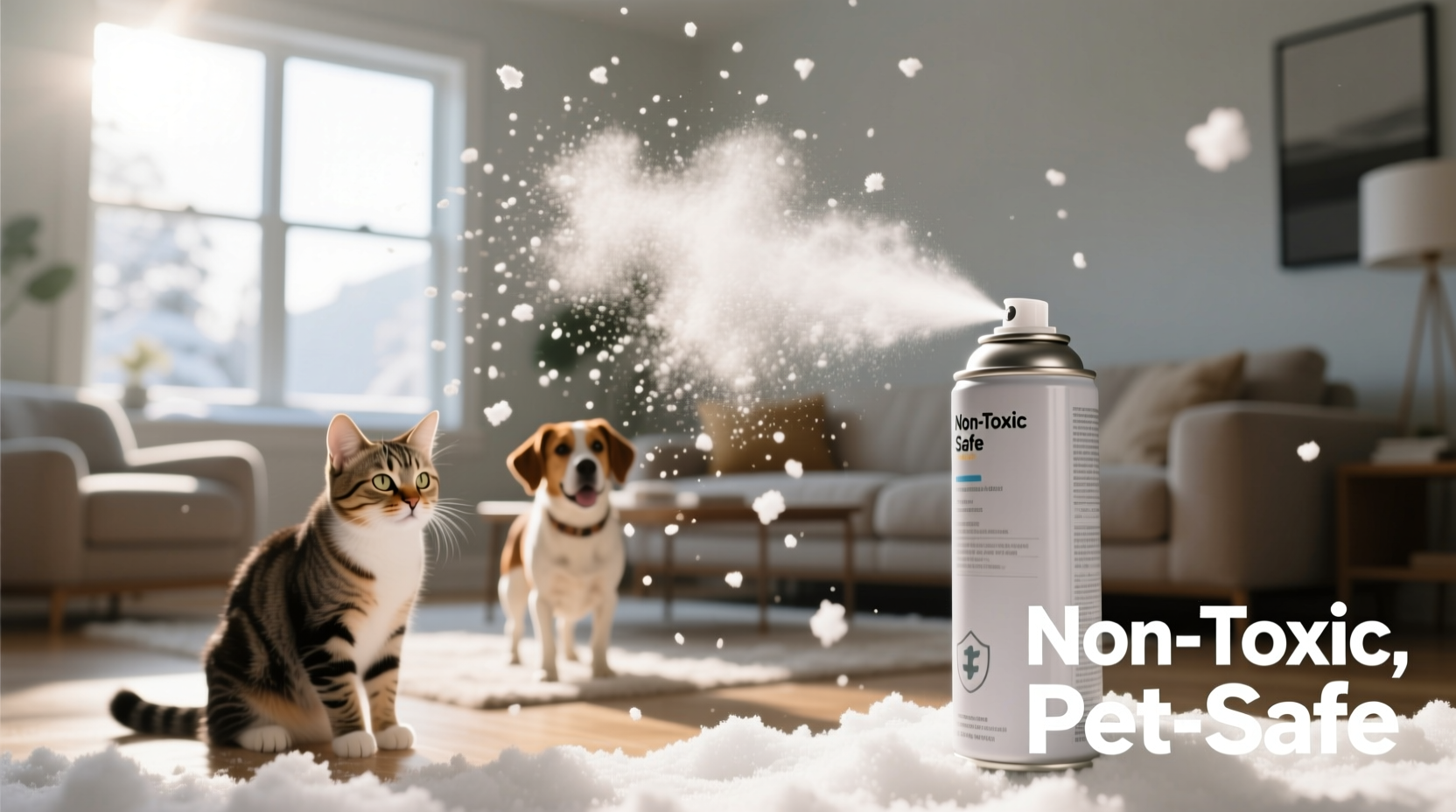
Artificial snow sprays typically consist of a mixture of chemicals designed to mimic the appearance of real snow. The composition varies by brand, but most include three core components:
- Solvents – Often alcohol-based or glycol ether solvents that help the solution spread and dry quickly.
- Propellants – Gases like propane, butane, or compressed air that expel the liquid from the can.
- Resin or polymer base – Creates the white, frosted film that adheres to surfaces.
Some older or budget-friendly formulas may also contain formaldehyde-releasing agents or phthalates as preservatives or plasticizers. These ingredients are particularly concerning due to their potential respiratory and hormonal effects.
“Many artificial snow sprays were developed decades ago with little regard for indoor air quality. Today’s consumers need to read labels carefully—what looks harmless on glass could be harmful when inhaled.” — Dr. Lena Patel, Environmental Health Scientist at the Indoor Air Quality Institute
Risks of Indoor Use
Using artificial snow sprays indoors introduces airborne particles and chemical vapors into your living space. Because homes are enclosed environments with limited ventilation—especially in winter—these substances can linger and accumulate.
Primary concerns include:
- Inhalation exposure: Breathing in fine mist or fumes can irritate the lungs, trigger asthma, or cause headaches and dizziness, especially in children and elderly individuals.
- Surface residue: Once dried, the spray leaves behind a thin film that can shed microscopic particles over time. These may become airborne again through dust circulation or contact.
- Flammability risk: Some sprays use highly flammable propellants. If used near candles, fireplaces, or electrical outlets, they can pose a fire hazard.
Pet Safety: A Hidden Danger
Pets are often more vulnerable than humans to household chemical exposures. Their smaller body size, faster metabolism, and grooming behaviors increase their risk of ingesting or inhaling toxic substances.
Cats, in particular, are at high risk because they frequently lick their paws and fur after walking across treated surfaces. Dogs may chew on sprayed ornaments or decorations, unknowingly consuming chemical residues. Birds and small rodents, with their sensitive respiratory systems, can suffer acute distress from even low levels of VOCs.
A documented case involved a family in Oregon who used a standard aerosol snow spray on their Christmas tree. Within hours, their parakeet showed signs of labored breathing and lethargy. The bird was rushed to an avian vet, where it was diagnosed with chemical inhalation toxicity. Though it survived, the experience prompted the family to switch to pet-safe decoration methods.
Common Symptoms of Exposure in Pets
| Pet Type | Signs of Irritation or Poisoning |
|---|---|
| Dogs | Vomiting, drooling, coughing, pawing at mouth, loss of appetite |
| Cats | Hiding, excessive grooming, respiratory distress, tremors |
| Birds | Difficulty breathing, fluffed feathers, sudden death |
| Rodents | Lethargy, nasal discharge, reduced activity |
If you suspect your pet has been exposed to artificial snow spray, remove them from the area immediately and contact your veterinarian or the ASPCA Animal Poison Control Center.
How to Choose Safer Alternatives
You don’t have to sacrifice holiday magic to keep your home safe. Several safer options exist for creating snowy effects without risking health.
1. Water-Based or Non-Toxic Formulas
Look for sprays labeled “non-toxic,” “biodegradable,” or “pet-safe.” These often use water, cellulose, or vegetable glycerin as a base instead of harsh solvents. They may not adhere as strongly or last as long, but they significantly reduce health risks.
2. DIY Snow Spray Recipes
Making your own artificial snow is surprisingly simple and cost-effective. Here’s a basic recipe:
- Mix 1 cup of Epsom salt with 1 tablespoon of water.
- Add a few drops of white glue to help it stick.
- Use a spoon or brush to apply the paste to glass surfaces.
- Let dry for 15–20 minutes. It creates a light, crystalline frost effect.
This method is completely non-toxic and safe around pets and children. Cleanup is easy with warm water.
3. Static Cling Window Films
Reusable vinyl decals with snowflake patterns offer a mess-free alternative. They stick to glass via static electricity and can be stored and reused year after year.
4. Cotton or Polyester Batting
Also known as “fake snow wool,” this soft material can be draped over trees, mantels, or displays. Ensure it’s flame-retardant and kept away from heat sources.
Tip: Avoid glitter-coated cotton batting—it sheds microplastics and can be hazardous if ingested by pets.Step-by-Step Guide: Safe Holiday Decorating with Artificial Snow
If you decide to use artificial snow spray despite the risks, follow this safety protocol to minimize danger:
- Read the label carefully: Check for warnings about flammability, toxicity, and ventilation requirements.
- Choose off-peak times: Apply the spray when pets and children are not in the room—ideally while they’re outside or sleeping.
- Ventilate aggressively: Open multiple windows and use fans to blow fumes outdoors. Run HVAC systems with fresh air intake if possible.
- Wear protective gear: Use gloves and a mask to avoid skin contact and inhalation.
- Apply outdoors if feasible: Treat decorations outside, let them dry completely, then bring them inside after 2–3 hours.
- Restrict pet access: Keep animals away from treated areas until the product is fully cured and no odor remains.
- Dispose of cans properly: Do not puncture or incinerate empty aerosol cans. Recycle according to local regulations.
This process adds time but greatly reduces exposure risks—especially important for multi-pet households or those with asthmatic family members.
Checklist: Is Your Artificial Snow Spray Safe?
Before purchasing or using any snow spray, ask these questions:
- ✅ Does the label say “non-toxic” and “safe for indoor use”?
- ✅ Is it free from benzene, toluene, xylene, and formaldehyde?
- ✅ Are the propellants listed? (Avoid propane/butane if possible.)
- ✅ Can it be used around birds or small pets?
- ✅ Is there a Material Safety Data Sheet (MSDS) available online?
- ✅ Does it require special ventilation or drying time?
- ✅ Is it flammable? (Check for flame symbols on packaging.)
If you can’t answer “yes” to most of these, consider switching to a safer option.
Real Example: A Family Learns the Hard Way
The Thompson family in Colorado had used the same brand of artificial snow spray for over a decade. Every December, they’d decorate their front windows with elaborate winter scenes. In 2022, shortly after spraying their living room windows, their two cats began sneezing and avoiding the room. One cat, a young Maine Coon named Oliver, developed wheezing and lost his appetite.
After a costly vet visit and allergy testing, the veterinarian suggested environmental toxins as a likely cause. The family reviewed recent changes and realized the timing matched the window spraying. They switched to static snowflake decals the following year—and noticed Oliver’s respiratory issues never returned.
“We didn’t think twice about using that spray for years,” said Sarah Thompson. “Now we check every ingredient in our holiday supplies like it’s food. Our pets depend on us to make safe choices.”
Frequently Asked Questions
Can I use artificial snow spray around my dog?
It’s not recommended unless the product is explicitly labeled non-toxic and pet-safe. Even then, ensure your dog cannot lick treated surfaces and provide strong ventilation during and after application.
Is artificial snow spray carcinogenic?
Some older formulations contained suspected carcinogens like benzene or formaldehyde. While most modern brands have phased these out, always verify ingredients. Long-term exposure to certain VOCs is linked to increased cancer risk, so caution is warranted.
How long do fumes from snow spray last indoors?
Strong odors may dissipate within a few hours, but microscopic particles and residual VOCs can remain in the air and on surfaces for up to 48 hours. Using air purifiers with HEPA and carbon filters can help reduce lingering contamination.
Conclusion: Celebrate Safely This Season
The holidays should be a time of joy, not anxiety over hidden health hazards. Artificial snow sprays can enhance seasonal decor, but their convenience comes with real risks—especially in homes with pets or respiratory sensitivities. By understanding the ingredients, recognizing warning signs, and choosing safer alternatives, you can maintain the magic without compromising well-being.
Start by auditing your current holiday supplies. Replace questionable products with non-toxic options or creative DIY solutions. Share your findings with friends and family—they may not realize the dangers either.
💬 Have you switched to pet-safe holiday decorating? Share your favorite non-toxic tips in the comments and help others create a safer, more joyful season for everyone—including the furry members of their families.








