For many, the gentle movement of fish gliding through water, the soft glow of underwater lighting, and the quiet bubbling of a filter evoke a sense of peace. It’s no wonder that fish tanks are often recommended as tools for stress relief and mindfulness. Yet behind this serene surface lies a responsibility that some underestimate: maintaining a balanced aquatic ecosystem. For beginners, the question isn’t just whether a fish tank is calming—it’s whether it’s sustainable without becoming an overwhelming chore.
The truth is nuanced. Fish tanks can be deeply calming when properly set up and maintained. But they are not “set and forget” decor. They require consistent attention, especially in the early stages. The key to enjoying the tranquility without drowning in upkeep lies in understanding what a fish tank truly demands—and how to simplify the process from day one.
The Calming Power of Aquariums: Science and Experience
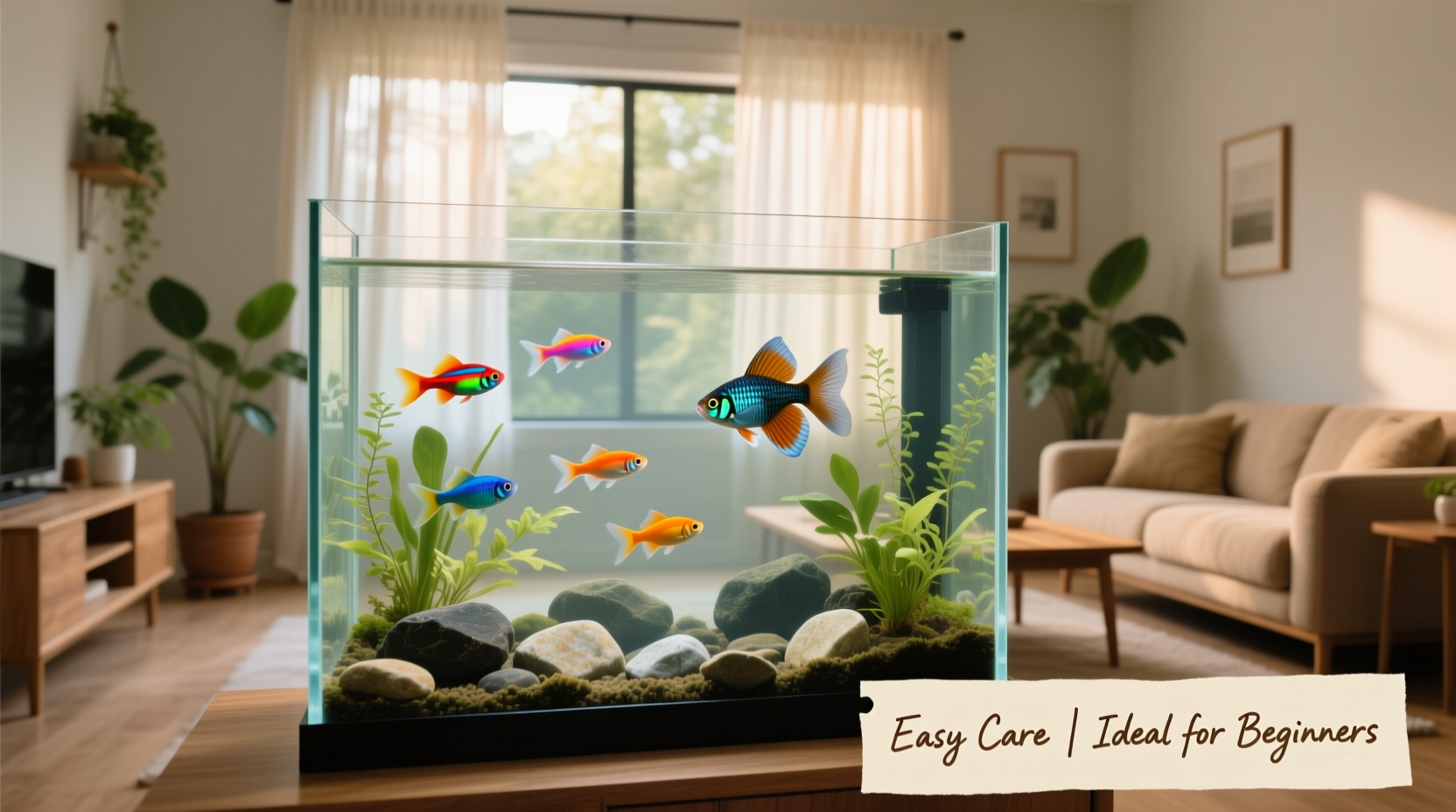
Multiple studies support the idea that watching fish swim reduces stress and lowers heart rate. A 2015 study published in *Environment & Behavior* found that participants who spent time observing aquariums experienced measurable reductions in blood pressure and anxiety. Even public aquariums report visitors lingering longer at tanks, describing feelings of mental reset and emotional calm.
This effect isn’t purely psychological. The rhythmic motion of water, the muted colors, and the absence of sudden sounds create a sensory environment that mimics natural relaxation triggers. In homes and offices, aquariums are increasingly used as non-invasive wellness tools—especially for individuals with anxiety, ADHD, or sleep disorders.
“Observing aquatic life provides a form of passive meditation. The brain disengages from active thought loops, allowing space for restoration.” — Dr. Laura Simmons, Environmental Psychologist
But while the visual experience is undeniably soothing, the reality of ownership involves more than passive observation. To maintain that calm scene, the tank must remain biologically stable—a balance that doesn’t happen by accident.
Why Beginners Underestimate the Maintenance
New hobbyists often see a fish tank as a decorative item—like a piece of art or a lamp. Unlike pets such as cats or dogs, fish don’t demand walks, cuddles, or vocal interaction. This invisibility of need leads many to assume care is minimal. In reality, fish are highly sensitive to changes in water chemistry, temperature, and oxygen levels—all invisible factors that must be actively managed.
The most common beginner mistake? Jumping straight into adding fish without cycling the tank. The nitrogen cycle—the process by which beneficial bacteria convert toxic fish waste (ammonia) into less harmful nitrites and then nitrates—is essential but often overlooked. Skipping it results in “new tank syndrome,” where fish die within days due to ammonia poisoning, leaving owners confused and discouraged.
Tip: Never add fish to a tank immediately after filling it. Allow 4–6 weeks for the nitrogen cycle to complete before introducing any livestock.Another misconception is that small tanks are easier. Paradoxically, smaller volumes of water are less stable. A minor spike in ammonia or a slight temperature fluctuation affects a 5-gallon tank much faster than a 30-gallon one. This makes nano tanks deceptively challenging for first-time keepers.
What “High Maintenance” Really Means
When people call fish tanks high maintenance, they’re usually referring to three core responsibilities: water testing, regular cleaning, and equipment monitoring. Let’s break down what these entail on a weekly, monthly, and long-term basis.
Weekly Tasks
- Test water parameters (ammonia, nitrite, nitrate, pH)
- Perform 10–25% water changes
- Remove algae from glass and decorations
- Check filter flow and clean mechanical media if clogged
- Feed fish appropriately (once or twice daily, small portions)
Monthly Tasks
- Deep-clean substrate with a gravel vacuum
- Rinse biological filter media in old tank water (never tap water)
- Inspect heater and thermometer accuracy
- Trim live plants if present
- Replace activated carbon or other chemical media
Long-Term Considerations
- Monitor fish health for signs of disease (clamped fins, white spots, lethargy)
- Upgrade tank size if fish outgrow current space
- Replace aging equipment (heaters, filters, lights)
- Research compatibility before adding new species
While this may sound intensive, the routine becomes second nature over time. Most experienced aquarists spend only 30–45 minutes per week on maintenance once the system is established. The initial setup phase is the most demanding, requiring patience and consistency.
How to Minimize Maintenance Without Sacrificing Health
You don’t need to be a biologist to run a successful aquarium. With smart choices, beginners can significantly reduce workload while still providing excellent care.
Start Simple
Choose hardy fish species like zebra danios, neon tetras, or corydoras catfish. Avoid delicate or aggressive species such as discus or bettas in community tanks unless you’ve done specific research. Similarly, opt for low-light, slow-growing plants like java fern or anubias instead of high-maintenance species that require CO₂ injection and intense lighting.
Invest in Reliable Equipment
A good filter and heater are worth the upfront cost. Look for models with adjustable flow and built-in thermometers. Canister filters or hang-on-back (HOB) filters with multi-stage media (mechanical, biological, chemical) simplify maintenance and improve water clarity.
Use Live Plants Strategically
Live plants aren’t just decorative—they absorb nitrates, compete with algae, and oxygenate the water. A well-planted tank often requires fewer water changes and remains more stable. Choose species that thrive in your lighting conditions and don’t require frequent pruning.
Automate When Possible
Consider a timer for lights to ensure consistent photoperiods (8–10 hours per day). Some advanced setups include automatic dosing systems or programmable water changers, though these are optional for beginners.
Tip: Use a siphon gravel vacuum during water changes—it cleans the substrate and removes debris in one step, cutting cleaning time in half.Realistic Expectations: A Beginner’s Timeline
Understanding the timeline of aquarium ownership helps prevent frustration. Here’s a realistic month-by-month guide for a new 20-gallon freshwater tank.
- Week 1–4 (Cycling Phase): Set up tank with dechlorinated water, filter, heater, and substrate. Add a source of ammonia (e.g., pure ammonia or fish food). Test water every 2–3 days. Ammonia rises, then drops as nitrites appear, then decline as nitrates build. No fish yet.
- Week 5 (First Stocking): Once ammonia and nitrite read 0 ppm, add 2–3 hardy fish. Monitor water closely for 7 days.
- Week 6–8: Perform first partial water change (20%). Continue testing. Watch for signs of stress or aggression.
- Month 3: Tank stabilizes. Add 2–3 more fish if space allows. Begin light plant maintenance if applicable.
- Month 4+: Routine maintenance takes under an hour weekly. Enjoy the calming presence of a thriving ecosystem.
This timeline assumes diligence. Rushing it leads to problems. Patience during the first month pays off in long-term ease.
Case Study: Sarah’s First Tank
Sarah, a graphic designer working from home, bought a 10-gallon kit on impulse after seeing a calming video of a glowing aquarium. Excited, she filled the tank, plugged in the filter, and added three goldfish the same day. Within 48 hours, two fish died. Confused and upset, she nearly gave up.
After researching online, she learned about the nitrogen cycle. She restarted with a new tank, this time using bottled bacteria to speed up cycling. She waited five weeks, tested her water, and introduced two zebra danios. She committed to weekly 20% water changes and kept a log of her readings.
Eight months later, her tank houses six neon tetras, a few snails, and a lush patch of java moss. She spends about 35 minutes each weekend on maintenance. “It’s become part of my self-care routine,” she says. “I watch the fish while I drink my morning tea. It centers me before work.”
Sarah’s story reflects a common arc: initial failure due to lack of knowledge, followed by success through education and consistency.
Do’s and Don’ts for New Aquarium Owners
| Do | Don't |
|---|---|
| Research fish compatibility before buying | Add too many fish at once |
| Use a water conditioner every time you add tap water | Clean the entire filter at once (kills beneficial bacteria) |
| Feed small amounts once or twice daily | Overfeed (leads to poor water quality) |
| Keep a maintenance journal or app log | Ignore cloudy water or unusual fish behavior |
| Start with a 20-gallon or larger tank for stability | Use a bowl or nano tank as a first aquarium |
Frequently Asked Questions
Can I have a fish tank if I travel frequently?
Yes, with planning. Most healthy fish can go 3–5 days without feeding. For longer trips, use an automatic feeder or ask a friend to check water levels and feed sparingly. Ensure the tank is stable before you leave—no recent changes or sick fish.
Are there truly “low-maintenance” fish tanks?
Some setups are lower maintenance than others. A simple coldwater tank with goldfish requires fewer electrical components but produces more waste. A balanced planted tank with peaceful community fish and a good filter can be very stable. However, no tank is zero-maintenance. Even the easiest requires weekly checks and water changes.
Do I need a professional to set up my tank?
No, but guidance helps. Many local fish stores offer free setup advice or classes. Online communities like r/Aquariums on Reddit provide peer support. The investment in learning pays off in reduced stress and healthier fish.
Final Checklist Before You Begin
- ✅ Choose a tank size of at least 20 gallons
- ✅ Purchase a reliable filter and heater (if tropical)
- ✅ Buy test kits for ammonia, nitrite, nitrate, and pH
- ✅ Obtain a water conditioner
- ✅ Plan your fish species in advance
- ✅ Allow 4–6 weeks for cycling before adding fish
- ✅ Commit to weekly water changes and monitoring
Conclusion: Calm Is Earned, Not Given
Fish tanks are both calming and high maintenance—but only if approached incorrectly. When set up with knowledge, patience, and the right tools, they become sources of daily peace with manageable care requirements. The initial effort builds a foundation for long-term enjoyment.
The real benefit of an aquarium isn’t just the tranquility it brings—it’s the mindfulness it cultivates. Measuring water parameters, observing fish behavior, and tending to a living ecosystem foster presence and responsibility. These habits ripple into other areas of life, promoting structure and attentiveness.
If you’re considering a fish tank, don’t be deterred by the learning curve. Start small in scope but large in preparation. Educate yourself, take your time, and respect the biology at play. In return, you’ll gain a window into a quiet underwater world—one that moves slowly, breathes steadily, and reminds you to do the same.
💬 Have your own aquarium journey to share? Whether you’ve succeeded or learned from mistakes, your story could help a beginner find their way. Leave a comment and join the conversation.








