
Essential oils have surged in popularity over the past decade, praised for their natural fragrance and therapeutic benefits in human wellness routines. From diffusing lavender for relaxation to using tea tree oil for skin care, these concentrated plant extracts are now staples in many households. But as their use becomes more widespread, a critical question arises: Are essential oils safe for pets?
Veterinarians across the country are seeing an increasing number of cases linked to essential oil exposure in cats, dogs, birds, and other household animals. While humans may benefit from aromatherapy, the same substances can be toxic—or even fatal—to animals due to differences in metabolism, size, and sensitivity. Understanding the risks and knowing how to protect your pets is not just responsible pet ownership—it’s a matter of safety.
Why Essential Oils Pose Risks to Pets
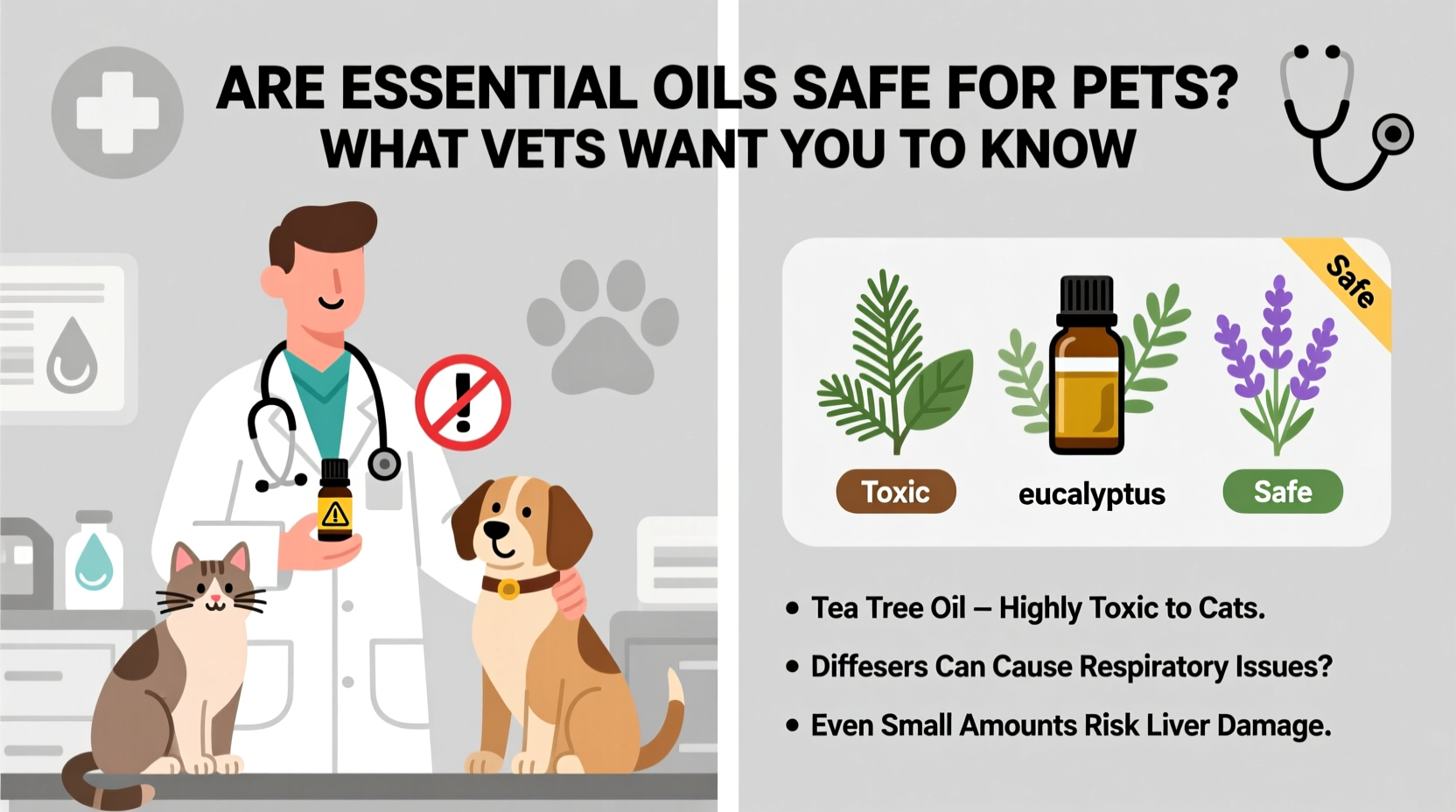
Animals process chemicals differently than humans. Cats, for instance, lack certain liver enzymes (specifically glucuronyl transferase) that help break down compounds found in essential oils. This makes them especially vulnerable to toxicity. Dogs, while slightly more resilient, still face significant risks when exposed to high concentrations or specific oils.
The method of exposure also plays a crucial role. Inhalation through diffusers, direct skin contact, accidental ingestion, or even secondary exposure—such as licking oil residue off a pet owner’s hands or clothing—can all lead to adverse reactions.
Oils like tea tree, eucalyptus, citrus, cinnamon, peppermint, and pine are among the most dangerous. Even small amounts can cause symptoms ranging from mild irritation to severe neurological issues, respiratory distress, or liver failure.
“Many pet owners don’t realize that what’s natural isn’t always safe. A few drops of tea tree oil on a dog’s skin for a 'natural' flea treatment has led to hospitalization. We urge caution and consultation before using any essential oil around animals.” — Dr. Rachel Nguyen, DVM, Veterinary Toxicologist at the ASPCA Animal Poison Control Center
Common Symptoms of Essential Oil Toxicity in Pets
Recognizing the signs of essential oil poisoning early can save your pet’s life. Symptoms vary by species, oil type, concentration, and route of exposure, but common indicators include:
- Drooling or excessive salivation
- Vomiting or diarrhea
- Difficulty breathing or wheezing
- Lethargy or weakness
- Tremors or seizures
- Uncoordinated movement (ataxia)
- Pawing at the mouth or face
- Skin redness or chemical burns (especially with topical application)
- Low heart rate or body temperature
In cats, symptoms often appear more rapidly and severely. Birds, with their highly efficient respiratory systems, are particularly sensitive to airborne particles and can suffer acute respiratory failure from diffused oils.
Tip: If your pet shows any unusual behavior after exposure to essential oils—even if you didn’t directly apply them—seek veterinary care immediately.Safe vs. Unsafe Essential Oils: A Veterinarian's Guide
Not all essential oils are equally hazardous, but very few are considered truly safe for routine use around pets. The table below summarizes commonly used oils and their risk levels based on veterinary guidance.
| Essential Oil | Risk Level (Cats) | Risk Level (Dogs) | Notes |
|---|---|---|---|
| Lavender (diluted, minimal diffusion) | Moderate | Low-Moderate | Only safe in well-ventilated areas; never apply topically without vet approval. |
| Tea Tree (Melaleuca) | High | High | Even 1–2 drops can cause poisoning in small dogs or cats. |
| Eucalyptus | High | High | Strong respiratory irritant; avoid entirely. |
| Citrus (lemon, orange, bergamot) | High | Moderate | Contains d-limonene, toxic to cats; can cause photosensitivity. |
| Peppermint | High | Moderate-High | Can cause gastrointestinal and nervous system effects. |
| Chamomile (Roman) | Low-Moderate | Low | Generally safer but still risky in concentrated forms. |
| Cinnamon | High | High | Highly irritating; can cause vomiting, diarrhea, low blood sugar. |
| Rosemary | Moderate | Moderate | May trigger seizures in epileptic animals. |
This table underscores a key point: safety is not guaranteed just because an oil is labeled “natural” or “organic.” Concentration, method of use, and animal species all influence risk.
Real-Life Case: When Aromatherapy Went Wrong
Sarah, a pet owner in Portland, Oregon, began using a lavender and eucalyptus diffuser nightly to help her sleep. Her 8-year-old cat, Milo, started acting unusually within days—hiding more, refusing food, and drooling excessively. By the third day, Milo was wobbly on his feet and breathing rapidly.
Rushed to the emergency vet, he was diagnosed with essential oil toxicity. Blood work revealed liver stress, and the timeline pointed directly to the new diffuser. Though Milo survived after 48 hours of IV fluids and supportive care, his recovery took weeks.
“I had no idea the diffuser could hurt him,” Sarah said. “The bottle said ‘all-natural’ and I thought it was safe. I’ll never use essential oils around him again.”
This case is not unique. The ASPCA Animal Poison Control Center reports hundreds of essential oil-related pet incidents annually, many involving otherwise well-meaning owners unaware of the dangers.
How to Use Essential Oils Responsibly Around Pets
If you choose to use essential oils in a home with pets, extreme caution is necessary. The safest approach is avoidance, especially if you have cats, birds, or small animals. However, if you proceed, follow these veterinarian-recommended guidelines:
- Never apply essential oils directly to your pet’s skin or fur. This includes homemade flea remedies, ear cleaners, or wound treatments.
- Avoid using diffusers in rooms where pets spend time. If you must diffuse, do so in a well-ventilated area the pet cannot access, and limit sessions to 15–30 minutes.
- Keep all essential oil bottles securely stored out of reach. Spills or curious paws can lead to accidental ingestion.
- Wash your hands after handling essential oils before touching your pet, especially cats who groom themselves frequently.
- Observe your pet closely for any changes in behavior, appetite, or mobility after introducing new scents into your home.
- Consult your veterinarian before using any product marketed as “pet-safe” essential oil blends. Many such products still contain risky compounds.
What Vets Recommend Instead
Veterinarians emphasize prevention and evidence-based solutions over unregulated natural products. For common concerns like anxiety, skin conditions, or odor control, safer and more effective options exist.
For example, instead of using lavender oil to calm a nervous dog during thunderstorms, vets suggest:
- Thundershirts or anxiety wraps
- Prescription anti-anxiety medications (when needed)
- Behavioral training with a certified professional
- Species-specific calming pheromone sprays or diffusers
For skin issues, rather than applying diluted tea tree oil—which carries a high risk of neurotoxicity—vets recommend medicated shampoos, allergy testing, or prescribed topical treatments proven safe for animals.
“We understand pet owners want natural solutions,” says Dr. Mark Liu, a board-certified veterinary dermatologist. “But ‘natural’ doesn’t mean harmless. Our job is to guide clients toward what’s truly safe and effective, not just trendy.”
Frequently Asked Questions
Can I ever use essential oils around my dog?
Minimal, occasional diffusion of low-risk oils like diluted lavender may be tolerated by some dogs if done in a large, ventilated space they can leave. However, direct application, ingestion, or frequent use is strongly discouraged. Always consult your vet first.
Are “pet-safe” essential oil blends really safe?
Many products labeled “pet-safe” are not regulated or independently tested. Some still contain harmful components like phenols or terpenes. Even if diluted, they can accumulate in a pet’s system over time. Veterinarians generally advise against their use.
What should I do if my pet is exposed to essential oils?
If you suspect exposure, remove the source immediately. Do not induce vomiting unless directed by a professional. Contact your veterinarian or the ASPCA Animal Poison Control Center (888-426-4435) right away. Have the oil’s label available for ingredient information.
Final Thoughts: Prioritize Safety Over Scent
The desire to create a soothing, naturally scented home is understandable. But when pets are part of the household, that choice must be balanced with their health and safety. Essential oils are powerful substances—not benign fragrances—and their impact on animals can be swift and severe.
Veterinarians aren’t advocating for eliminating personal wellness practices. Instead, they urge informed decisions. You can enjoy aromatherapy while keeping your pets safe by using oils in separate, inaccessible spaces, opting for pet-tested alternatives, and staying vigilant for signs of distress.
Your pet relies on you to make choices they can’t. In matters of health, erring on the side of caution isn’t just wise—it’s essential.
💬 Have questions about pet safety and essential oils? Share your experience or ask a vet-reviewed question in the comments. Let’s build a safer, more informed community for our furry friends.








