
For many cat owners, the promise of a self-cleaning litter box is nothing short of revolutionary. No more scooping daily, fewer odors, and a cleaner home—what’s not to love? Yet beneath the convenience lies a growing concern: are these high-tech solutions truly hygienic, and could they be stressing out cats with delicate temperaments? As automatic litter boxes grow in popularity, so do the questions about their long-term impact on feline health and behavior. The answer isn’t black and white—it depends on the model, the cat, and how the device is maintained.
The Hygiene Promise of Automatic Litter Boxes
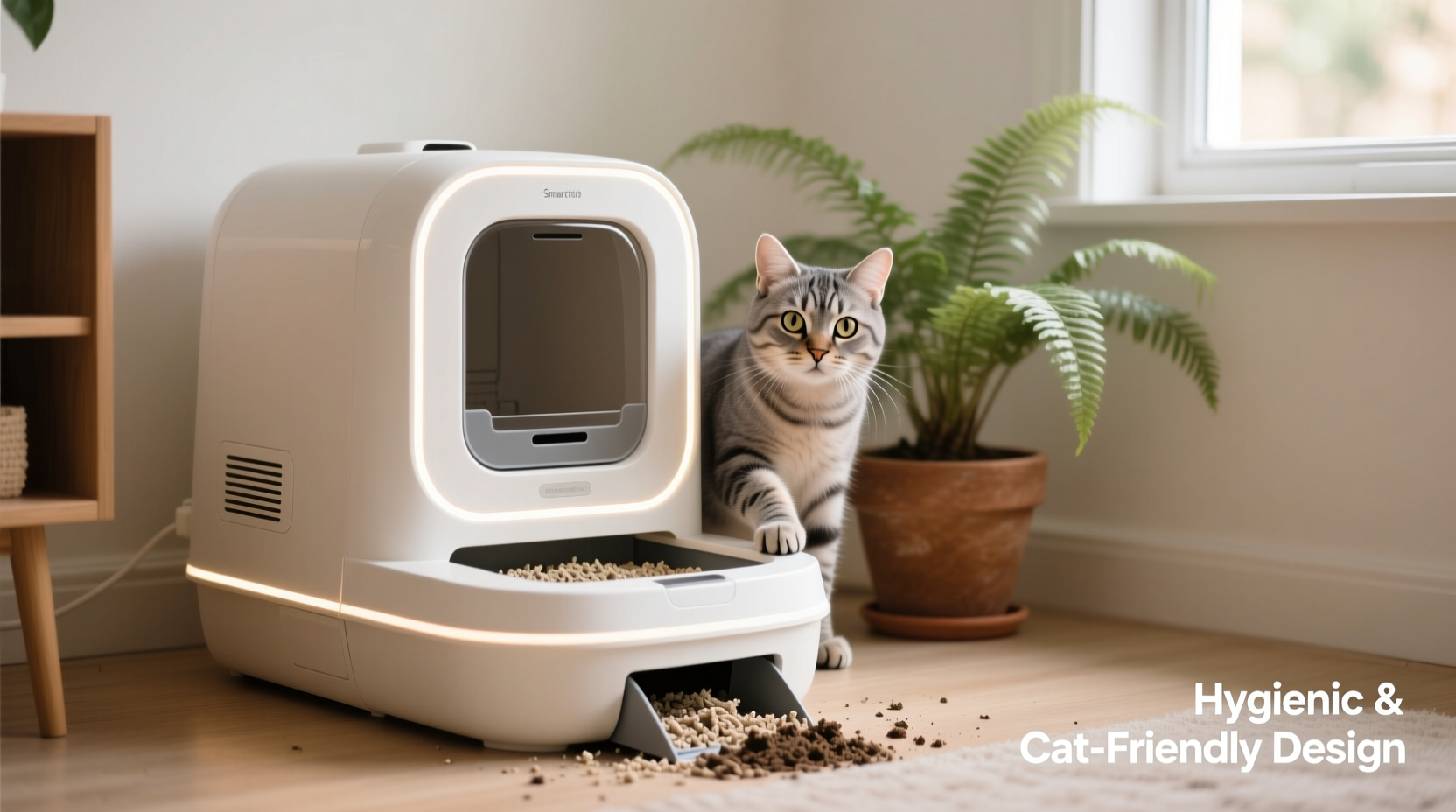
Automatic litter boxes are designed to remove waste shortly after a cat uses the box, typically within minutes. Most models use sensors to detect when the cat has left, then activate a raking mechanism that sifts clumps into a sealed waste compartment. This immediate removal reduces bacterial growth, limits ammonia buildup from urine, and minimizes odor dispersion—key factors in maintaining a hygienic environment for both pets and humans.
From a sanitation standpoint, timely waste removal is one of the most effective ways to prevent the spread of pathogens like Toxoplasma gondii, which can survive in cat feces for days. By sealing waste in a closed container, automatic systems reduce human exposure and lower the risk of cross-contamination in multi-pet households.
Tip: Empty the waste drawer at least every 2–3 days—even if it’s not full—to prevent odor buildup and bacterial growth inside the unit.However, hygiene isn’t just about removing waste; it’s also about maintaining the cleanliness of the box itself. Some automatic models have hard-to-reach corners where moisture and bacteria can accumulate. Without regular deep cleaning, these areas can become breeding grounds for mold and odor-causing microbes. In this sense, an automatic litter box is only as hygienic as its maintenance routine allows.
How Sensitive Cats React to Automated Systems
Cats are creatures of habit, and even minor environmental changes can trigger stress. The sudden movement of a rake, the sound of a motor, or the vibration of a mechanical cycle can startle cats—especially those already prone to anxiety. While some cats adapt quickly, others may avoid the box altogether, leading to inappropriate elimination elsewhere in the home.
Veterinary behaviorists note that noise sensitivity varies widely among cats. A 2021 study published in the Journal of Feline Medicine and Surgery found that nearly 30% of cats exposed to automatic litter boxes exhibited signs of avoidance during the first week of use. Most adapted over time, but a subset continued to show stress indicators such as flattened ears, tail flicking, and urinating outside the box.
“Cats rely heavily on predictability. An unexpected noise or motion near their elimination area can feel threatening. Gradual introduction is critical.” — Dr. Lena Reyes, DVM, Feline Behavior Specialist
Size and enclosure design also play a role. Some automatic boxes are narrower or taller than traditional ones, making them less accessible or more confining for larger or older cats. For sensitive individuals, feeling trapped in a small space with moving parts can heighten anxiety.
Comparing Models: Features That Impact Hygiene and Comfort
Not all automatic litter boxes are created equal. Key differences in design, sensor technology, and noise levels significantly affect both hygiene and cat acceptance. The table below compares common features across popular models.
| Model | Waste Sealing | Noise Level (dB) | Cat-Friendly Entry | Easy to Clean? |
|---|---|---|---|---|
| Litter-Robot 4 | Sealed drawer with carbon filter | ~55 dB (moderate hum) | Large oval opening | Yes, removable components |
| ScoopFree Ultra | Trays sealed automatically | ~48 dB (quiet) | Open tray, low sides | Moderate (disposable trays) |
| PetSafe Simply Clean | Bagged collection system | ~62 dB (noticeable) | Narrow entryway | Harder (tight spaces) |
| Tidy Cats Breeze | Pellets fall through, no motor | 0 dB (passive system) | Open-top, spacious | Very easy |
Models like the Tidy Cats Breeze eliminate mechanical noise entirely by relying on gravity and special pellets, making them ideal for noise-sensitive cats. Others, like the Litter-Robot, offer app controls and customizable delay times, allowing owners to adjust operation timing to match their cat’s routine.
Step-by-Step Guide to Introducing an Automatic Litter Box
Introducing a new litter box—especially one with moving parts—should never be rushed. A thoughtful transition increases the likelihood of acceptance and reduces stress. Follow this timeline for best results:
- Week 1: Placement and Familiarization
Set up the automatic box in a quiet area, but keep it powered off. Place your cat’s old box beside it. Let your cat explore the new box at their own pace. Offer treats near it to create positive associations. - Week 2: Activate Without Automation
Turn the unit on but disable the cleaning cycle. Allow your cat to use it while getting used to the smell and texture of the new litter (if different). Monitor for hesitation or discomfort. - Week 3: Enable Delayed Cleaning
Activate the auto-clean function with a 7–10 minute delay after exit. This gives your cat time to leave and settle before the mechanism runs. Watch for reactions when the cycle starts. - Week 4: Full Integration
If your cat uses the box consistently and shows no signs of stress, retire the old box. Continue monitoring for any changes in litter habits or grooming behaviors that might indicate discomfort.
Real-World Case: Mia, the Anxious Tabby
Mia, a 4-year-old domestic shorthair, lived with her owner Sarah in a small apartment. Known for being cautious around new objects, Mia had used the same open litter box for two years. When Sarah brought home a Litter-Robot 3 Connect, hoping to reduce daily chores, Mia refused to go near it.
At first, Sarah assumed Mia would adapt. But after three days of avoiding the box—and two accidents on the bathroom rug—she consulted a veterinary behaviorist. Following a structured introduction plan with treats, delayed activation, and placement adjustments, Mia began using the box within ten days. The turning point came when Sarah started running the cycle only at night, after Mia had settled in her bed.
“I thought the convenience was worth a few days of adjustment,” Sarah said. “But I underestimated how much the noise scared her. Slowing down the process made all the difference.”
This case underscores a crucial lesson: even well-designed technology must align with a cat’s emotional needs. Rushing integration can backfire, turning a helpful tool into a source of household stress.
Best Practices for Maximizing Hygiene and Minimizing Stress
Whether you’re considering an automatic litter box or already own one, these practices help balance cleanliness with feline comfort:
- Choose a quiet model: Look for units with noise ratings under 55 dB and smooth-start motors.
- Use unscented, low-dust litter: Fragrances and fine particles can irritate respiratory systems and deter use.
- Clean the entire unit weekly: Wipe down sensors, rails, and waste compartments with pet-safe disinfectant.
- Keep a backup box available: During the transition, having a familiar option reduces pressure.
- Monitor usage via app or manually: Track frequency and duration to catch issues early.
“The best litter box is the one your cat will use consistently. Technology should serve the cat, not the other way around.” — Dr. Alan Tran, Veterinary Consultant, Cat Care Partners
Frequently Asked Questions
Can automatic litter boxes cause urinary tract infections in cats?
No direct evidence links automatic litter boxes to UTIs. However, if a cat avoids the box due to fear or discomfort, infrequent urination can increase UTI risk. Ensuring consistent, stress-free access is key to prevention.
Do automatic litter boxes work for multiple cats?
They can, but success depends on the model and household dynamics. Multi-cat homes benefit from larger units like the Litter-Robot 4, which includes a waitlist feature to prevent collisions. Still, each cat should have at least one additional litter box available (per ASPCA guidelines) to avoid territorial disputes.
Are there hygienic alternatives to fully automatic systems?
Yes. Top-entry boxes, hooded designs with carbon filters, and passive systems like the Breeze can reduce odor and contact with waste without mechanical parts. These are often better tolerated by sensitive cats.
Final Checklist Before Buying an Automatic Litter Box
- ✅ Measure your cat’s size and ensure the entryway is spacious enough.
- ✅ Research noise levels and read user reviews about sudden sounds.
- ✅ Confirm compatibility with your preferred litter type (clay, silica, plant-based).
- ✅ Check ease of disassembly for cleaning—avoid models with inaccessible crevices.
- ✅ Plan a 4-week introduction schedule before retiring the old box.
- ✅ Have a manual backup ready in case automation fails or causes stress.
Conclusion: Balancing Innovation with Feline Well-Being
Automatic litter boxes can be hygienic, convenient, and even life-changing for busy cat owners—but only when chosen and introduced wisely. Their mechanical nature poses real challenges for sensitive cats, and hygiene benefits are lost without diligent maintenance. The goal isn’t technological perfection; it’s creating a clean, safe, and stress-free environment where your cat feels secure.
Before investing in automation, observe your cat’s current habits. Are they skittish around loud noises? Do they prefer open spaces? Use these insights to guide your decision. And if you proceed, commit to a patient, thoughtful rollout. Your cat’s comfort is not a feature to optimize—it’s the foundation of trust.
💬 Have experience with automatic litter boxes—good or bad? Share your story in the comments to help fellow cat owners make informed choices.








