For pet owners juggling work schedules, travel, or unpredictable routines, automatic cat feeders promise peace of mind by delivering meals on time—every time. But behind the convenience lies a persistent concern: reliability. Many users report issues with jams, malfunctions, and inconsistent portioning. So, are these devices truly dependable, or do mechanical failures outweigh their benefits?
The answer isn’t straightforward. While modern automatic feeders have improved significantly in design and functionality, their reliability hinges on multiple factors: build quality, food type, maintenance habits, and brand reputation. This article explores the real-world performance of automatic cat feeders, investigates why jams occur, and provides practical guidance for choosing and using one that works consistently.
How Automatic Cat Feeders Work
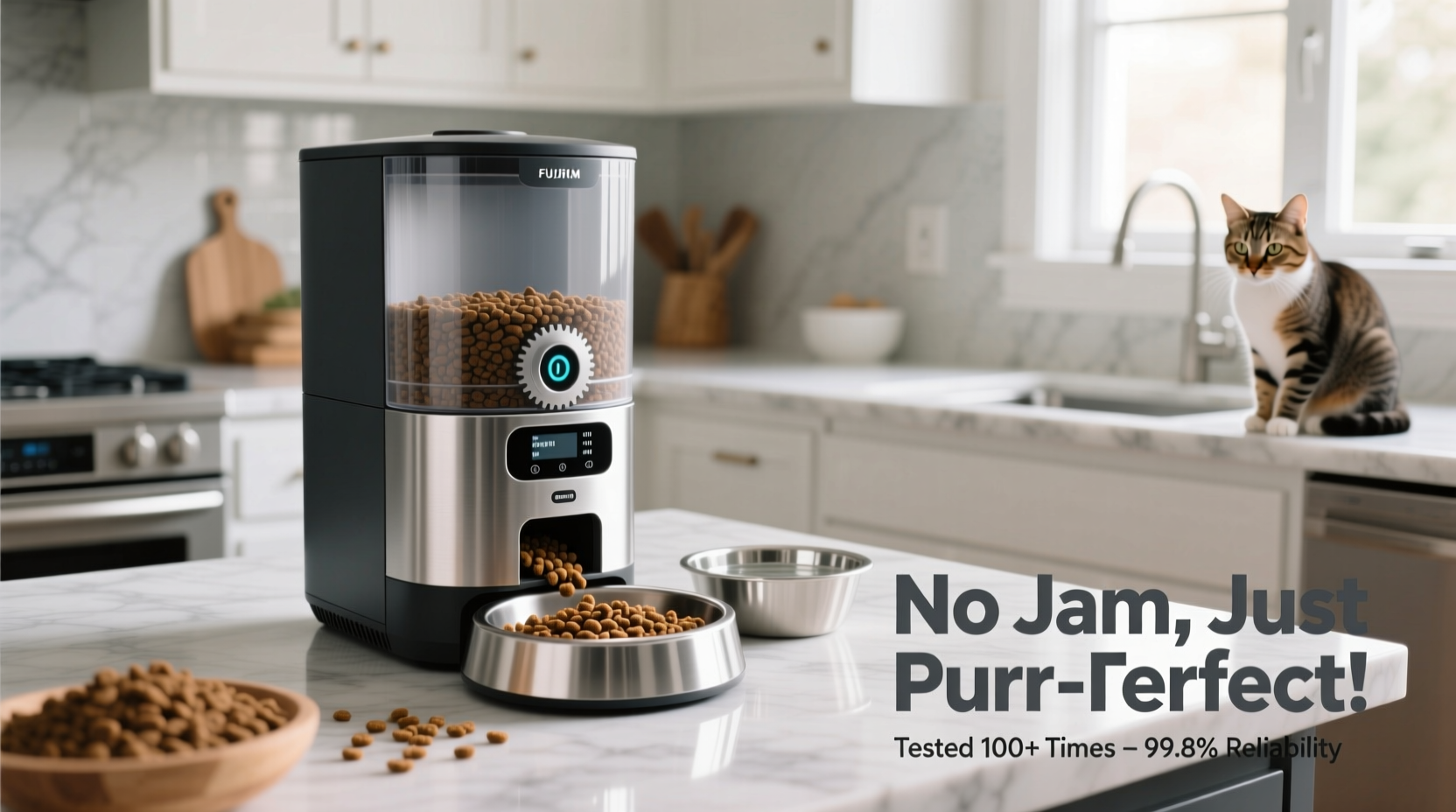
At their core, automatic cat feeders dispense dry kibble at preset times using a motorized mechanism. Most models feature a hopper that holds several days’ worth of food, a rotating tray or auger system to portion out meals, and a digital timer or app-based interface for scheduling.
The two primary dispensing mechanisms are:
- Auger (screw) system: A spiral screw pushes kibble down from the hopper into the bowl. Common in budget and mid-range models.
- Rotating tray or gravity-fed chute: A compartment rotates under the hopper to release portions. Found in higher-end or modular designs.
While both systems aim for precision, each has vulnerabilities. The auger system is particularly prone to jamming when kibble size, shape, or moisture content interferes with the screw’s movement. Long, fibrous treats or oddly shaped kibble can wedge between the screw and housing, halting operation entirely.
“Even high-end feeders aren’t immune to jams if you’re using the wrong food type or neglecting cleaning.” — Dr. Lena Patel, Veterinary Behaviorist and Pet Tech Consultant
Why Jams Happen: Common Causes
Jamming is the most frequently reported issue with automatic feeders. It doesn’t mean the device is defective—it often reflects mismatched usage. Understanding the root causes helps prevent problems before they arise.
1. Incompatible Kibble Size and Shape
Not all dry food flows smoothly through every feeder. Small, spherical kibble typically performs best. Large, flat, or irregularly shaped pieces—such as dental health formulas or holistic blends—can get stuck in auger channels or block the dispensing chute.
2. High Moisture Content or Clumping
Kibble exposed to humidity absorbs moisture and clumps together. Even brief exposure during refilling can cause bridging—where food forms a solid mass over the opening, preventing flow. This is especially problematic in humid climates or poorly sealed hoppers.
Tip: Store unused kibble in an airtight container and wipe the hopper interior weekly to prevent moisture buildup.3. Infrequent Cleaning
Residual dust, grease, or fragmented kibble accumulates over time, especially in auger-based models. Without regular cleaning, this debris restricts movement and increases friction, leading to partial or complete jams.
4. Overfilling the Hopper
Gravity pressure from a full hopper can compress lower layers of kibble, making it harder for the auger to turn. Manufacturers typically recommend filling no more than 75% capacity to maintain consistent flow.
5. Battery or Power Issues
Low battery power reduces motor torque, causing sluggish rotation that fails to push through even minor resistance. Using expired or low-quality batteries exacerbates this issue.
Reliability by Brand and Model: What Users Report
Independent reviews and customer feedback reveal significant differences in reliability across brands. Some manufacturers prioritize durability and user experience; others cut corners on materials and engineering.
| Brand/Model | Jam Frequency (User Reports) | Key Strengths | Common Complaints |
|---|---|---|---|
| PetSafe Smart Feed | Low | App control, backup battery, sturdy auger | Expensive; large footprint |
| Vidaxl Automatic Feeder | High | Affordable; large capacity | Frequent jams; weak motor |
| Whisker Duo (formerly SureFeed) | Very Low | Sealed design, RFID access, excellent reliability | Limited to wet food or small dry portions |
| Arf Pets AutoFeeder | Moderate | Good app integration, voice recording | Inconsistent portioning; occasional jams |
| WOPET WiFi Cat Feeder | Moderate to High | Built-in camera, remote monitoring | Frequent connectivity issues; jam-prone auger |
Data suggests that reliability correlates strongly with price and engineering focus. Higher-priced models often use stronger motors, better seals, and more robust augers. However, even premium devices require proper maintenance and compatible food types to function reliably.
Step-by-Step Guide to Preventing Jams
Prevention is more effective than troubleshooting. Follow this routine to maximize your feeder’s dependability.
- Choose the right kibble: Test small batches of your cat’s food in the feeder before committing. Opt for uniformly sized, low-dust kibble without fibrous coatings.
- Clean monthly (minimum): Disassemble the auger or tray mechanism and remove any built-up residue. Use a dry brush or compressed air—never submerge electronic components.
- Check for clumping weekly: Shake the hopper gently. If food doesn’t shift freely, empty and inspect for moisture or caking.
- Use fresh batteries: Replace batteries every 3–4 months, even if the device still operates. Weak power leads to incomplete cycles.
- Avoid overfilling: Stick to the manufacturer’s recommended fill line. Refill during cooler parts of the day to reduce condensation.
- Test after setup: Manually trigger a dispense cycle after loading food to ensure smooth operation before relying on scheduled feeds.
Real-World Example: When Reliability Matters
Sarah, a nurse working rotating shifts in Portland, adopted Luna, a rescue cat with strict dietary needs. She relied on a budget automatic feeder to deliver three measured meals daily while she was on night duty. Within two weeks, the feeder began skipping meals. She discovered kibble had jammed the auger due to Pacific Northwest humidity softening the food.
After switching to a silica-gel-lined hopper cover and changing to smaller kibble, jams decreased—but not eliminated. Eventually, Sarah upgraded to a Whisker Duo with a sealed chamber and noticed zero malfunctions over six months. “It cost more, but I sleep easier knowing Luna eats on time, whether I’m home or not,” she said.
Sarah’s experience underscores a key point: reliability isn’t just about the device—it’s about matching the technology to your environment and routine.
Do’s and Don’ts of Using Automatic Feeders
| Do’s | Don’ts |
|---|---|
| Use dry kibble under 12mm in diameter | Use wet food unless the feeder is designed for it |
| Clean internal mechanisms monthly | Ignore early signs of slow dispensing |
| Keep a manual backup feeding plan | Leave the feeder unattended for over a week without checks |
| Use lithium or high-drain alkaline batteries | Overfill the hopper beyond the marked line |
| Monitor first few cycles closely | Assume app notifications always mean successful dispensing |
FAQ: Common Questions About Feeder Reliability
Can I use an automatic feeder as my cat’s only food source?
Only if you monitor it closely and have a backup plan. Sudden jams or power failures can leave your cat without food. It’s safest to use automatic feeders as part of a managed routine, not a fully hands-off solution—especially for cats with medical conditions.
Do Wi-Fi feeders jam more than basic models?
Not inherently. Connectivity issues are separate from mechanical jams. However, Wi-Fi models often use similar auger systems, so jam risk depends more on food and maintenance than smart features. That said, some users report prioritizing tech over mechanics in cheaper smart feeders.
How can I tell if my feeder is about to jam?
Warning signs include delayed dispensing, unusual motor sounds (grinding or stuttering), partial portions, or visible kibble bridging in the hopper. If you notice any of these, clean the unit immediately and reassess your kibble choice.
Tips for Maximizing Long-Term Reliability
Tip: Place the feeder on a slightly elevated surface to reduce floor-level humidity exposure and make cleanup easier. Tip: Rotate between two feeders if possible—one in use, one cleaning—so you never skip a meal during maintenance. Tip: Record a short video of each dispense cycle weekly to catch inconsistencies early.Final Verdict: Reliable With the Right Approach
Automatic cat feeders are neither universally reliable nor chronically flawed. Their performance depends on informed usage. High-quality models from reputable brands, paired with appropriate kibble and regular upkeep, can operate flawlessly for years. Conversely, even premium devices will fail if misused.
Jams are not inevitable—they���re largely preventable. By selecting the right feeder for your cat’s diet, maintaining it diligently, and remaining vigilant, you can enjoy the convenience of automated feeding without compromising your pet’s nutrition.
Technology should serve pets and owners alike. When chosen wisely and used correctly, automatic feeders offer a trustworthy solution for modern households. They won’t replace attentive care, but they can certainly enhance it.
💬 Have you found a jam-free automatic feeder that works for your cat? Share your model and tips in the comments to help other pet owners make smarter choices.








