French Bulldogs are beloved for their compact size, expressive faces, and affectionate personalities. However, their unique physiology—especially their sensitive digestive systems, tendency toward allergies, and predisposition to obesity—demands careful attention to diet. While premium dog foods abound, many owners seek affordable options that don’t compromise on quality. The good news: nutritious, budget-friendly dog food for French Bulldogs is not only possible but achievable with informed choices.
Nutritional Needs of French Bulldogs
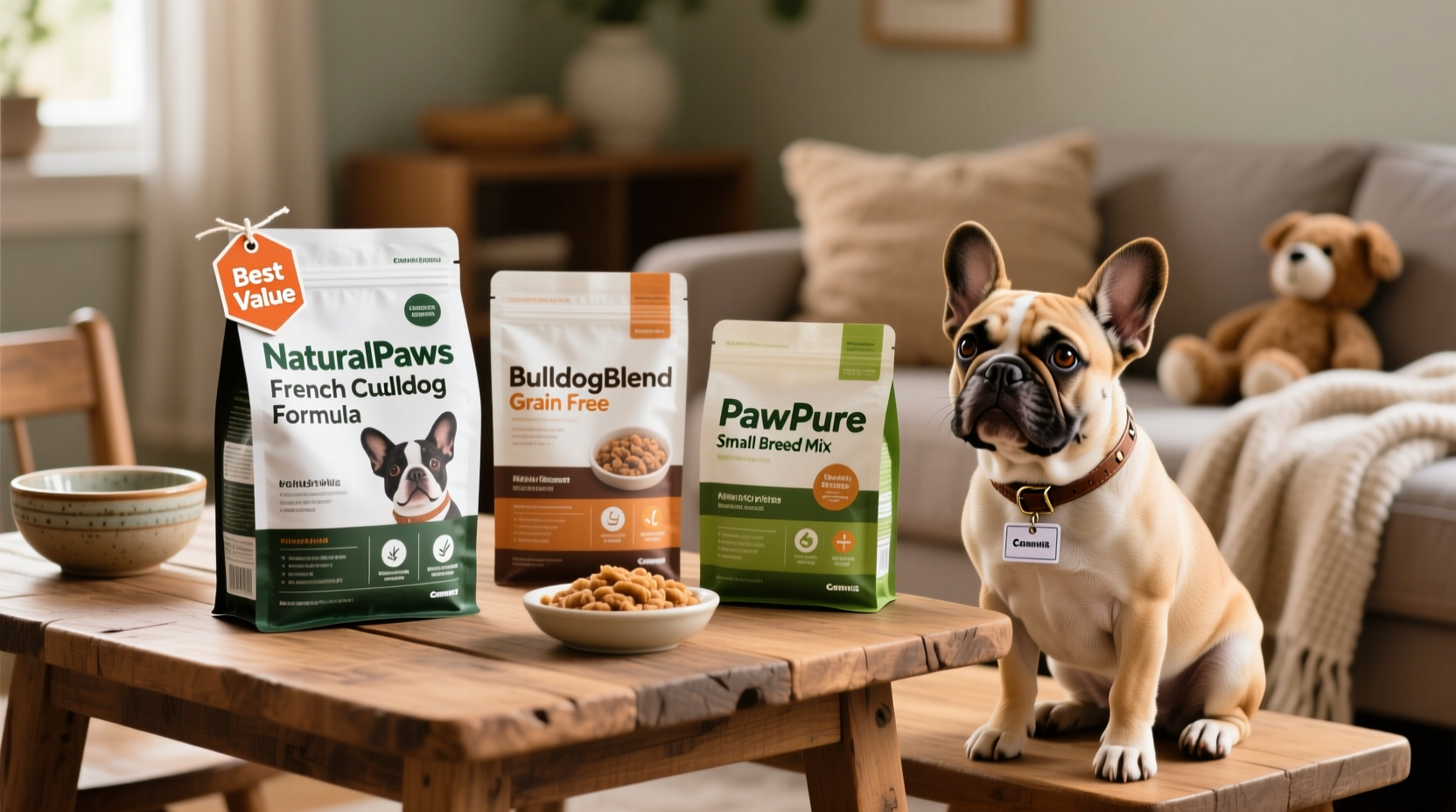
French Bulldogs have specific dietary requirements due to their brachycephalic (short-nosed) structure, low energy levels, and skin sensitivities. A balanced diet should include:
- High-quality animal protein as the first ingredient to support muscle maintenance.
- Moderate fat levels to prevent weight gain without sacrificing energy.
- Omega-3 and Omega-6 fatty acids for healthy skin and coat—critical for dogs prone to dermatitis.
- Digestible carbohydrates like sweet potatoes or brown rice instead of corn or soy.
- Probiotics and prebiotic fiber to aid digestion and reduce gas, a common issue in Frenchies.
Avoid foods with artificial preservatives, fillers, or by-products. These can trigger allergic reactions or gastrointestinal discomfort, leading to higher vet costs over time.
“French Bulldogs thrive on simple, clean ingredient lists. Fewer ingredients often mean fewer triggers for skin and stomach issues.” — Dr. Lena Patel, DVM, Canine Nutrition Specialist
Top Affordable Dog Food Brands for French Bulldogs
Several brands offer nutritionally sound formulas at accessible price points. Below is a comparison of five cost-effective yet reliable options.
| Brand & Product | Key Features | Price per Pound (approx.) | Frenchie-Specific Benefits |
|---|---|---|---|
| Rachael Ray Nutrish Just 6 | Grain-free, limited ingredients, real chicken as #1 ingredient | $1.75 | Reduces allergy risks; easy to digest |
| Purina Pro Plan Sensitive Skin & Stomach | Salmon & rice formula, contains probiotics | $2.10 | Excellent for itchy skin and sensitive digestion |
| Blue Buffalo Basics Limited Ingredient | Grain-free, turkey & potato formula | $2.30 | Ideal for dogs with food sensitivities |
| Wellness Complete Health Simple Formula | Duck & potato, grain-inclusive, no artificial additives | $2.40 | Supports gut health with probiotics |
| Victor Purpose Active Dog & Puppy (Corn-Inclusive) | High protein, fortified with vitamins, made in Texas | $1.60 | Cost-effective bulk option; trusted by breeders |
While Purina Pro Plan and Blue Buffalo sit slightly above budget tier, their clinical support for sensitive systems often justifies the minor price difference. For tight budgets, Victor and Rachael Ray offer solid foundational nutrition at lower cost.
Tip: Buy larger bags when possible and split into airtight containers to maintain freshness and reduce long-term costs.Real-Life Example: Feeding Bella the Frenchie on a Budget
Bella, a 2-year-old female French Bulldog from Austin, Texas, suffered from chronic ear infections and loose stools. Her owner, Maria, was spending $80 monthly on boutique grain-free food but saw no improvement. After consulting a veterinary nutritionist, Maria switched to Purina Pro Plan Sensitive Skin & Stomach (Salmon & Rice).
The change was gradual: 25% new food mixed with 75% old food for three days, increasing the ratio daily. Within two weeks, Bella’s stools firmed up, her itching decreased, and her coat became shinier. The new food cost $65 per month—a savings of $15—and lasted longer due to better digestibility (less waste). After three months, vet visits for skin issues stopped.
This case illustrates that affordability isn’t just about sticker price—it’s about value per dollar when health outcomes are factored in.
Step-by-Step Guide to Choosing Affordable, High-Quality Food
Selecting the right food involves more than scanning the shelf. Follow this sequence to make an informed, cost-efficient decision:
- Assess your dog’s current health. Note any signs of allergies, gas, dull coat, or weight changes.
- Read ingredient lists, not just labels. Look for whole meats (e.g., deboned chicken), named fats (chicken fat), and minimal unnamed by-products.
- Check protein content. Aim for 22–26% crude protein for adult Frenchies.
- Compare cost per ounce. A $50 bag may be cheaper per meal than a $40 bag if it’s more nutrient-dense.
- Start a trial. Purchase a small bag first. Transition slowly over 7–10 days.
- Monitor results. Track stool quality, energy, skin condition, and appetite weekly.
- Scale up or switch. If results are positive after four weeks, buy in bulk. If not, try another formula.
Common Mistakes to Avoid
- Chasing trends. Grain-free diets aren’t necessary unless your dog has a diagnosed grain allergy. In fact, some grain-free foods have been linked to heart issues in dogs.
- Overfeeding treats. French Bulldogs love snacks, but excess calories lead to obesity, which strains their joints and breathing.
- Ignoring life stage needs. Puppies need more protein and fat; seniors benefit from joint support (glucosamine).
- Buying solely on price. Extremely cheap kibble often uses fillers like corn gluten meal and poultry by-product, which can cause long-term health issues.
Quick Checklist: What to Look for in Affordable Frenchie Food
- ✅ Real meat listed as the first ingredient
- (e.g., chicken, salmon, lamb)
- ✅ No artificial colors, flavors, or preservatives
- Avoid BHA, BHT, ethoxyquin
- ✅ Contains omega fatty acids
- Look for flaxseed, fish oil, or sunflower oil
- ✅ Includes probiotics or prebiotics
- Supports digestive balance
- ✅ Made in FDA-regulated facilities
- Ensures safety and consistency
- ✅ Positive reviews from other Frenchie owners
- Check forums like Reddit’s r/FrenchBulldogs
Frequently Asked Questions
Can I feed my French Bulldog human food to save money?
Occasional plain cooked meats (like chicken or turkey) and vegetables (such as carrots or green beans) are safe in moderation. However, relying on human food leads to nutritional imbalances. Dogs need specific ratios of vitamins and minerals that homemade meals rarely provide without supplementation. Stick to balanced commercial food as the primary diet.
Is wet food worth the extra cost?
Wet food can benefit French Bulldogs with dental issues or low water intake, but it’s typically more expensive per calorie. A practical approach is mixing a small amount of wet food (¼ can) with dry kibble to enhance palatability and hydration without breaking the budget.
How much should I feed my French Bulldog daily?
An adult French Bulldog typically needs 25–30 calories per pound of body weight. For a 20-pound Frenchie, that’s about 1 to 1.5 cups of dry food daily, split into two meals. Adjust based on activity level and body condition. Always follow feeding guidelines on the package and consult your vet if unsure.
Final Thoughts: Smart Choices for Long-Term Health
Feeding your French Bulldog doesn’t require luxury pricing to achieve excellent results. By focusing on ingredient quality, digestibility, and real-world performance, you can find affordable dog foods that support your pet’s health without straining your wallet. The most expensive bag isn’t always the best—and sometimes, the smartest choice is the one that balances nutrition, tolerance, and cost.
Begin with a well-reviewed, veterinarian-recommended formula in the mid-price range. Monitor your dog’s response closely, and don’t hesitate to adjust. Your Frenchie’s shiny coat, consistent energy, and firm stools will tell you when you’ve found the right fit.
💬 Have a favorite budget-friendly dog food that works for your French Bulldog? Share your experience in the comments—your insight could help another owner make a smarter choice today.








