American Bulldogs are powerful, energetic dogs with unique nutritional needs. Bred originally for farm work and protection, they require a diet rich in high-quality protein, healthy fats, and balanced micronutrients to maintain muscle mass, joint health, and overall vitality. However, feeding a large, active breed like an American Bulldog can become expensive—especially when premium kibble brands cost $5 or more per pound. The good news is that it’s entirely possible to provide excellent nutrition on a budget. With careful selection and informed choices, owners can find affordable dog foods that don’t compromise on quality.
This guide explores practical strategies, ingredient insights, and specific product recommendations to help you feed your American Bulldog well without overspending. From understanding label claims to building cost-effective meal plans, every decision counts toward better health and smarter spending.
Nutritional Needs of American Bulldogs
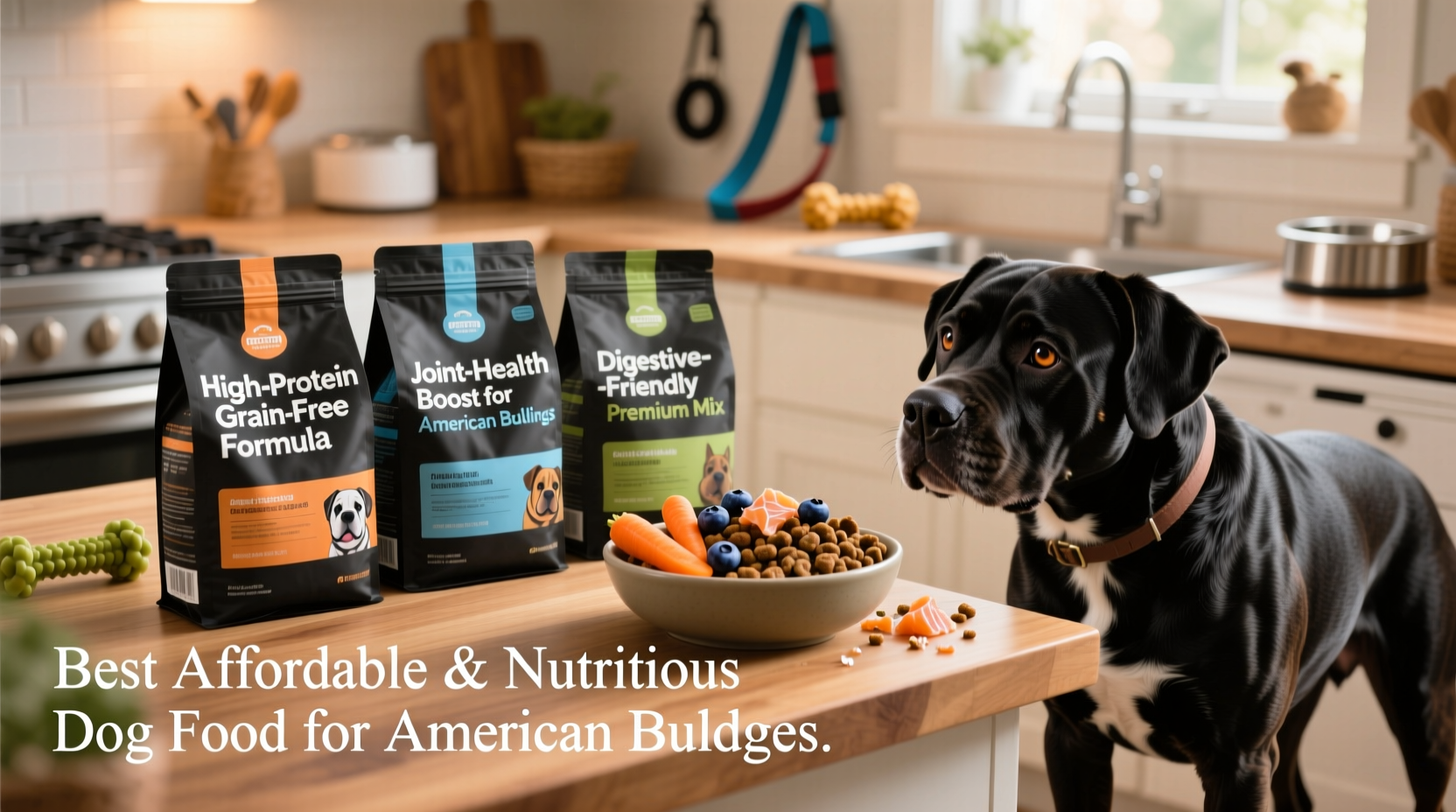
Adult American Bulldogs typically weigh between 60 and 120 pounds and have a muscular build that demands consistent protein intake. Puppies grow rapidly and need even higher levels of nutrients to support bone development and immune function. Key dietary components include:
- Protein (minimum 22–26%): Essential for muscle maintenance and repair. Look for named animal proteins like chicken, beef, or fish as the first ingredients.
- Fat (12–18%): Provides concentrated energy and supports skin and coat health. Omega-3 and omega-6 fatty acids are especially beneficial.
- Glucosamine and chondroitin: Help prevent hip dysplasia and arthritis, common issues in large breeds.
- Fiber (2–4%): Aids digestion and helps regulate bowel movements, particularly important for dogs prone to constipation or gas.
- Vitamins and minerals: Including calcium, phosphorus, vitamin E, and zinc for immune support and metabolic balance.
American Bulldogs are also prone to allergies and sensitive stomachs. Fillers like corn, soy, and artificial preservatives can trigger adverse reactions. Avoiding low-quality by-products and synthetic additives ensures better digestibility and fewer vet visits.
Tip: Rotate protein sources (e.g., chicken one month, lamb the next) to reduce the risk of developing food sensitivities over time.How to Spot High-Quality, Budget-Friendly Dog Food
Not all affordable dog foods are created equal. Some budget brands cut corners with plant-based fillers and meat meals from unspecified sources. To identify truly nutritious yet economical options, follow these guidelines:
- Read the ingredient list backward: Ingredients are listed by weight. If “chicken” appears first, it’s a strong sign of quality. Avoid foods where corn, wheat, or “meat by-product” lead the list.
- Check for AAFCO compliance: The Association of American Feed Control Officials sets nutritional standards. Look for statements like “formulated to meet the nutritional levels established by AAFCO” on the packaging.
- Avoid artificial additives: Colors, flavors, and preservatives like BHA or BHT offer no nutritional benefit and may pose long-term health risks.
- Look for joint-support supplements: Glucosamine, chondroitin, and MSM are often found in mid-tier formulas at reasonable prices.
- Compare cost per ounce: Larger bags usually offer lower unit costs. Calculate price per pound to make accurate comparisons across brands.
“Owners often assume expensive means better, but many mid-range brands use the same suppliers as premium labels—just with less marketing overhead.” — Dr. Laura Simmons, DVM, Canine Nutrition Specialist
Top Affordable & Nutritious Dog Food Brands
The following table compares five reputable, budget-conscious dog food brands suitable for American Bulldogs. All meet AAFCO standards, feature whole meat as the primary ingredient, and include joint-support nutrients.
| Brand & Product | Price per Pound | Primary Protein Source | Key Features | Best For |
|---|---|---|---|---|
| Purina Pro Plan Sensitive Skin & Stomach (Salmon & Rice) | $2.75 | Salmon | High digestibility, omega-3s, probiotics | Dogs with allergies or digestive issues |
| Blue Buffalo Life Protection Formula (Chicken & Brown Rice) | $2.60 | Deboned Chicken | Glucosamine, antioxidant-rich LifeSource Bits | Active adults and growing puppies |
| Rachael Ray Nutrish Premium (Real Chicken & Veggies) | $1.80 | Chicken Meal | No poultry by-product meals, added vitamins | Owners on tight budgets |
| Instinct Original Grain-Free (Turkey & Turkey Meal) | $3.10 | Turkey | Grain-free, high protein, probiotics | Dogs needing grain-free diets |
| Victor Purpose Active Dog (Beef & Chicken) | $2.20 | Beef Meal | High-calorie, joint support, ranch-raised meats | Working or highly active dogs |
While Purina Pro Plan and Blue Buffalo sit slightly above entry-level pricing, their formulation quality justifies the cost. Rachael Ray Nutrish offers the lowest price point with acceptable ingredients, making it ideal for bulk feeding. Victor stands out for its high caloric density and use of meat meals instead of by-products—perfect for maintaining lean muscle.
Smart Feeding Strategies to Save Money
Choosing an affordable brand is only part of the solution. How you store, portion, and supplement food affects both cost and nutrition. Follow this step-by-step plan to maximize value:
- Buy in bulk during sales: Large 30–40 lb bags reduce cost per pound. Use coupons from brands like Blue Buffalo or subscribe-and-save through retailers like Chewy or Amazon.
- Store food properly: Keep kibble in an airtight container in a cool, dry place. Exposure to heat and humidity degrades nutrients and invites mold.
- Measure portions accurately: Overfeeding wastes food and leads to obesity. Adult American Bulldogs generally need 3–5 cups daily depending on activity level.
- Supplement wisely: Add inexpensive whole foods like boiled eggs, canned pumpkin (not pie filling), or plain Greek yogurt to boost nutrition without relying solely on expensive fortified kibble.
- Mix wet and dry food: A small amount of wet food enhances palatability and hydration. Look for multipacks on sale to keep costs down.
Mini Case Study: Feeding Max, a 90-Pound American Bulldog on a $50/Month Budget
Mark, a construction worker in Ohio, adopted Max, a 2-year-old American Bulldog, last year. Concerned about rising pet food costs, he wanted to feed Max well without exceeding $50 monthly. After researching, Mark chose Victor Purpose Active Dog formula at $2.20/lb. He purchased a 40-lb bag for $88 during a local warehouse club sale, bringing his cost to $2.20/lb with no shipping.
Max eats 4 cups (about 1.2 lbs) per day, totaling 36.6 lbs per month. At $2.20/lb, Mark spends $80.50 monthly—but because he bought two bags at once with a $10 rebate, his effective cost dropped to $79 for 80 lbs, or $49.70 per month.
To enhance nutrition, Mark adds one boiled egg twice a week and a tablespoon of canned pumpkin daily for fiber. These additions cost under $5/month. Max has maintained a healthy weight, improved coat shine, and no digestive issues since switching.
Frequently Asked Questions
Is grain-free food necessary for American Bulldogs?
No. Most American Bulldogs do not require grain-free diets unless diagnosed with a grain allergy. Whole grains like brown rice and barley provide fiber and sustained energy. Grain-free formulas are often more expensive and may carry heart health risks according to FDA studies.
Can I make homemade food to save money?
You can, but it requires careful planning. DIY diets must be balanced—consult a veterinary nutritionist to avoid deficiencies. While raw or home-cooked meals can be cost-effective, improper ratios of calcium, phosphorus, or protein can cause serious health problems.
How do I transition my dog to a new food safely?
Mix increasing amounts of the new food with decreasing amounts of the old over 7–10 days. Start with 25% new food and gradually increase. This prevents gastrointestinal upset and allows your dog to adjust.
Conclusion: Smart Choices for a Healthier, Happier Bulldog
Feeding your American Bulldog doesn’t have to mean choosing between affordability and nutrition. By focusing on ingredient quality, smart purchasing habits, and portion control, you can deliver excellent care without overspending. The key is consistency—providing a balanced, digestible diet that supports your dog’s size, energy, and breed-specific needs.
💬 Ready to optimize your dog’s diet? Review your current food label tonight—check the first three ingredients and look for ways to upgrade without increasing cost. Share your favorite budget-friendly dog food in the comments to help fellow owners make smarter choices.








