The neck is one of the first areas to show visible signs of aging. Loose skin, vertical bands (platysmal bands), and loss of definition can make you look older than you feel. While surgical facelifts are often recommended, they come with high costs, downtime, and risks. Fortunately, a growing number of non-invasive, affordable, and effective neck tightening treatments offer noticeable improvements—without scalpels or weeks of recovery.
This guide explores science-backed, budget-conscious solutions that tighten neck skin, restore jawline definition, and combat sagging—all while fitting into a realistic lifestyle and budget.
Understanding Neck Skin Aging
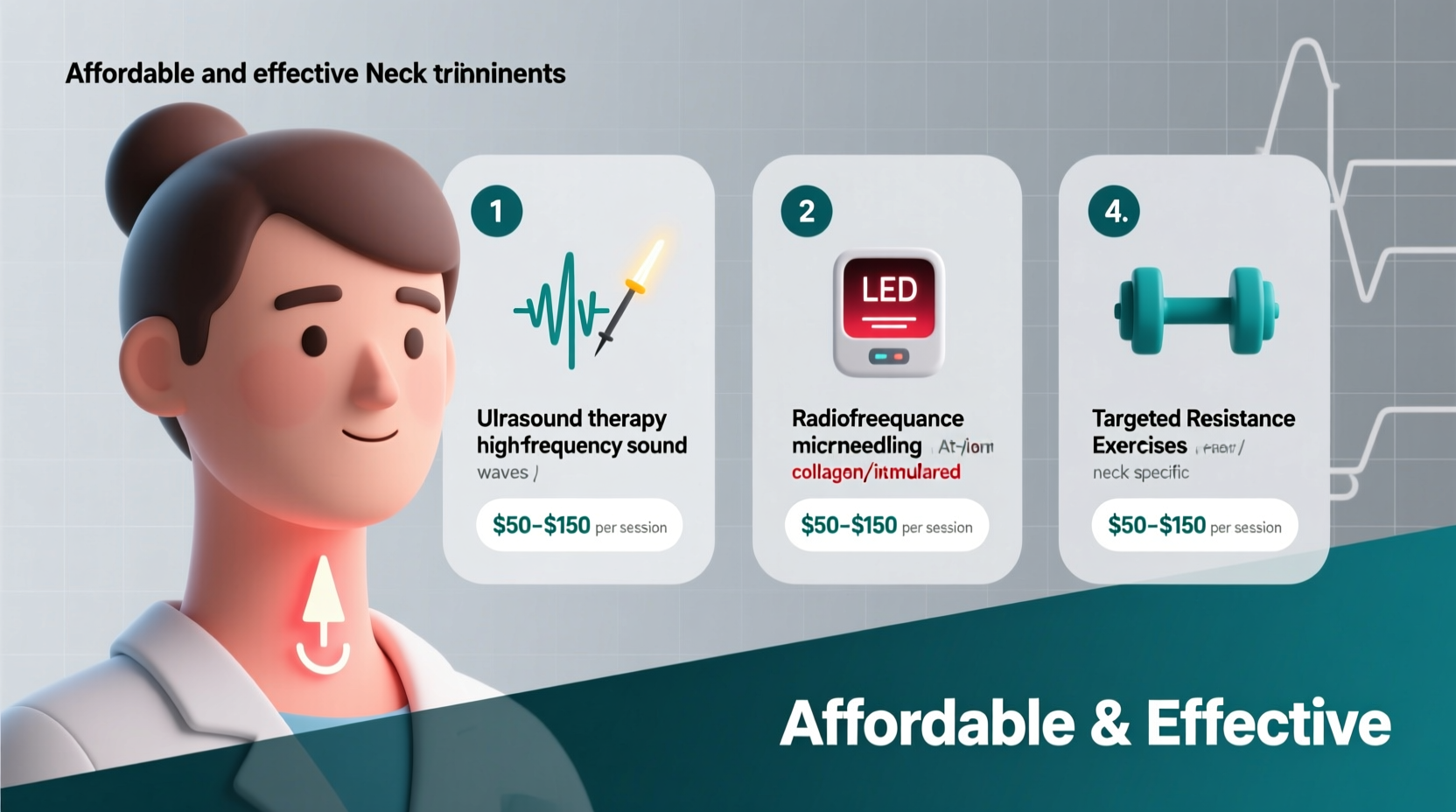
The skin on the neck is thinner and has fewer oil glands than facial skin, making it more prone to dryness and wrinkling. Over time, collagen and elastin production decline, gravity takes effect, and repetitive movements like looking down at phones accelerate creasing. Sun exposure, weight fluctuations, and genetics also contribute to a \"turkey neck\" appearance.
Unlike the face, the neck is often neglected in skincare routines. However, early intervention with targeted treatments can delay or even reverse mild to moderate laxity. The key is consistency and choosing methods that stimulate collagen and improve skin tone.
Top Affordable & Effective Neck Tightening Treatments
Not all treatments require $5,000 clinic visits. Several cost-effective options deliver real results when used correctly and consistently. Below are the most accessible and clinically supported approaches.
1. Radiofrequency (RF) Therapy
Radiofrequency devices heat the deeper layers of skin to stimulate collagen remodeling. Professional RF treatments like ThermiSmooth or at-home devices such as NEWA or Tripollar STOP Vx use controlled energy to tighten loose neck skin over time.
A 2021 study published in *Dermatologic Surgery* found that patients using home RF devices three times weekly for 12 weeks experienced measurable improvement in skin elasticity and firmness. Results build gradually but are long-lasting with maintenance.
Tip: Use radiofrequency devices on clean, dry skin with a conductive gel. Move slowly in upward motions for even heating and maximum collagen stimulation.2. Microneedling with Topical Growth Factors
Microneedling creates micro-injuries that trigger the body’s natural healing response, boosting collagen and elastin. When combined with serums containing growth factors or hyaluronic acid, results are enhanced—especially for texture and firmness.
Professional microneedling sessions range from $200–$400 each, but at-home derma rollers (0.5mm needles) offer a fraction of the cost. Just be cautious: improper technique or unsterilized tools can cause irritation or infection.
“Microneedling is one of the few at-home procedures with real clinical backing for skin tightening—when done safely and consistently.” — Dr. Lena Patel, Board-Certified Dermatologist
3. Neck Firming Creams with Proven Ingredients
Topical creams won’t replace surgery, but certain formulations can visibly improve skin tone and suppleness. Look for products containing:
- Retinol: Increases cell turnover and collagen synthesis.
- Peptides (e.g., Matrixyl, Argireline): Signal skin to produce more collagen.
- Hyaluronic Acid: Plumps skin and reduces crepey texture.
- Niacinamide: Strengthens the skin barrier and improves elasticity.
Brands like Neutrogena, Olay Regenerist, and The Ordinary offer effective formulas under $30. Apply nightly after cleansing and follow with moisturizer to lock in hydration.
4. Ultrasound Therapy (Ultherapy Alternative)
Ultherapy is an FDA-cleared ultrasound treatment that lifts and tightens skin by targeting the SMAS layer—the same layer addressed in facelifts. While professional Ultherapy costs $2,000+, newer at-home ultrasound devices like the Zeno Light or Foreo Bear offer lower-intensity versions for ongoing maintenance.
These devices use microcurrent and low-frequency ultrasound to enhance circulation and support muscle tone. They’re not as powerful as clinical treatments, but regular use (5–7 minutes daily) can prevent further sagging and improve contour over months.
Comparison of Neck Tightening Options
| Treatment | Average Cost | Results Timeline | Invasiveness | Best For |
|---|---|---|---|---|
| At-Home RF Devices | $150–$300 | 8–12 weeks | Non-invasive | Daily users seeking gradual tightening |
| Neck Firming Creams | $15–$50 | 6–10 weeks | Non-invasive | Early signs of looseness, prevention |
| Professional Microneedling | $200–$400/session | 4–6 weeks per session | Minimally invasive | Textured, crepey skin |
| At-Home Microneedling | $20–$50 | 10–12 weeks | Low risk if done properly | Budget-conscious users |
| Ultrasound (At-Home) | $100–$250 | 12+ weeks | Non-invasive | Jawline definition and toning |
Step-by-Step Routine for Visible Neck Tightening
Consistency is critical. Follow this simple 6-week protocol to begin seeing changes:
- Week 1–2: Prep and Cleanse
Cleanse neck daily with a gentle cleanser. Exfoliate twice weekly with a mild chemical exfoliant (like lactic acid) to remove dead skin and improve product absorption. - Week 3–4: Introduce Active Treatments
Begin using a retinol-based neck cream every other night. Start RF or microcurrent device use 3x/week, following manufacturer instructions. - Week 5–6: Layer and Maintain
Add a peptide serum before moisturizing. Increase device usage to 4–5 days/week. Monitor skin for irritation and adjust frequency if needed.
After six weeks, assess changes in firmness and jawline clarity. Continue the routine indefinitely, reducing actives if sensitivity occurs.
Real-Life Example: Maria’s Journey to a Firmer Neck
Maria, 52, noticed her neck skin becoming loose after losing 25 pounds. Unwilling to undergo surgery, she invested $180 in a dual-action RF and red light therapy device. She used it 4 times a week and applied a peptide-rich neck cream nightly.
After 10 weeks, her husband commented, “Your jawline looks sharper.” A side-by-side photo comparison showed reduced sagging and improved contour. While not as dramatic as a lift, Maria felt confident enough to wear V-necks again—without filters.
Avoid These Common Mistakes
Even the best treatments fail when paired with poor habits. Steer clear of these pitfalls:
- Skip sunscreen: UV damage accelerates neck aging. Apply SPF 30+ daily, even on cloudy days.
- Overuse aggressive treatments: More isn’t better. Overdoing microneedling or retinol can thin the skin.
- Ignore posture: Constantly looking down strains neck muscles and deepens horizontal lines.
- Dehydrate your skin: Dry skin appears looser. Hydrate internally and topically.
Frequently Asked Questions
Can you really tighten neck skin without surgery?
Yes—especially in mild to moderate cases. Non-invasive treatments like radiofrequency, microneedling, and topical peptides can significantly improve firmness and reduce sagging over time. Results are subtle but meaningful and far less risky than surgery.
How long does it take to see results from at-home devices?
Most users notice initial improvements in skin texture within 4–6 weeks. Visible tightening typically appears between 8–12 weeks with consistent use (3–5 times weekly). Maintenance is required to sustain results.
Are neck firming creams worth it?
They are most effective as part of a broader regimen. Creams with retinol, peptides, and hyaluronic acid support skin health and enhance the effects of devices. They won’t lift deeply sagging skin but can prevent worsening and improve appearance.
Your Action Plan: Start Today
You don’t need a luxury spa membership or a surgeon’s referral to address neck laxity. With affordable tools, smart skincare, and daily commitment, you can achieve a more defined, youthful neckline.
Begin with one proven method—whether it’s a $30 neck cream or a mid-range RF device—and stick with it for at least two months. Pair it with good posture, sun protection, and hydration. Track your progress with monthly photos.
🚀 Take control of your neck’s appearance starting tonight. Pick one treatment from this guide, commit to it for 90 days, and witness the transformation. Share your journey or questions below—we’d love to hear your story.








