Fleas and ticks are more than just a nuisance—they pose real health risks to dogs, including skin infections, anemia, and the transmission of diseases like Lyme disease and tapeworms. While veterinary-prescribed treatments are often effective, they can be costly and inaccessible for some pet owners. Fortunately, there are affordable, science-backed alternatives that don’t require a trip to the clinic. These solutions range from natural repellents to over-the-counter products and preventive routines that can be managed safely at home.
The key is choosing methods that balance safety, effectiveness, and cost. Not all DIY or budget-friendly options work equally well, and some may even harm your dog if misused. This guide outlines practical, evidence-informed strategies to protect your dog from fleas and ticks—without breaking the bank or requiring a prescription.
Understanding the Threat: Fleas vs. Ticks
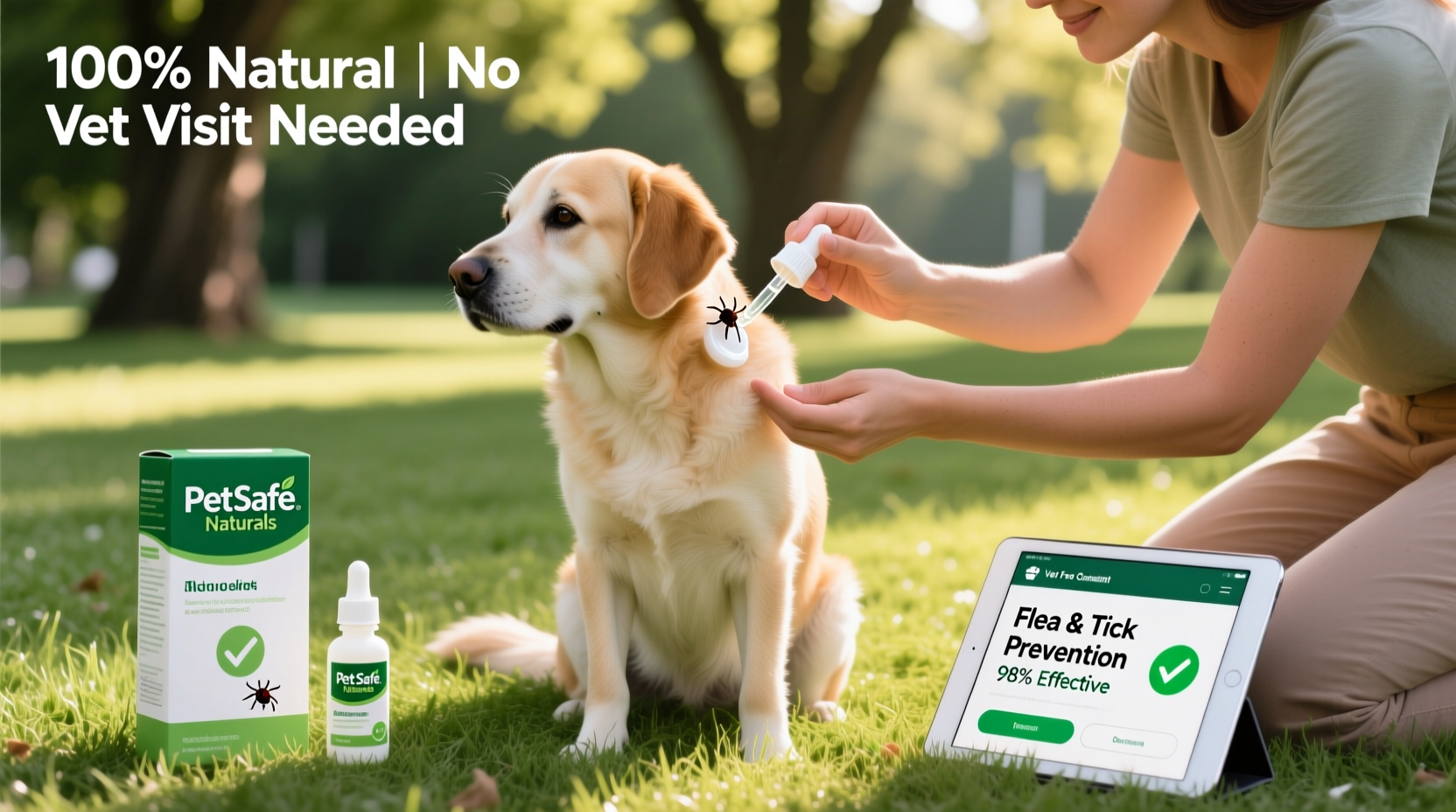
Fleas and ticks thrive in warm, humid environments but can survive indoors year-round. Fleas reproduce rapidly—a single female can lay up to 50 eggs per day—and their bites cause intense itching, allergic reactions, and secondary infections. Ticks, on the other hand, latch onto the skin and feed on blood, potentially transmitting pathogens after just 24–48 hours of attachment.
Prevention is far more effective—and economical—than treating an infestation. A proactive approach reduces discomfort for your dog and lowers long-term costs associated with skin treatments, medications, or illness.
Tip: Check your dog daily for ticks after walks, especially around the ears, neck, and paws.Budget-Friendly Prevention Methods That Work
Several non-prescription tools and habits can significantly reduce flea and tick exposure. These methods are accessible, low-cost, and easy to integrate into your routine.
- Diatomaceous Earth (Food Grade): A fine powder made from fossilized algae, it dehydrates fleas on contact. Sprinkle lightly on your dog’s coat (avoiding eyes and nose) and in bedding. Reapply weekly or after bathing.
- Washing Bedding Weekly: Use hot water and mild detergent to kill flea eggs and larvae hiding in fabric. Dry on high heat for at least 30 minutes.
- Vinegar-Based Sprays: Mix equal parts apple cider vinegar and water in a spray bottle. Lightly mist your dog’s coat before outdoor activity. The acidic scent deters ticks and fleas but is safe for most dogs.
- Regular Grooming: Use a fine-toothed flea comb daily during peak season. Dip the comb in soapy water to kill captured fleas instantly.
“Routine grooming and environmental control are often more impactful than chemical treatments alone.” — Dr. Lena Patel, DVM, Holistic Pet Care Advocate
Effective Over-the-Counter Treatments
Many OTC flea and tick products offer reliable protection at a fraction of the cost of vet-prescribed options. Look for active ingredients proven to disrupt parasite life cycles.
| Product Type | Active Ingredient | Cost Range (Monthly) | Effectiveness | Notes |
|---|---|---|---|---|
| Topical Spot-On | Fipronil | $8–$12 | High (lasts 30 days) | Avoid bathing 48 hours after application |
| Oral Chewables | Nitenpyram | $10–$15 | Fast-acting (kills fleas in 30 mins) | Short-term solution; not preventive |
| Collar (Long-Lasting) | Imidacloprid + Flumethrin | $20–$30 (lasts 6–8 months) | Very High | Water-resistant; ideal for active dogs |
| Natural Spray | Cedar oil, geraniol | $6–$10 | Moderate (reapply every 2–3 days) | Safer for puppies and sensitive dogs |
When selecting products, always read labels carefully. Avoid those containing permethrin if you have cats in the household, as it is highly toxic to them. Rotate between treatment types if resistance becomes apparent—such as when fleas reappear within two weeks of application.
Step-by-Step: Creating a Home Protection Routine
Effective flea and tick control requires consistency. Follow this weekly routine to maintain protection without relying on vet visits.
- Day 1 – Apply Treatment: Use a spot-on or chewable product according to package instructions. Choose one that lasts 30 days for uninterrupted coverage.
- Day 2 – Deep Clean Environment: Vacuum carpets, rugs, and furniture thoroughly. Dispose of the vacuum bag or wipe the canister immediately to prevent re-infestation.
- Day 3 – Wash Bedding: Soak all dog bedding in hot water. Add half a cup of white vinegar to boost cleaning power and neutralize odors.
- Days 4–6 – Daily Inspection: After walks, check your dog’s fur and skin. Use a flea comb and keep a bowl of soapy water nearby to dispose of any parasites found.
- Day 7 – Replenish Natural Barriers: Lightly dust food-grade diatomaceous earth on carpets or spray diluted vinegar solution on outdoor resting areas.
Mini Case Study: Managing Fleas on a Budget
Sarah, a single mother in rural Tennessee, noticed her rescue dog Max scratching incessantly each summer. Unable to afford annual vet exams or prescription treatments, she turned to affordable alternatives. She began using a $25 Seresto-style collar lasting eight months, washed Max’s bed weekly, and sprayed his coat with a vinegar-water mix before hikes. She also used food-grade diatomaceous earth in her home’s carpeted areas.
Within three weeks, the scratching stopped. Monthly checks revealed no new fleas or ticks. Over two years, Sarah spent under $50 annually on prevention—compared to $200+ for prescription treatments. Her success highlights how consistent, low-cost practices can deliver strong results.
Common Mistakes to Avoid
Even well-intentioned efforts can backfire if based on myths or unsafe practices. Steer clear of these common errors:
- Using human insect repellents: DEET and picaridin are toxic to dogs.
- Over-bathing with harsh shampoos: Strips natural oils, leading to dry skin and increased irritation.
- Skipping environmental control: Treating only the dog ignores eggs and larvae in the home.
- Assuming “natural” means safe: Essential oils like tea tree, eucalyptus, and citrus can be toxic if misused.
“Pet owners often underestimate the environment’s role in flea recurrence. If you’re only treating the dog, you’re fighting half the battle.” — Jason Reed, Parasitology Technician, Animal Health Institute
FAQ
Can I use essential oils to repel fleas?
Some diluted essential oils—like lavender, cedarwood, and lemongrass—may offer mild repellent effects. However, they must be heavily diluted (fewer than 1% concentration) and never applied directly. Many oils are toxic if ingested during grooming, so use extreme caution or avoid them altogether.
How quickly do over-the-counter treatments work?
Spot-on treatments with fipronil typically begin killing fleas within 4–12 hours and reach full effect in 24–48 hours. Oral chews like nitenpyram act within 30 minutes but last only 24–48 hours. Collars may take 48 hours to distribute fully but provide continuous protection.
Are natural remedies enough for severe infestations?
No. While natural methods help prevent infestations, they lack the potency needed to eliminate established flea populations. In such cases, combining an OTC fast-acting treatment (like nitenpyram) with environmental cleanup is essential.
Checklist: Your Affordable Flea & Tick Defense Plan
- ✅ Choose a monthly OTC treatment (spot-on, collar, or chew)
- ✅ Wash all dog bedding in hot water weekly
- ✅ Vacuum home thoroughly every week
- ✅ Inspect your dog after every outdoor activity
- ✅ Use a flea comb daily during peak season (spring to fall)
- ✅ Apply natural deterrents like vinegar spray or diatomaceous earth safely
- ✅ Monitor for signs of allergic dermatitis or excessive scratching
Conclusion
Protecting your dog from fleas and ticks doesn’t require expensive prescriptions or frequent vet trips. With informed choices and consistent effort, you can maintain effective, affordable protection using accessible products and smart routines. The goal isn’t perfection—it’s sustainable prevention that keeps your dog comfortable, healthy, and itch-free.
💬 Have a tip that worked for your dog? Share your experience in the comments and help fellow pet owners find safe, budget-friendly solutions!








