Dogs rely on their owners for many aspects of health and hygiene, and one often overlooked but essential task is the maintenance of anal glands. These small sacs located on either side of the anus produce a foul-smelling secretion used for territorial marking. While most dogs naturally express these glands during defecation, some—particularly smaller breeds—struggle to do so. When glands remain full, they can become impacted, infected, or even form abscesses. While veterinary professionals are best equipped to handle severe cases, mild expression can be performed safely at home with proper knowledge, tools, and technique. This guide provides a detailed, responsible approach to help you support your dog’s comfort and prevent escalation of gland issues.
Understanding Anal Glands: Anatomy and Function
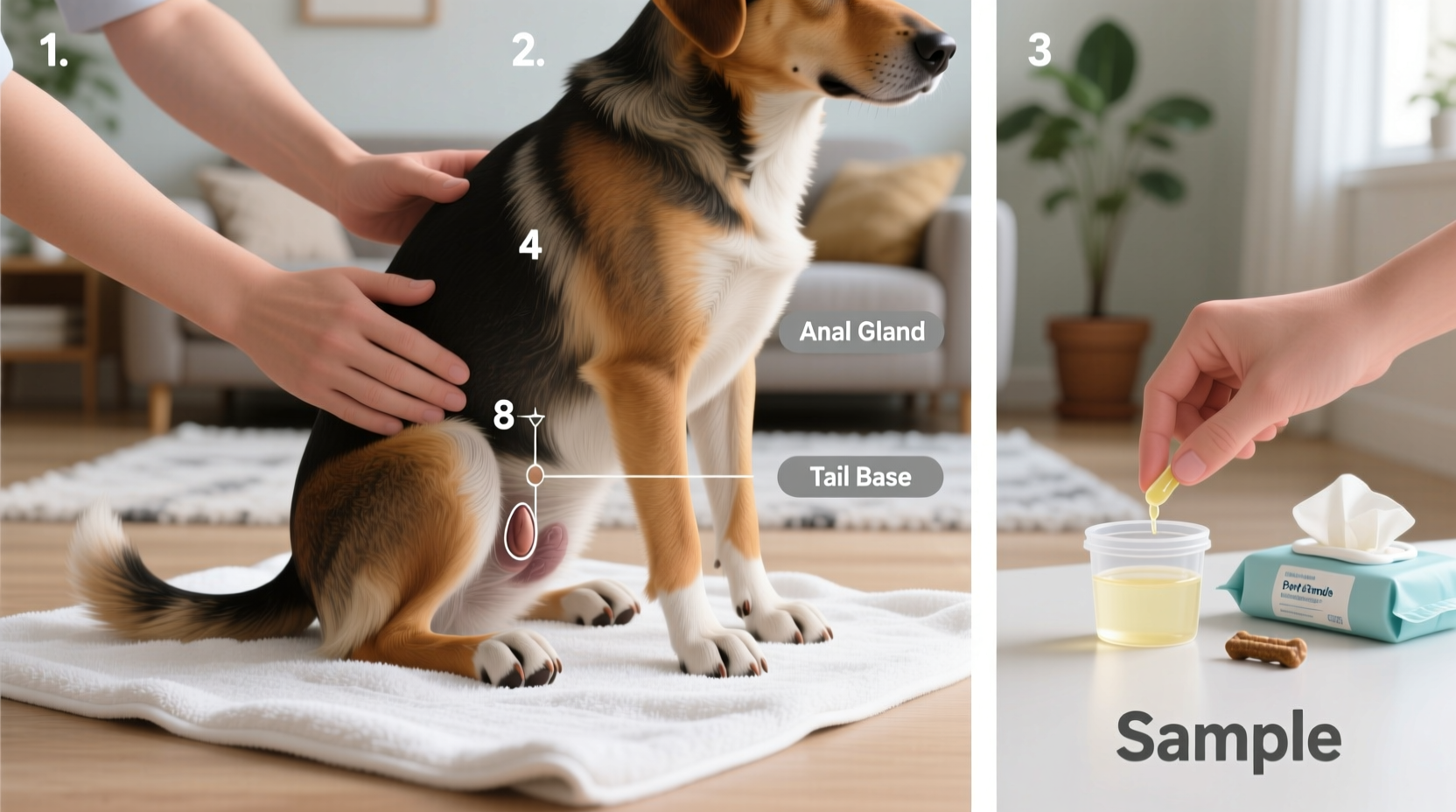
Dog anal glands, also known as anal sacs, are two small pouches located at approximately the 4 and 8 o’clock positions around the anus. They secrete a thick, oily substance with a strong odor unique to each dog. Normally, this fluid is expelled when stool passes through the rectum, applying pressure to the glands. However, in dogs with soft stools, poor muscle tone, or narrow ducts, the glands may not fully empty. Over time, this leads to discomfort, scooting, licking, or even swelling.
Chronic issues can result in impaction (hardened secretions), infection (pus-filled glands), or rupture (draining abscess). Recognizing early signs—such as frequent butt dragging, excessive licking under the tail, or a pungent fishy odor—is crucial. If your dog shows signs of pain, swelling, or bleeding, skip home treatment and consult a veterinarian immediately.
When Is Home Expression Appropriate?
Home expression should only be attempted if:
- Your dog has a history of recurring full glands without infection.
- A veterinarian has previously demonstrated the technique.
- There are no signs of redness, swelling, pus, or open sores.
- Your dog is calm and cooperative.
It is not a substitute for professional medical care. If in doubt, always defer to a vet. Repeated improper expression can irritate tissue or cause trauma to the ducts.
“Owners who understand basic anal gland care can significantly reduce emergency visits, but technique matters. Gentle pressure and correct positioning prevent injury.” — Dr. Laura Simmons, DVM, Small Animal Specialist
Step-by-Step Guide to Safe At-Home Expression
Follow this method carefully. Rushing or using excessive force can lead to pain or damage.
- Prepare Your Supplies: Have on hand latex or nitrile gloves, paper towels, a disinfectant wipe, and treats. Choose a washable surface like a bathtub or outdoor area.
- Restrain Your Dog Calmly: Position your dog standing or slightly elevated. An assistant helps hold the dog gently but firmly. Use verbal praise to keep them relaxed.
- Locate the Glands: Put on gloves. The glands sit just inside the anus at 4 and 8 o’clock. You may feel small pea-sized nodules beneath the skin when swollen.
- Apply Gentle Pressure: Using your thumb and forefinger, place one finger on each side of the anus, just outside the gland locations. Squeeze inward and upward slowly—do not press toward the center. The goal is to compress the gland against the anal wall.
- Catch the Secretion: As pressure is applied, a brownish, oily fluid should emerge. It often has a strong, fish-like smell. Use a paper towel to collect it immediately.
- Repeat if Necessary: Express both sides. One may release more than the other. Do not force expression if nothing comes out after gentle effort.
- Clean and Reward: Wipe the area with a damp cloth or pet-safe wipe. Offer high-value treats and praise to create a positive association.
Do’s and Don’ts: Best Practices Table
| Do’s | Don’ts |
|---|---|
| Wear gloves to protect your hands and maintain hygiene | Use bare hands—secretions are smelly and can carry bacteria |
| Express only when signs indicate full glands | Routinely express “just in case”—this can cause dependency |
| Use gentle, controlled pressure | Squeeze too hard or repeatedly—can damage tissue |
| Clean the area afterward | Leave residue—can attract flies or cause irritation |
| Consult a vet if expression fails or causes discomfort | Ignore signs of infection like swelling or blood |
Real-Life Example: Managing Recurring Issues in a Miniature Poodle
Milo, a 5-year-old Miniature Poodle, began scooting across the living room carpet every few weeks. His owner, Sarah, initially dismissed it as an itch, but after a vet visit, she learned Milo had chronically full anal glands. The vet expressed them and showed Sarah how to check for firmness near the anus. With guidance, she began monitoring Milo monthly. After two demonstrations, she felt confident trying at home.
Using the internal method (fingers inside the anus), she gently compressed each gland. The first attempt yielded minimal fluid, but by the third month, she successfully expressed both sides with clear improvement in Milo’s behavior. She now checks every 4–6 weeks and only intervenes when needed. Regular high-fiber treats have also helped firm his stools, reducing frequency. Sarah credits early education and patience for turning a stressful issue into manageable routine care.
Prevention and Long-Term Care Strategies
While expression relieves immediate discomfort, long-term solutions reduce recurrence:
- Diet Adjustments: Increase fiber with pumpkin, psyllium, or specialized dog foods. Firm stools apply natural pressure during bowel movements.
- Weight Management: Overweight dogs have reduced muscle tone, impairing natural expression.
- Regular Exercise: Promotes healthy digestion and consistent bowel movements.
- Veterinary Monitoring: Schedule check-ups if your dog requires frequent expression (more than once a month).
Frequently Asked Questions
How often should I express my dog’s anal glands at home?
Only when symptoms appear—typically every 3 to 8 weeks for prone dogs. Over-expression can lead to inflammation or weaken the muscles responsible for natural release. Let your dog’s behavior guide you, not a calendar.
What if nothing comes out when I try?
If no fluid releases despite gentle pressure, the glands may be impacted or the ducts blocked. Stop immediately. Forcing can cause injury. Contact your veterinarian for evaluation and professional expression.
Is there a difference between internal and external expression?
Yes. External expression involves squeezing from outside the anus and is less effective but safer for beginners. Internal expression—inserting a gloved finger into the anus to press the gland from inside—is more thorough but requires greater care to avoid tearing. Vets typically use the internal method. Beginners should start externally or under professional supervision.
Essential Checklist Before You Begin
At-Home Anal Gland Expression Checklist:- ☑ Gloves and paper towels ready
- ☑ Dog is calm and restrained
- ☑ No signs of swelling, redness, or discharge
- ☑ Previous vet approval or demonstration received
- ☑ Treats available for positive reinforcement
- ☑ Clean area prepared for potential mess
- ☑ Know when to stop and call a vet
Conclusion: Responsible Care Builds Trust and Comfort
Safely expressing your dog’s anal glands at home is a skill that combines knowledge, timing, and gentleness. When done correctly, it prevents discomfort and avoids costly vet visits. But it’s not a task to take lightly. Respect your dog’s limits, prioritize hygiene, and never push beyond what feels right. Most importantly, use this practice as part of a broader wellness strategy—including diet, exercise, and regular check-ins with your veterinarian.
💬 Have experience with at-home anal gland care? Share your tips or questions below to help fellow pet owners provide better care with confidence.








