
The global pet care market is booming, with pet accessories alone projected to exceed $30 billion in annual revenue. As demand grows, entrepreneurs and retailers are turning to direct shipping models to reduce overhead, streamline logistics, and improve margins. But sourcing directly from manufacturers comes with risks: inconsistent quality, communication breakdowns, shipping delays, and even fraud. Navigating this landscape requires more than just a quick Google search. It demands strategy, due diligence, and a clear understanding of what makes a supplier truly reliable.
Why Direct Shipping Matters for Pet Accessory Businesses
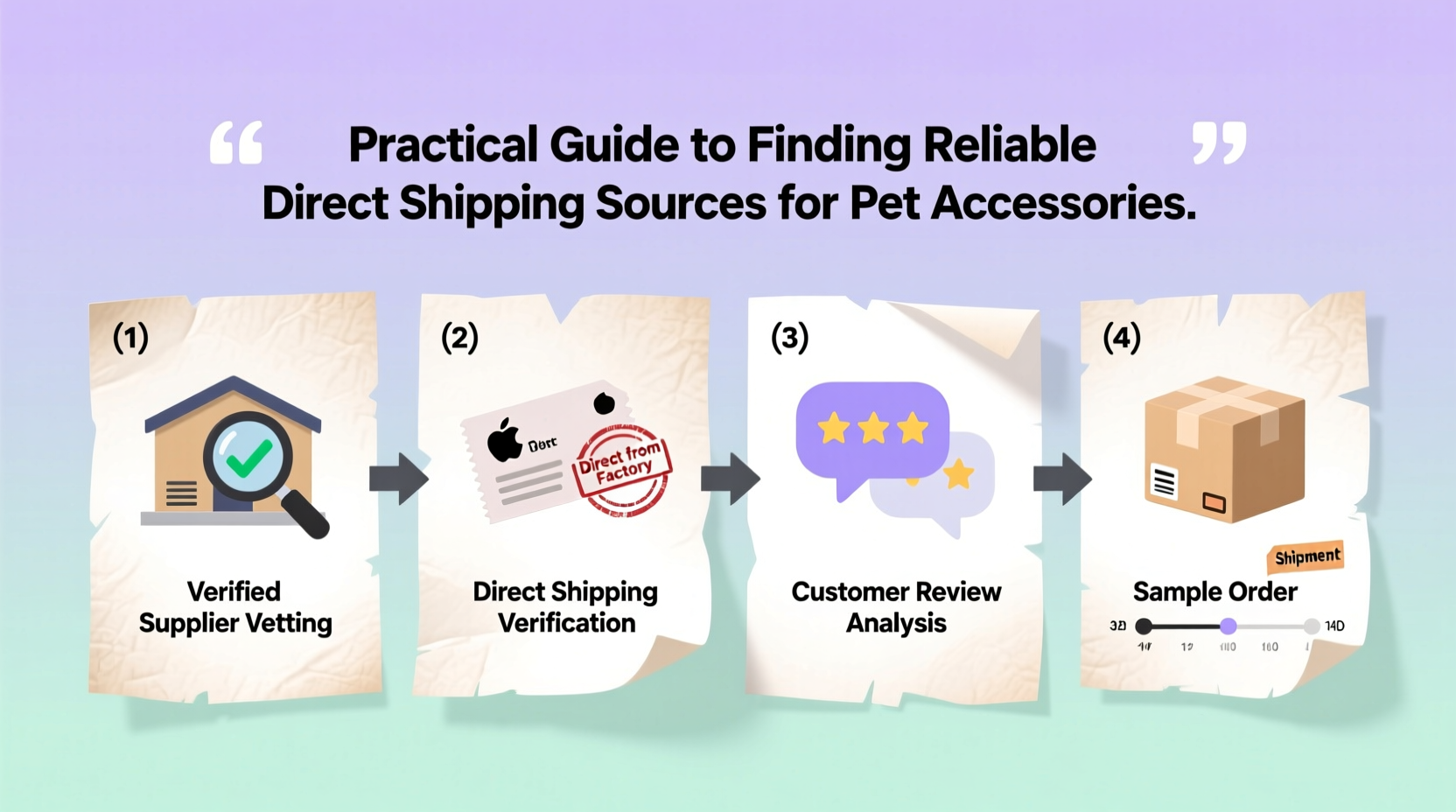
Direct shipping—also known as dropshipping or manufacturer-direct fulfillment—eliminates middlemen by connecting you straight to the source. Whether you're running an e-commerce store, a subscription box service, or a niche boutique, cutting out distributors can lower per-unit costs by 20–40%. You also gain greater control over branding, packaging, and inventory flow.
However, not all suppliers deliver on their promises. A 2023 industry survey revealed that 68% of new pet product sellers experienced at least one shipment delay or quality mismatch within their first six months of working with overseas manufacturers. The difference between success and costly setbacks often lies in how carefully the supplier was vetted.
Step-by-Step: How to Identify and Verify Trustworthy Suppliers
Finding a dependable partner isn’t about luck—it’s a process. Follow these steps to minimize risk and build long-term supply chain stability.
- Define Your Product Requirements: Before contacting any supplier, know exactly what you need. Include material specifications (e.g., non-toxic silicone for chew toys), size variations, color options, MOQs (Minimum Order Quantities), and compliance standards (like FDA or CPSIA).
- Use Verified Sourcing Platforms: Stick to reputable B2B marketplaces such as Alibaba (with Trade Assurance), Global Sources, or ThomasNet for U.S.-based manufacturers. Avoid random websites with no verifiable business history.
- Check Supplier Credentials: Look for Gold Suppliers on Alibaba, ISO certifications, business licenses, and years in operation. A company with five or more years of verified activity is statistically less likely to disappear after payment.
- Request Samples Before Bulk Orders: Never skip this step. Pay for a sample shipment to evaluate material quality, craftsmanship, and packaging. Factor in shipping time and cost when assessing responsiveness.
- Conduct a Video Audit: Ask for a live video tour of the factory floor. This helps confirm the facility exists and operates professionally. Reputable suppliers will accommodate this request without hesitation.
- Negotiate Payment Terms: Opt for secure methods like PayPal, Escrow, or Letters of Credit. Avoid full upfront payments unless you’ve established trust through multiple transactions.
- Test Communication Responsiveness: Gauge how quickly they reply, whether they understand your requirements, and if they proactively suggest improvements. Language barriers are common, but clarity and professionalism should still be present.
Red Flags and Green Flags: What to Watch For
Not every supplier who looks good on paper delivers reliably. Use this comparison table to spot warning signs early.
| Red Flags | Green Flags |
|---|---|
| Unwillingness to provide references or customer testimonials | Provides contactable client references or case studies |
| No physical address or unverifiable factory location | Clear address, Google Street View available, factory videos provided |
| Demanding full payment before production begins | Offers 30% deposit, 70% upon shipment (standard practice) |
| Poor English with frequent miscommunication | Uses professional translators or bilingual staff |
| Extremely low prices compared to market average | Pricing aligns with material and labor costs |
“Many startups fail not because of poor products, but because they partnered with unreliable suppliers who couldn’t scale with demand.” — Lena Rodriguez, Supply Chain Consultant, PetGoods Advisors
Real Example: From Failure to Stable Sourcing
Jamie Chen launched an online store selling eco-friendly dog collars made from recycled ocean plastic. Her first supplier, found via a generic Alibaba listing, delivered collars with frayed stitching and incorrect dyes. After losing $4,000 in inventory and negative reviews, she paused operations for two months.
She then applied a structured sourcing checklist: verified the next supplier’s business license, requested third-party inspection reports, and ordered three rounds of samples. Though initial costs were higher, the second supplier delivered consistent quality, offered custom branding, and scaled production when her TikTok ad went viral. Within nine months, her monthly revenue grew from $3,000 to over $42,000.
The turnaround wasn’t due to luck—it came from disciplined vetting.
Essential Checklist for Onboarding a New Supplier
Before placing your first order, complete this checklist to protect your business:
- ✅ Confirm legal business registration and tax ID
- ✅ Review at least three recent customer references
- ✅ Request and inspect a physical product sample
- ✅ Verify compliance with pet safety regulations (e.g., lead-free, BPA-free)
- ✅ Agree on clear lead times and shipping terms (FOB, EXW, etc.)
- ✅ Set up a trial order (under MOQ if possible)
- ✅ Document all agreements in writing, including penalties for late delivery
- ✅ Arrange for third-party quality inspection (optional but recommended for large orders)
Top Direct Shipping Models Compared
Different sourcing strategies suit different business stages. Here’s a breakdown of the most common approaches.
| Model | Best For | Pros | Cons |
|---|---|---|---|
| Alibaba Dropshipping | New sellers testing product ideas | Low startup cost, wide variety | Long shipping times, limited customization |
| Private Label Manufacturing | Brands building identity | Custom branding, better margins | Higher MOQs, longer setup time |
| U.S.-Based Print-on-Demand | Fast delivery, small batches | Quick turnaround, easy returns | Higher per-unit cost, fewer product types |
| OEM/ODM Partnerships | Scaling businesses with R&D needs | Full design collaboration, bulk discounts | Requires legal contracts, longer development cycle |
Frequently Asked Questions
How do I verify a supplier’s authenticity?
Use tools like Alibaba’s Trade Assurance, check their business license through government registries (e.g., China’s SAIC database), and hire a third-party inspector like SGS or QIMA to validate factory conditions.
What’s a reasonable MOQ for pet accessories?
It varies by product type. Collars and leashes may have MOQs of 100–500 units, while custom toys or feeders could require 1,000+ units. Negotiate lower MOQs by offering higher per-unit pricing or committing to future volume.
Can I ship directly to customers from the manufacturer?
Yes—this is the core of direct shipping. Most suppliers support blind dropshipping (no branding) or custom packaging for an additional fee. Ensure they can handle international customs documentation if you’re selling globally.
Final Thoughts: Build Relationships, Not Just Orders
Finding a reliable direct shipping source isn’t a one-time task—it’s the foundation of a scalable pet accessory business. The most successful brands don’t just find suppliers; they build partnerships. Regular communication, fair payment practices, and mutual growth goals turn transactional relationships into long-term alliances.
Start small, validate thoroughly, and document everything. Over time, your network of trusted manufacturers will become one of your most valuable assets. In an industry where pet owners increasingly demand quality, safety, and sustainability, your supply chain isn’t just logistical—it’s a reflection of your brand’s values.
🚀 Ready to find your first reliable supplier? Begin today by requesting three product samples from verified vendors—and take the first step toward a leaner, more profitable business.








