
Benadryl (diphenhydramine) is a common over-the-counter antihistamine used by many dog owners to manage allergies, insect bites, motion sickness, and mild anxiety in pets. While it can be effective and safe when used correctly, improper dosing or misuse can lead to serious health risks. Understanding the correct dosage, recognizing when it’s appropriate to use, and knowing the potential side effects are essential for responsible pet care.
This guide provides comprehensive, vet-informed information on how to safely administer Benadryl to your dog, including practical dosing guidelines, real-world scenarios, and key precautions every pet owner should know.
Understanding Benadryl and Its Uses in Dogs
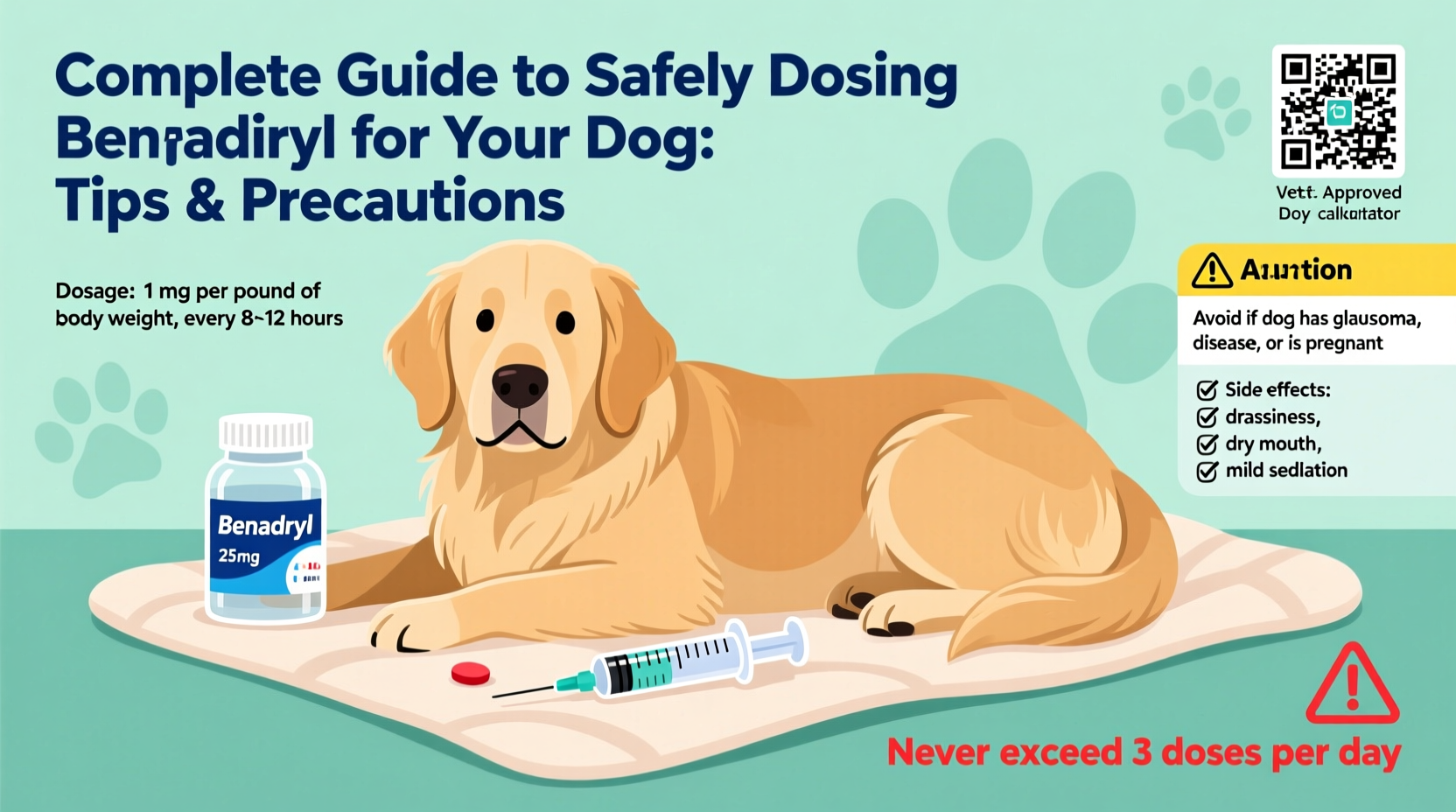
Diphenhydramine works by blocking histamine receptors, which helps reduce allergic reactions such as swelling, itching, and hives. Veterinarians may recommend Benadryl for conditions like:
- Skin allergies (e.g., from pollen, food, or insect stings)
- Vaccine-related swelling
- Mild cases of snake or insect bites (as first aid before veterinary care)
- Anxiety during travel or loud events like fireworks
- Nausea associated with motion sickness
It’s important to note that while Benadryl can relieve symptoms, it does not treat underlying medical conditions. Chronic itching or recurring allergic reactions require veterinary diagnosis and long-term management strategies.
Tip: Always confirm with your veterinarian before giving Benadryl, especially if your dog has pre-existing conditions like glaucoma, heart disease, or prostate issues.Correct Dosage Guidelines by Weight
The standard dosage for Benadryl in dogs is 1 mg per pound of body weight, administered 2–3 times daily, spaced about 8–12 hours apart. However, this is a general guideline—individual needs vary based on health status and sensitivity.
The following table summarizes safe dosage ranges based on common dog weights:
| Dog Weight (lbs) | Recommended Dose (mg) | Tablet Forms (Common OTC Sizes) |
|---|---|---|
| 5–10 | 5–10 mg | Half to one 10mg tablet (scored tablets preferred) |
| 11–20 | 10–20 mg | One to two 10mg tablets |
| 21–30 | 20–30 mg | Two to three 10mg tablets |
| 31–50 | 30–50 mg | Three to five 10mg tablets |
| 51–100 | 50–100 mg | Five to ten 10mg tablets |
For example, a 25-pound dog would typically receive 25 mg of diphenhydramine, which could mean two and a half 10mg tablets. Always round down if unsure and never exceed the upper limit without veterinary approval.
“While Benadryl is available over the counter, it’s not universally safe for all dogs. Breeds with brachycephalic anatomy, like Bulldogs or Pugs, may be more sensitive to sedative effects.” — Dr. Laura Thompson, DVM, Canine Pharmacology Specialist
Step-by-Step Guide to Administering Benadryl Safely
Follow these steps to ensure safe and effective administration:
- Weigh your dog accurately – Use a home scale or visit your vet to get an up-to-date weight.
- Check the active ingredient – Only use products containing 100% diphenhydramine. Avoid combination medications with acetaminophen, pseudoephedrine, or alcohol, which are toxic to dogs.
- Calculate the dose – Multiply your dog’s weight in pounds by 1 mg. Round conservatively if between doses.
- Choose the right form – Tablets are most reliable. Liquid forms may contain xylitol (deadly to dogs), so avoid unless specifically formulated for pets.
- Administer properly – Hide the pill in a treat, use a pill popper, or mix with a small amount of soft food. Ensure the dog swallows it completely.
- Monitor for side effects – Observe your dog for at least 4–6 hours after the first dose.
- Repeat only as needed – Do not exceed three doses in 24 hours without consulting a veterinarian.
Potential Side Effects and When to Stop Use
While many dogs tolerate Benadryl well, side effects can occur. Common reactions include:
- Drowsiness or lethargy
- Increased heart rate
- Agitation or hyperactivity (especially in some small breeds)
- Dry mouth
- Urinary retention
- Vomiting or diarrhea
If your dog exhibits signs of an overdose—such as seizures, rapid breathing, extreme agitation, or collapse—seek emergency veterinary care immediately.
Discontinue use and contact your vet if:
- The condition worsens or doesn’t improve within 24–48 hours
- Your dog shows severe drowsiness or difficulty walking
- You notice unusual behavior such as panting, restlessness, or disorientation
Real-World Example: Treating a Bee Sting Reaction
Maggie, a 35-pound Border Collie, was playing in the yard when she suddenly started pawing at her nose and whining. Her owner noticed localized swelling around the muzzle—likely from a bee sting. After removing the stinger with a credit card scrape, she consulted her vet via telehealth, who approved a single dose of Benadryl.
Using the 1 mg per pound rule, Maggie received 35 mg—three and a half 10mg tablets—mixed into a spoonful of peanut butter (xylitol-free). Within 90 minutes, the swelling began to subside, and Maggie returned to normal activity. The owner monitored her overnight and reported no adverse effects.
This case illustrates proper first-response use: immediate action, accurate dosing, professional consultation, and close observation. It also highlights the importance of using Benadryl as a temporary measure—not a substitute for veterinary evaluation.
Important Precautions and Checklist
Before giving Benadryl, run through this checklist to ensure safety:
Precaution Checklist:- ✅ Confirm the product contains ONLY diphenhydramine
- ✅ Know your dog’s current weight
- ✅ Consult your vet if your dog is pregnant, nursing, or on other medications
- ✅ Avoid use in dogs with glaucoma, high blood pressure, or seizure disorders
- ✅ Never give extended-release, liquid cold formulas, or multi-symptom pills
- ✅ Have your emergency vet’s number accessible
Frequently Asked Questions
Can I give my dog children’s Benadryl?
Only if it contains pure diphenhydramine and no added ingredients like alcohol or xylitol. Many liquid pediatric formulations contain sweeteners toxic to dogs, so they are generally not recommended. Stick to plain 10mg tablets when possible.
How long does Benadryl take to work in dogs?
Most dogs show effects within 30 to 60 minutes. Peak effectiveness occurs around 2–3 hours post-administration. Sedation may last 8–12 hours depending on metabolism.
Is Benadryl safe for long-term use?
No. Benadryl is intended for short-term, occasional use. Chronic allergy management should involve veterinary-prescribed treatments such as Apoquel, Cytopoint, or allergen-specific immunotherapy.
Final Thoughts and Responsible Pet Care
Benadryl can be a helpful tool in your pet care toolkit when used responsibly. However, it’s not a cure-all, and self-medicating without professional guidance carries risks. Every dog reacts differently, and what works for one may harm another.
The safest approach combines informed decision-making with open communication with your veterinarian. Keep an emergency kit ready, maintain accurate records, and never assume human-safe medications are automatically pet-safe.
💬 Have experience using Benadryl for your dog? Share your story or questions in the comments to help fellow pet owners make safer choices.








