
Cinnamon sticks are often relegated to the back of the spice drawer, pulled out only during holiday baking or chai preparation. But these aromatic batons of bark offer far more utility than their limited culinary appearances suggest. Beyond flavoring desserts and mulled wine, cinnamon sticks possess natural antimicrobial properties, potent fragrance, and versatile applications that span the kitchen, home, and even personal care. For home cooks, natural living enthusiasts, and sustainability-minded individuals, unlocking the full potential of this overlooked pantry staple can lead to smarter, safer, and more aromatic everyday practices.
The truth is, many people discard cinnamon sticks after a single use in simmer pots or stews, unaware they can be reused, repurposed, or transformed into powerful household allies. With rising interest in reducing waste and avoiding synthetic chemicals, rediscovering the multi-functional nature of whole spices like cinnamon becomes not just practical—but essential. This guide explores ten inventive, effective, and often surprising ways to use cinnamon sticks, grounded in science, tradition, and real-world experimentation.
Definition & Overview
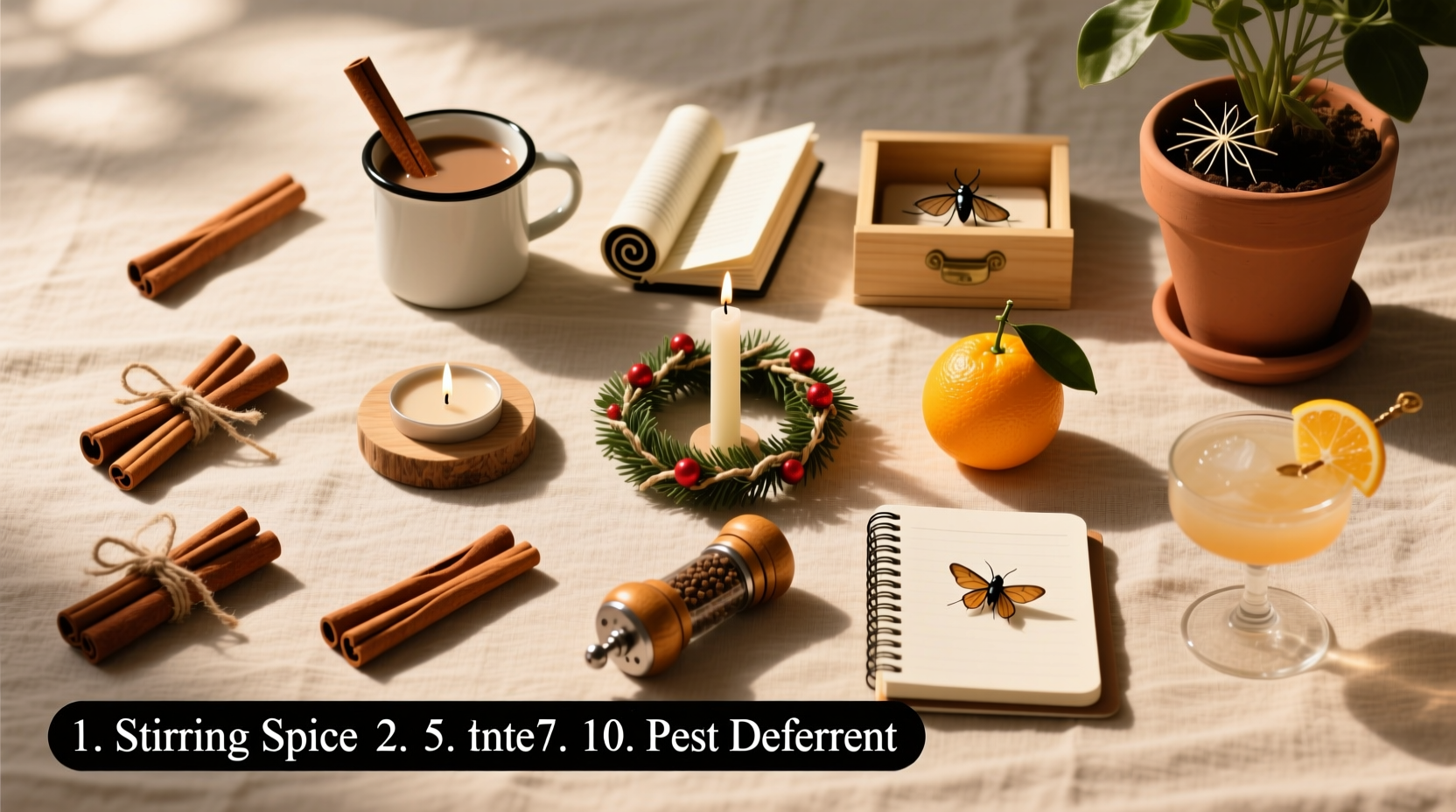
Cinnamon sticks are rolled layers of dried inner bark harvested from trees in the Cinnamomum genus. The two most common varieties are Ceylon cinnamon (Cinnamomum verum), known as “true cinnamon,” and Cassia cinnamon (Cinnamomum cassia), which is darker, thicker, and more commonly found in supermarkets. Both types form naturally into quills as the bark dries, creating the familiar stick shape.
Unlike ground cinnamon, which loses its volatile oils quickly, cinnamon sticks retain their potency for months due to their compact structure. Their slow-release aroma makes them ideal for infusion-based applications where sustained flavor or fragrance is desired. Historically, cinnamon was so prized it was considered more valuable than silver in ancient Rome. Today, it remains one of the most widely used spices globally, appreciated not only for its warmth and sweetness but also for its preservative qualities and health-supportive compounds, particularly cinnamaldehyde.
Key Characteristics
| Characteristic | Description |
|---|---|
| Flavor Profile | Warm, sweet, slightly peppery with woody undertones; Cassia is bolder and spicier, while Ceylon is delicate and citrusy. |
| Aroma | Intensely fragrant, evocative of baked goods, autumn, and spice markets; primarily due to cinnamaldehyde. |
| Form & Color | Hollow, brittle quills ranging from light tan (Ceylon) to deep reddish-brown (Cassia); typically 2–6 inches long. |
| Heat Level | Not spicy in the chili sense, but has mild pungency that warms the palate without burning. |
| Culinary Function | Used for infusion, garnish, slow-release flavoring, and aromatic base in both sweet and savory dishes. |
| Shelf Life | Up to 3–4 years when stored properly in a cool, dark place—significantly longer than ground cinnamon. |
| Active Compounds | Cinnamaldehyde (antimicrobial), eugenol (antiseptic), linalool (calming aroma). |
Practical Usage: 10 Clever Applications Beyond the Spice Rack
1. Natural Air Freshener Simmer Pot
Simmer pots are a chemical-free way to fill your home with inviting scents. Combine 2–3 cinnamon sticks with orange peels, cloves, and a splash of vanilla in a saucepan of water. Bring to a gentle simmer and let it bubble on low heat for hours. The steam releases essential oils into the air, creating an instant ambiance perfect for holidays or weekend gatherings. Reuse the same ingredients over multiple days by storing them in the fridge between uses.
TIP: Add a drop of lemon juice to prevent discoloration of pot surfaces and enhance citrus notes in the aroma blend.
2. Infused Drinking Water & Herbal Teas
Drop a cleaned cinnamon stick into a pitcher of cold water with cucumber or berries for a subtly spiced detox drink. In hot herbal teas, especially rooibos or chamomile, a broken piece adds depth and warmth without added sugar. Steep for at least 10 minutes to extract flavor. Ideal for those managing blood sugar, as cinnamon may support insulin sensitivity.
3. Cocktail & Syrup Infusion
Upgrade craft cocktails by infusing simple syrup with cinnamon sticks. Combine equal parts sugar and water with one stick per cup, heat until dissolved, then cool. Use in Old Fashioneds, Manhattans, or spiced margaritas. Alternatively, steep a stick directly in bourbon or rum for 3–7 days to create a richly flavored spirit base for winter cocktails.
4. Odor Neutralizer in Drawers & Closets
Place a whole cinnamon stick in linen closets, shoe cabinets, or kitchen drawers to passively neutralize musty or stale odors. Unlike synthetic air fresheners, it doesn’t mask smells—it inhibits bacterial growth responsible for odor. Replace every 4–6 weeks for maximum effect. For stronger impact, lightly crush the stick to release more oils.
5. DIY All-Purpose Cleaner
Leverage cinnamon’s natural antifungal and antibacterial properties by adding crushed sticks to vinegar-based cleaners. Soak 4–5 broken sticks in 2 cups of white vinegar for 2 weeks, strain, then mix with equal parts water. This solution works well on countertops, sinks, and cutting boards. Avoid using on porous stone like marble due to acidity.
“Cinnamon essential oil has demonstrated inhibitory effects against common foodborne pathogens like *E. coli* and *Salmonella*. While less concentrated, whole sticks still contribute measurable antimicrobial activity in household applications.” — Journal of Food Safety, 2021
6. Baking Aromatic Booster
When making cakes, breads, or custards, tie a cinnamon stick in cheesecloth and nestle it into the batter before baking. Remove before serving. This method imparts deeper aroma than ground cinnamon without altering texture. Especially effective in rice pudding, poached pears, or apple tarts.
7. Compost Deodorizer
Bury a few broken cinnamon sticks in your compost bin to suppress mold and reduce fruit fly attraction. Cinnamaldehyde disrupts fungal spores and deters insects naturally. Safer than chemical sprays and compatible with organic gardening principles.
8. Homemade Room Spray Base
Create a non-toxic room mist by combining cinnamon stick infusion with witch hazel and distilled water. Boil 3 sticks in 1 cup water for 20 minutes, cool, then mix with ½ cup witch hazel and 10 drops of orange essential oil. Pour into a spray bottle and shake before use. Lightly mist curtains or upholstery—never apply heavily to wood or painted surfaces.
9. Toothache Relief (Traditional Remedy)
In folk medicine, placing a small piece of chewed cinnamon stick on an affected gum area has been used to temporarily soothe toothaches. Eugenol, also found in clove oil, contributes mild analgesic and antiseptic action. While not a substitute for dental care, it offers a natural interim option. Do not use if allergic or on open wounds.
10. Garden Pest Deterrent
Crush cinnamon sticks and sprinkle around seedlings or plant bases to deter ants and slugs. The strong scent interferes with insect navigation, and cinnamaldehyde is toxic to certain pests at close range. Reapply after rain. Works best as part of an integrated pest management strategy alongside diatomaceous earth or companion planting.
PRO TIP: After using a cinnamon stick in cooking or simmering, dry it thoroughly and grind it into powder for later use in spice blends—zero waste achieved.
Variants & Types: Choosing the Right Stick
Understanding the differences between cinnamon types ensures optimal results across applications:
- Cassia Cinnamon (Cinnamomum cassia): Thick, single-layer quills with a robust, spicy-sweet flavor. Most common in North America. Best for strong infusions, meat rubs, and long-cooked dishes. Higher coumarin content—moderation advised for daily consumption.
- Ceylon Cinnamon (Cinnamomum verum): Thin, multi-layered \"rolls\" with a delicate, floral profile. Lower in coumarin, making it safer for regular intake. Ideal for dairy-based desserts, beverages, and sensitive palates.
- Indonesian & Vietnamese Cinnamon: Subtypes of Cassia; Vietnamese is especially high in cinnamaldehyde, offering intense heat and aroma. Excellent for extraction purposes like syrups or tinctures.
| Type | Best Used For | Lifespan (Optimal Potency) |
|---|---|---|
| Cassia | Simmer pots, stews, cocktail syrups, cleaning infusions | 2–3 years |
| Ceylon | Fragile applications: custards, whipped cream, tea, oral care | 3–4 years |
| Vietnamese | High-impact needs: disinfectant brews, spice blends, pickling brines | 2–3 years |
Comparison with Similar Ingredients
Cinnamon sticks are frequently confused with other bark-like spices. Knowing the distinctions prevents misuse:
- Cinnamon vs. Cassia: Often used interchangeably, but true cinnamon (Ceylon) is milder and layered, whereas cassia is harder, thicker, and more common. Check labels—many products labeled “cinnamon” are actually cassia.
- Cinnamon vs. Star Anise: Both used in pho and chai, but star anise has a pronounced licorice flavor. They complement each other but are not substitutes.
- Cinnamon vs. Allspice Berries: Allspice tastes like a blend of cinnamon, nutmeg, and cloves but comes from a different plant (Pimenta dioica). Not visually similar, but sometimes mistaken in flavor profiles.
Practical Tips & FAQs
How do I store cinnamon sticks long-term?
Keep in an airtight glass jar away from heat, light, and moisture. A pantry cupboard is ideal. Proper storage preserves volatile oils and prevents brittleness.
Can I reuse cinnamon sticks?
Yes. After simmering or poaching, rinse, dry completely, and reuse once more for lighter applications like tea or water infusion. Discard if moldy, discolored, or overly soft.
Are cinnamon sticks safe for pets?
No. While small amounts in cooked food may be tolerable, essential oils in concentrated forms (like simmer pots) can be toxic to cats and dogs. Keep infused waters and cleaners out of reach.
What’s the difference between using sticks vs. ground cinnamon?
Sticks offer controlled, gradual flavor release and are easier to remove. Ground cinnamon disperses instantly but can become bitter if overheated or used excessively. Sticks are superior for infusion; ground is better for baking and blending.
Is there a risk in consuming too much cinnamon?
Cassia cinnamon contains coumarin, which in large doses may affect liver function. The European Food Safety Authority recommends no more than 0.1 mg/kg body weight per day. Ceylon cinnamon is a safer choice for daily use.
Can I grow my own cinnamon stick source?
In tropical climates (zones 9–11), you can grow a dwarf Cinnamomum verum tree indoors or in a greenhouse. Harvest mature branches, peel the outer bark, and allow inner bark to curl naturally. Requires patience—trees take 2+ years to yield usable bark.
Summary & Key Takeaways
Cinnamon sticks are vastly underutilized in modern households. Far from being single-purpose baking tools, they serve as natural deodorizers, antimicrobial agents, flavor infusers, and eco-friendly alternatives to synthetic products. Their longevity, safety, and versatility make them indispensable for anyone pursuing a holistic, sustainable lifestyle.
The ten uses outlined here—from simmer pots and infused spirits to garden protectants and DIY cleaners—demonstrate that value extends well beyond taste. By choosing the right type of cinnamon for each task and understanding proper handling and limitations, users can maximize benefits while minimizing risks.
Next time you reach for a cinnamon stick, consider its full potential. Whether enhancing a cocktail, freshening a closet, or supporting plant health, this humble spice delivers outsized returns on investment—with zero waste and maximum impact.
Call to Action: Audit your spice cabinet this week. Test one new application from this list—start with a simmer pot or infused water—and observe how a single stick transforms your environment and routine.









