In homes where sensory play and early education are prioritized, toys like the World Figurine bitter gourd model have gained popularity among parents and educators. Marketed as realistic replicas designed for tactile learning, these miniature vegetable toys promise a safe, clean alternative to handling actual produce. But when compared to the real bitter gourd—its texture, smell, and natural variability—does the toy truly offer superior benefits for children’s development? The answer depends on context: age, developmental goals, and safety considerations all play critical roles.
While real bitter gourd introduces children to authentic sensory experiences and nutrition education, the World Figurine version offers consistency, durability, and hygiene. This article breaks down both options, evaluates their educational value, and helps caregivers make informed decisions about which is more appropriate—and when.
Educational Value: Learning Through Real vs. Replica
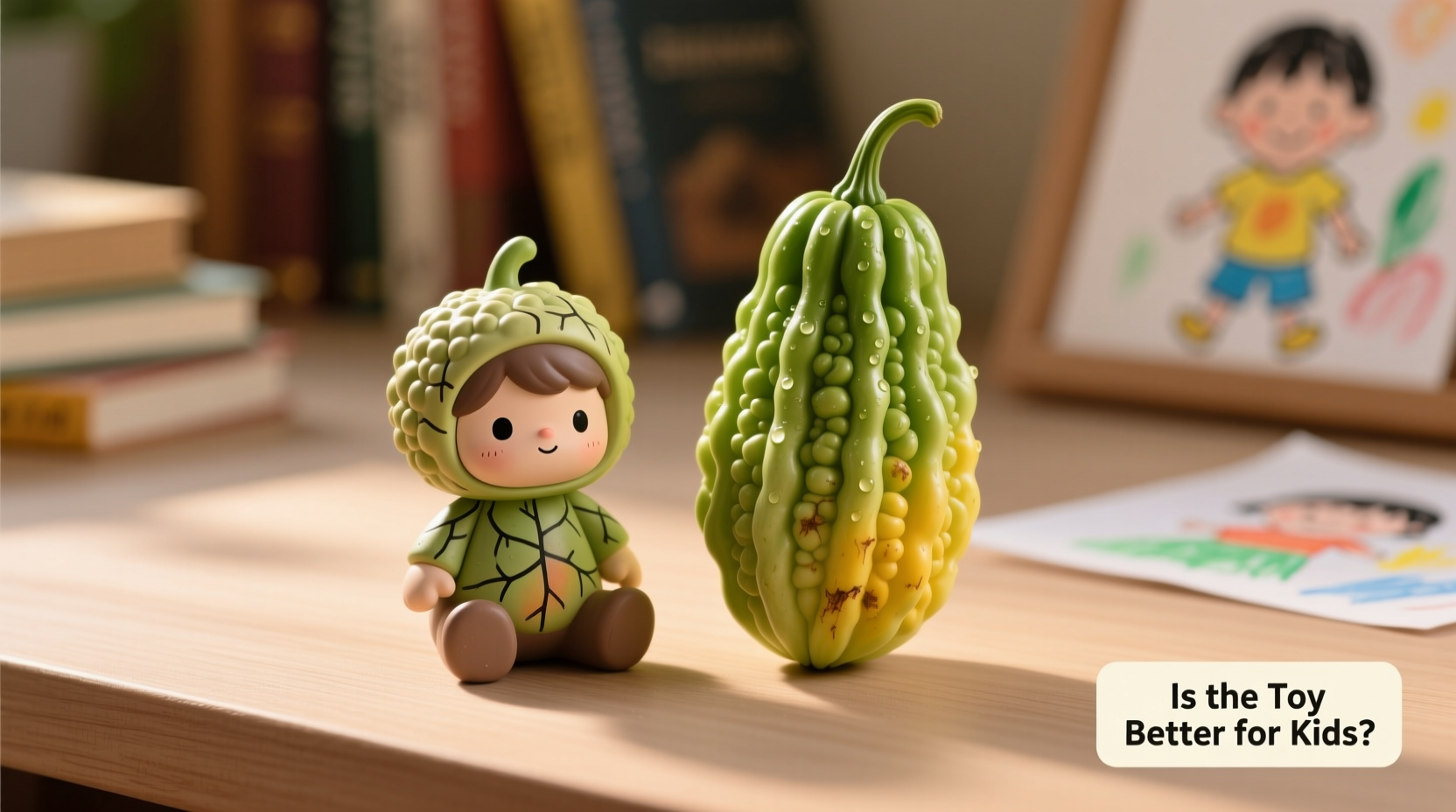
Children learn best through multisensory engagement. Touching, smelling, and even tasting real vegetables like bitter gourd activates neural pathways that support cognitive development. A real bitter gourd provides irregular ridges, a firm yet yielding texture, a distinct earthy aroma, and a visual gradient from green to yellow as it ripens. These variables help young minds form rich, nuanced associations with food and nature.
In contrast, the World Figurine bitter gourd is crafted from durable, non-toxic PVC or similar materials. It mimics the shape and color of the real vegetable but lacks organic variability. While it may be painted with fine detail, its surface remains uniformly smooth and odorless. For structured classroom settings or children with sensory sensitivities, this predictability can be beneficial.
“Replica foods serve as excellent entry points for children who are overwhelmed by real textures. They bridge the gap between abstract learning and hands-on experience.” — Dr. Lena Torres, Early Childhood Development Specialist
The figurine excels in labeling exercises, sorting games, and pretend play kitchens. However, it cannot replicate the biological lesson of seed dispersal, decomposition, or taste exploration. When used alone, it risks oversimplifying the complexity of real-world food systems.
Safety and Hygiene: Why the Toy Might Win at Home
Real bitter gourd, while nutritious, presents practical challenges in a child-centered environment. Its waxy skin may retain pesticide residues unless thoroughly washed. Once cut, it oxidizes quickly and can harbor bacteria if left out. Young children often mouth objects, increasing the risk of ingesting contaminated pieces or choking on seeds.
The World Figurine product eliminates these concerns. Made from phthalate-free, BPA-free plastic, it is easy to sanitize with soap and water. Its solid construction prevents breakage into small parts, meeting ASTM F963 and CPSIA safety standards. For toddlers still exploring the world orally, the toy offers a safer tactile alternative.
Tip: If using real bitter gourd with kids, choose organic produce, wash thoroughly, and supervise closely during handling.Comparative Overview: Real vs. Figurine Bitter Gourd
| Feature | World Figurine Bitter Gourd | Real Bitter Gourd |
|---|---|---|
| Material | PVC or ABS plastic | Natural vegetable (Momordica charantia) |
| Tactile Feedback | Smooth, consistent | Bumpy, variable, slightly sticky when cut |
| Scent | None | Earthy, slightly bitter |
| Lifespan | Years (with care) | Days to weeks (perishable) |
| Cleaning | Dishwasher-safe or wipeable | Requires washing; not reusable once cut |
| Edible? | No | Yes (when cooked) |
| Educational Scope | Limited to shape, color, role-play | Biology, nutrition, cooking, sustainability |
When to Use Each: A Practical Guide for Parents and Educators
The choice between figurine and real bitter gourd isn’t binary. Both have roles depending on the child’s age, setting, and learning objectives. Here’s a step-by-step approach to integrating them effectively:
- Ages 1–3: Start with the World Figurine. At this stage, mouthing objects is common. The toy allows safe exploration of shape and color without ingestion risks.
- Ages 4–5: Introduce real bitter gourd under supervision. Let children compare it side-by-side with the figurine. Ask questions: “Which one feels bumpier?” “Which has a smell?”
- Ages 6+: Incorporate both into science and nutrition lessons. Cut open the real vegetable to examine seeds, discuss bitterness and health benefits, then use the figurine in a pretend grocery game.
- Sensory-Sensitive Children: Use the figurine as a baseline. Gradually introduce real textures via gloves or tools (e.g., letting them stir bitter gourd in soup without direct touch).
- Classroom Rotation: Keep figurines for daily play; reserve real vegetables for special “food weeks” with parental consent and hygiene protocols.
Mini Case Study: The Montessori Classroom Experiment
In a mixed-age Montessori preschool in Portland, teachers introduced a two-week unit on vegetables. One group used only replica foods, including the World Figurine bitter gourd, for sorting and naming activities. Another group handled real bitter gourds—washing, cutting (with child-safe knives), and tasting (lightly sautéed).
Post-unit assessments revealed that children in the real-food group demonstrated deeper vocabulary retention (“ridged,” “seedy,” “bitter”) and greater curiosity about trying other vegetables at home. However, the replica group showed higher engagement during independent play and fewer behavioral disruptions related to sensory aversion.
The school now uses a hybrid model: replicas for morning centers, real produce for Friday “taste and touch” sessions. This balanced approach supports inclusivity while maximizing experiential learning.
Checklist: Choosing the Right Option for Your Child
- ✅ Is your child still mouthing objects? → Choose the figurine.
- ✅ Are you teaching biology or nutrition? → Include the real vegetable.
- ✅ Do you need a long-lasting, reusable tool? → Figurine wins.
- ✅ Is sensory integration a goal? → Prioritize real textures with supervision.
- ✅ Are multiple children sharing materials? → Sanitizable figurines reduce germ spread.
- ✅ Want to connect food to culture or cooking? → Use real bitter gourd in a recipe activity.
Frequently Asked Questions
Can the World Figurine bitter gourd be used in cooking play?
Absolutely. Its realistic size and color make it ideal for pretend kitchens, grocery games, and restaurant role-play. Many early learning centers use these figurines in dramatic play areas to encourage language development and social interaction.
Is real bitter gourd safe for young kids to taste?
Yes, in moderation and when cooked. Raw bitter gourd can be too intense for young palates and may cause digestive discomfort in large amounts. Lightly sautéed or stir-fried with other vegetables, it becomes palatable and nutritious, offering vitamins A and C, fiber, and antioxidants.
Does playing with toy vegetables replace real food exposure?
No. While figurines support cognitive and imaginative growth, they do not substitute for actual food experiences. Repeated positive interactions with real fruits and vegetables are linked to healthier eating habits later in life. Toys should complement—not replace—real-world exposure.
Conclusion: Balance Beats Either/Or Thinking
The World Figurine bitter gourd is not inherently “better” than the real thing—it’s different. Its strengths lie in safety, reusability, and consistency, making it ideal for certain developmental stages and environments. The real bitter gourd, meanwhile, offers irreplaceable sensory and nutritional lessons that no toy can fully mimic.
The most effective approach is intentional combination. Use the figurine to build familiarity, reduce anxiety, and enable repeat play. Then, gradually introduce the real vegetable to deepen understanding and foster a genuine connection to food. By thoughtfully integrating both, caregivers and educators create richer, more inclusive learning experiences.
🚀 Ready to enhance your child’s sensory learning? Try pairing the World Figurine bitter gourd with a simple kitchen activity this week—wash a real one together, compare textures, and talk about where food comes from. Small moments build lifelong awareness.