
Free mobile games dominate app store charts. From puzzle challenges to endless runners, millions of users download them daily—without paying a cent. But there’s a catch: ads. Pop-ups before levels, video commercials after losing, banners across menus. For many players, these interruptions feel excessive, even manipulative. Yet developers argue that without ads, free games wouldn’t exist. So where’s the line? Are mobile game ads an unavoidable trade-off or have they crossed into exploitation?
The reality lies somewhere in the middle. Ads sustain the ecosystem of free-to-play (F2P) gaming, but poor implementation can alienate users, damage brand reputation, and ultimately reduce long-term profitability. Understanding both sides—user frustration and developer necessity—is key to evaluating whether today’s ad models are sustainable.
The Business Model Behind Free Mobile Games
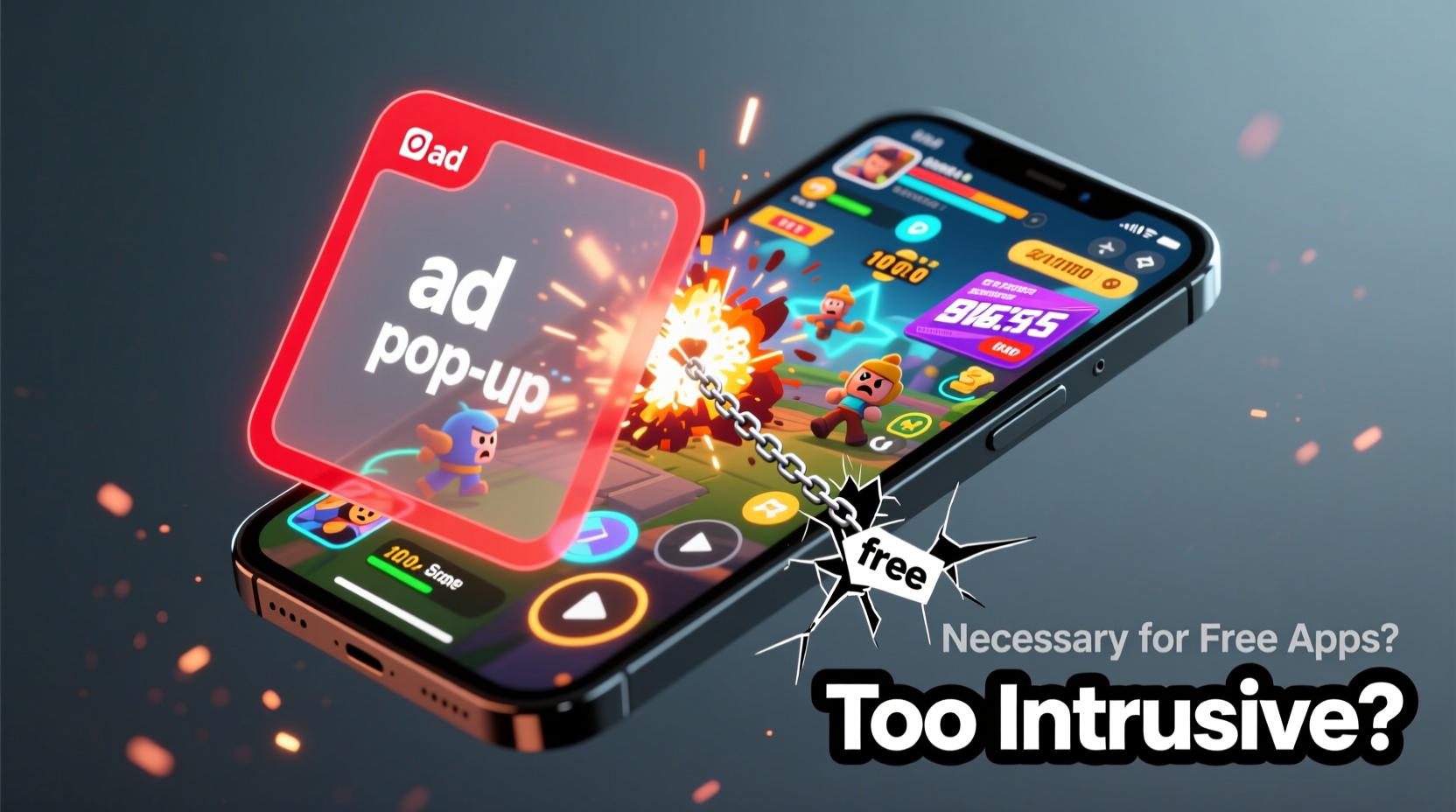
The majority of mobile games generate revenue through in-app advertising rather than direct purchases. This model allows developers—especially indie studios—to reach wide audiences without charging upfront fees. According to Statista, over 90% of mobile game revenue comes from either in-app ads or in-app purchases (IAPs), with ads playing a foundational role in early monetization.
For smaller developers, ads provide critical income during a game’s launch phase when few users make purchases. Ad networks like Google AdMob, Unity Ads, and AppLovin offer easy integration and automated bidding systems that pay per impression or click. These tools lower barriers to entry, enabling solo creators to publish polished titles without venture capital.
However, this accessibility creates pressure. To earn meaningful revenue, developers must maximize ad exposure. A typical mobile gamer might see five to ten ads per session in some hyper-casual titles. While each ad pays fractions of a cent, volume becomes essential. As one indie developer noted:
“Without ads, I couldn’t afford server costs, let alone update the game. It’s not greed—it’s survival.” — Marco Tan, Indie Game Developer, Pixel Rift Studios
User Experience: When Do Ads Become Too Much?
From a player’s perspective, the issue isn’t ads themselves—it’s how and when they appear. Interruptions at natural breakpoints, such as between levels, are generally accepted. Forced mid-gameplay videos, sudden full-screen pop-ups during intense moments, or unskippable ads after every loss erode enjoyment.
A 2023 survey by Sensor Tower found that 68% of mobile gamers cited “too many ads” as their top reason for uninstalling a free game. Another study by ironSource revealed that players tolerate up to three non-intrusive ads per session but become frustrated beyond that threshold, especially if rewarded options aren’t available.
Intrusiveness often correlates with design intent. Some games use psychological tactics—like placing reward buttons near close icons—to trick users into watching ads unintentionally. Others employ “ad fatigue loops,” where progress is artificially slowed to increase ad triggers. These practices may boost short-term revenue but harm trust and retention.
Tip: Look for games offering optional rewarded ads—these tend to respect user choice and improve overall satisfaction.Types of Mobile Game Ads: A Comparative Overview
Not all ads are created equal. The format, timing, and interactivity significantly impact user perception. Below is a breakdown of common ad types used in mobile games:
| Ad Type | User Experience Impact | Developer Revenue Potential | Best Use Case |
|---|---|---|---|
| Banner Ads | Low disruption; often ignored | Low CPM (~$0.50–$2) | Main menus, pause screens |
| Interstitial Ads | High disruption if forced | Moderate CPM (~$3–$8) | Between levels or after exit attempts |
| Rewarded Video Ads | Positive when optional | High CPM (~$10–$25) | Extra lives, power-ups, currency boosts |
| Playable Ads | Engaging but time-consuming | Very high engagement rates | Promoting other games |
| Native Ads | Seamless integration | Variable, depends on context | In-game billboards or UI elements |
The data shows a clear trend: users prefer voluntary interactions. Rewarded video ads consistently achieve higher completion rates and better player sentiment because they offer value exchange. In contrast, forced interstitials drive uninstalls despite decent payout rates.
Striking the Right Balance: Best Practices for Developers
Sustainable monetization doesn’t require sacrificing user experience. Leading game studios have demonstrated that ethical ad integration can coexist with profitability. Consider the approach taken by Rovio in *Angry Birds* or ZeptoLab in *Cut the Rope*, where rewarded ads enhance gameplay instead of obstructing it.
To maintain fairness and engagement, developers should follow these principles:
- Limit frequency: Cap the number of ads per session based on gameplay length.
- Prioritize opt-in formats: Make rewarded ads prominent and valuable (e.g., double coins, unlock hints).
- Avoid deceptive UI: Don’t place ad buttons next to close icons or use misleading labels.
- Respect play states: Never interrupt active gameplay with full-screen ads.
- Offer ad-free upgrades: Provide a one-time purchase option to remove ads permanently.
Implementing these strategies not only improves retention but also increases lifetime value (LTV) per user. Players who feel respected are more likely to engage with ads voluntarily and consider premium upgrades.
Mini Case Study: How “Tile Match Master” Improved Retention with Smarter Ads
“Tile Match Master,” a popular match-3 puzzle game, initially relied heavily on interstitial ads shown every two minutes. While daily revenue spiked early, 7-day retention dropped below 18%, and negative reviews citing “annoying ads” flooded app stores.
The development team revised their strategy: they removed mandatory interstitials, introduced optional rewarded videos for extra moves, and added a $4.99 lifetime ad removal option. Within six weeks, average session duration increased by 40%, and in-app purchase conversions rose by 22%. Despite fewer total ad impressions, overall revenue grew due to higher engagement and reduced churn.
This case illustrates a crucial insight: user satisfaction directly influences monetization success. Intrusive ads create short-term gains but undermine long-term viability.
What Users Can Do: Taking Control of Their Experience
While developers bear responsibility for ad design, players aren’t powerless. There are practical steps users can take to minimize frustration while still supporting creators:
- Choose games wisely: Read recent reviews focusing on ad frequency before downloading.
- Use offline modes: Many games show fewer ads when played without internet access.
- Enable battery-saving settings: Some devices limit background ad loading, reducing interruptions.
- Support developers directly: If you enjoy a game, consider buying the ad-free version—even if it costs a few dollars.
- Provide feedback: Rate the app and leave constructive comments about ad experience.
Checklist: Signs of a Well-Balanced Ad Strategy
- ✅ Ads appear only at natural breaks (level start/end)
- ✅ Rewarded ads offer meaningful benefits (extra lives, bonuses)
- ✅ Option to disable ads via one-time purchase
- ✅ No misleading button placement or fake system alerts
- ✅ Clear indicator of which actions trigger ads
Future Trends: What’s Next for Mobile Game Advertising?
The industry is evolving. With growing scrutiny from regulators and users alike, new standards are emerging. Apple’s App Tracking Transparency (ATT) framework has already shifted ad targeting capabilities, pushing networks toward privacy-safe alternatives. Meanwhile, Google Play is testing policies that penalize apps using manipulative ad behavior.
Innovative formats are gaining traction. Contextual ads tailored to gameplay themes, skill-based reward systems, and AI-driven personalization aim to deliver relevant content without disruption. Some developers are experimenting with blockchain-based models where players earn tokens for viewing ads—giving them ownership over their attention.
Additionally, subscription bundles like Apple Arcade and Google Play Pass challenge the dominance of F2P+ads by offering curated, ad-free experiences. Though currently niche, these services signal a shift in consumer expectations: convenience, quality, and control matter more than ever.
Frequently Asked Questions
Why do free games need so many ads?
Free games rely on advertising to cover development, server, and maintenance costs. Without upfront payments, ads serve as the primary revenue source, especially for small studios. However, excessive ads often result from aggressive monetization strategies rather than basic necessity.
Are rewarded ads better than forced ones?
Yes. Rewarded ads give players control and provide tangible benefits in return for viewing. They typically lead to higher satisfaction, longer play sessions, and greater overall revenue compared to disruptive forced ads.
Can I block mobile game ads completely?
On standard devices, blocking in-app ads requires third-party tools or rooted/jailbroken systems, which may violate terms of service or pose security risks. The safest method is purchasing the ad-free version if available, or choosing games known for lighter ad loads.
Conclusion: A Call for Mutual Respect
The debate over mobile game ads isn’t simply about annoyance versus profit. It’s about sustainability, ethics, and shared value. Players deserve respectful experiences that don’t exploit their attention. Developers deserve fair compensation for their work. The solution lies not in eliminating ads, but in designing them thoughtfully.
When implemented with transparency and user agency, advertising can support creativity, innovation, and accessibility in mobile gaming. Both sides benefit: players get high-quality games at no cost, and developers receive sustainable income. But this balance requires accountability—from studios avoiding dark patterns, from platforms enforcing fair policies, and from users supporting creators when possible.
🚀 Love a game but hate the ads? Consider upgrading to the ad-free version. Your support helps developers keep making great content—without compromising your experience.