
For city dwellers navigating congested streets and unpredictable weather, electric scooters have emerged as a tempting alternative to cars, buses, and bikes. Compact, affordable, and emissions-free, they promise to streamline short commutes—especially in dense urban areas. But when rain is a regular part of the forecast, questions arise about their practicality, safety, and longevity. Are e-scooters truly viable in rainy cities like Seattle, London, or Vancouver? The answer isn’t a simple yes or no—it depends on the model, rider habits, infrastructure, and expectations.
This article examines the real-world viability of electric scooters for daily use in wet climates. From water resistance ratings to braking performance in downpours, we’ll explore what matters most when rain becomes part of your commute—and how to make an informed decision before investing in one.
Understanding Water Resistance: IP Ratings Matter
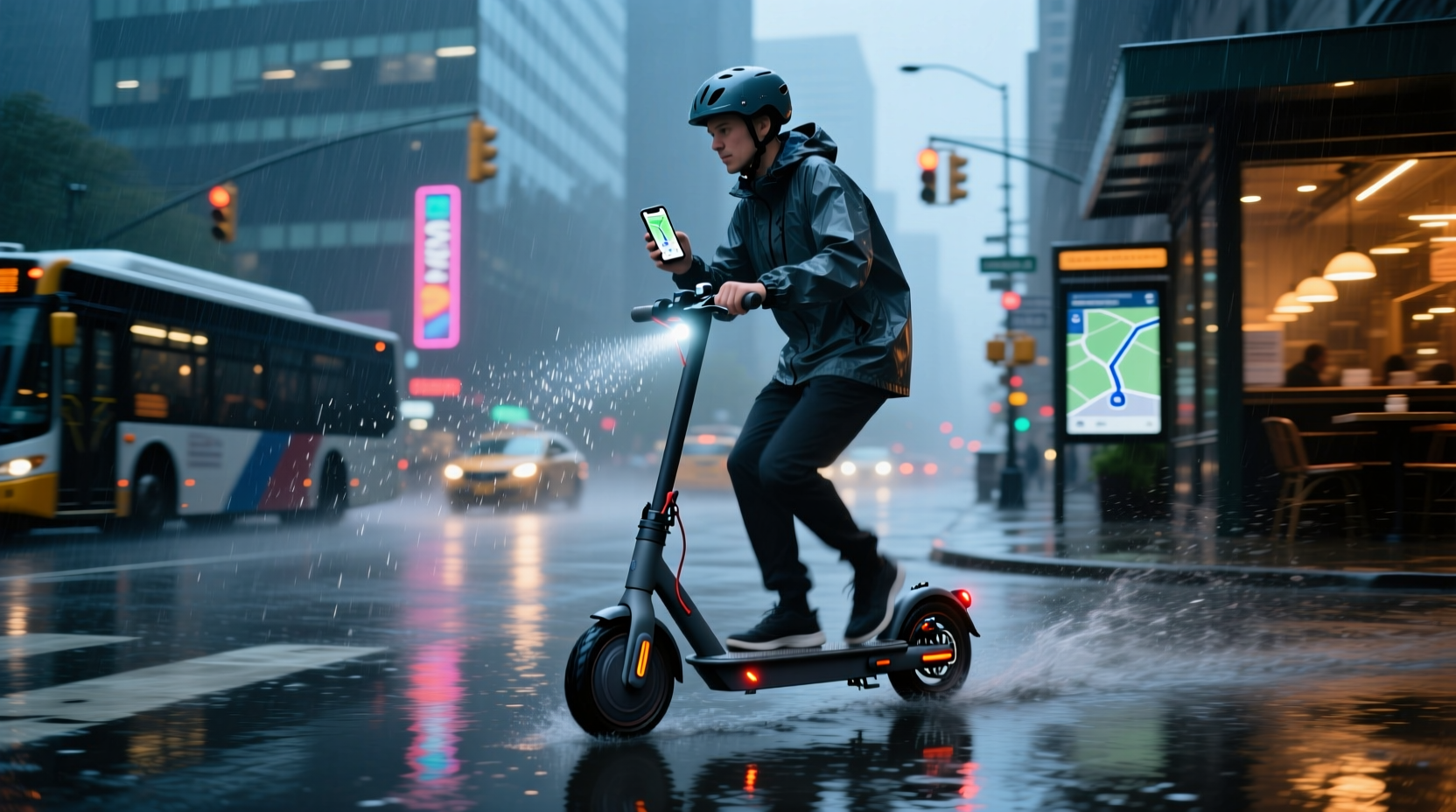
Not all electric scooters are built to handle moisture. Exposure to rain can damage electrical components, degrade battery life, and compromise ride safety. The key to determining a scooter’s rain-readiness lies in its Ingress Protection (IP) rating—a standardized measure of resistance to solids and liquids.
The second digit in an IP code indicates liquid protection. Common ratings include:
| IP Rating | Liquid Protection Level | Suitable for Rain? |
|---|---|---|
| IPX4 | Splashing water from any direction | Limited; light drizzle only |
| IPX5 | Low-pressure water jets | Moderate; brief exposure okay |
| IPX6 | Powerful water jets | Yes; suitable for heavy rain |
| IPX7 | Immersion up to 1 meter for 30 minutes | Highly recommended for rainy cities |
| No rating / IPX0 | No protection | Avoid entirely in wet conditions |
Manufacturers often advertise “water-resistant” without specifying an IP rating, which can be misleading. For rainy cities, aim for at least IPX5, though IPX7 offers greater peace of mind. Note that even high-rated scooters aren’t designed for submersion or prolonged soaking—riding through deep puddles or leaving the scooter outside overnight remains risky.
Tip: After riding in the rain, wipe down your scooter with a dry cloth and let it air-dry indoors before charging or storing.Safety Concerns in Wet Conditions
Riding on wet pavement introduces multiple hazards. Reduced traction, delayed braking, and obscured visibility increase the risk of slips and falls. Electric scooters typically lack advanced safety features like ABS brakes or traction control, making rider awareness critical.
Key safety issues in rainy conditions include:
- Braking Distance: Wet surfaces significantly extend stopping distances. Disc brakes perform better than drum or electronic brakes in rain.
- Tire Traction: Pneumatic (air-filled) tires offer superior grip compared to solid rubber tires, especially on slick roads.
- Surface Hazards: Grates, painted lines, and metal plates become extremely slippery when wet—avoid them when possible.
- Night Visibility: Rain reduces visibility. Integrated front and rear lights, plus reflective elements, are essential for evening rides.
A study by the University of British Columbia found that 37% of e-scooter incidents in Vancouver occurred during or immediately after rainfall. Most involved loss of control on wet asphalt or collisions due to reduced visibility. Riders who wore helmets and used designated bike lanes had significantly lower injury rates.
“Rain doesn’t make e-scooters unusable, but it demands more skill and caution. Treat every wet ride as high-risk and adjust your speed accordingly.” — Dr. Lena Tran, Urban Mobility Researcher, Simon Fraser University
Total Cost of Ownership vs. Alternatives
Purchase price is just one factor. To assess whether an e-scooter is worth it, consider long-term costs—including maintenance, repairs, and lifespan—especially in harsh weather.
In rainy climates, exposure to moisture accelerates wear. Corrosion in connectors, motor degradation, and battery inefficiency are common issues. A scooter that lasts three years in a dry city may fail within 12–18 months in a coastal or temperate zone with frequent precipitation.
Here’s a breakdown of estimated ownership costs over two years for a mid-range commuter scooter ($600–$900), compared to public transit and biking:
| Option | Upfront Cost | Maintenance/Year | Lifespan | Total (2 Years) |
|---|---|---|---|---|
| E-Scooter (mid-range) | $750 | $120 | 2–3 years* | $990 |
| Public Transit Pass | $0 | $1,200/year | N/A | $2,400 |
| Folding E-Bike | $2,000 | $80 | 5+ years | $2,160 |
| Standard Bike + Rain Gear | $500 | $60 | 8+ years | $620 |
*Lifespan assumes moderate care and occasional wet use. Poor storage or frequent exposure to rain may reduce this to under 18 months.
While e-scooters undercut transit costs over time, their shorter lifespan in rainy environments narrows the advantage. Bikes—especially those with fenders and puncture-resistant tires—often prove more durable and cost-effective in consistently wet regions.
Real-World Example: Commuting in Portland, Oregon
Jamal, a software developer in Portland, replaced his bus pass with a $799 e-scooter equipped with IPX6 rating, pneumatic tires, and hydraulic brakes. His 3.5-mile commute cuts through downtown and along the Willamette River—routes prone to puddles and spray during fall and winter.
Initially, he loved the convenience and speed. But after five months of regular use—including nearly daily rides in drizzle—he noticed sluggish acceleration and intermittent power cuts. Upon inspection, moisture had seeped into the display housing, corroding internal contacts. Repairs cost $110, and he now stores the scooter indoors and avoids riding in heavy rain.
Despite the hiccup, Jamal still finds value. He charges less than $10/month in electricity, saves 20 minutes each way compared to the bus, and enjoys the physical activity. His advice? “Buy the best-protected model you can afford, and never leave it outside. If it rains hard, just take the bus that day.”
How to Maximize Scooter Longevity in Rainy Cities
If you decide to go electric despite the weather, follow these steps to protect your investment and ensure safer rides:
- Choose a High IP-Rated Model: Prioritize IPX6 or IPX7. Brands like Unagi, Segway Ninebot MAX, and Apollo City Pro offer strong waterproofing.
- Invest in Fenders: Even small mudguards prevent water spray from reaching electronics and keep you drier.
- Store Indoors: Never leave your scooter exposed to rain or humidity. Use a garage, closet, or covered entryway.
- Dry It After Every Ride: Wipe down the deck, stem, and wheels. Let it sit in a dry room before charging.
- Avoid Deep Puddles: Water deeper than 2 inches risks entering sealed compartments, especially if moving fast.
- Inspect Regularly: Check for rust on bolts, frayed cables, or loose connections—especially after wet rides.
- Use a Cover: A breathable scooter cover adds extra protection if indoor storage isn’t always possible.
Checklist: Is an E-Scooter Right for Your Rainy Commute?
Before buying, ask yourself the following:
- ✅ Do I have secure indoor storage?
- ✅ Is my route under 5 miles one-way?
- ✅ Does the scooter have at least IPX5 rating?
- ✅ Are there protected bike lanes or low-traffic roads?
- ✅ Am I willing to skip rides during heavy rain?
- ✅ Can I afford potential repairs or earlier replacement?
- ✅ Do I already own rain gear (jacket, pants, shoe covers)?
If you answered “no” to more than two of these, a different mode of transport might serve you better.
Frequently Asked Questions
Can I ride an electric scooter in the rain safely?
Yes, but only if the scooter has a high IP rating (IPX5 or higher), you wear proper rain gear, and you ride cautiously. Avoid sudden turns, brake early, and stay visible. Never ride in thunderstorms or flooded areas.
What happens if my scooter gets wet?
Minor exposure is usually fine for water-resistant models. However, if water enters the battery compartment or motor, it can cause permanent damage. Always dry the scooter thoroughly and avoid charging until it’s completely dry. If performance issues arise after a wet ride, have it inspected by a technician.
Are folding e-scooters less durable in rain?
Folding mechanisms can create gaps where moisture enters, so they require extra attention. Look for models with sealed hinges and protective flaps around joints. After riding in the rain, unfold the scooter fully to allow airflow and drying at stress points.
Conclusion: A Calculated Yes—with Conditions
Electric scooters can be worth it for short commutes in rainy cities—but only with careful planning and realistic expectations. They’re not all-weather vehicles, and treating them as such will lead to disappointment or costly failures. The most successful users live in areas with decent cycling infrastructure, have access to dry storage, and choose high-quality, well-sealed models.
They also accept that some days, the weather wins. On those mornings, switching to transit or walking isn’t a failure of the system—it’s smart commuting.
If you’re drawn to the efficiency, affordability, and eco-friendliness of e-scooters, don’t let rainy skies deter you entirely. Instead, invest wisely, maintain diligently, and ride responsibly. With the right approach, your electric scooter can thrive—even in the drizzle.
🚀 Ready to make the switch? Start by researching IPX6-rated scooters and mapping out a sheltered storage spot. Share your rainy-day scooter tips in the comments below!